

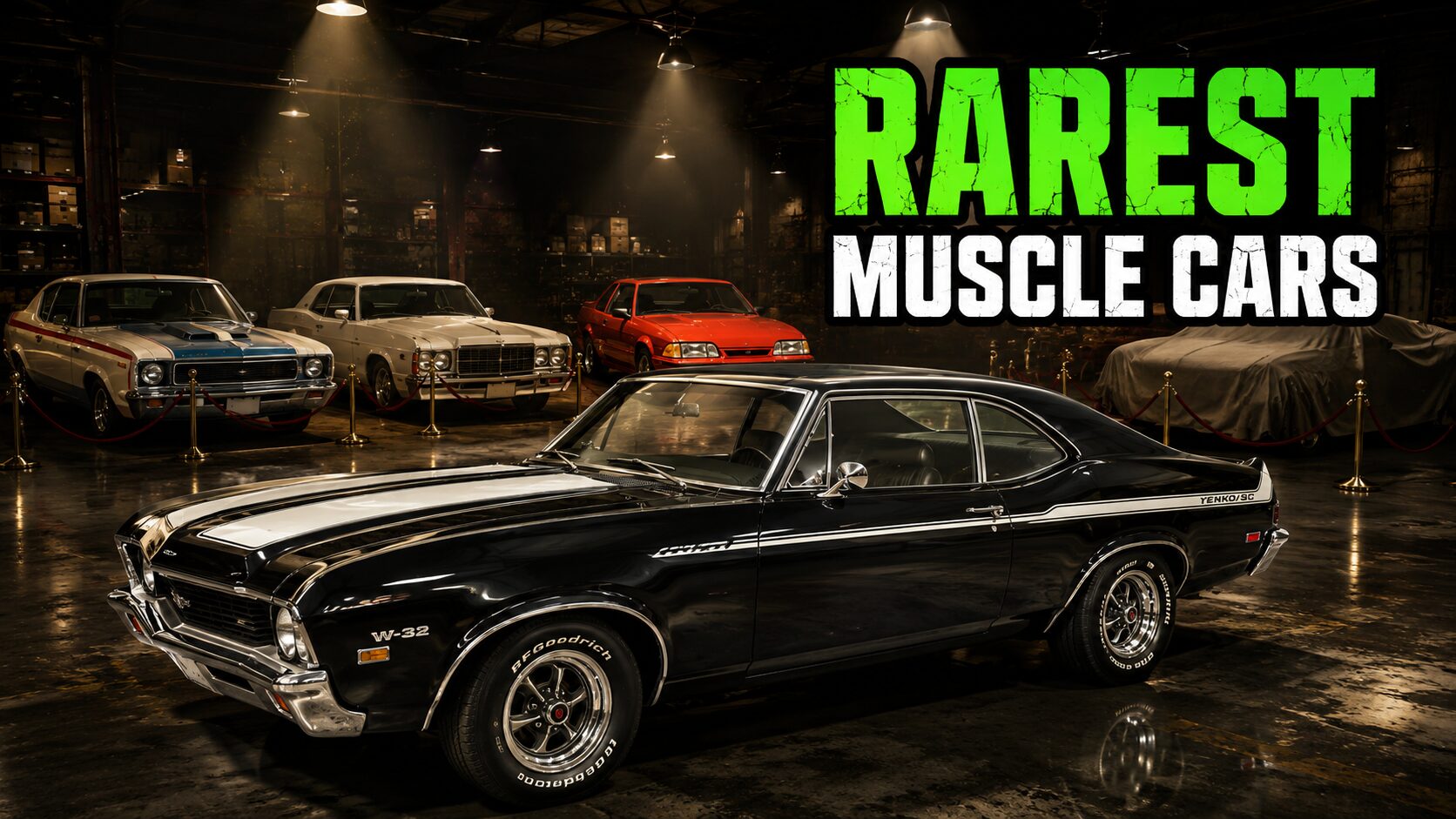
Sifting through factory records and obscure production figures reveals vehicles so scarce they redefine automotive exclusivity. These aren’t the legends plastered across “Fast and Furious” posters—they’re hidden gems that packed serious performance credentials and demand genuine respect. Each machine delivered raw power that felt like wrestling a grizzly bear fueled by rocket-grade gasoline. The feeling mirrors finally discovering that perfect backroad after hours of mundane highway miles. Consider the Yenko 427 Nova: production stopped at roughly 37–38 units, with fewer than 10 authentic examples believed to survive today. These five rarities force anyone to rethink everything they thought they knew about muscle car royalty.
1. 1969 Oldsmobile 442 W-32
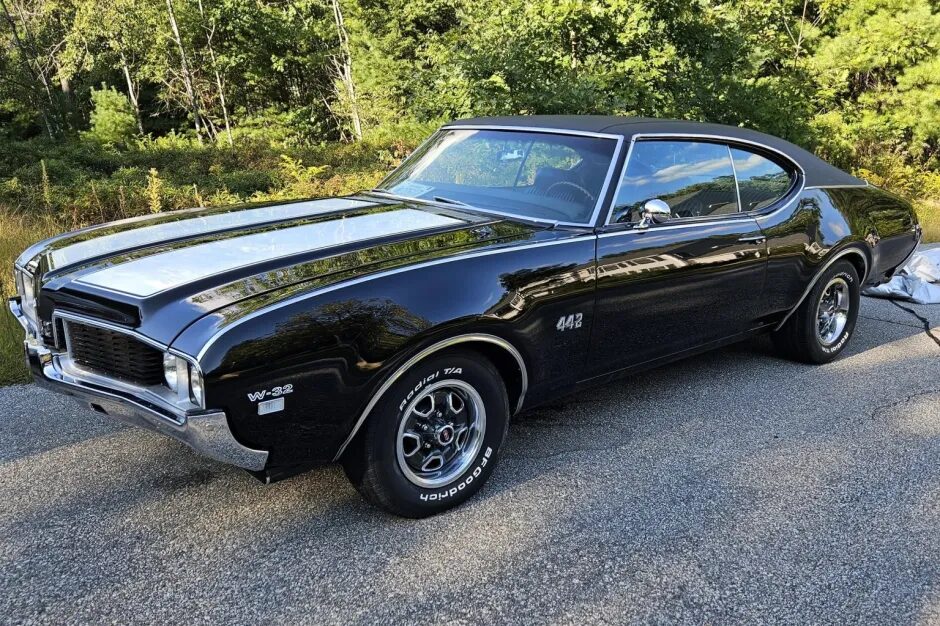
Automatic-only power package that gave slushbox buyers manual-transmission muscle.
With only 297 units produced, the 1969 Oldsmobile 442 W-32 stands as a rare beast often overlooked in the muscle car pecking order. Oldsmobile faced a challenge: give automatic buyers the raw power reserved for manual transmissions. The W-32 package was their solution, unleashing a 400 cu in V8 that churned out 350 hp and 440 lb-ft of torque.
Exclusively bundled with a specially calibrated Turbo-Hydramatic 400 three-speed automatic, this package handled the power like a seasoned heavyweight champion. Its “W-Machine” hardware featured functional under-bumper air scoops and a dual-snorkel air cleaner that signaled understated aggression. A genuine sleeper with significant collector upside, this Olds proves true grit doesn’t always shout—sometimes it just effortlessly lays rubber on unsuspecting pavement.
2. 1970 AMC Rebel Machine
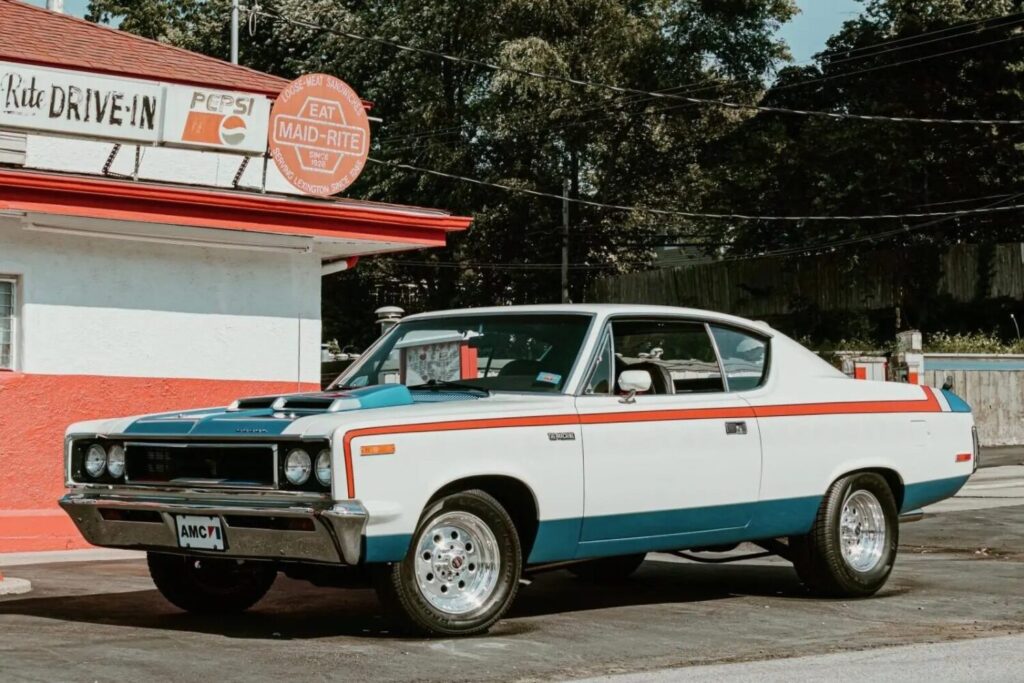
American Motors’ unapologetic middle finger to Detroit’s established order.
A 390 cu in V8 producing 340 hp was AMC’s raw answer to the muscle car giants. American Motors, often the underdog against the Big Three, shifted dramatically in the late 1960s to build more than sensible sedans. The 1970 AMC Rebel Machine was their unapologetic statement, often finished in bold red, white, and blue.
Its ram-air functional hood scoop, with an integrated tachometer, fed the 430 lb-ft engine, launching the car 0–60 mph in the mid-six-second range. Sources cite production between roughly 1,936 and 2,326 units—regardless of the exact figure, this genuine rarity made it a ghost on the streets compared to a Chevelle SS. Finding one today feels like unearthing a forgotten track. Pull up to a gas station, and people stop scrolling to stare. That’s the true currency of muscle that refused to play by the rules.
3. 1970 Chrysler 300 Hurst
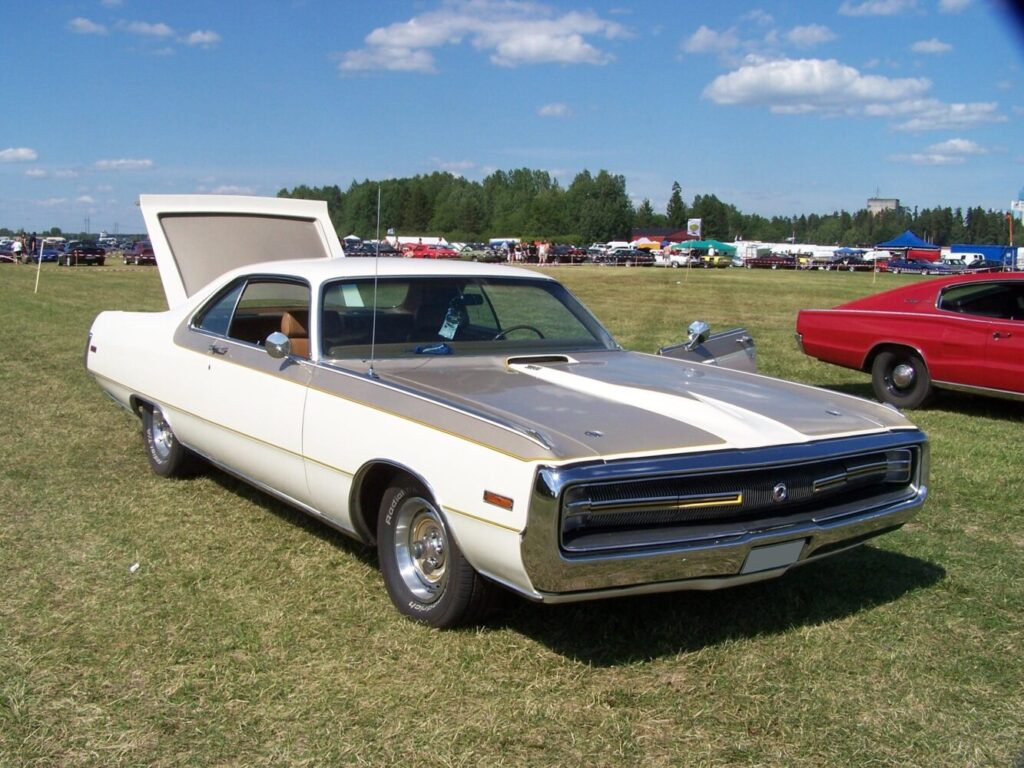
Gentleman’s muscle car that seamlessly bridged luxury and raw performance.
Around 500–501 units of the 1970 Chrysler 300 Hurst were produced, earning it a distinct place as a bespoke suit with a rocket engine. Built on the full-size Chrysler 300 two-door hardtop, this special edition housed a formidable 440 cu in TNT V8 engine punching out 375 hp and over 480 lb-ft of torque through a Torqueflite three-speed automatic transmission.
The 300 Hurst demanded attention with its unique Spinnaker White paint and satin gold accents, complementing a fiberglass hood with an integral scoop and a raised decklid featuring a molded spoiler. Inside, the plush saddle leather interior borrowed from the luxurious Chrysler Imperial promised comfort even during spirited runs. Its heavy-duty suspension was tuned for stability, allowing anyone to cover serious ground without feeling rattled. Comfortable for a cross-country cruise yet ready to light up the tires at a moment’s notice, this was a true grand tourer for the drag strip set.
4. 1993 Ford Mustang SVT Cobra R
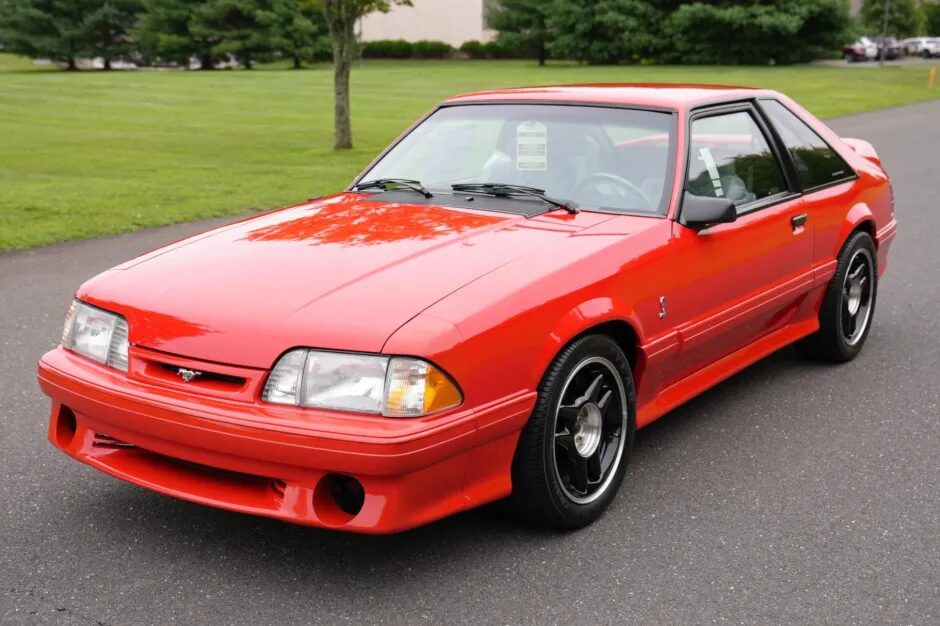
Track-focused Fox-body sold exclusively to licensed racers—all 107 units.
Not all rare muscle cars hail from the 1960s. The 1993 Ford Mustang SVT Cobra R, a pure competition machine from SVT, was sold exclusively to licensed racers and produced in just 107 units. Ford stripped weight by removing the rear seat, radio, and air conditioning. Under its hood sat a 5.0 L pushrod V8 rated at 235 hp and 280 lb-ft.
Its mission was to conquer the track, much like a hungry shark hunting prey. Massive 13-inch front vented disc brakes with Kelsey-Hayes dual-piston calipers and adjustable Koni shocks and struts made it handle like a scalpel. Weighing around 3,200–3,250 lb, it delivered quarter-mile times in the mid-13 to low-14 second range. These 107 units—all Vibrant Red with Opal Gray cloth—now command six-figure prices. The car makes anyone want to hit the road and chase sunsets, proving some legends are still being written.
5. 1969 Yenko Nova (Yenko SC 427 Nova)
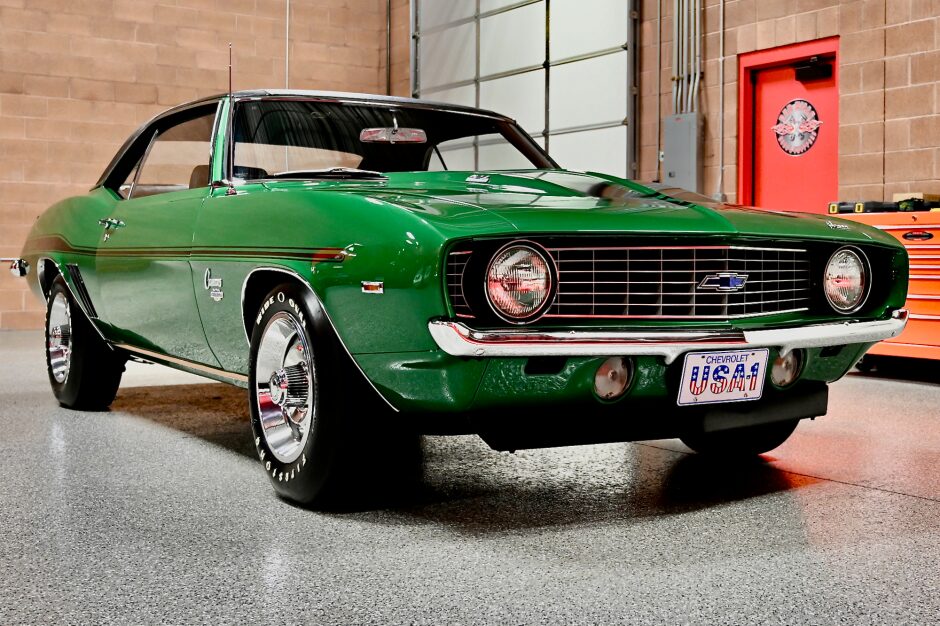
Don Yenko’s corporate-rule-defying back-alley brawler that turned Novas into missiles.
General Motors corporate policy in 1969 capped engine displacement in compact cars at 400 cu in, effectively choking what could have been a factory monster. Enter Don Yenko, a dealer whose reputation was built on ignoring corporate red tape, turning stock L78 396 Nova SS models into street-legal missiles. He swapped in the massive L72 427 cu in big-block V8, a solid-lifter beast rated at 425 hp and approximately 460 lb-ft of torque, transforming the mild-mannered Nova into something altogether different.
This potent engine, combined with the Nova’s roughly 3,100 lb curb weight, allowed well-prepped Yenko Novas to hit low-11-second quarter-mile times on drag slicks, leaving many supposed muscle kings in the dust. Production numbers alone make it a unicorn, with approximately 37–38 units built and fewer than 10 authentic cars believed to survive. One example fetched $852,500 at auction, proving that defying the rulebook can pay off handsomely when building a legend.