

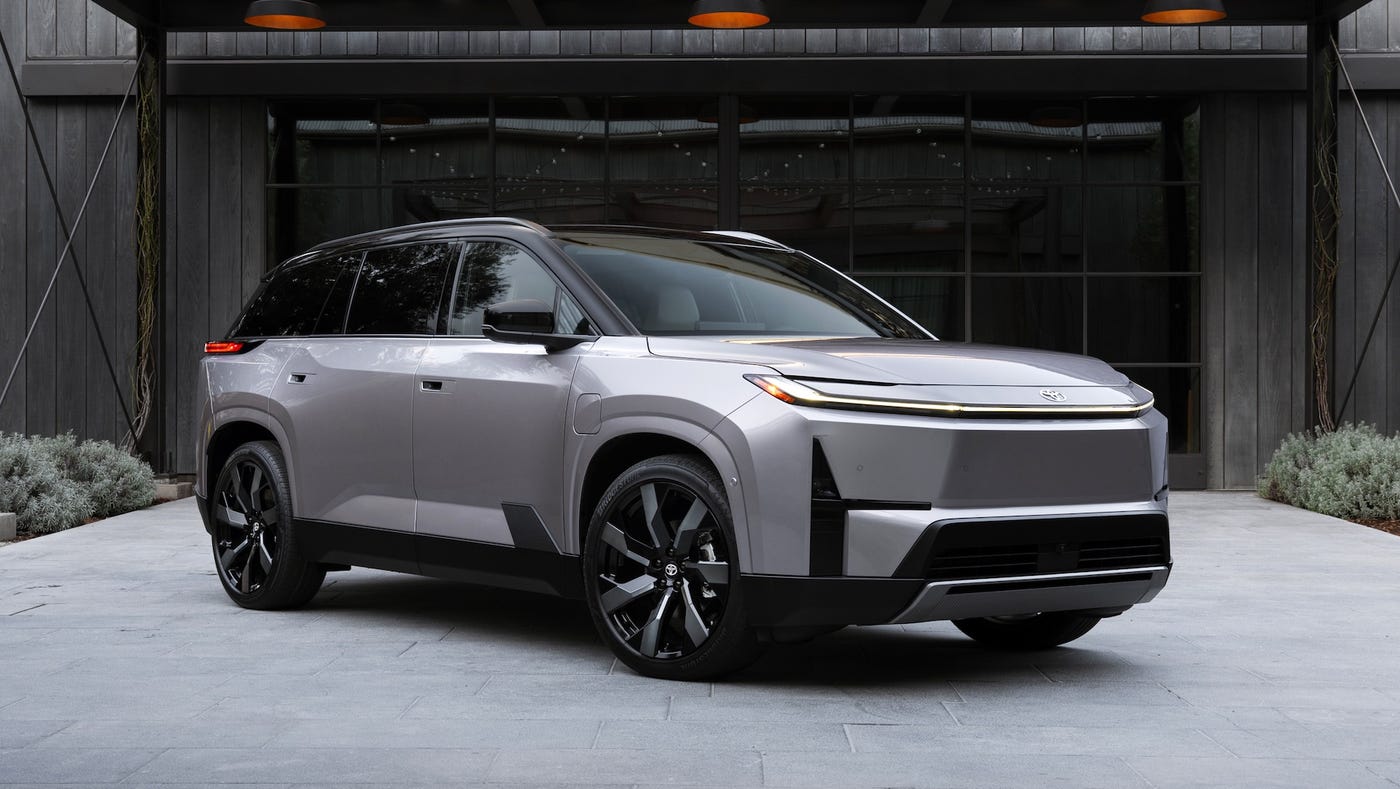
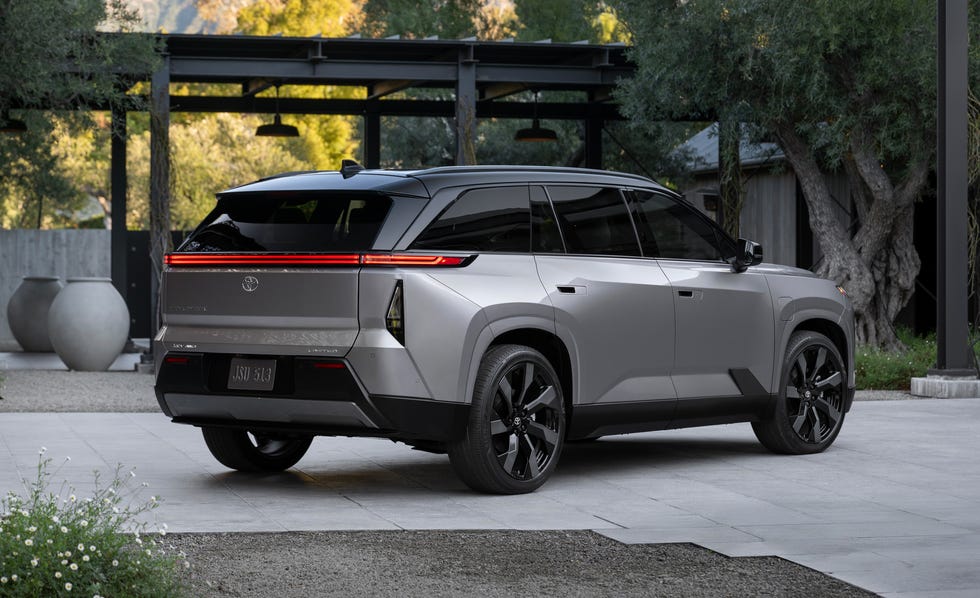
Shoppers who planned to drive a brand-new Highlander EV home before the holidays should recalibrate. Toyota has confirmed a minimum eight-week production delay on the all-new 2027 Highlander, citing the need for “additional adjustments to the vehicle prior to launch,” according to Cars.com. The vehicle was already operating within a tight window — originally slated to reach dealer lots in late 2026, with sales continuing into early 2027, per Toyota’s official guidance — and that window has now shifted further. For most buyers outside early-allocation metro markets, the realistic arrival date is early 2027, well past peak holiday-season delivery, among other models worth waiting for.
What the 2027 Highlander Actually Is
Toyota’s long-awaited three-row electric SUV marks two firsts at once — and the competition isn’t standing still.
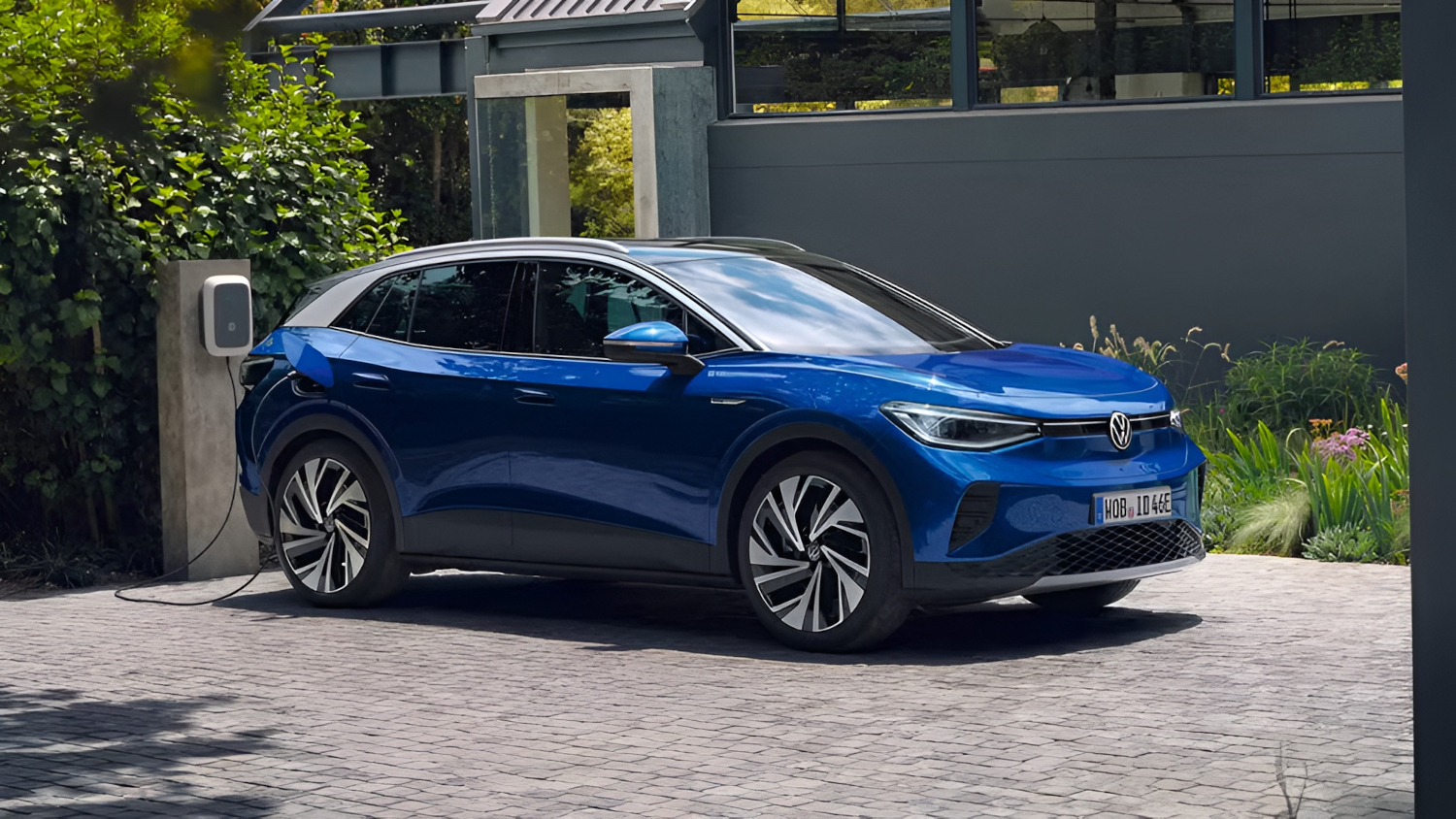
Before the delay carries its full weight, the vehicle itself deserves context. This is Toyota’s first three-row battery-electric SUV for the U.S. market, and the first Toyota BEV assembled on American soil — built in Georgetown, Kentucky, with batteries sourced from Liberty, North Carolina. That combination of milestones makes the delay more than a scheduling footnote. Hyundai and Kia‘s EV9 are already available at dealerships. Toyota is arriving late to the three-row EV segment and has now pushed its entry back by at least another two months.
Here’s what the Highlander EV delivers when it does arrive:
- Battery options: 77.0-kWh and 95.8-kWh; manufacturer-estimated range 270–320 miles (320 miles on 95.8-kWh AWD trims)
- Power: 221 hp (FWD single-motor) or 338 hp (dual-motor AWD)
- Charging: NACS port; 10% to 80% in approximately 30 minutes under ideal conditions
- Trims at launch: XLE and Limited; pricing not yet announced
- Assembly: Georgetown, Kentucky; batteries from Liberty, North Carolina
What “Final Adjustments” Actually Means
Toyota hasn’t clarified the specifics, but the core specs announced in February remain unchanged.
Toyota has not specified what is being adjusted. Software tuning, quality-control refinement, and supply-chain timing are all possibilities the company has declined to address publicly. Critically, no changes to announced specs have been confirmed — no range reductions, no trim eliminations, no configuration shifts. Subtle updates could arrive with the later build, but shoppers should expect the same performance envelope Toyota described at reveal.
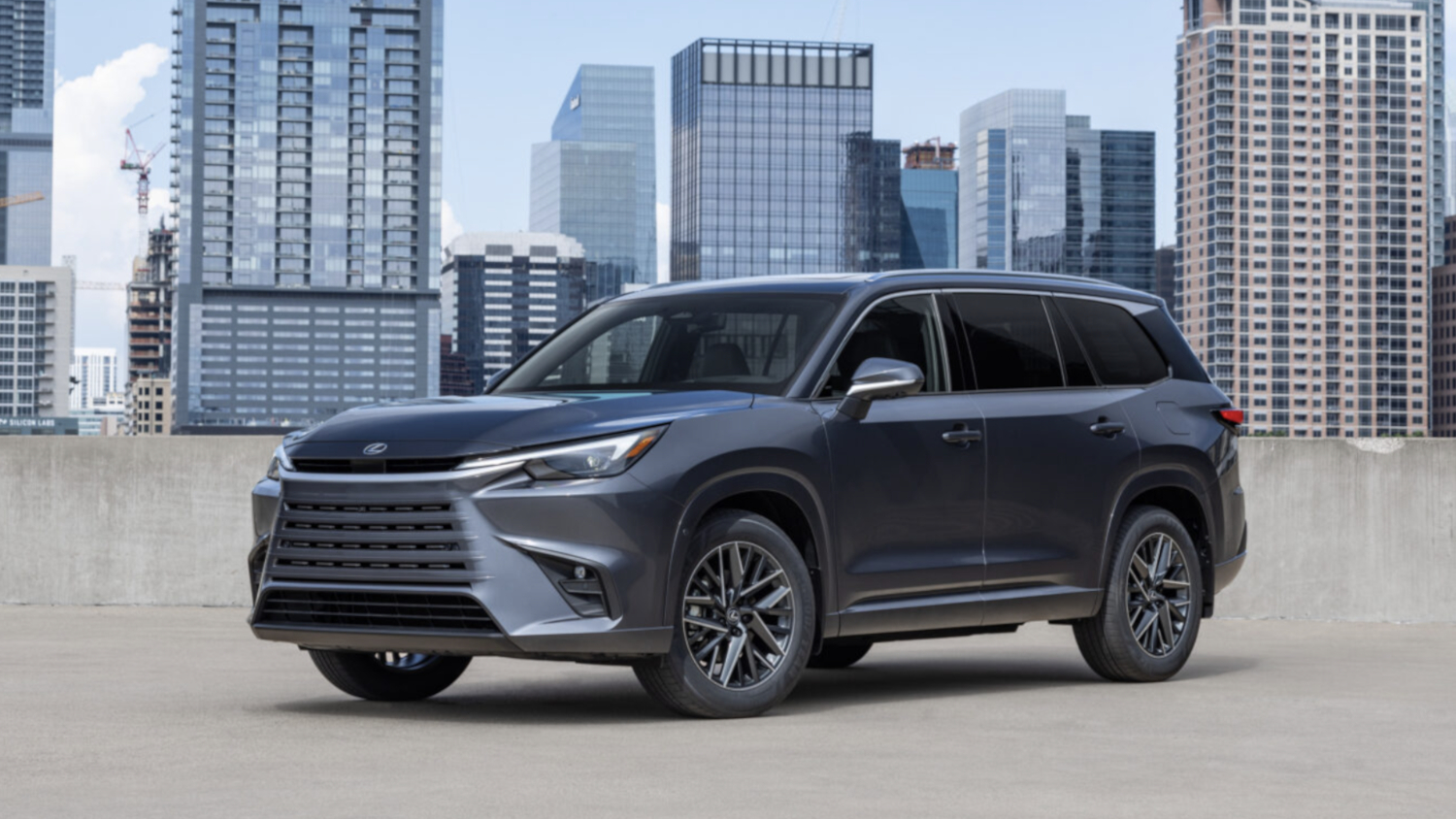
The delay also raises questions for related models. The Lexus TZ and Subaru Getaway reportedly share this platform and were both originally targeting a late-2026 launch window, according to Cars.com and industry reporting. When Cars.com asked Toyota about the TZ, a spokesperson said the company had no information to share. Subaru had not responded to inquiries at the time of that report. Shoppers tracking either model should monitor both brands for any revised timeline announcements.
So What Do You Actually Do Now?
The gas-and-hybrid Highlander gives buyers a practical alternative while the EV ramp-up unfolds.
The 2026 gas/hybrid Highlander remains in production through December 2026, with dealer inventory expected to carry well into 2027, according to Cars.com. That overlap is deliberate — Toyota maintains supply of a familiar, proven family SUV while the EV version completes its ramp-up. Shoppers who need a three-row SUV without a wait have a tangible option on lots right now. Those willing to hold out gain access to Toyota’s first domestically assembled BEV, with up to 320 miles of estimated range on AWD trims, a NACS charging port, and seating for up to seven.
Toyota’s broader approach reflects a dual-track strategy: an all-electric Highlander for buyers ready to commit to BEV ownership, and a gas-powered Grand Highlander for those who aren’t. That positioning looks cautious alongside Hyundai and Kia. It may also prove pragmatic as EV demand patterns continue to evolve. Either way, the Highlander EV arrives on Toyota’s schedule — and right now, that schedule points firmly to 2027.