

Toyota’s $3.6 billion investment to shift significant Tacoma pickup production from its Baja California, Mexico plant to San Antonio, Texas signals a major manufacturing realignment. The move adds a second vehicle assembly line, doubles the campus footprint, and deepens Toyota’s truck presence in the Lone Star State. Reuters and USA Today both noted that intensifying scrutiny of North American tariff and trade policy has reshaped where automakers choose to build — and this announcement lands squarely in that context, raising fresh questions about the future of the affordable new car.
What $3.6 Billion Actually Builds
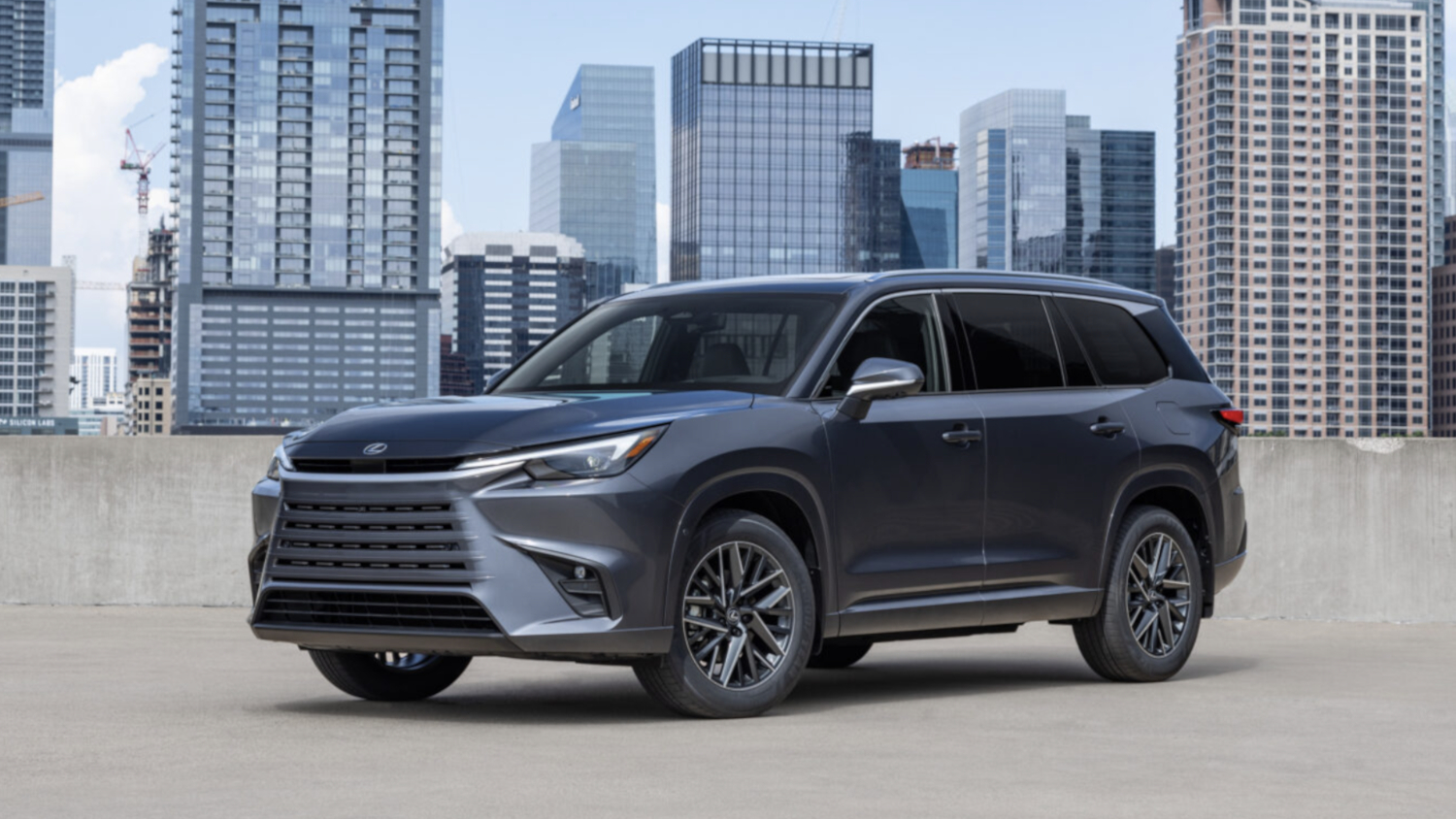
The expansion transforms San Antonio from a two-model plant into Toyota’s most expansive truck-and-SUV manufacturing campus in the United States.
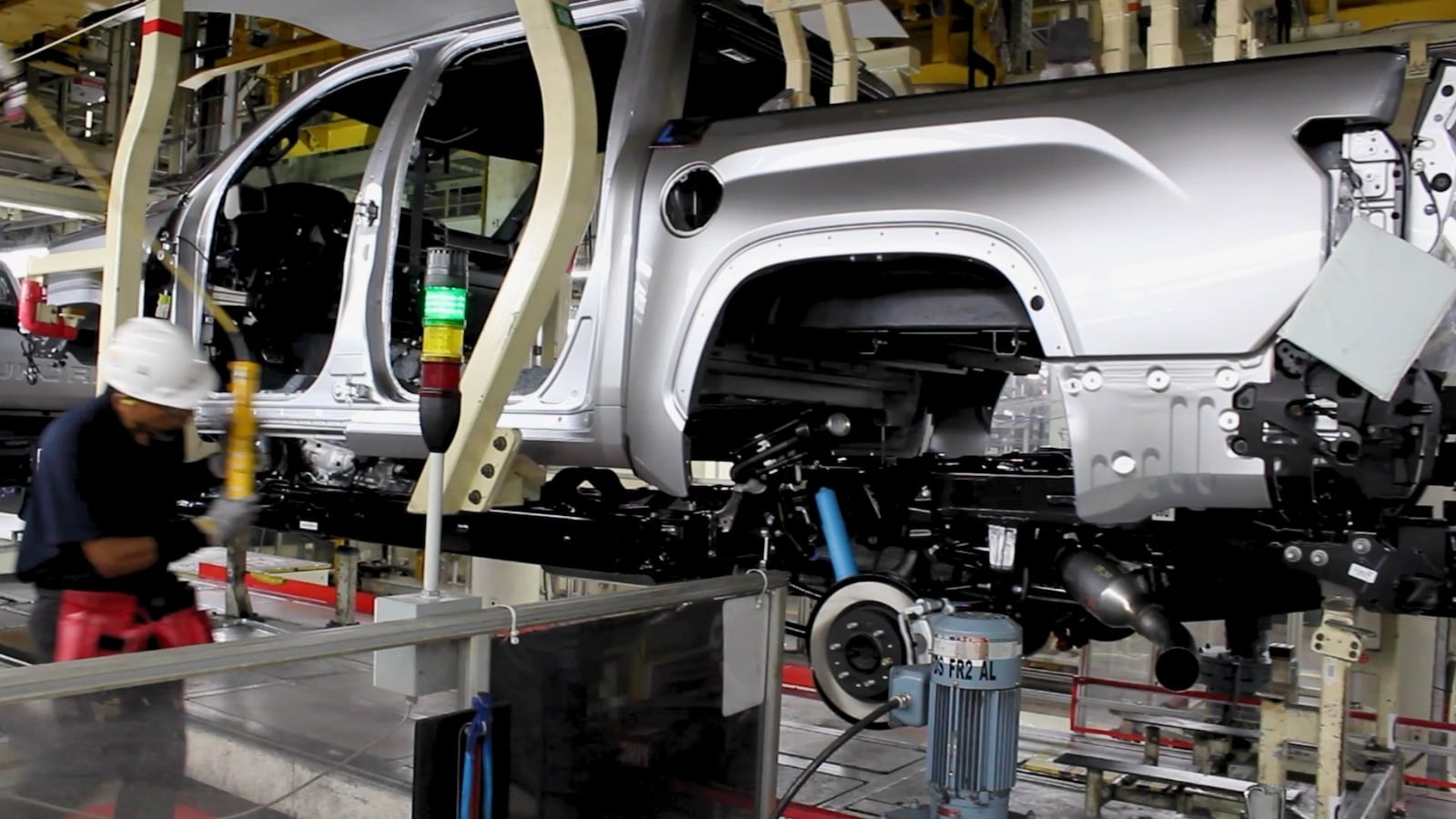
The San Antonio campus already handles Tundra and Sequoia production. A dedicated Tacoma assembly line will join them, anchored by 2.5 million square feet of new space that will double the facility’s size by 2030. A separate 500,000-square-foot rear axle plant is reportedly set to open this autumn, according to local and trade coverage. Construction is underway. These aren’t renderings.
By the Numbers
- $3.6 billion total investment
- 2,000 new jobs created in San Antonio
- 2.5 million square feet of new space added
- New Tacoma line operational by 2030
- Approximately 150,000 Tacoma units in annual capacity once fully running, per Automotive News via USA Today
A Partial Shift, Not a Full Repatriation
Toyota is moving Tacoma production from one Mexican plant to Texas — but not walking away from Mexico entirely.
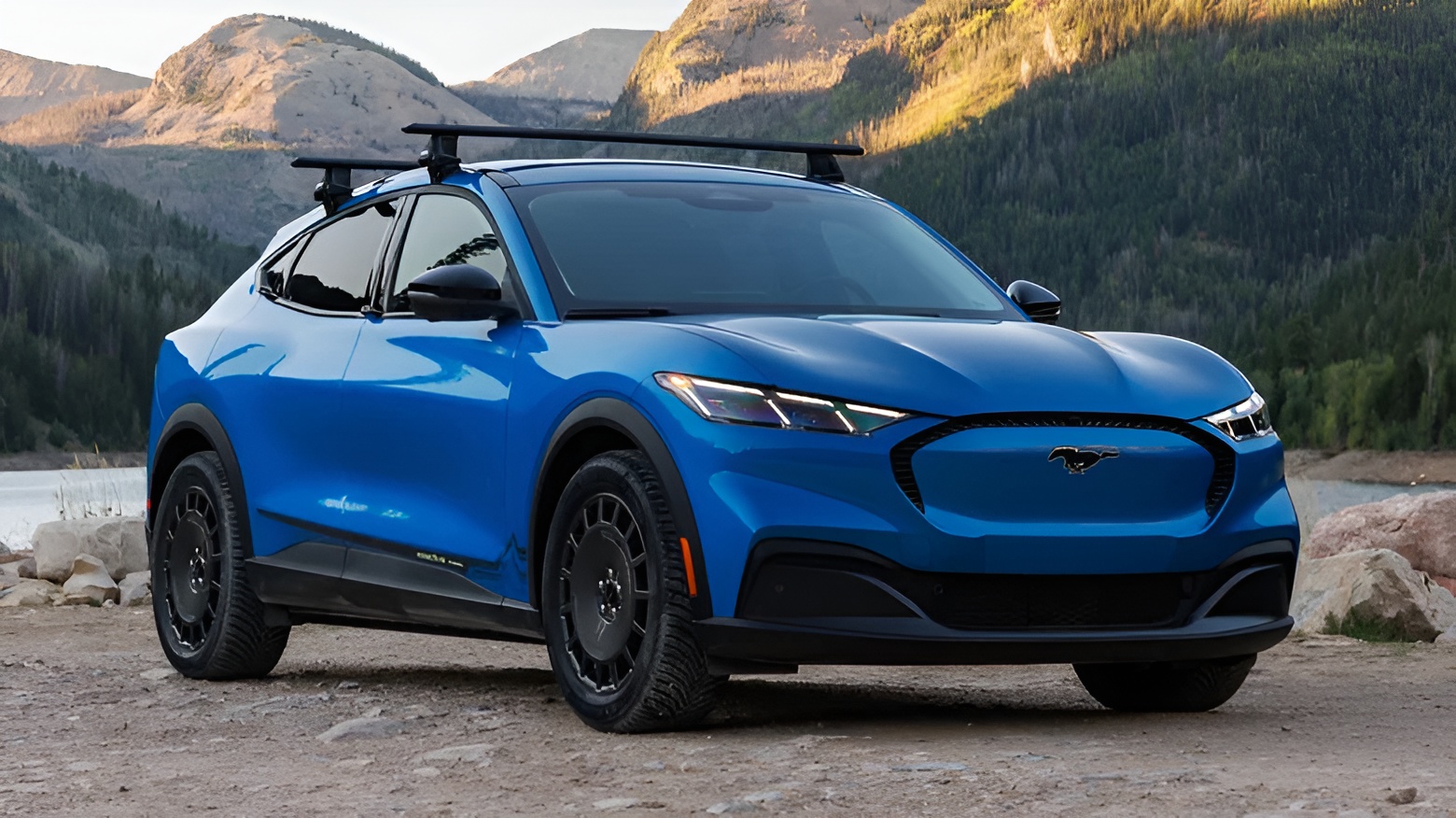
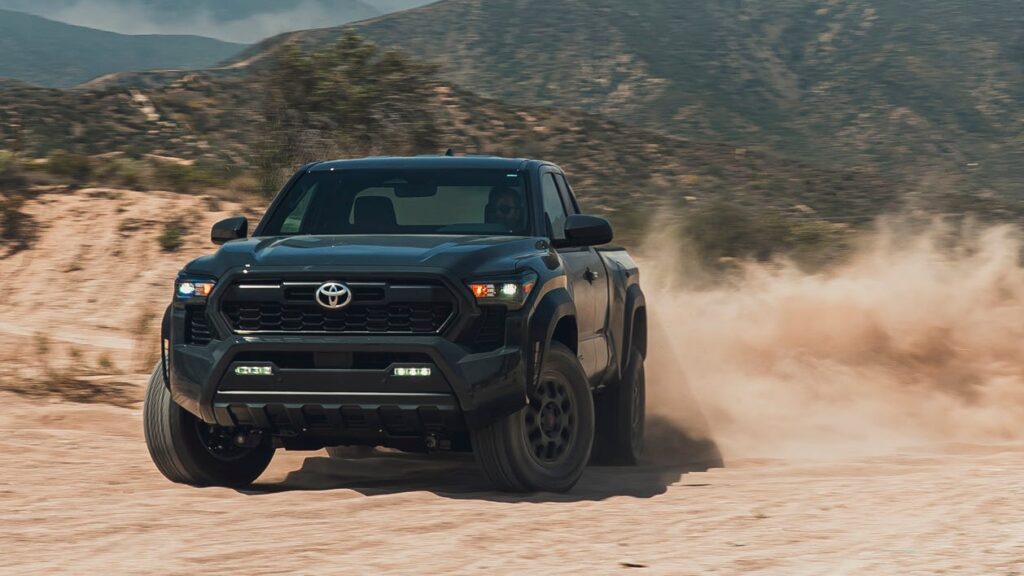
Precision matters here. Toyota is transitioning Tacoma production from its Baja California facility specifically — not shuttering all Mexican manufacturing. According to Reuters, some Tacoma production will continue at the Guanajuato, Mexico plant. This is a significant geographic shift, not a clean break. Readers tracking the competitive landscape may also want to note Ford’s rival midsize pickup entering the conversation.
San Antonio’s Four-Year Industrial Transformation
The transition timeline stretches to 2030, bringing thousands of jobs and a reshaped industrial economy to San Antonio.
The shift unfolds over roughly four years, with full production beginning by 2030. Those 2,000 new jobs carry real economic weight for San Antonio — the Texas governor’s office has framed the investment as a significant win for the state’s manufacturing base, a characterization consistent with the scale of capital and hiring involved.
Tacoma buyers can expect supply continuity throughout the shift, with the Guanajuato facility maintaining some production during the ramp-up period. What changes is where a significant share of these trucks get built — and given the scale of this commitment, Toyota’s San Antonio campus looks set to define the Tacoma’s manufacturing home for decades to come.