

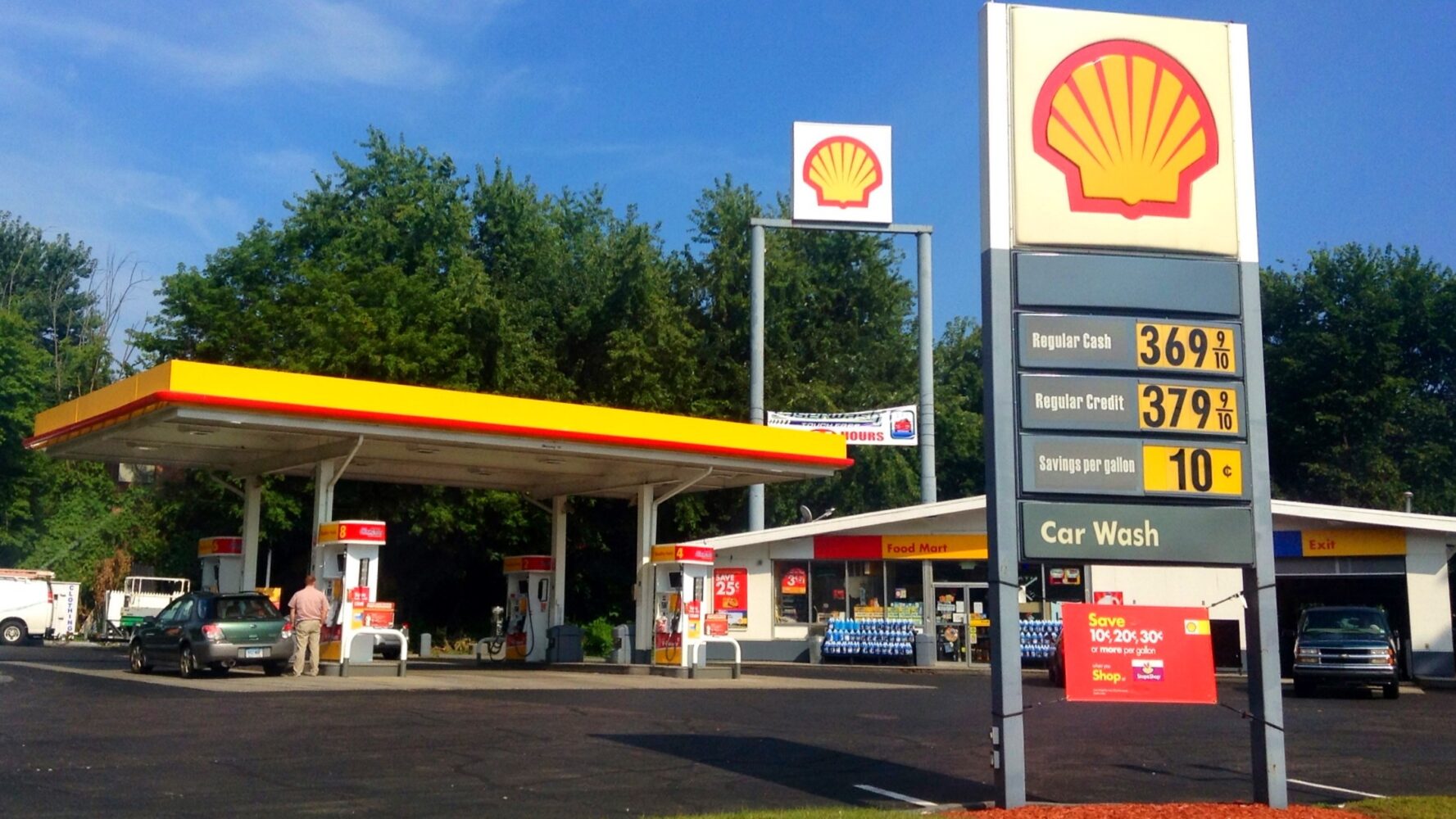
Standing at the pump, 90 extra cents per gallon has started to feel less like a rounding error and more like a real choice. Between June 22 and June 25, premium gasoline sales dropped about 5% by volume compared to February averages, according to GasBuddy data reported by Bloomberg. Regular sales jumped 10% over the same four-day stretch. That’s not a seasonal blip — that’s drivers doing the math in real time. With the national spread between regular and premium now sitting around 90 cents per gallon, according to AAA data from early 2026, the pump has quietly become a financial decision point most people never expected to think twice about. The average car payment is already stretching household budgets, making every stop at the pump count even more.
How 90 Cents Got Here
The premium-versus-regular spread has grown so fast it barely resembles the gap drivers knew a decade ago.
Back in 2017, AAA pegged the premium-versus-regular spread at roughly 50 cents nationally — itself already a jump from the roughly 10% gap that existed fewer than five years before that. At roughly 87 to 90 cents today, the increase is closer to 70–80%, which is significant by any measure. Gas price analysts have noted that when fuel costs climb, premium is typically the first grade drivers treat as discretionary. The disappearance of the affordable new car compounds that pressure, leaving cost-conscious drivers with fewer options at every turn. Analysts cited in reporting by The Drive project that spread could hit $1 per gallon before year-end.
The sharpest numbers, in one place:
- Current national average spread: ~90 cents per gallon (AAA, early 2026)
- Premium sales fell ~5%, mid-grade ~2%, regular rose ~10% — all within a four-day window (GasBuddy data, June 22–25)
- Projected gap: ~$1/gallon by year-end, per analysts cited by The Drive
- Premium in a car designed for regular: zero benefit, per Kelley Blue Book
- Regular in a car that requires premium: reduced performance and potential engine damage over time
Required and Recommended Are Not the Same Word
Your owner’s manual uses one of two words at the pump — and confusing them can cost far more than the savings.
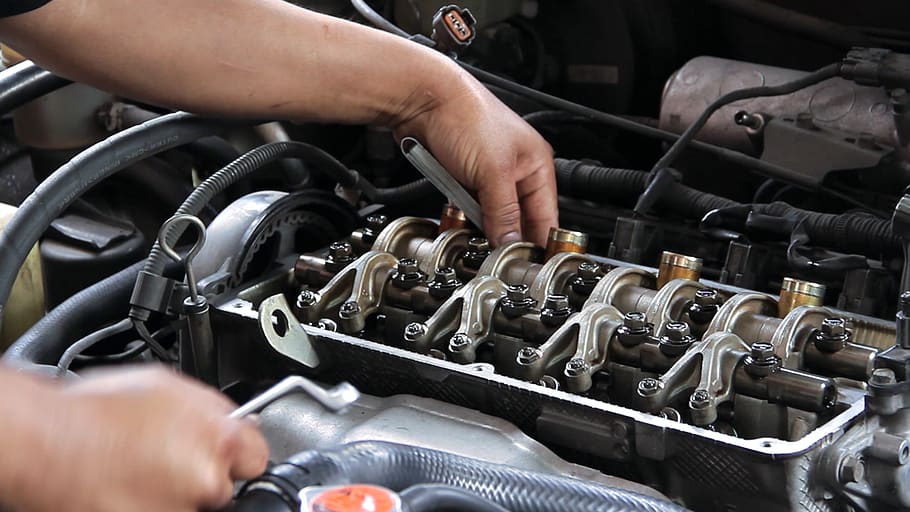
Here’s where a savings strategy can quietly become an engine-risk decision. “Required” means the engine depends on higher-octane fuel to run properly — skipping it isn’t a cost-cutting move; it’s a mechanical gamble.
Turbocharged and high-performance engines are most exposed to this risk. Knock sensors can compensate in the short term, but long-term use of lower-octane fuel increases wear and the potential for engine damage, according to AAA and Kelley Blue Book guidance. Consumer Reports, citing AAA data showing the spread at around 87 cents, noted that while more drivers are reconsidering premium, the owner’s manual remains the actual decision guide — not the price sign.
“Recommended,” on the other hand, is a different story. Trading down on a recommended-premium vehicle may cost some performance, but it won’t cost an engine.
Thirty seconds with the glove compartment tells you everything the price board can’t. Using regular fuel in a turbocharged engine that requires premium to save 90 cents a gallon is the kind of math that looks smart right until the repair bill arrives.