

More than 150,000 units of the Nissan Rogue sell annually, making it a compact SUV powerhouse. Yet this popularity masks persistent concerns about its 1.5-liter turbocharged three-cylinder engine and continuously variable transmission. The Rogue offers comfort and cargo space, but its complex powertrain creates costly repair risks that make mechanics wary. Driving one feels less like commanding a refined machine and more like coaxing a high-volume appliance—fine for a lease, questionable for long-term ownership.
8. Chevrolet Trailblazer and Trax
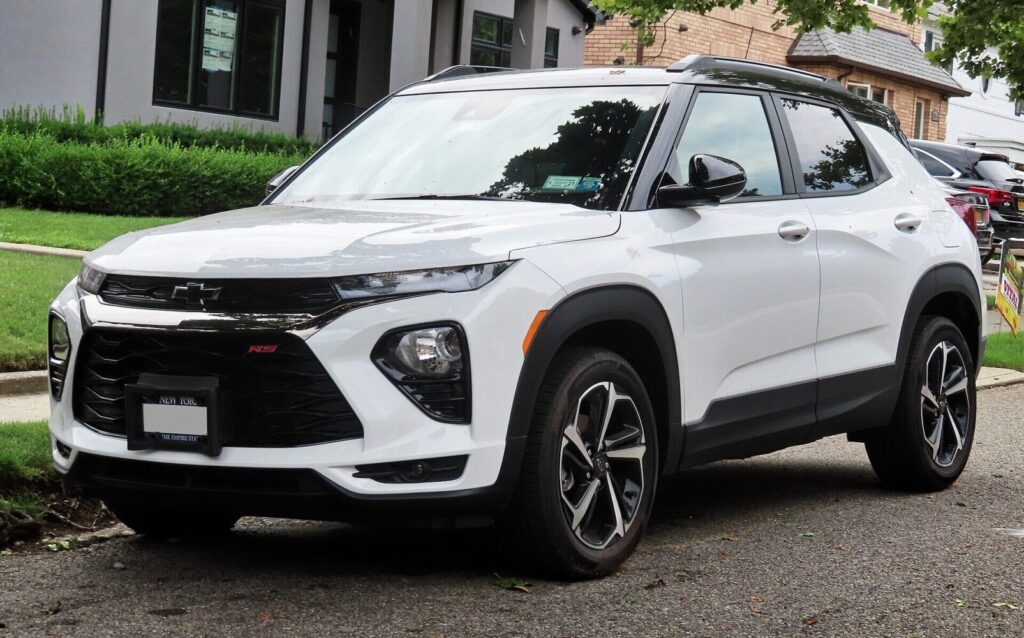
These budget crossovers hide their repair costs behind rock-bottom sticker prices.
Chevrolet’s tiny turbocharged three-cylinder engines in the Trailblazer and Trax represent affordability with a catch. These 1.2L and 1.3L turbo variants operate under extreme pressure, complicated by direct injection systems that create repair disasters. Mechanics avoid them due to complex servicing and low odds of cost-effective repair once major components fail.
While their low purchase price attracts buyers, long-term reliability issues and costly drivetrain complications transform these models into money pits. These compact powerplants work overtime like stressed interns on deadline—running hotter and harder than designed. It’s like expecting scooter performance in a drag race.
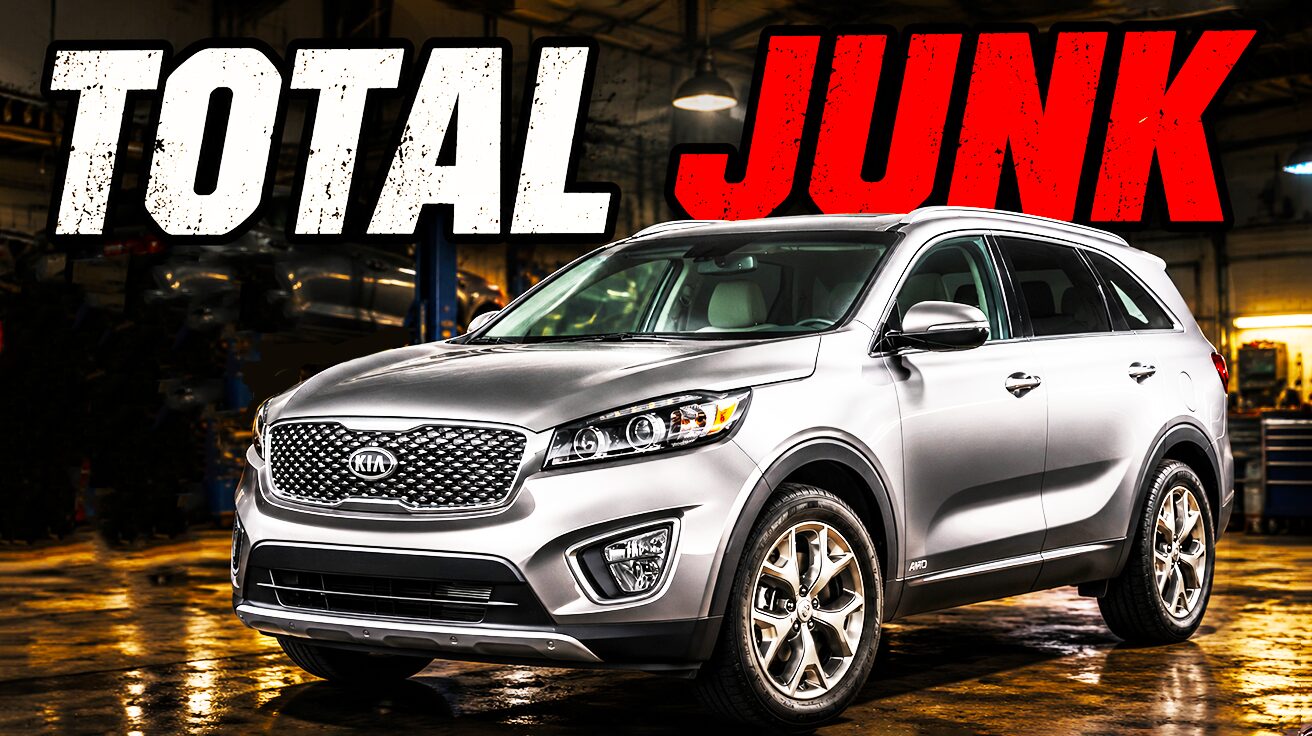
7. Kia Sorento
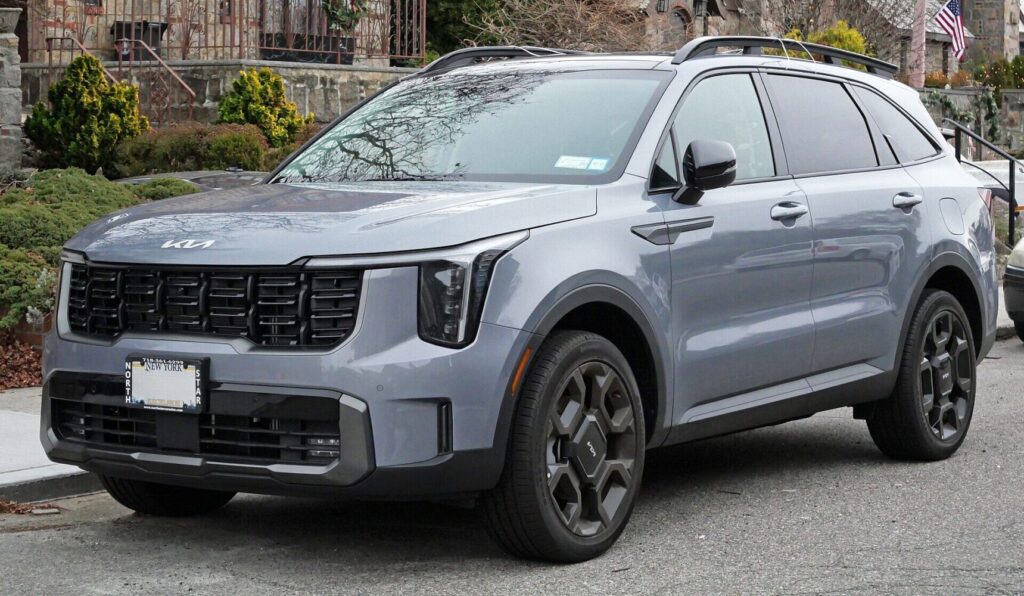
The 8-speed dual-clutch transmission turns family hauling into financial roulette.
The Kia Sorento’s turbocharged 2.5L engine pairs with an 8-speed dual-clutch transmission notorious for rough, jerky shifts and premature failure. Owners face repair bills reaching $8,000 to $10,000 once warranties expire. Some drivers endure multiple replacements, transforming their family SUV into a recurring financial drain.
While other Hyundai and Kia models abandoned this problematic transmission, the Sorento continues using it. For smooth rides and long-term reliability, this setup requires extreme caution—the mechanical equivalent of wishing you’d chosen a proven torque converter automatic for your road trips.
6. Kia Sportage and Hyundai Kona
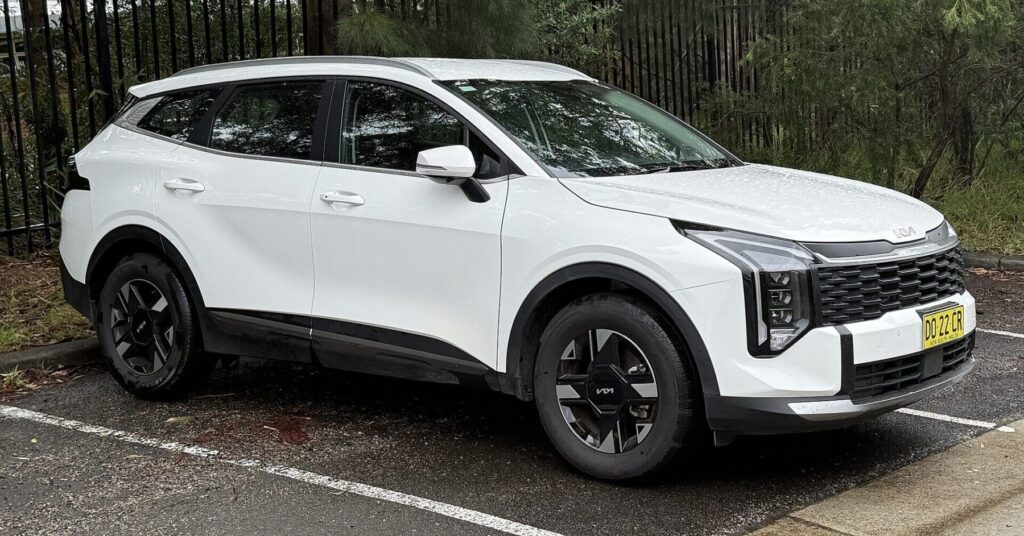
These models turned engine defects into a multi-million vehicle recall disaster.
The Sportage and Kona carry serious risks with their standard 2.0L engines. Faulty piston rings, connecting rods, and bearings cause excessive oil consumption, engine seizure, and catastrophic failure. Hundreds of thousands of 2021-2023 models face recalls and class-action lawsuits over these widespread engine problems.
Finding reliable replacement engines becomes nearly impossible due to failure volume. Once factory warranties expire, owners face potentially worthless vehicles and massive repair bills. For used car shoppers, these engine issues represent flashing warning signs rather than minor footnotes.
5. Nissan Rogue
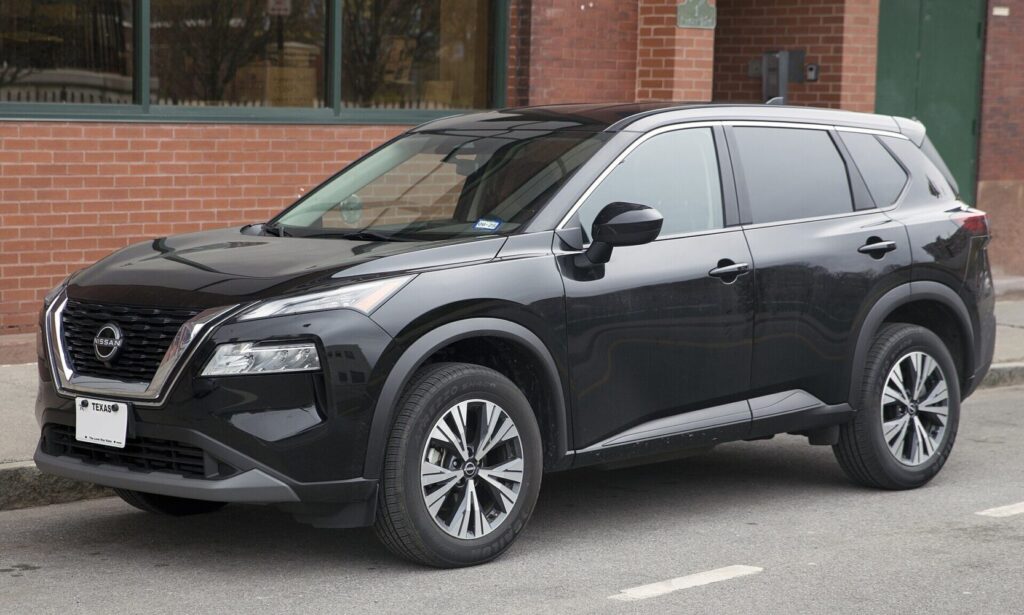
Nearly half a million vehicles recalled for bearing defects signal serious powertrain trouble ahead.
Defective bearings in the Rogue’s VC Turbo engine triggered massive recalls, warning potential buyers about powertrain failure risks. This comfortable ride can quickly become a costly headache when major components fail.
The Jatco continuously variable transmission compounds problems with poor quality and high failure rates. These CVTs often demand complete engine or transmission replacement, creating repair bills that exceed the vehicle’s resale value. Ownership beyond warranty becomes a gamble most drivers prefer avoiding.
4. Mitsubishi Outlander
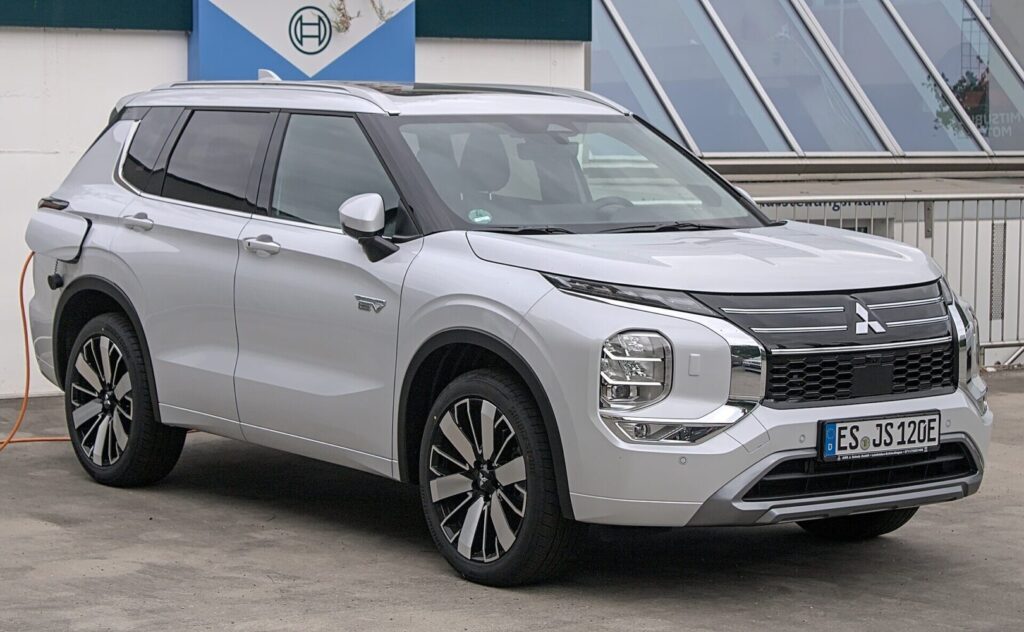
Platform sharing with the Rogue brings identical CVT problems plus dealer network headaches.
Sharing architecture with the Nissan Rogue, the Outlander carries similar powertrain risks, particularly its problematic Jatco CVT. This transmission’s questionable longevity makes every drive feel like a gamble.
Mitsubishi’s limited North American presence creates additional problems through subpar dealer networks, parts availability, and customer service. Any repair becomes a frustrating scavenger hunt. The CVT’s reputation for rough shifts and costly failures represents the weak link that ruins even scenic road trips.
3. Ford Explorer

EcoBoost engines transform family road trips into expensive mechanical nightmares.
Ford’s Explorer faces reliability challenges in its turbocharged four-cylinder EcoBoost variants. These engines suffer from coolant leaks, timing chain issues, and turbocharger failures, generating frequent recalls. Repairs often require complete engine or transmission replacement.
For families prioritizing dependability, persistent issues and complex repairs make the Explorer questionable for long-term ownership. A vehicle designed for family adventures becomes a rolling testament to Murphy’s Law—disappointing when you’re miles from qualified mechanics.
2. Volkswagen Jetta and Taos
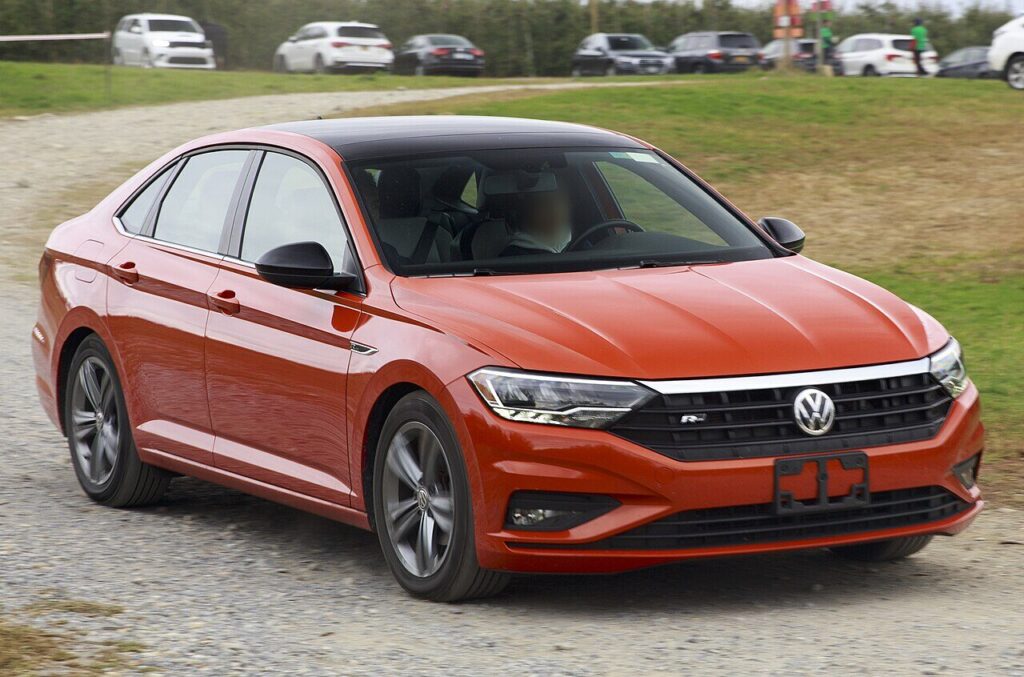
German engineering meets mainstream pricing with premium repair costs attached.
After six to seven years, these German offerings become expensive liabilities. Owners face oil leaks, coolant leaks, injector failures, turbocharger problems, and blown head gaskets. The shared 1.5L turbocharged four-cylinder demands repairs rivaling luxury brands despite mainstream positioning.
European driving dynamics at mainstream prices come with hidden reliability taxes. When planning road trips, these vehicles feel like ticking time bombs of expensive engine work—precisely what drivers don’t need for dependable transportation.
1. Stellantis Vehicles
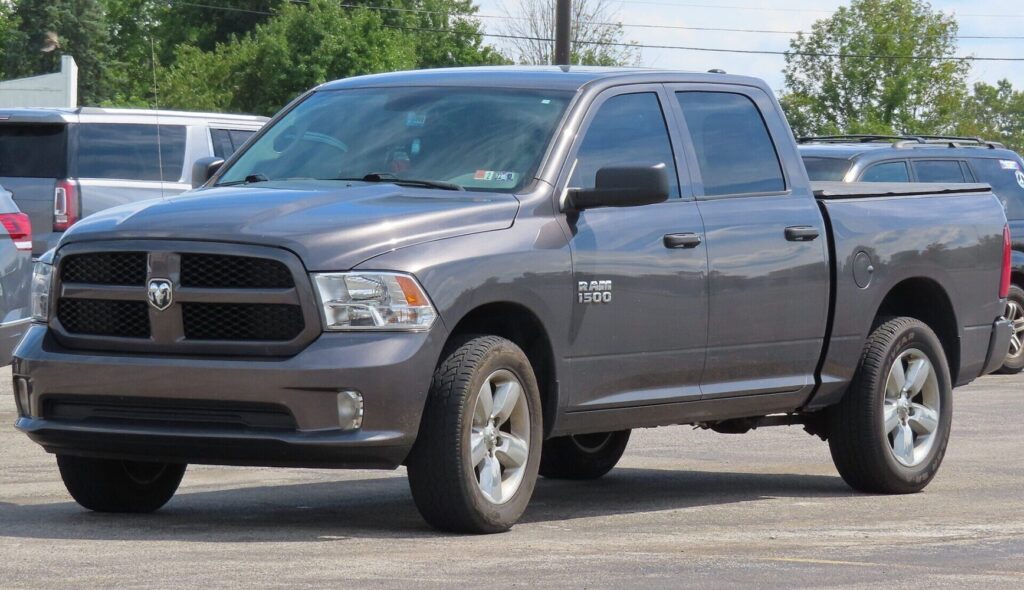
The corporate umbrella covering Dodge, Jeep, Chrysler, Fiat, Alfa Romeo, and Maserati brings universal reliability concerns.
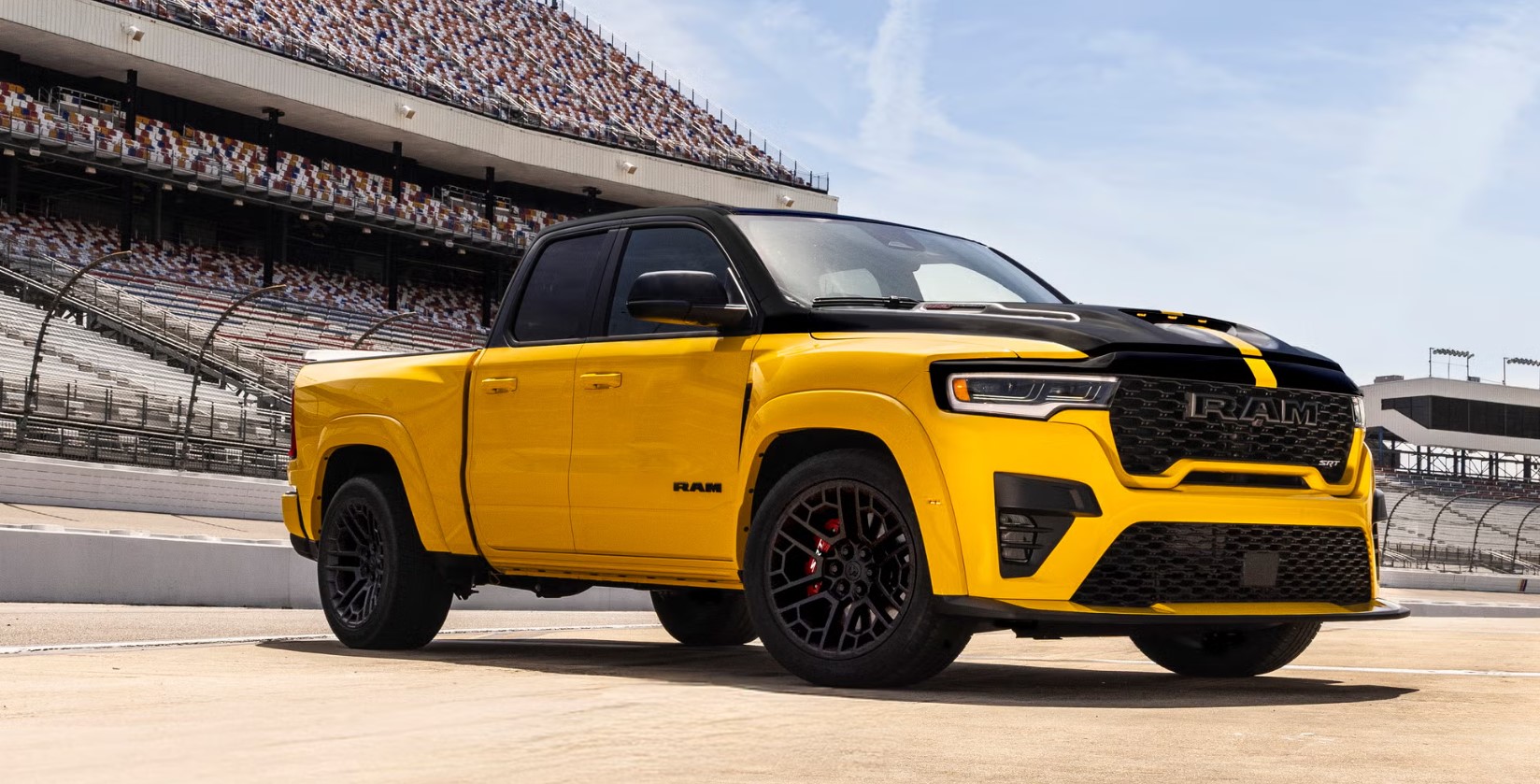
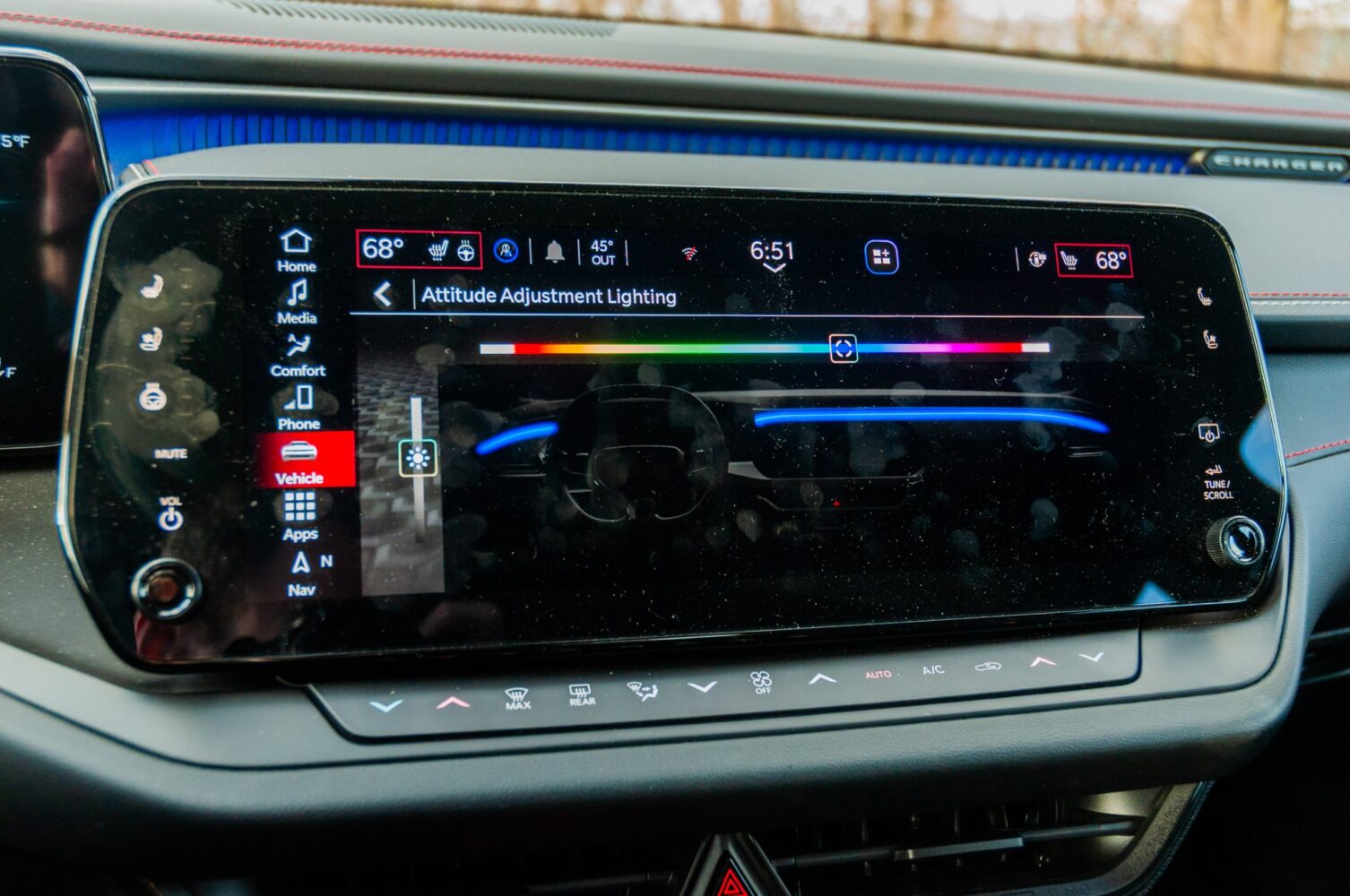
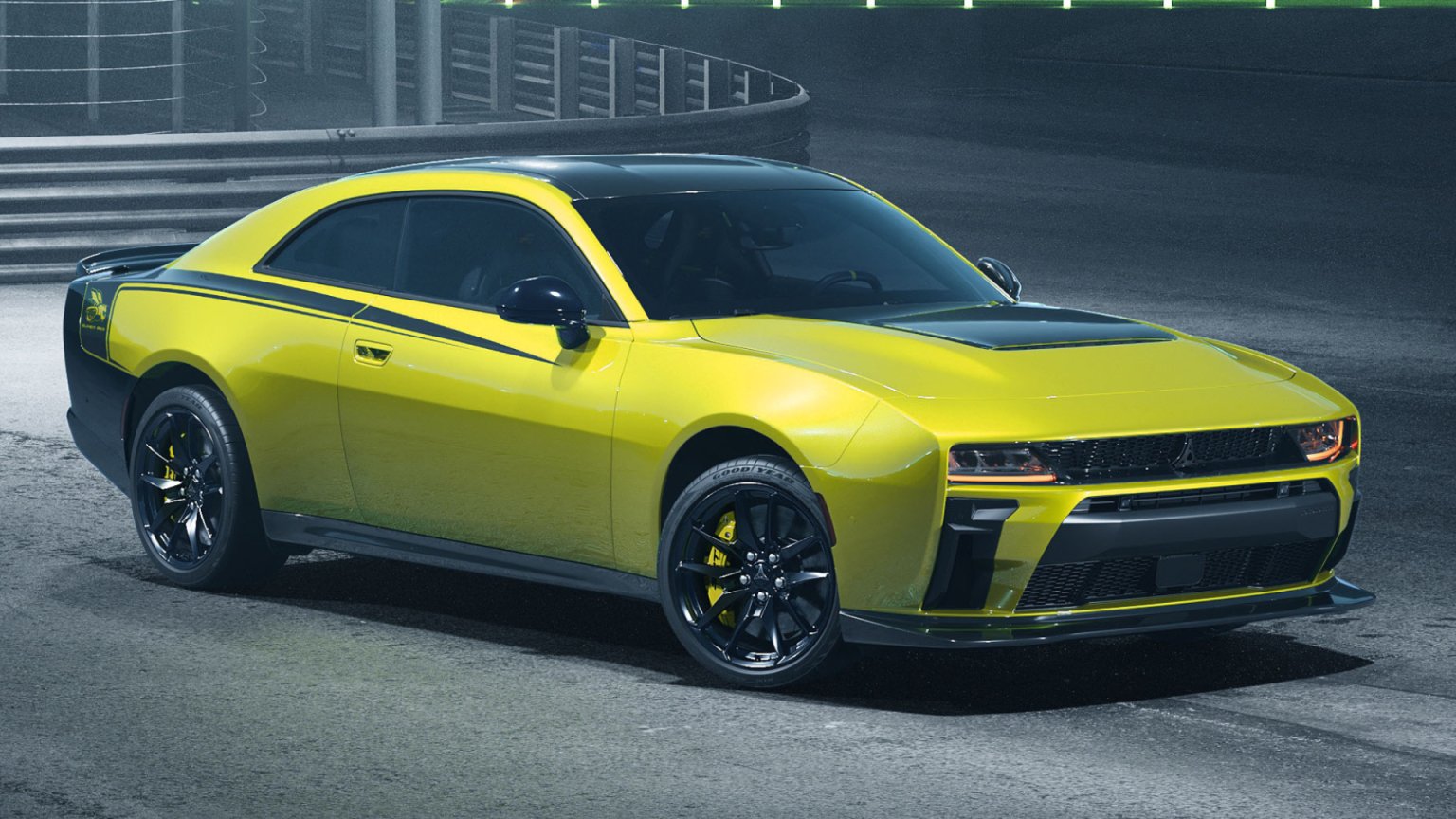
Across Stellantis brands, buying new vehicles feels like financial Russian roulette. Nearly every model carries reliability shadows, from Dodge Ram trucks to Fiat 500 city cars. Widespread quality concerns and frequent recalls have become standard features rather than exceptions.
Stellantis history reads like automotive repair shop cautionary tales. Persistent build quality issues and poor customer service suggest avoiding this entire conglomerate benefits anyone valuing predictable journeys and quiet mechanics.