

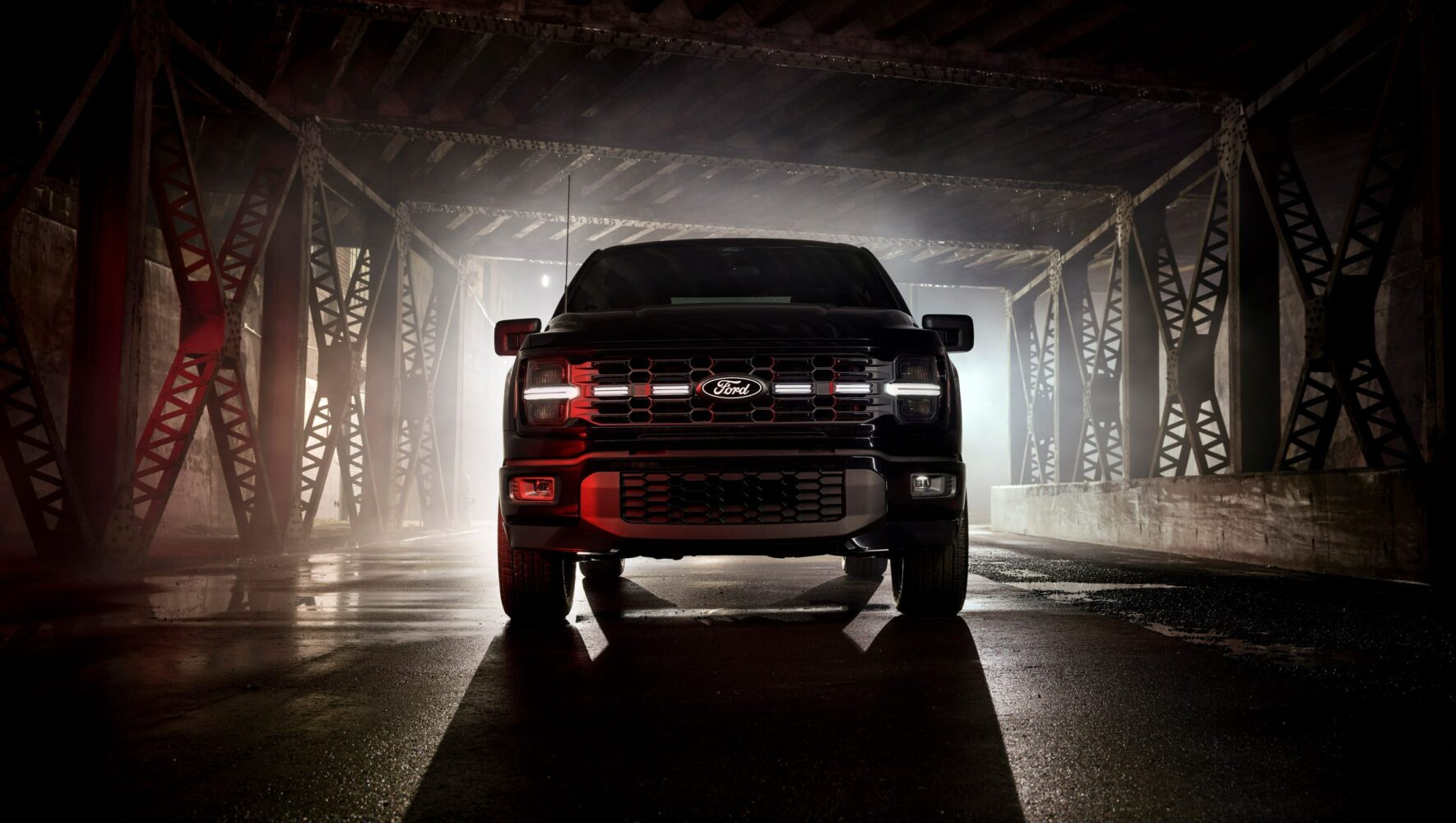
The F-150 Lightning‘s discontinuation left performance truck buyers searching for alternatives, but Ford’s new supercharger kit delivers the gas-powered answer. The 2026 F-150 Lobo now accepts a factory-backed Whipple supercharger that transforms output from a respectable 400 horsepower to a tire-shredding 700 horses and 590 pound-feet of torque.
Premium Power Comes at Premium Prices
The $10,250 kit delivers 75% more horsepower but demands 91-octane fuel forever.
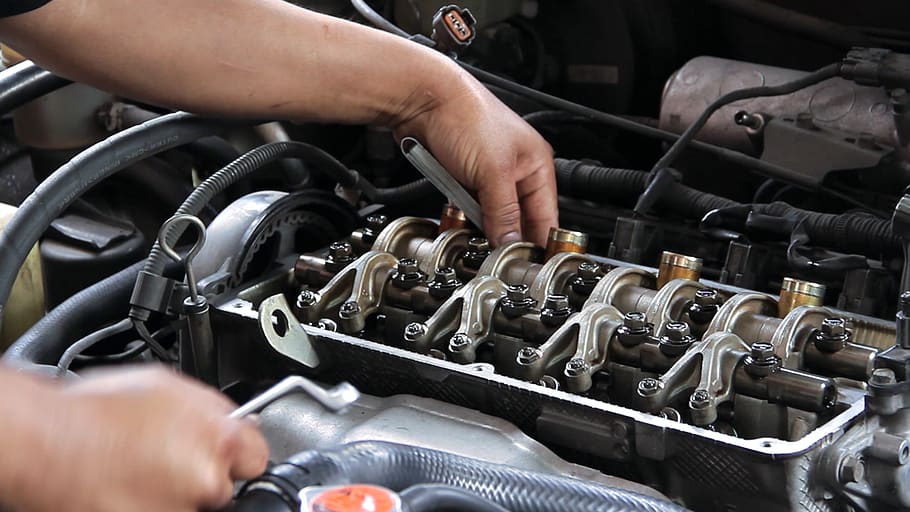
Ford Performance’s Gen 6 3.0-liter Whipple supercharger represents serious engineering over marketing theater. The twin-screw setup includes a dual-pass intercooler and Ford’s exclusive calibration software, transforming daily drivers into stoplight sports car embarrassers.
Professional installation through Ford dealers or ASE-certified technicians ensures the three-year, 36,000-mile warranty provides genuine protection. That premium fuel requirement isn’t negotiable—91 octane minimum, though Ford recommends 93 for peak reliability.
The 300-horsepower gain positions this upgrade competitively against aftermarket alternatives. At roughly $34 per total horsepower delivered, buyers receive factory-backed reliability that sketchy third-party modifications can’t match.
California Dreaming Gets Roadblocked
Emissions certification gaps leave the nation’s largest truck market empty-handed.
Regulatory reality complicates Ford’s performance plan: the 2026 kit lacks California Air Resources Board certification, blocking sales throughout the Golden State. Previous model years (2021-2025) earned 50-state approval, suggesting this gap represents temporary certification delays rather than permanent restrictions.
West Coast buyers face frustrating waits or must consider alternatives like Roush’s 2021-2025 competing kit producing 705 horsepower. This restriction highlights ongoing tensions between performance enthusiasts and emissions regulators—a dance growing increasingly complex nationwide.
Street Truck Credibility Finally Arrives
The Lobo’s aggressive styling now matches its mechanical capability.
Ford’s timing appears strategic. With Lightning discontinuation creating a performance vacuum, the supercharged Lobo emerges as the brand’s gasoline-powered flagship truck. The street-oriented variant’s lowered suspension and cowl hood complement the supercharger’s character perfectly—this isn’t a farm truck pretending to be fast.
Both 4×2 and 4×4 configurations accept the upgrade, though vehicles with Pro Power Onboard require additional compatibility components. Premium fuel costs will impact long-term ownership expenses, but serious performance buyers typically accept such trade-offs for factory-backed reliability and warranty protection.