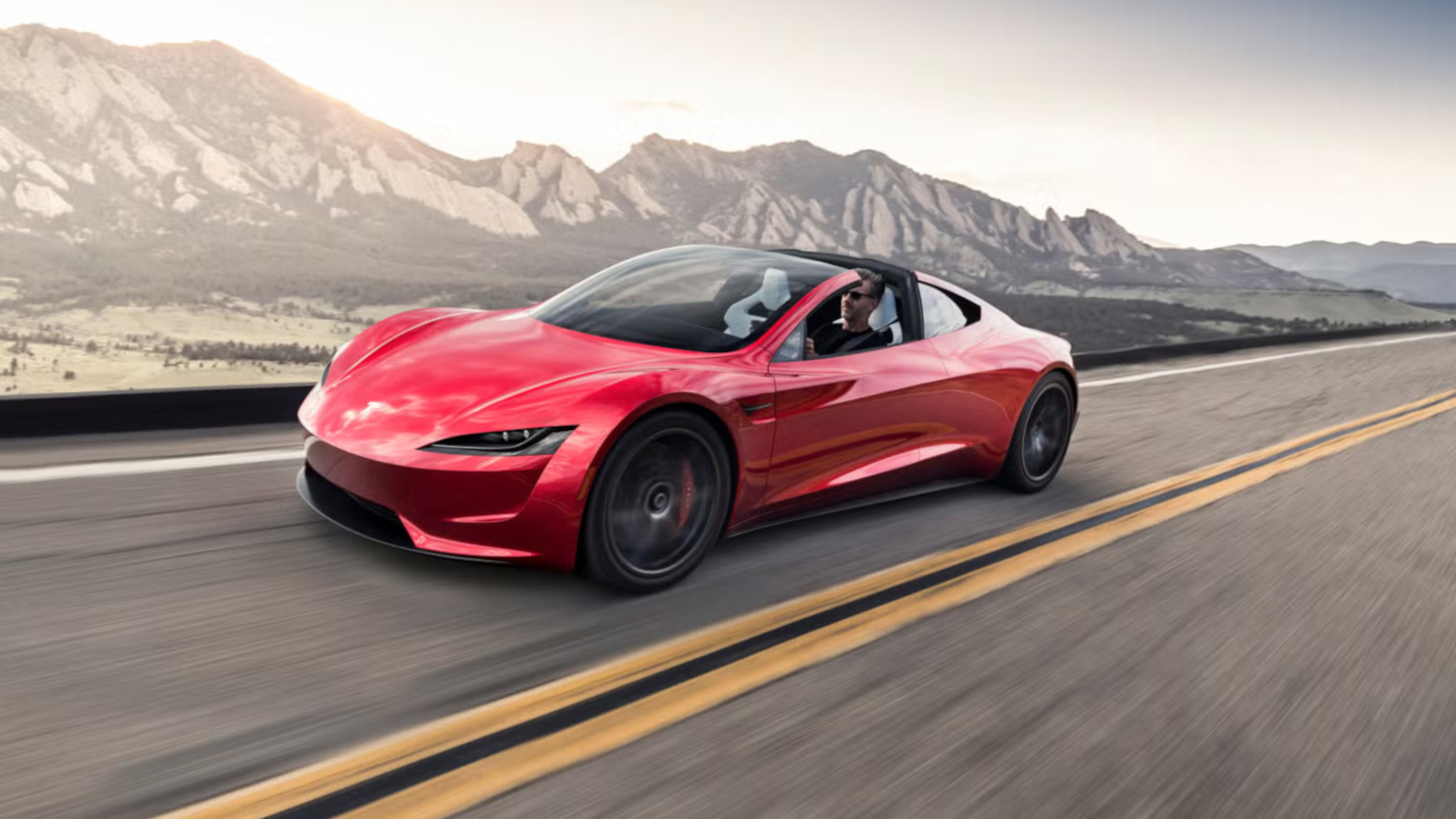


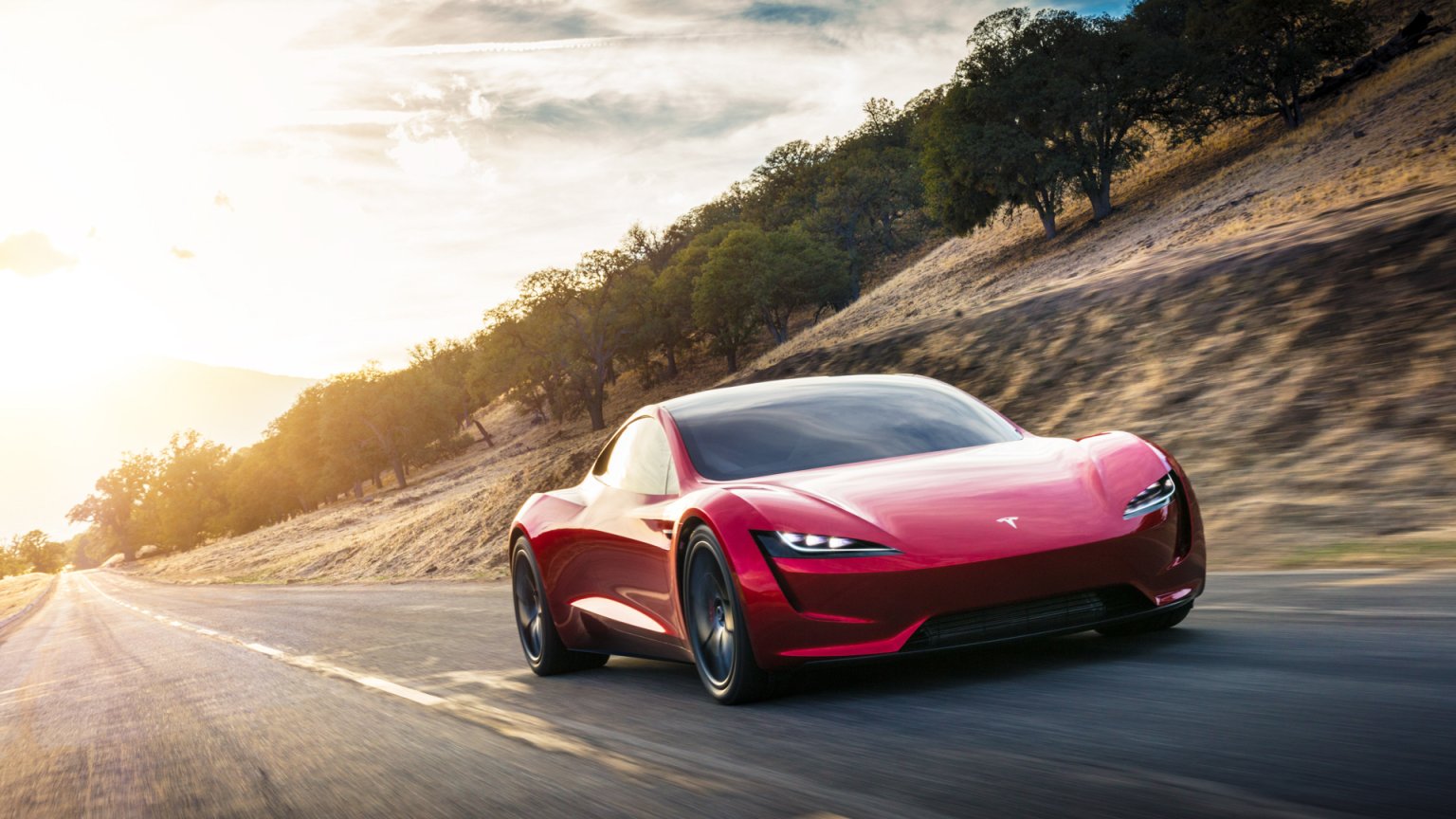
Elon Musk just declared the Tesla Roadster dead on arrival—not as a car, but as a philosophy. During Tesla’s latest earnings call, the CEO announced that the long-awaited sports car will be the company’s only manually driven vehicle in the long run, as everything else shifts to autonomous operation across different vehicle sizes.
The Final Manual Transmission
Tesla positions human driving as a historical curiosity rather than a practical necessity.
The Roadster, first unveiled in 2017 and delayed repeatedly since, now carries symbolic weight beyond its SpaceX thruster integration. Musk doubled down on this vision during a recent Moonshots podcast appearance, calling it “the best of the last of the human-driven cars.”
Unlike Tesla’s safety-focused autonomous fleet, the Roadster prioritizes pure performance—comparing it to Ferrari’s approach, where driving experience trumps collision avoidance. This represents a fascinating philosophical split within Tesla’s own lineup.
Tesla has spent years positioning Full Self-Driving as the future of transportation, with manual operation becoming what the company calls “a story you tell your kids.” The Roadster essentially becomes automotive nostalgia in real-time, preserving a driving experience that Tesla views as increasingly obsolete.
Performance Over Practicality
SpaceX thrusters and Ferrari-inspired design signal the Roadster’s unique mission.
Musk’s timeline remains characteristically optimistic—promising a debut “in a month or so” with full production hoped for before year-end. The vehicle’s SpaceX-inspired thruster system isn’t just a marketing flourish; it represents Tesla’s commitment to making this final manual car something genuinely special.
Think of it like vinyl records in the streaming era—deliberately analog in a digital world. The Roadster becomes both farewell letter and museum piece for driving enthusiasts.
Industry Implications
Tesla’s split strategy reveals broader tensions in automotive autonomy adoption.
This announcement illuminates Tesla’s broader strategy challenge. While competitors like Ford and GM hedge their autonomous bets with continued manual options, Tesla is betting everything on AI-driven transportation—except for this one rebellious sports car.
The Roadster becomes both farewell letter and museum piece, preserving the driving experience for enthusiasts while Tesla’s real business moves to robotaxis and autonomous delivery. Whether this gambit succeeds depends on Tesla delivering both the Roadster’s promised performance and the autonomous fleet’s reliability.
For now, manual driving gets one final, thruster-powered victory lap.