

The automotive landscape keeps pushing turbocharged four-cylinders and electric alternatives, but nothing replaces that primal satisfaction of eight cylinders firing in perfect sequence. That deep rumble transforms grocery runs into theatrical performances, making you the star of your own automotive documentary. Today’s new car lots demand mortgage-level payments for V8 thrills, but the used market tells a different story entirely.
5. C4 Corvettes (1984-1996) (Exterior)
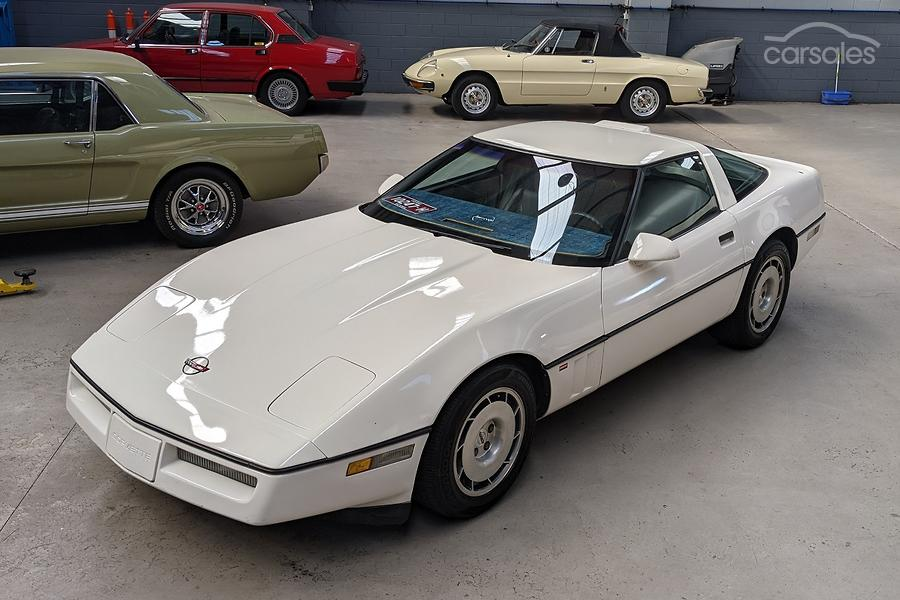
The C4’s angular wedge shape divides opinion like pineapple on pizza, but those dramatic lines have aged into distinctive character that stands apart from today’s organic shapes. Pop-up headlights add theater to the driving experience, while the removable targa top provides structural integrity with convertible versatility. Late models feature cleaner bumper integration and more cohesive styling details.
Market prices span $8,000-$16,000 for solid examples, with pristine low-mileage cars reaching $20,000+. Fiberglass body panels resist rust but can crack from impacts, requiring expensive specialist repairs that can cost $1,500-$3,000 per panel.
C4 Corvettes (1984-1996) (Interior)
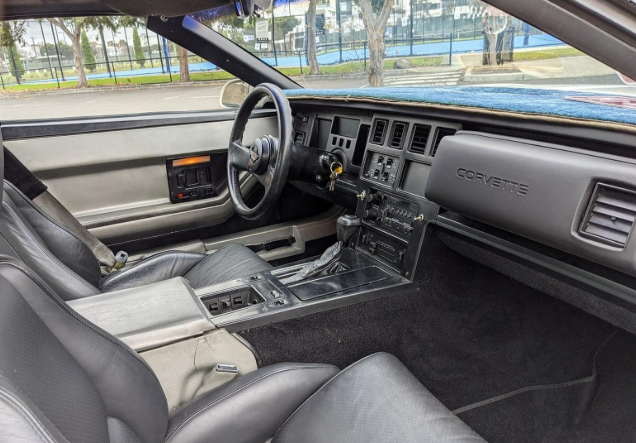
Early digital dashboards look like something from a 1980s sci-fi movie—fascinatingly retro but prone to complete failure without warning. Later analog clusters prove more reliable while maintaining the futuristic aesthetic. Seat quality varies dramatically by year, with later models offering significantly better support and materials than early examples.
Plan $1,000−$1,400 annually for routine maintenance, though electrical gremlins can double that figure unexpectedly. The electronic systems require specialized diagnostic equipment, making independent shop visits costly—budget extra for a trusted Corvette specialist’s hourly rates.
4. First-Gen Chrysler 300C (2005-2010) (Exterior)
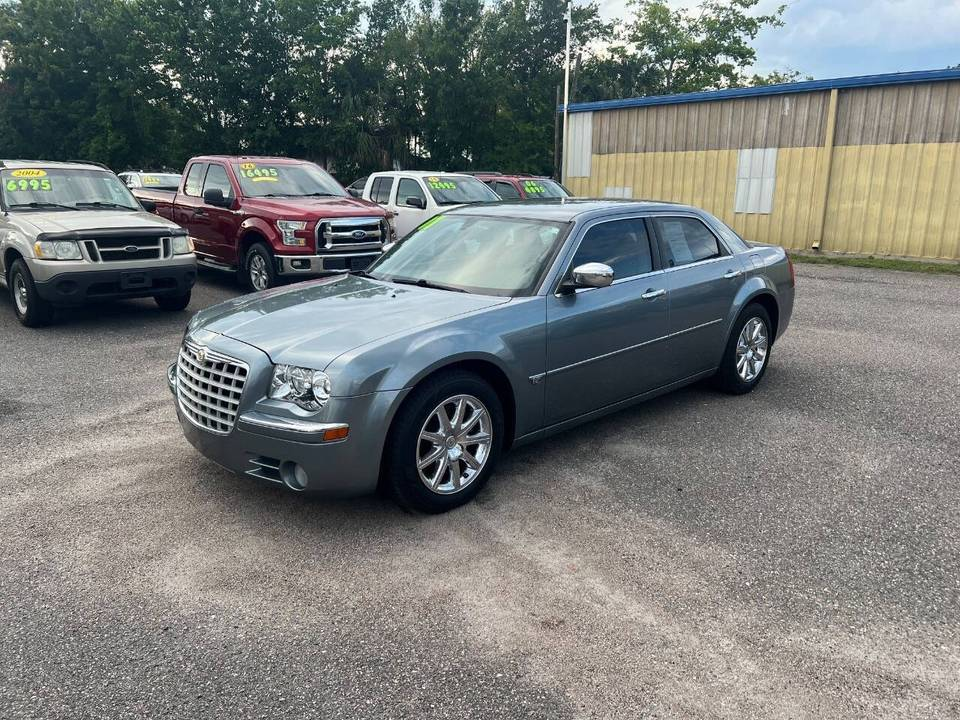
Chrysler’s designers created a rolling statement piece that channels classic American luxury with contemporary aggression—think 1960s Imperial reborn for the 21st century. The massive chrome grille dominates the front end like automotive jewelry, while clean flanks and a formal roofline project executive presence. These cars still command respect at valet stands despite their age.
Expect to pay $6,000-$14,000 for decent examples, with low-mileage specimens approaching $18,000. Paint fade and chrome pitting are common issues that can add $2,000-$3,000 in restoration costs to maintain that executive appearance.
First-Gen Chrysler 300C (2005-2010) (Interior)
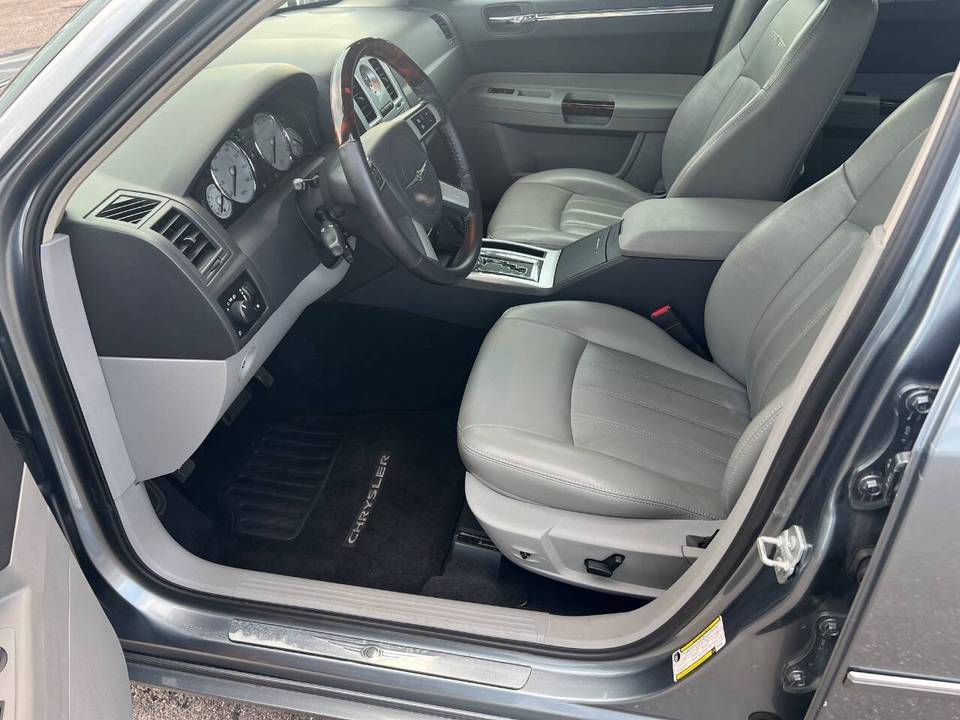
The cabin delivers genuine luxury materials that shame many modern interiors—soft leather, real wood trim, and switchgear that operates with satisfying precision. Seats provide excellent long-distance comfort with heating and cooling options in higher trims. The infotainment system feels dated but remains functional, unlike many period competitors.
Annual maintenance runs $1,200−$1,800 including premium fuel requirements, with the Hemi engine demanding high-quality oil changes every 5,000 miles. Electrical issues and HVAC repairs can add unexpected $500−$1,000 bills, making a maintenance fund essential.
3. Fourth-Gen F-Body Camaros (1993-2002) (Exterior)
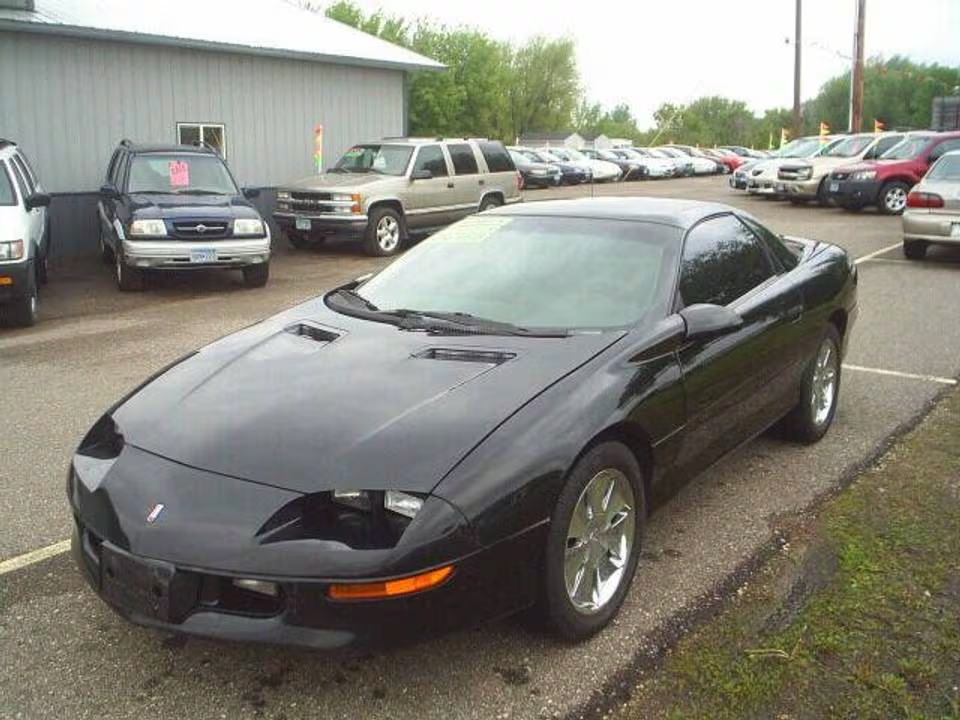
These low-slung predators crouch like they’re ready to pounce, with bodywork that flows from nose to tail in one continuous aggressive sweep. The ’98 facelift brought cleaner headlights and tighter panel gaps, transforming good looks into genuinely striking presence. T-top models add visual drama with their removable roof panels, though they compromise structural rigidity slightly.
Current market prices range $5,000-$10,000 depending on engine and condition, with LS1 models commanding premium pricing. Winter storage is crucial—these cars rust aggressively in harsh climates, particularly around rear wheel wells.
Fourth-Gen F-Body Camaros (1993-2002) (Interior)
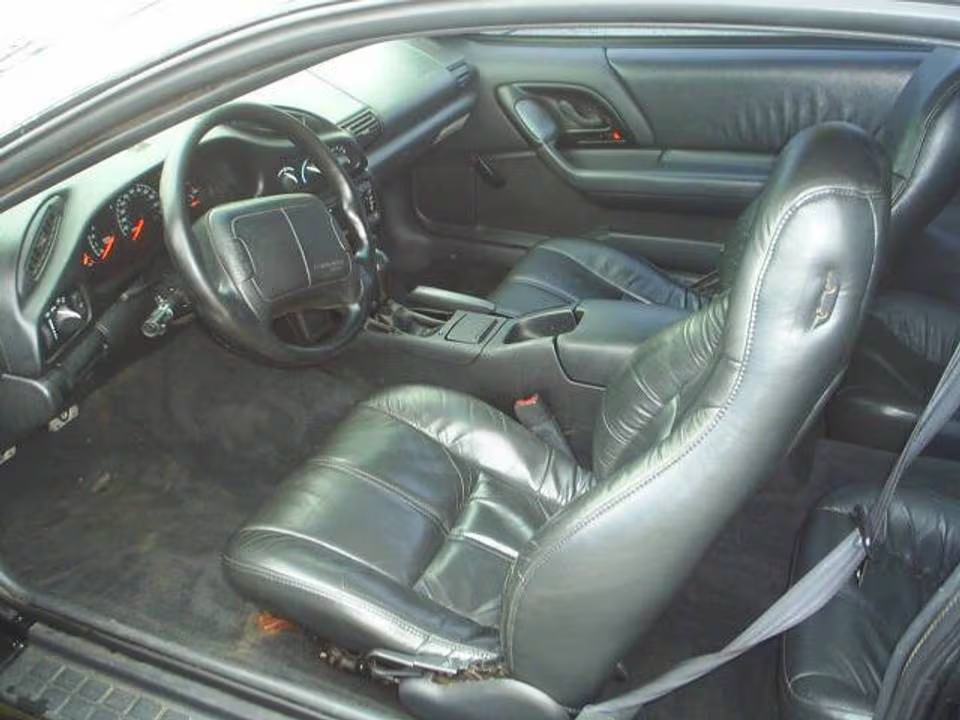
The cockpit wraps around the driver like a fighter jet, emphasizing the performance mission over comfort considerations. Early models feature hard plastics that feel cheaper than they should, while later examples improved materials quality marginally. The gauge cluster provides essential information clearly, though digital displays can fail unpredictably after 20+ years.
Budget $1,000-$1,500 annually including oil changes, transmission service, and cooling system maintenance. The Optispark ignition system on LT1 engines requires expensive replacement every 100,000 miles, adding $800-$1,200 to ownership costs.
2. SN95 and New Edge Mustang GTs (1994-2004) (Exterior)
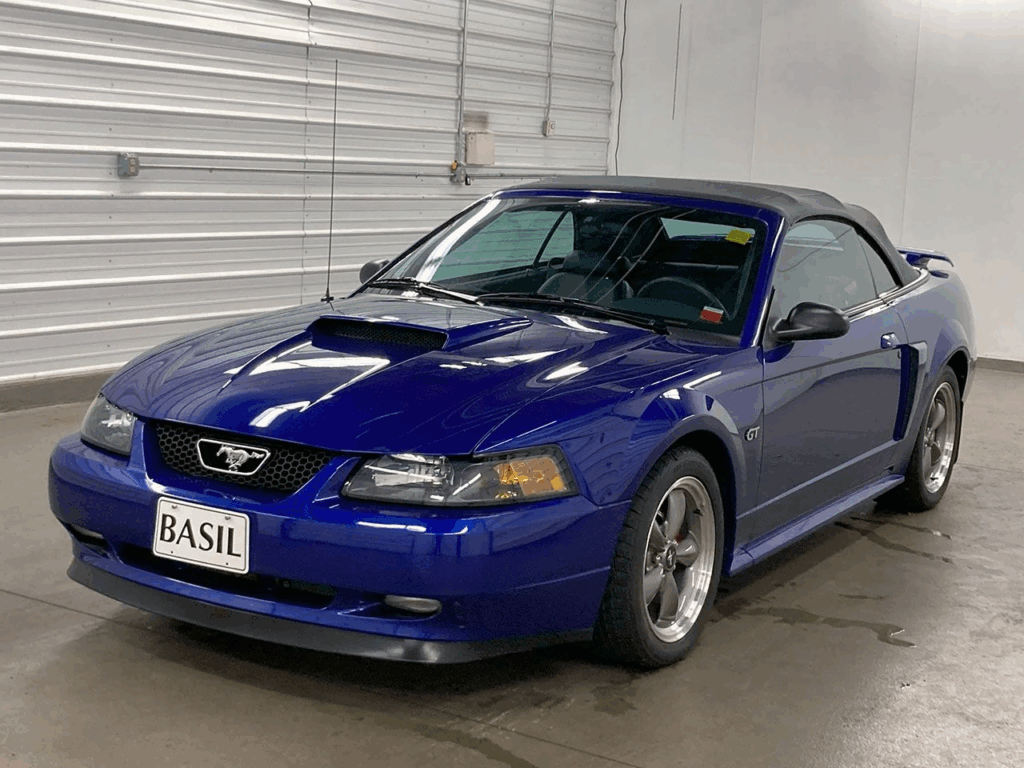
Ford’s SN95 styling represents that transitional ’90s aesthetic that’s aging surprisingly well—angular enough to look purposeful, rounded enough to avoid looking dated. The New Edge refresh sharpened everything into a more aggressive stance that still turns heads today. Both generations wear their blue-collar heritage proudly with honest proportions that scream American muscle without apology.
Clean examples hover around $6,000−$9,000 in today’s inflated market, with winter finds dropping to $4,500. Rust creeps up quickly on these cars, particularly around wheel wells and quarter panels in salt states.
SN95 and New Edge Mustang GTs (1994-2004) (Interior)
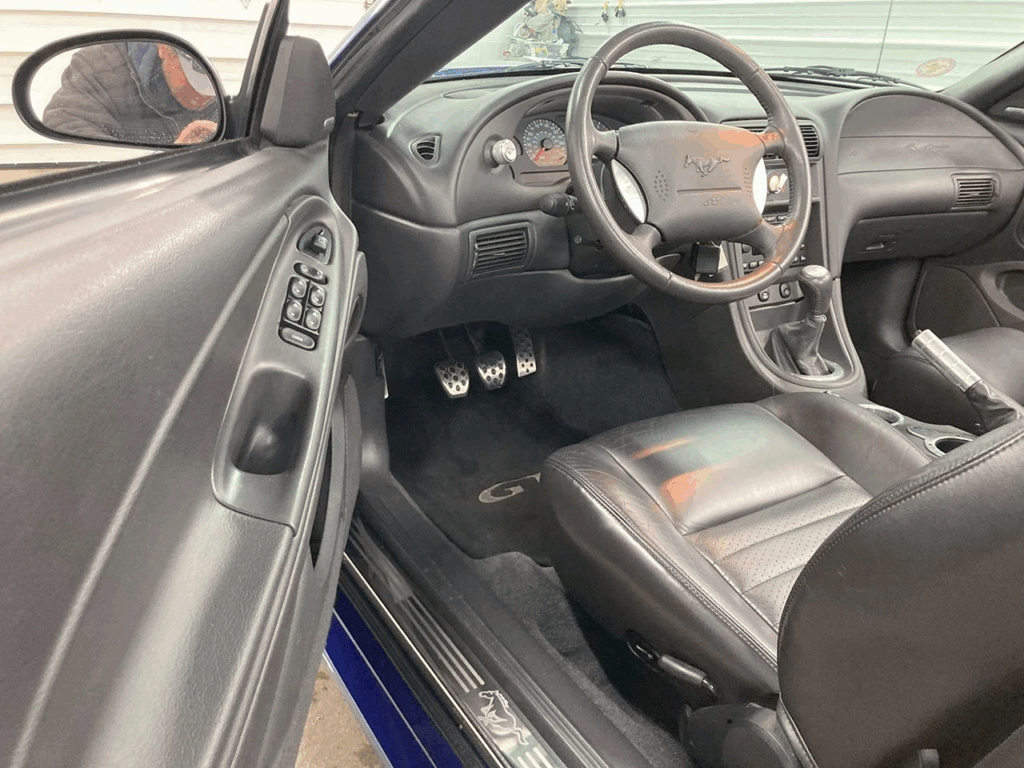
The cabin materials won’t win luxury awards, but they’re honest and functional—think sturdy work boots rather than Italian loafers. SN95 interiors feature that distinctive ’90s Ford aesthetic with gray plastics that actually hold up well over time. New Edge models upgraded to more modern switchgear and better seat materials, though both generations suffer from creaky door panels and worn driver’s seat bolsters.
Expect $800−$1,200 annually for basic maintenance including oil changes, brake pads, and the inevitable window regulator repairs. The manual transmission models are significantly more reliable than automatics.
1. Chevy Caprice PPV (Exterior)
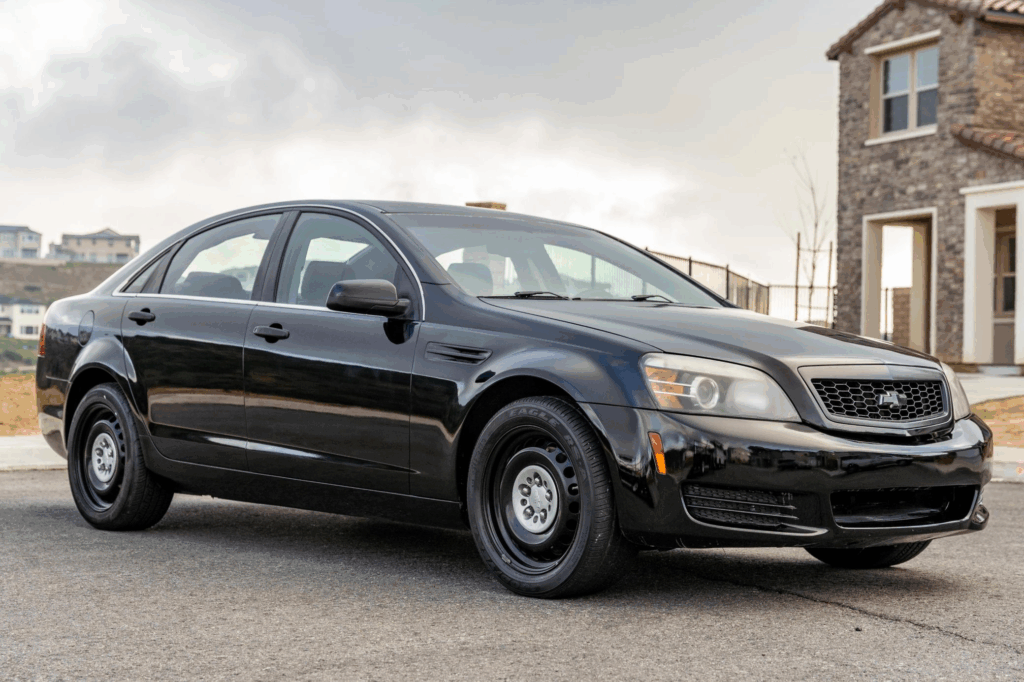
Government fleet styling means purposeful anonymity—clean lines that telegraph authority without flashiness, like a well-tailored suit in charcoal gray. The Australian Holden bones show through in the proportions, with a long hood and short deck that hint at rear-wheel-drive performance. Police package elements like spotlights and push bars can remain for intimidation factor.
Prices range $6,000−$15,000 depending on mileage and condition, with ex-fleet vehicles often showing cosmetic wear but mechanical soundness. Paint correction and interior detailing can add $1,000−$2,000 to restore civilian-appropriate appearance from fleet duty.
Chevy Caprice PPV (Interior)
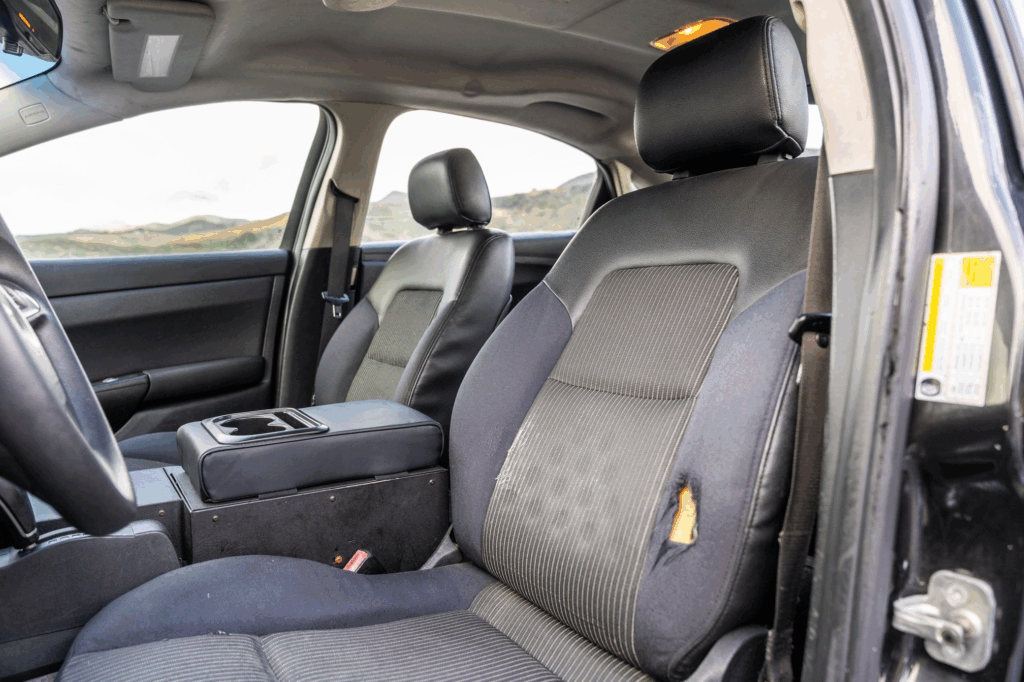
The cabin prioritizes function over form with durable materials designed for 24/7 professional use—think office furniture rather than luxury lounge. Seats provide excellent support for long shifts, though rear accommodations suffer from police partition modifications. Controls are logically arranged and built to withstand constant use and abuse.
Maintenance costs run $900−$1,300 annually thanks to robust construction and shared GM parts availability. However, specialized police equipment removal and Australian-market components can create unexpected $400−$800 repair bills when non-standard parts fail.