

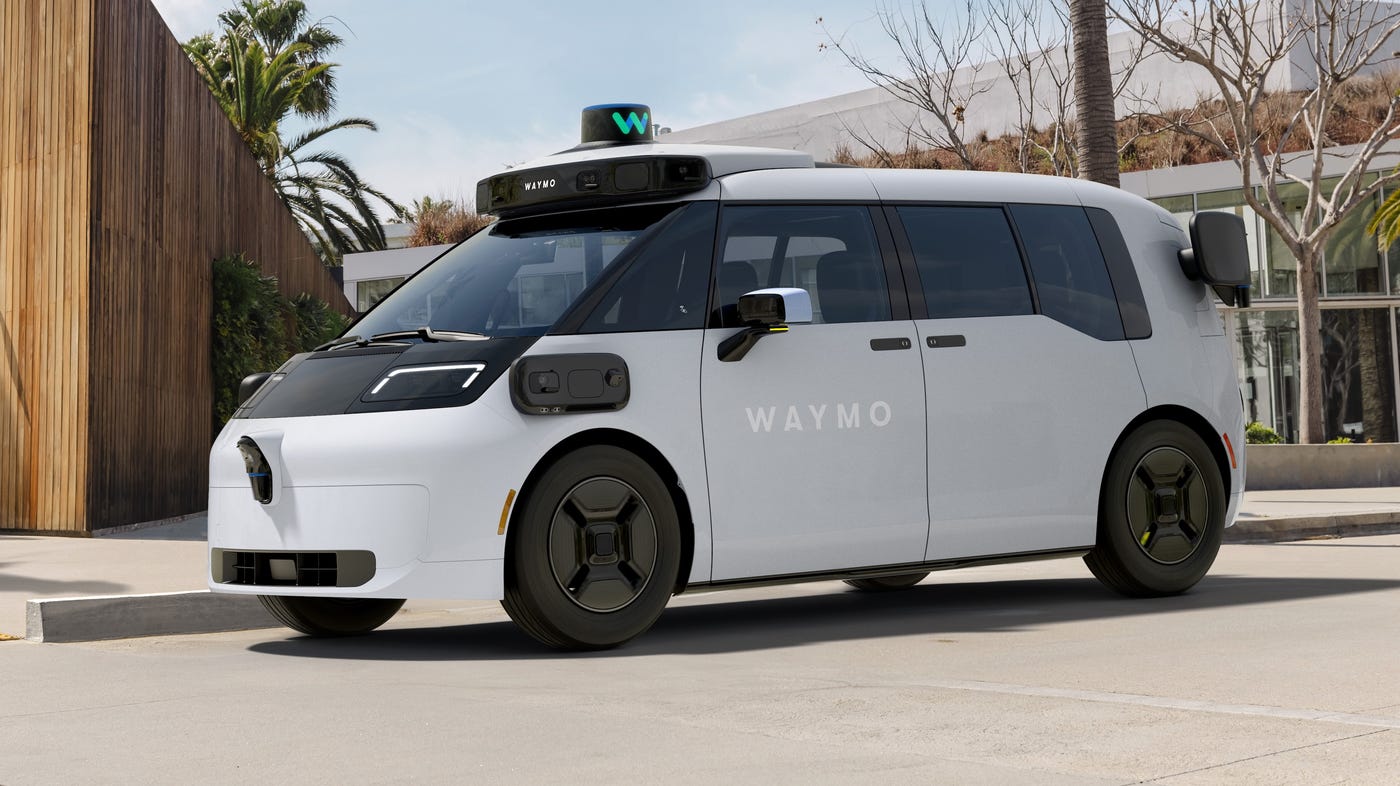
Urban road crews face an impossible task: monitoring thousands of miles of pavement with limited budgets and personnel. A potential solution emerges from an unexpected source as autonomous vehicle technology reportedly offers cities continuous infrastructure monitoring through existing commercial operations.
How Sensor Data Could Become City Intelligence
Advanced vehicle sensors may transform routine transportation into automated road inspection systems.
The concept leverages existing LiDAR and camera systems already scanning road surfaces for safe navigation. When sensors detect surface irregularities—cracks, potholes, or pavement damage—the data could be processed and formatted into actionable reports for municipal crews. Unlike crowdsourced apps requiring manual driver input, such systems would operate automatically during every ride.
Processed data could integrate into municipal reporting systems, potentially providing cities with:
- Precise GPS coordinates
- Damage severity assessments
- Photographic evidence
This eliminates the need for deploying dedicated inspection vehicles. This approach represents a shift from reactive maintenance to proactive infrastructure management.
Municipal Maintenance Seeks Smarter Solutions
Cash-strapped cities explore real-time infrastructure monitoring without additional personnel or equipment costs.
Traditional road inspection requires dedicated crews driving predetermined routes on fixed schedules. Automated monitoring could provide continuous coverage across entire service areas, identifying problems before they become expensive repairs. Road maintenance budgets remain tight nationwide, making proactive identification crucial for extending pavement life and preventing costly emergency repairs.
Cities benefit from data collection capabilities they couldn’t otherwise afford. The approach represents practical infrastructure improvement without direct taxpayer investment—valuable information generated as a byproduct of commercial transportation services already operating in neighborhoods.
Such partnerships could transform how municipalities approach infrastructure maintenance, turning every autonomous vehicle into a potential road quality inspector while reducing long-term repair costs through early detection.