

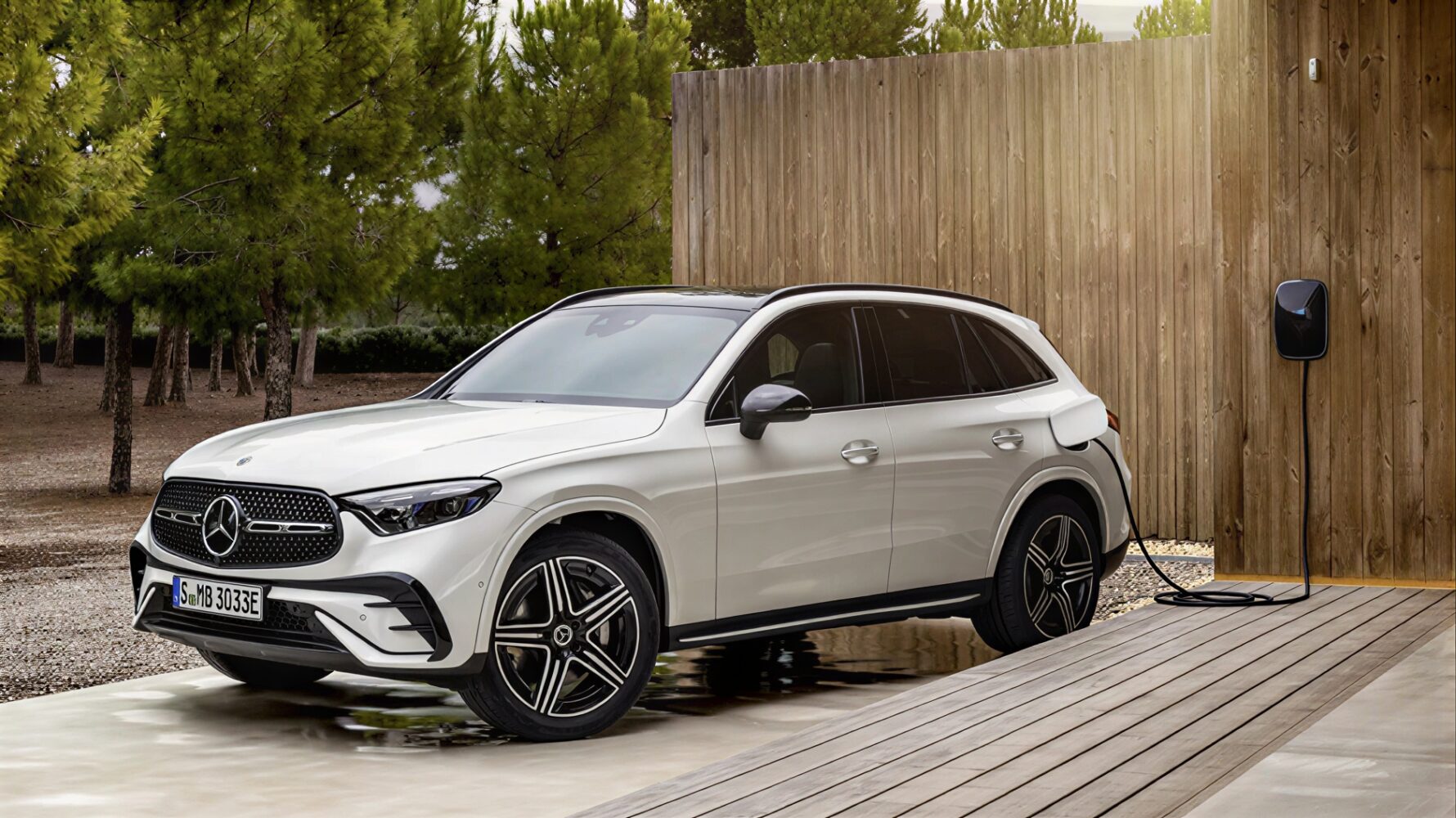
Scott Maynard doesn’t mince words about plug-in hybrids. The Polestar Australia managing director recently torched PHEVs as “the worst of both worlds,” attacking the technology that automakers have pushed as the perfect bridge between petrol and electric. While PHEV sales surge across Australia—with models like the Mitsubishi Outlander and BYD Shark 6 flying off lots—Maynard argues the complexity and weight of dual powertrains creates more problems than solutions. His blunt assessment cuts through industry marketing speak that positions PHEVs as having zero emissions and lower running costs.
Data Reveals Charging Reality Gap
German study shows most PHEV owners rarely plug in, undermining environmental benefits.
Maynard’s criticism gains credibility from hard data. A Fraunhofer Institute study tracking one million German PHEVs found grid power accounted for less than 33% of their energy use, meaning most vehicles rarely or never get charged. The charging gap varies dramatically by brand:
- Toyota owners managed 44% electric operation
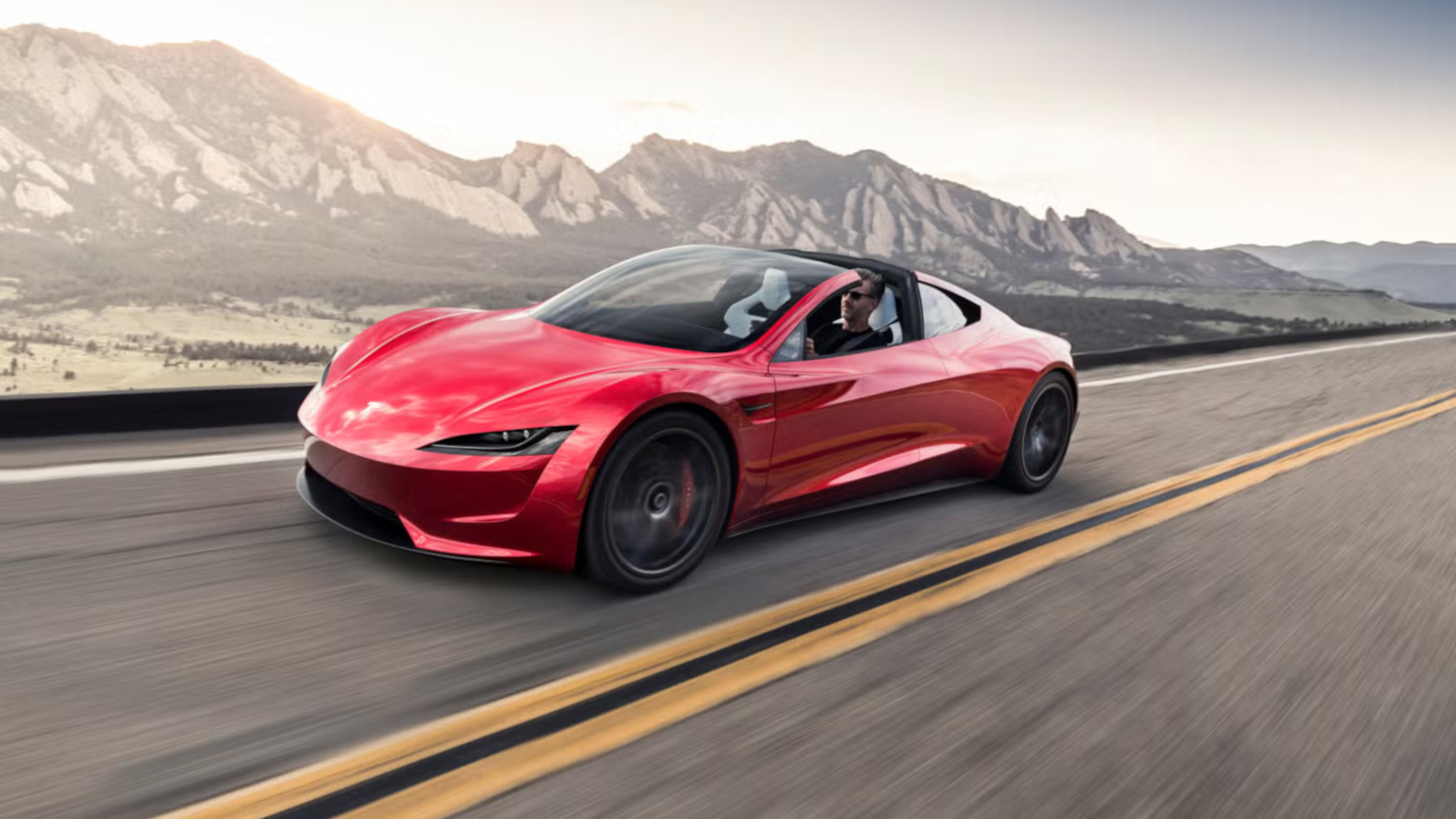
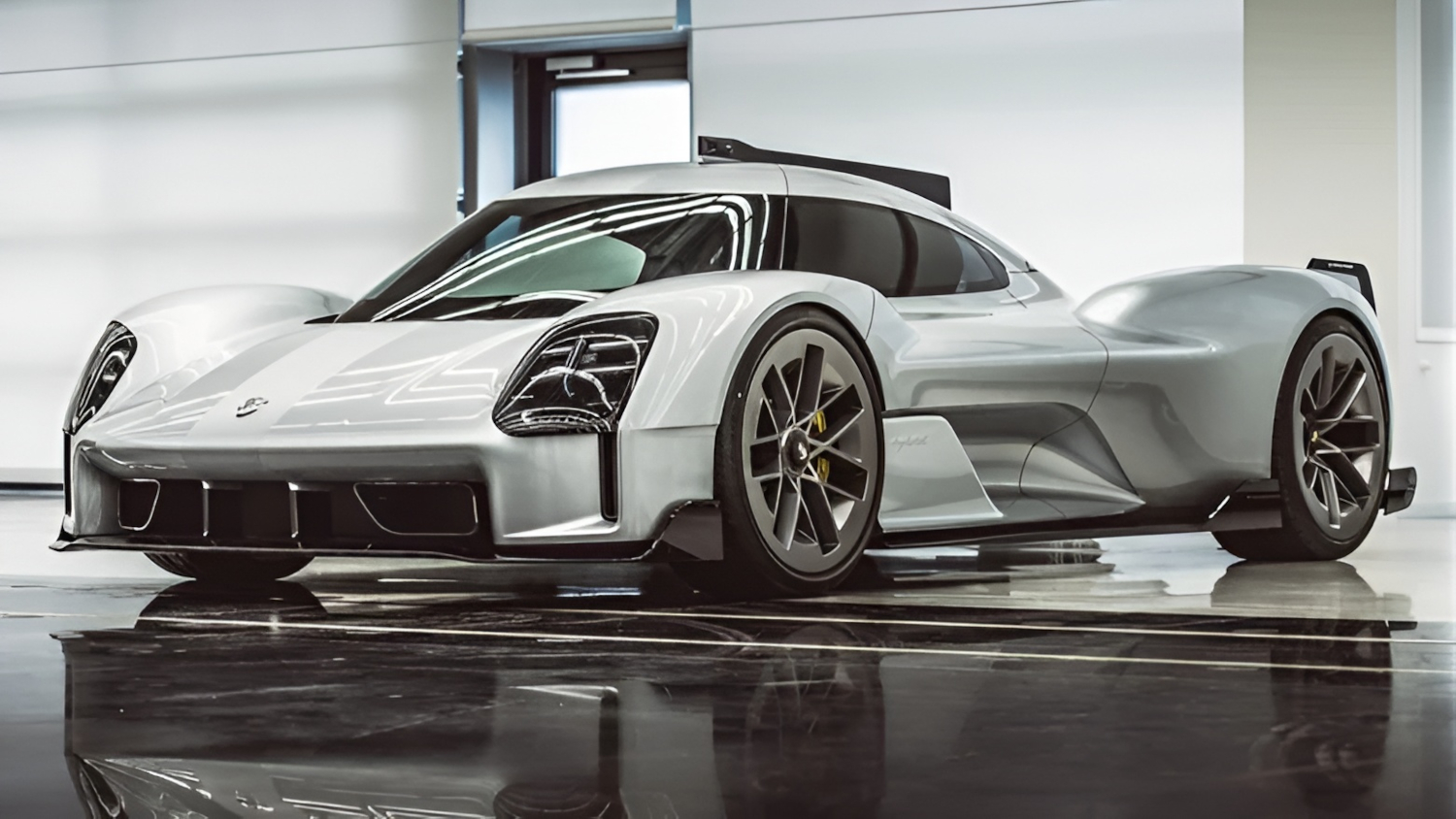
- Porsche PHEV drivers hit just 0.8% over two years
This defeats the core promise of plug-in hybrids—that drivers will regularly charge for short electric-only trips while keeping petrol backup for longer journeys.
Reliability Concerns Mount
Consumer Reports ranks PHEVs as least reliable vehicles, citing dual-system complexity.
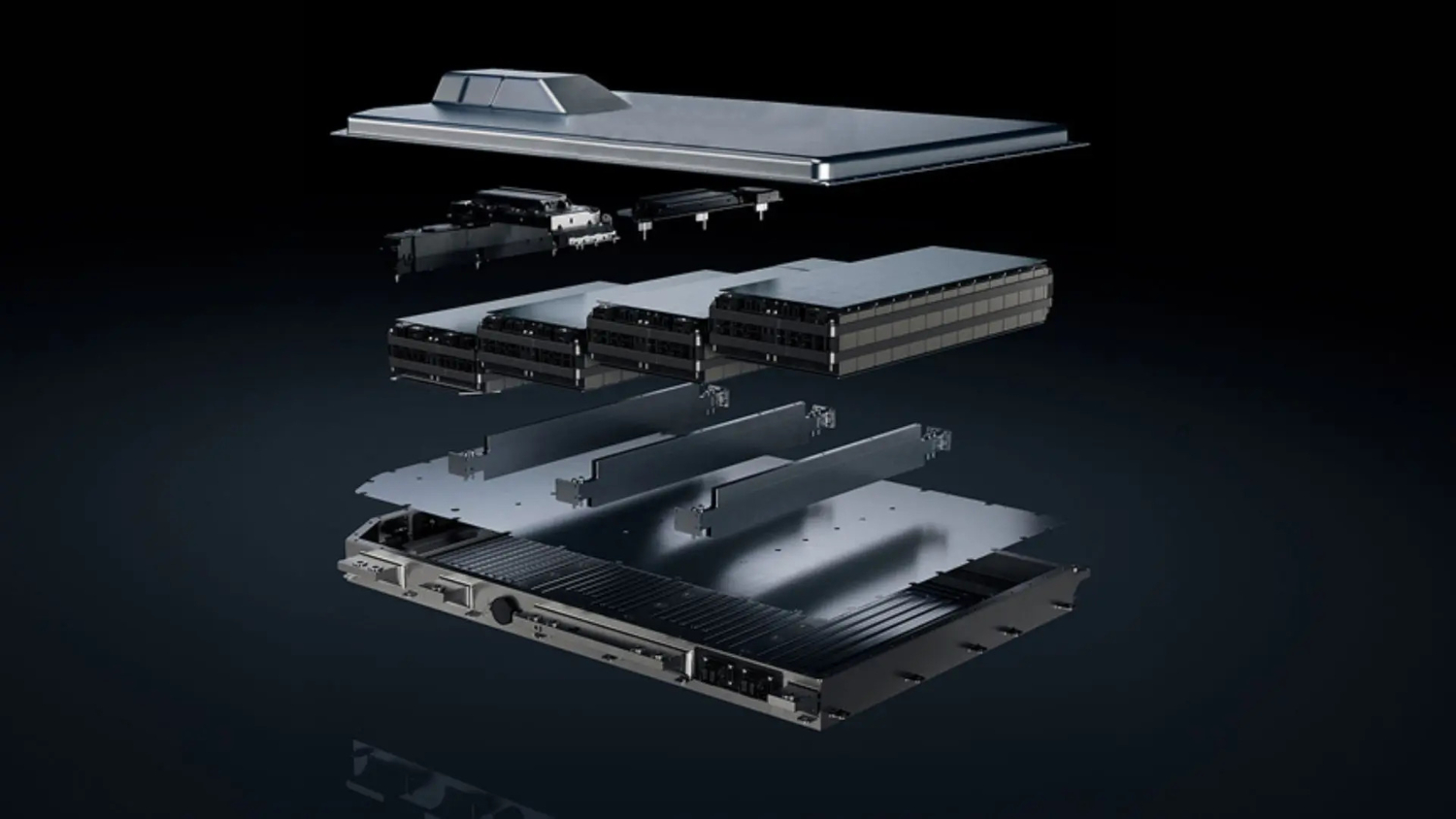
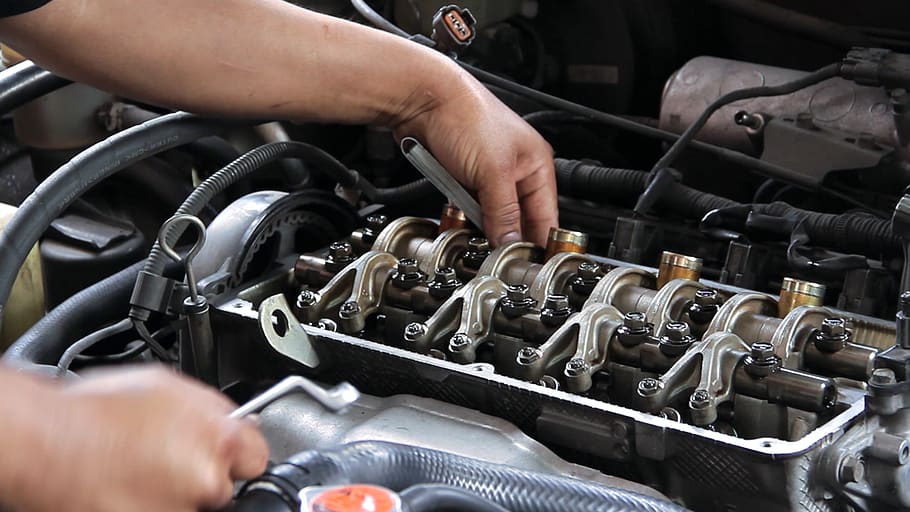
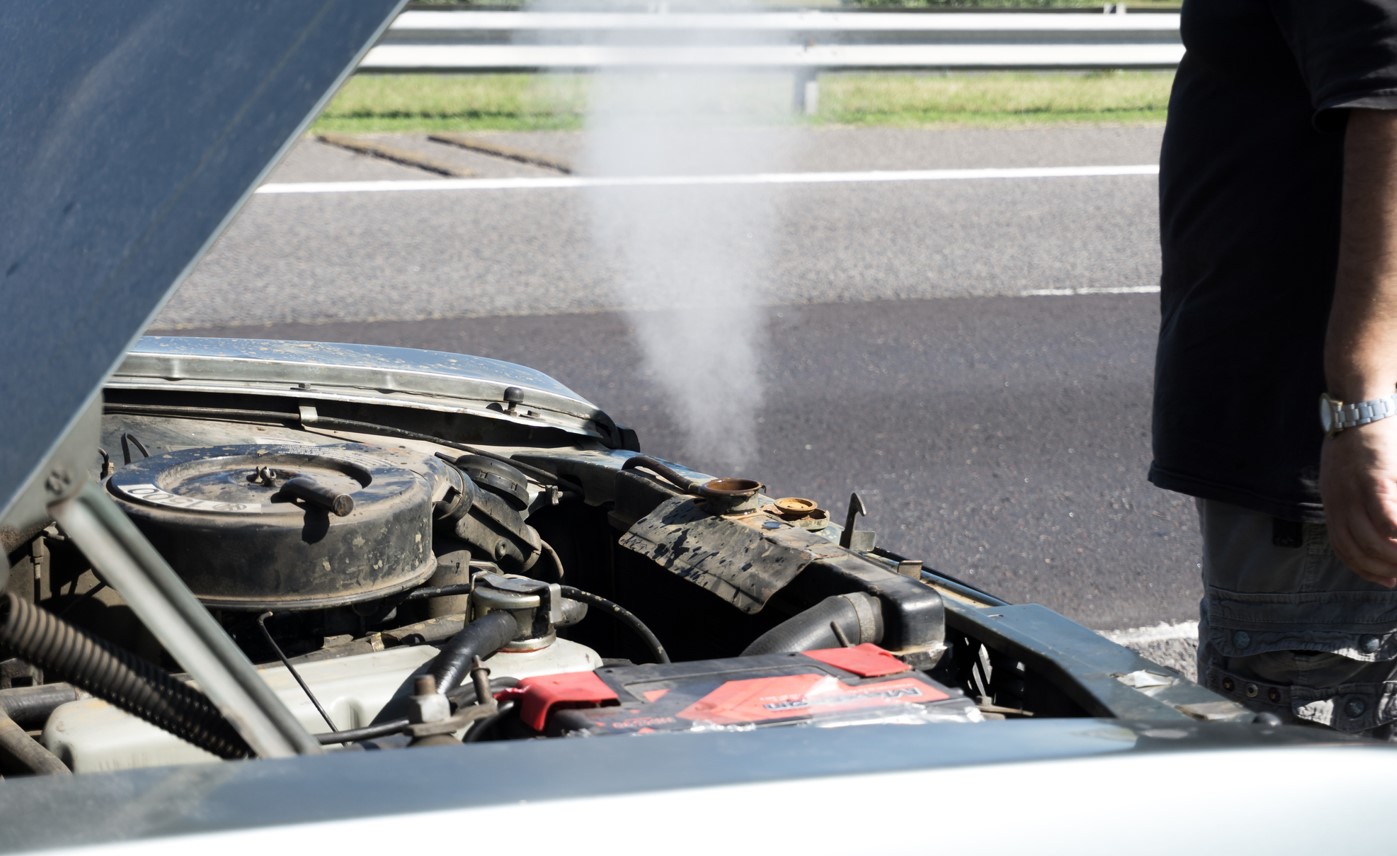
The complexity Maynard criticizes shows up in reliability rankings. Consumer Reports’ 2026 survey found PHEVs suffered 80% more problems than traditional internal combustion vehicles, ranking them dead last for dependability. Ford’s Escape PHEV exemplifies the issues, with widespread EV battery failures requiring complete replacement. You’re essentially maintaining two separate powertrains—electric motors, batteries, charging systems plus traditional engines, transmissions, and fuel systems. Each system creates potential failure points that pure EVs or conventional cars avoid.
Industry Crossroads
Polestar commits to EV-only strategy while competitors double down on hybrids.
Polestar is betting against PHEVs entirely, planning four pure EV models over three years with no hybrid variants. Maynard believes modern EVs offering over 500 kilometers range have made the “stepping stone” technology obsolete. Yet the Australian market tells a different story—PHEV sales continue climbing as buyers hedge against range anxiety and charging infrastructure gaps. The disconnect suggests either consumers haven’t gotten Maynard’s memo, or they’re prioritizing practicality over environmental purity. Time will reveal whether PHEVs represent automotive evolution or an expensive detour.