

Tesla’s U.S. sales stumbled 17% year-over-year in early 2026, the kind of market correction that strips away hype and reveals what living with an EV truly costs. Anyone shopping for a Tesla needs to decode the fine print beyond acceleration stats and Autopilot promises. Battery warranties, charging infrastructure, depreciation curves, and software limitations define ownership far more than zero-to-sixty numbers. This breakdown examines 16 critical factors across Tesla’s lineup, from the mass-market Model 3 to the experimental Cyber Cab, grounding purchase decisions in verifiable data rather than marketing theater. The goal: help prospective owners understand the machine before committing to the long haul.
1. Tesla Model Y
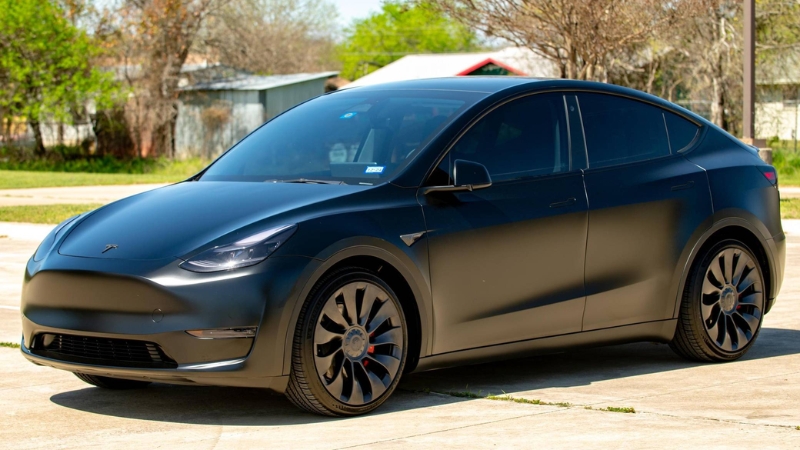
Early production quality varies more than Tesla’s marketing admits.
The Tesla Model Y shares roughly 75% of its components with the Model 3, a manufacturing efficiency play that made the crossover Tesla’s volume leader. Early 2020 builds experienced noticeable build-quality variance—panel gaps, interior rattles, and occasional sensor faults serious enough to trigger warranty battery pack replacements in some cases. By 2024–2026, production from Austin and other plants improved fit-and-finish, though quality audits still document panel gaps, paint defects, and cabin noises more frequently than traditional high-reliability brands.
Consumer reports and owner data consistently place the Model Y among the more reliable EVs for powertrain and battery performance. Most issues cluster in software, infotainment, and exterior trim rather than motor or battery failures. Long-range Model Y packs typically lose about 15% capacity at roughly 200,000 miles, leaving around 85% usable range—strong longevity by any EV standard. Standard warranty coverage spans 4 years/50,000 miles for the vehicle and 8 years for battery and drive unit, with mileage caps varying by variant.
The 2026 Model Y Premium RWD offers mid-five-second 0–60 mph performance, a full-size Tesla audio system, and range above 300 miles on smaller wheels. Larger wheel options (20-inch versus standard 19-inch) reduce rated range by roughly 20–25 miles per charge, a tradeoff many buyers overlook when choosing appearance upgrades over efficiency. The Model Y loses around half its value over five years, depreciation steeper than many gas-powered rivals, making long-term ownership the better financial play than short-term flipping.
2. Tesla Model Y L (Upcoming)
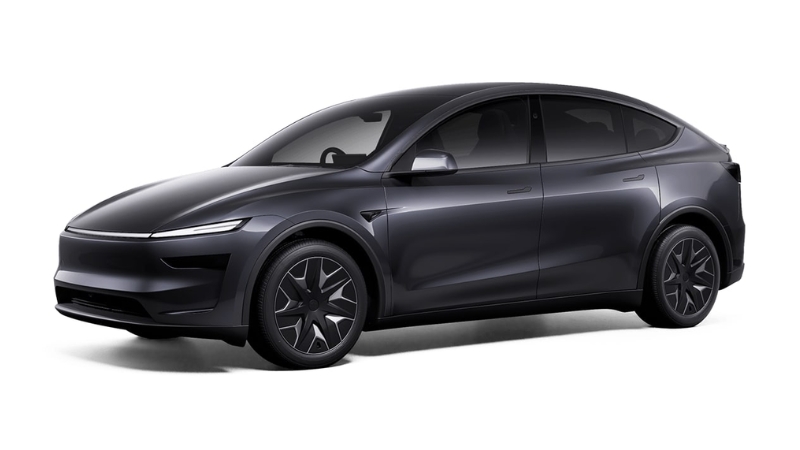
Mature production should reduce early-run defects—if Tesla’s history holds.
The upcoming Model Y L is described as a slightly expanded, refreshed take on the Model Y, leveraging Tesla’s existing manufacturing experience. The company positions this variant to benefit from more mature production processes, theoretically avoiding the panel gaps and interior rattles often seen in initial Model Y deliveries. Whether that promise materializes depends on Tesla’s ability to translate lessons learned into consistent quality control across plants.
For buyers eyeing a refined electric crossover, the Model Y L will likely command immediate demand and premium pricing. Waiting a few months after launch might sidestep the initial rush and any lingering first-batch issues, a strategy that has served cautious EV buyers well across multiple Tesla refreshes.
3. Tesla Model 3
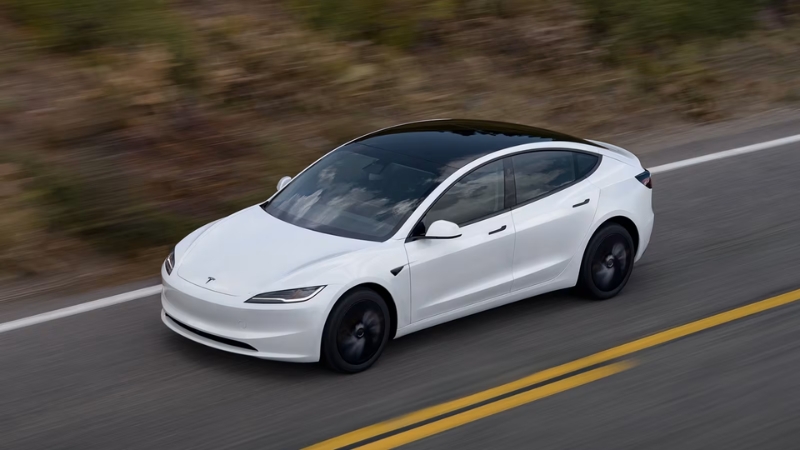
Software glitches overshadow otherwise solid hardware fundamentals.
As Tesla’s global volume leader, the Model 3 is the brand’s most widely deployed model. 2024–2026 builds have accumulated hundreds of NHTSA complaints, mostly around safety systems, steering, and electrical/infotainment issues rather than battery or motor failures. Common problem categories include:
- Camera and sensor calibration issues affecting Autopilot
- Frozen or laggy center screens
- Navigation glitches
- Occasional update failures requiring soft resets or service visits
Build-quality complaints center on panel gaps, creaks from the rear suspension, water leaks around trunk or lights, and wind noise from doors or glass. Improvements over time are evident, but variance remains higher than brands like Toyota. The basic warranty structure matches the Model Y: 4 years/50,000 miles comprehensive, plus 8-year battery and drive unit coverage with mileage caps around 100,000–120,000 miles depending on trim and a 70% capacity retention guarantee.
Certain Standard Range Model 3 variants use LFP (lithium iron phosphate) batteries, which Tesla permits charging to 100% daily without significant degradation concerns. This makes their practical daily range closer to Long Range models than spec sheets suggest. The cheapest rear-wheel-drive Model 3 has a simplified audio system compared with AWD trims, a distinction noted by owners who prioritize in-car sound quality. Owner guides recommend documenting vibration or steering issues carefully and using the Tesla app to schedule service when recurring suspension or alignment problems appear.
4. Tesla Model S Plaid
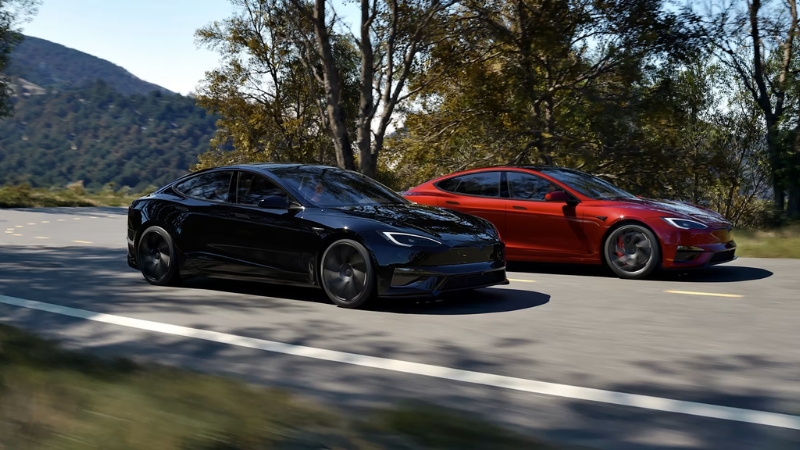
Flagship performance doesn’t automatically deliver flagship build quality.
Rocketing from 0 to 60 mph in under 2 seconds, the Tesla Model S Plaid arrived in 2021 as one of the quickest accelerating production cars. The tri-motor AWD powertrain delivers over 1,000 horsepower-equivalent and very high peak torque, making it a benchmark EV for straight-line acceleration. Raw thrust outpaces nearly anything else on the road, electric or otherwise.
Despite its price (often around $120,000–$130,000 in early production) and performance positioning, real-world owner data show that build quality is not automatically superior to mass-market Teslas. Panel alignment issues, interior trim problems, and minor body defects have been reported at delivery. Historical Model S issues include premature suspension wear (control arms, air suspension components) and failures of retractable door handles, which affect long-term ownership cost more than battery or motor reliability. Battery and drive unit reliability for the Model S line has generally been strong, with degradation rates slightly better than the Model 3/Y and rare full pack replacements under warranty relative to production volume.
5. Tesla Cybertruck
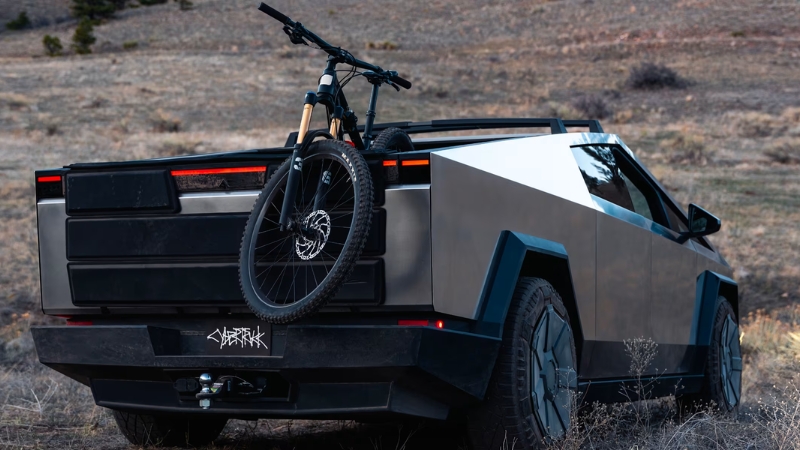
Early recalls and pricing volatility test first-wave buyer patience.
Over 63,000 Cybertrucks faced an early recall for a lighting software defect affecting front parking lights, where the lights could be too bright and potentially blind other drivers. The issue was resolved via over-the-air update, typical of first-year software-related recalls as Tesla refines the design and manufacturing process. The stainless-steel-bodied electric pickup with angular exoskeleton design positions itself as a technology-forward alternative to traditional pickups.
Battery and drivetrain warranties follow Tesla’s upper-tier coverage, with 8-year/150,000-mile battery and drive unit protection and a 70% capacity retention guarantee over the period, making long-term pack replacement uncommon under normal use. Pricing on early Cybertrucks reflected a hype premium, with Tesla later discounting and adjusting trims. This significantly impacted resale values for buyers who purchased at the top of the price curve, a pattern familiar to anyone who has watched Tesla’s direct-to-consumer pricing model in action.
6. Tesla Cyber Cab (Upcoming Robotaxi)
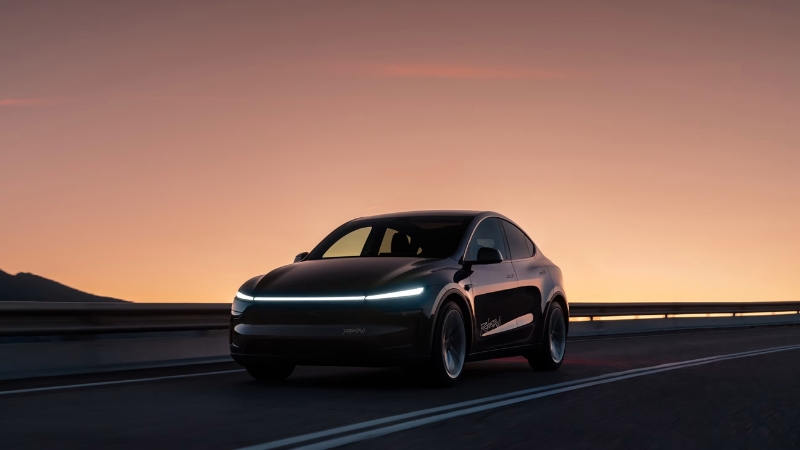
Regulatory hurdles remain the biggest obstacle to deployment.
The Cyber Cab is described as Tesla’s upcoming dedicated robo-taxi platform, designed to operate without a steering wheel or pedals, relying entirely on full self-driving software and onboard sensors for operation. U.S. regulators have begun revising Federal Motor Vehicle Safety Standards to account for vehicles without human drivers or traditional controls, a prerequisite for commercial deployment of steering-wheel-less vehicles.
Tesla’s strategy positions Cyber Cab as a fleet-operated service on Tesla’s own network, rather than turning current customer cars directly into unsupervised robotaxis in the near term. The viability of Cyber Cab depends on Tesla achieving unsupervised FSD performance acceptable to regulators and insurers; current capabilities are limited to supervised operation where the driver remains responsible at all times.
7. Tesla Full Self-Driving (FSD) Subscription

NHTSA investigation highlights visibility limits and driver-oversight gaps.
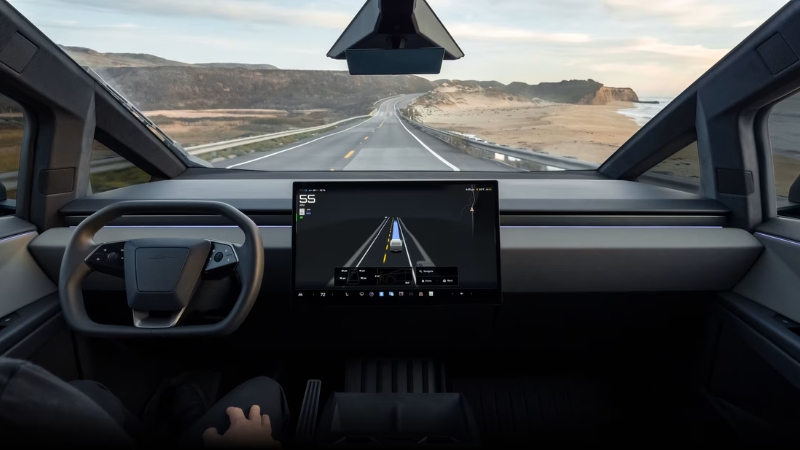
Full Self-Driving (FSD) is Tesla’s advanced driver assistance package that adds lane keeping, automatic lane changes, traffic-light and stop-sign recognition, and city-street navigation beyond basic traffic-aware cruise control. As of 2026, new Teslas include only traffic-aware cruise control by default; lane-keeping Auto Steer and advanced features require an FSD subscription. Tesla ended the $8,000 one-time FSD purchase option; access is now offered primarily via subscription, roughly $1,200 per year, with Tesla retaining the ability to adjust the rate over time.
Owners who previously paid for Enhanced Autopilot often receive discounted FSD subscription pricing, and new vehicles typically include a trial month of FSD, extended to three months when purchased via a referral link. NHTSA has escalated investigation of FSD’s performance in reduced-visibility conditions (sun glare, fog), upgrading the probe to Engineering Analysis across more than 3.2 million vehicles—a step that often precedes recalls when problems are confirmed. According to NHTSA, FSD’s degradation detection software does not consistently alert drivers when cameras are blinded, and Tesla may have under-reported some related crashes, heightening regulatory scrutiny.
Tesla’s official fine print states that FSD remains a supervised system; drivers must stay attentive and ready to take over, and current software is not legally or technically fully autonomous.
8. Autopilot Tiers on Used Teslas
Verify feature entitlements before purchase—dealer listings often mislead.
Historically, Tesla sold three main driver-assistance tiers:
- Basic Autopilot (traffic-aware cruise plus Auto Steer)
- Enhanced Autopilot (adds auto lane changes, Navigate on Autopilot, auto park, Smart Summon)
- Full Self-Driving (city-street handling, traffic control recognition)
Many used Teslas still carry these legacy packages as permanent entitlements, which can significantly affect resale value, especially cars with fully paid FSD that no longer can be purchased outright on new vehicles.
Third-party dealers frequently mislabel or misunderstand these tiers, sometimes advertising “full self-driving” when a car only has basic Autopilot or Enhanced Autopilot; buyers need to verify via the car’s software menu or VIN-decoding tools. Tools like Recurrent’s VIN reports can identify which driver-assistance package a used Tesla truly has and provide battery health summaries, reducing the risk of overpaying for features that aren’t actually present.
Under the subscription model, FSD does not automatically stay with the car in the same way; future access depends on the new owner’s subscription, so listings mentioning FSD on newer cars may only reflect temporary trials or previous usage.
9. Tesla Hardware 3 vs. Hardware 4
Older hardware faces uncertain upgrade timelines and capability ceilings.
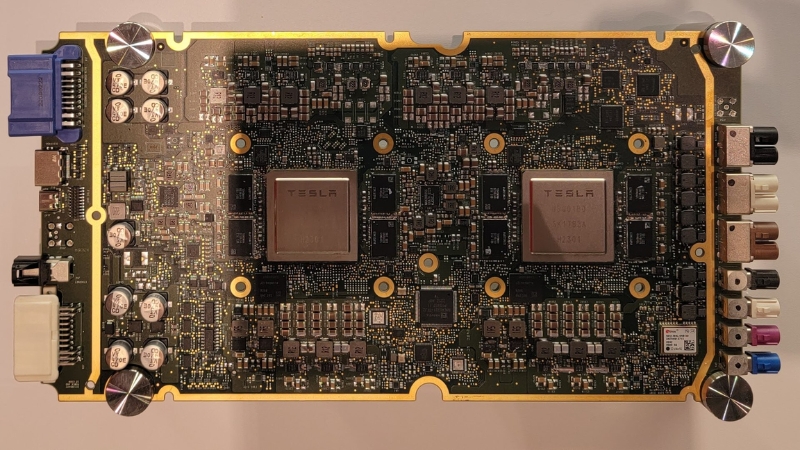
Most Teslas built from about 2019 to early 2023 use HW3, while refreshed models and vehicles built from 2023 onward increasingly ship with HW4, which has improved processing power and sensor revisions intended to support more advanced FSD capabilities. Tesla is delivering its latest FSD software in two tiers: full functionality on HW4 and a lighter version on HW3, recognizing that older hardware cannot run the entire feature set at the same performance level.
Tesla has stated that HW3 owners who paid for FSD will eventually receive upgraded computers, but no firm timeline has been published, making this promise an important but uncertain factor for used buyers. Prospective used-Tesla buyers should factor the hardware ceiling into expectations: HW3 cars may not reach the same future unsupervised capabilities that Tesla targets for HW4 and later platforms, especially in complex urban or low-visibility driving.
10. Tesla Battery Degradation & Warranty
Real-world data contradicts worst-case degradation fears.
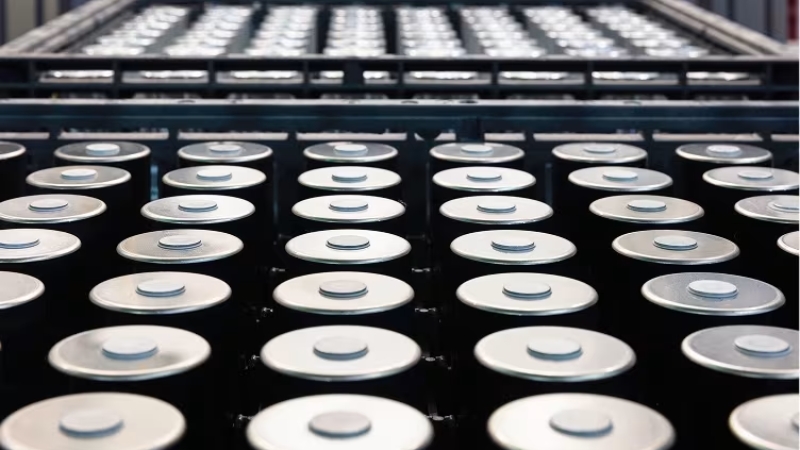
Tesla’s internal 2026 data indicate that Model 3 and Model Y long-range batteries lose about 15% of capacity at roughly 200,000 miles, leaving around 85% usable range, while Model S/X batteries show slightly lower degradation (closer to 12%–13%) at similar mileage. After the initial year or two, average Tesla battery degradation trends toward about 1.5–2% per 50,000 miles, consistent with independent owner tracking of high-mileage vehicles charged mostly on Level 2 and kept within optimal state-of-charge windows.
Tesla’s battery and drive unit warranties span 8 years with mileage limits that vary by model (around 100,000 miles for standard Model 3/Y, 120,000 for long range/performance, 150,000 for S/X/Cybertruck), including an explicit guarantee that capacity remains at or above 70%. Official guidance encourages owners to charge to roughly 80% for daily use, use Level 1/2 charging as the norm, and reserve Supercharging mainly for long trips, because frequent high-rate fast charging accelerates degradation.
Tesla reiterates that a “plugged-in Tesla is a happy Tesla,” suggesting that keeping the car connected when parked supports battery conditioning and reduces deep discharge cycles that can stress the pack.
11. Tesla Federal EV Tax Credit Changes
Incentive removal drove immediate sales decline and higher ownership costs.
The U.S. federal EV tax credit of up to $7,500 ended in 2025, removing a major financial incentive from new-Tesla purchase calculations. Both the purchase credit and lease pass-through mechanisms ended, meaning buyers and lessees in 2026 must calculate total cost of ownership without assuming federal support from this program. Tesla’s own online cost calculators have historically included estimated fuel savings and incentive assumptions, so buyers now need to disable outdated credits and adjust inputs to avoid underestimating real monthly payments.
The removal of the credit contributed to softer U.S. EV demand and a 17% year-over-year dip in Tesla’s U.S. sales in early 2026, reflecting how sensitive price-conscious buyers are to federal incentives.
12. Tesla Pricing Volatility & Depreciation
Direct-to-consumer pricing enables rapid changes that punish recent buyers.
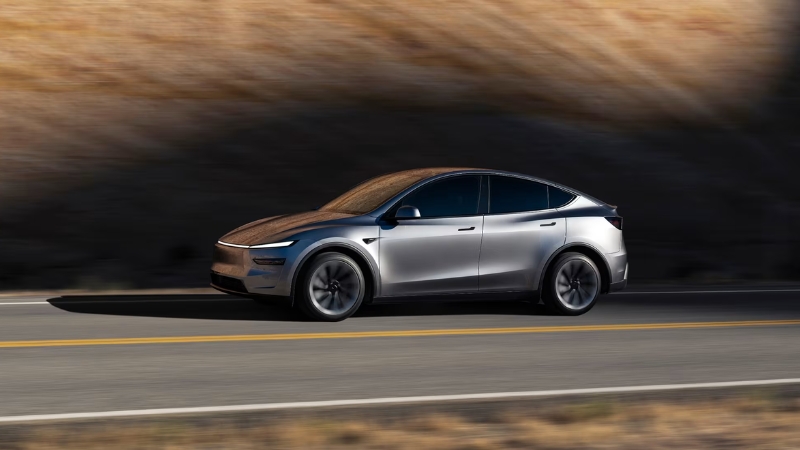
Tesla’s direct-to-consumer pricing model allows the company to change new-vehicle prices quickly and uniformly, without dealer negotiation; this creates a smooth ordering experience but also exposes recent buyers to sudden devaluation. In early 2023, Tesla implemented rapid price cuts across the lineup, in some cases around 20% (over $13,000 on certain configurations), causing immediate and steep drops in used values for cars purchased at prior higher prices.
Price reductions and refreshes have repeatedly driven above-average depreciation compared with similar gas vehicles; many Model 3/Ys lose around half their value over five years, with the steepest drops following large corporate price changes rather than organic market wear. The Cybertruck’s early Foundation Series premium pricing followed by discounts exemplifies this pattern: early adopters at peak prices saw resale values fall sharply as Tesla adjusted trims and pricing to broader market conditions.
Ownership satisfaction tends to be highest among buyers who plan to keep the car long term for its utility and driving experience, rather than speculating on appreciation or short-term flipping.
13. Tesla Home Charging Options
Level 2 charging hits the sweet spot for most owners; installation costs vary widely.
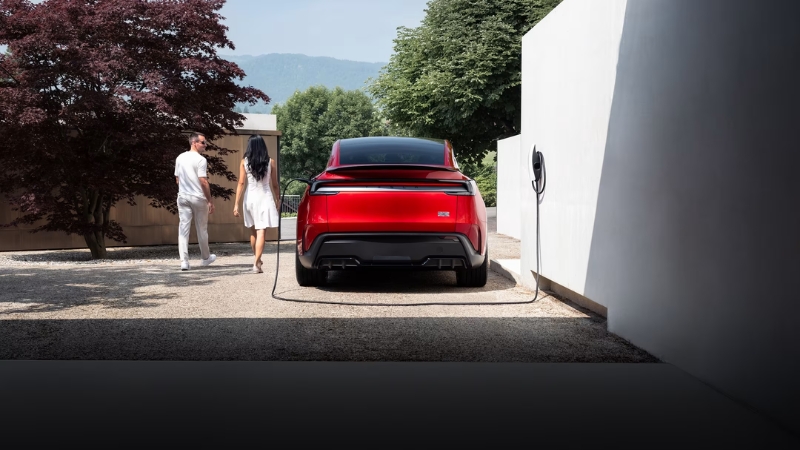
Teslas can charge at home via Level 1 (120V wall outlet), Level 2 (240V outlet with Mobile Connector), or a hardwired Tesla Wall Connector or equivalent third-party EVSE. A standard 120V household outlet typically adds about 3–4 miles of range per hour; while slow, it can meet needs for low-mileage drivers who park for long durations and require minimal installation.
A common 240V NEMA 14-50 outlet, used with Tesla’s Mobile Connector, can deliver roughly 30 miles of range per hour, enough to refill most Teslas from near empty overnight, and is considered the practical sweet spot for many owners. Tesla’s Mobile Connector is no longer automatically included with all new vehicles and often must be purchased separately (around a few hundred dollars), a cost many buyers overlook.
The Tesla Wall Connector can provide around 40–44 miles per hour depending on circuit capacity, useful for high-mileage drivers or households charging multiple EVs, but costs more in installation and is often unnecessary for typical daily use. Installation costs for a 240V outlet vary widely: if the panel has capacity and the run is short, jobs often fall in the $200–$800 range; longer runs, full panels, or permitting requirements can push costs above $1,000.
Typical home charging costs are in the 4–7 cents per mile range at average U.S. electricity prices, compared with roughly 12–18 cents per mile for gasoline, making home charging materially cheaper for most drivers. Off-peak EV-specific electricity plans can further reduce cost if owners schedule charging overnight; some utilities require proof of EV ownership to enroll.
14. Tesla Insurance
Real-time safety scores and high repair costs drive premium volatility.
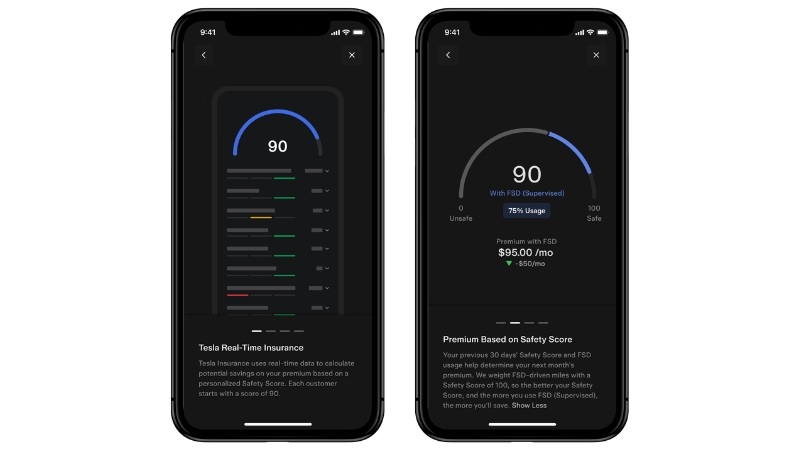
Tesla offers Tesla Insurance in many U.S. states, underwritten by partners, with premiums that can be dynamically tied to a real-time safety score measuring hard braking, aggressive turning, following distance, and other driving behaviors. In California, regulators do not allow real-time behavioral scoring for insurance pricing, so Tesla policies there rely on traditional factors like driver history, location, and vehicle type rather than Tesla’s in-car telemetry.
Industry and owner analyses note that insurance premiums for Teslas can be higher than expected compared with similar gas cars, due to high repair costs for advanced sensors, large glass areas, and aluminum or composite body components. The safety-score system can produce month-to-month premium changes, rewarding consistently gentle driving but penalizing drivers with frequent hard braking or rapid maneuvers, which some owners find intrusive or stressful.
15. Tesla Service & Over-the-Air Updates
Mobile service excels in some regions; parts availability lags in others.
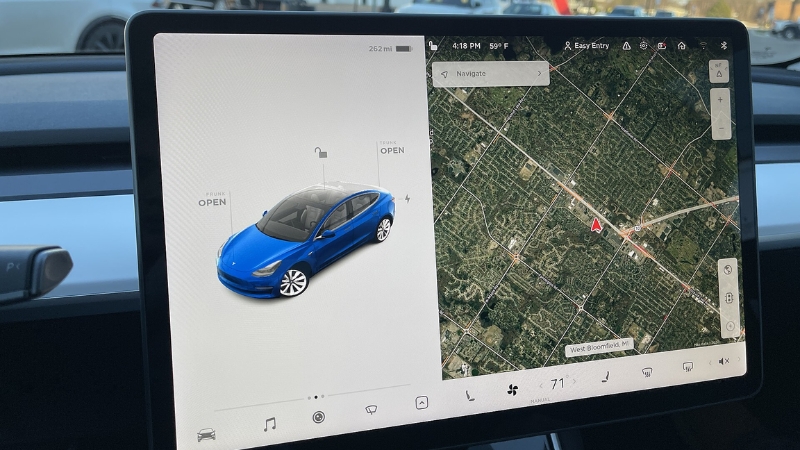
Tesla relies on a mix of physical service centers and mobile service technicians, with appointment scheduling and communication handled primarily through the Tesla app rather than traditional dealership interactions. Service experience varies significantly by region: some owners report fast, convenient mobile repairs, while others face long waits for parts and appointments, especially in markets where Tesla’s service footprint has lagged behind sales growth.
Tesla’s over-the-air (OTA) update system allows the company to push new features and fixes remotely, which can quickly resolve some bugs (e.g., camera calibration, minor infotainment issues), but can also introduce new glitches. OTA updates have occasionally removed or altered features temporarily, such as limiting power to external devices when the vehicle is unattended, later reintroduced with configuration options, illustrating how vehicle behavior can change without physical modification.
The NHTSA has recognized Tesla’s OTA capability as a valid remedy in recall scenarios—such as software fixes for rearview camera or lighting issues affecting over 218,800 U.S. vehicles—reducing the need for traditional dealer visits.
16. Tesla Lease Structures and Down Payment Risk
Large upfront payments on leases create total-loss exposure with no equity upside.
Tesla promotes leasing as an alternative to financing for new vehicles, often advertising lower monthly payments that can look attractive to cost-conscious buyers. Large down payments on leases are effectively prepayments of lease obligations; in the event of a total loss or theft, lessees generally do not recover these upfront sums even if the insurance payout exceeds the contractual buyout, leaving them financially exposed.
Industry guidance typically advises putting minimal money down on leases and relying on gap coverage or comprehensive insurance to protect against total-loss scenarios, rather than front-loading capital into a depreciating asset. Tesla’s end-of-lease options often restrict buyout or re-sale flexibility compared with traditional brands, so lessees should closely review whether they can purchase the vehicle at lease end and under what terms.
Anyone who has driven cross-country with nothing but cheap gas and stubborn optimism knows why the journey always matters more than the destination. The same philosophy applies to Tesla ownership: focus on long-term utility and real-world capability rather than chasing hype or resale speculation. Battery packs prove durable, charging infrastructure continues to mature, and software updates refine the experience over time. Just verify the fine print, understand the warranty boundaries, and resist the temptation to overpay for features that may never materialize. The best Tesla purchase decision starts with clear-eyed data, not marketing promises.