

At 205 driver deaths per million registered vehicle-years, the Mitsubishi Mirage G4 holds a record nobody advertises. That figure — the worst in the Insurance Institute for Highway Safety’s most recent triennial analysis — comes from real fatal crashes, not controlled lab conditions. IIHS has been running this calculation roughly every three years since 1989, pulling from federal crash data to produce a brutally honest scorecard. Two study cycles in a row tell the same story: the cars killing their driver deaths fastest are the ones marketed as either aspirational or affordable.
Speed and Size – A Deadly Combination
Two very different vehicles land at the same dangerous destination — one by physics, one by driver behavior.
Minicars averaged 153 driver deaths per million vehicle-years in the 2020-model study. Very large luxury cars averaged just 4. That gap is not subtle. The Dodge Challenger 2WD posted 154 deaths per million, the Hyundai Accent 152, the Chevrolet Spark 151. Newer 2023-model data shifts the names but not the pattern: the Kia Rio tops that list at 170 per million, the Nissan Versa at 164, the Dodge Charger HEMI at 127, and the Dodge Challenger at 125.
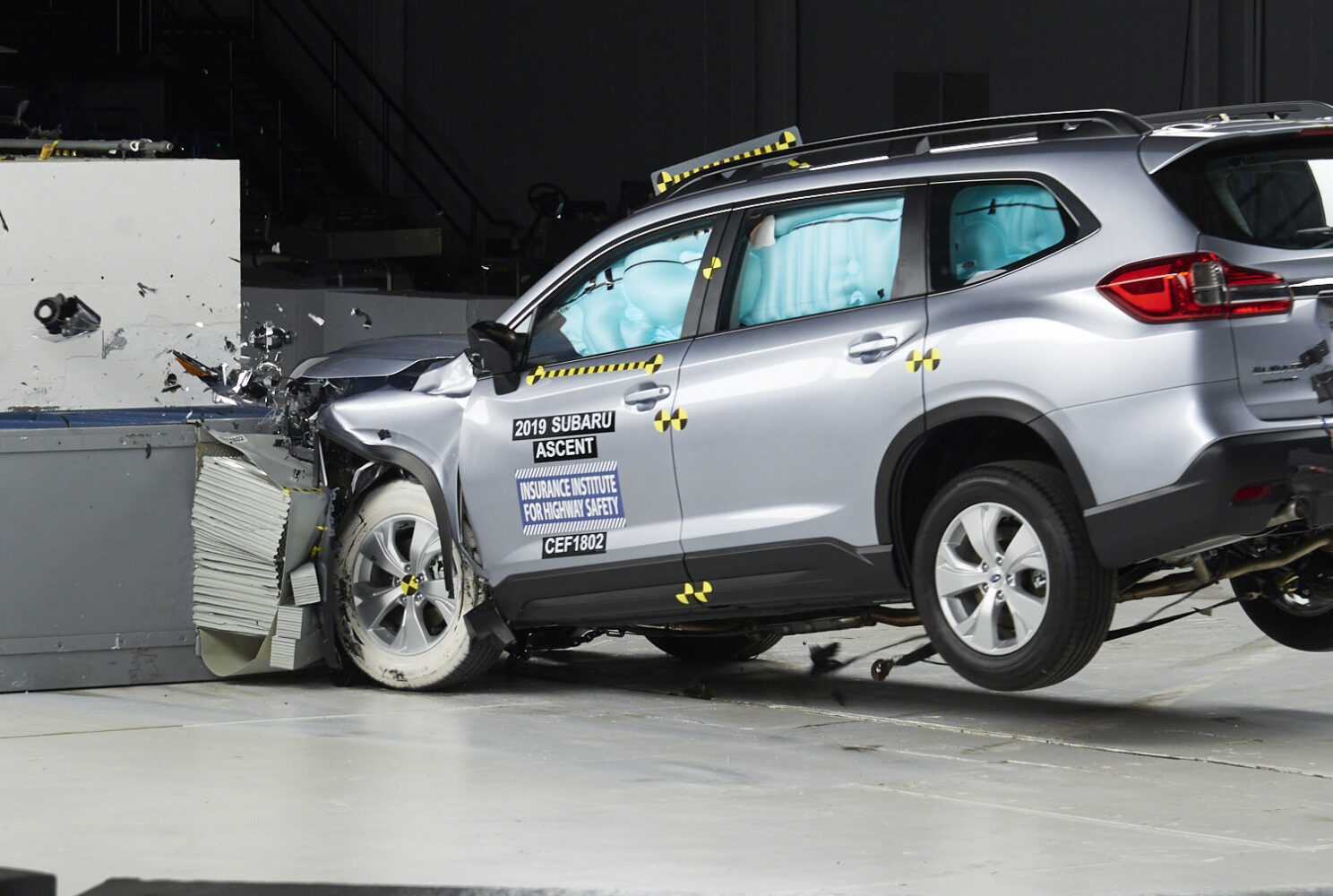
Small cars are undone by physics — a light vehicle absorbing the violent deceleration from a heavy SUV simply cannot protect its occupant the way a larger car can. Muscle cars arrive at the same grim destination by a different route.
By the numbers, the picture sharpens fast:
- Six of the 21 highest-death-rate vehicles in the 2020-model study are American muscle cars: Camaro, Challenger, Charger, and Mustang variants
- Eight of those 21 are small cars or minicars
- Chevrolet Camaro convertible: 113 deaths per million; Ford Mustang convertible: 97 per million
- Six models in the newer dataset recorded zero driver deaths — Audi Q7, BMW X7, Chevrolet Tahoe, Mercedes-Benz GLB-Class, and Toyota Tundra among them
- Very large pickups average 121 other-driver deaths per million; the Ram 3500 Crew Cab posts approximately 189 per million according to IIHS data, making it among the most lethal vehicles to occupants of other cars
The muscle car problem isn’t structural failure. IIHS points squarely at behavior. High-horsepower engines and performance marketing attract drivers more likely to speed and take risks — the car becomes the accomplice. As Kelley Blue Book summarized the IIHS position: “Small cars and sports cars have the highest death rates.” The gap between a Dodge Charger advertisement and a crash report is precisely where the mythology dissolves.
Who’s Safe — and Why That’s Complicated
Zero driver deaths sounds reassuring until you consider who is actually behind the wheel.
Large luxury SUVs dominate the zero-deaths list, but IIHS flags a genuine confound: affluent, older, more experienced drivers tend to log fewer high-risk miles, and their vehicles arrive loaded with automatic emergency braking, lane-keeping assist, and blind-spot monitoring. The vehicle and the driver are a package deal, and separating the two is harder than the headline numbers suggest.
That distinction matters when you are deciding what car to put a new driver in. A cheap subcompact compounds two risks at once — young inexperience behind the wheel and limited crash protection around it. The data on that combination is not encouraging. Understanding what happened to the affordable new car market helps explain why budget options have narrowed so sharply.
There is also an uncomfortable flip embedded in the numbers. Small sports cars post high driver death rates but relatively low rates for people in other vehicles. Large pickups do the opposite — shielding their own occupants while recording other-driver death rates that warrant attention from anyone sharing the road with them.
IIHS publishes these figures for every major make and model. The vehicle you choose is a risk decision, not just a preference — and that calculus matters most for whoever hands a new driver the keys. Knowing which are the most dangerous states to drive in adds another layer to that decision.