

Tesla’s updates cover more ground than the usual incremental changes. Some address longstanding owner complaints — cameras that go blind in winter, connectivity that can’t keep up with update file sizes, and Sentry Mode that records incidents without telling you about them. Others push the platform forward with hardware upgrades that expand what the software can do. The affordable model, the AI5 processing jump, and the global color expansion are the changes most likely to affect what you pay and what you get. Here is what is actually worth tracking.
10. 5G Connectivity Replaces Spotty LTE

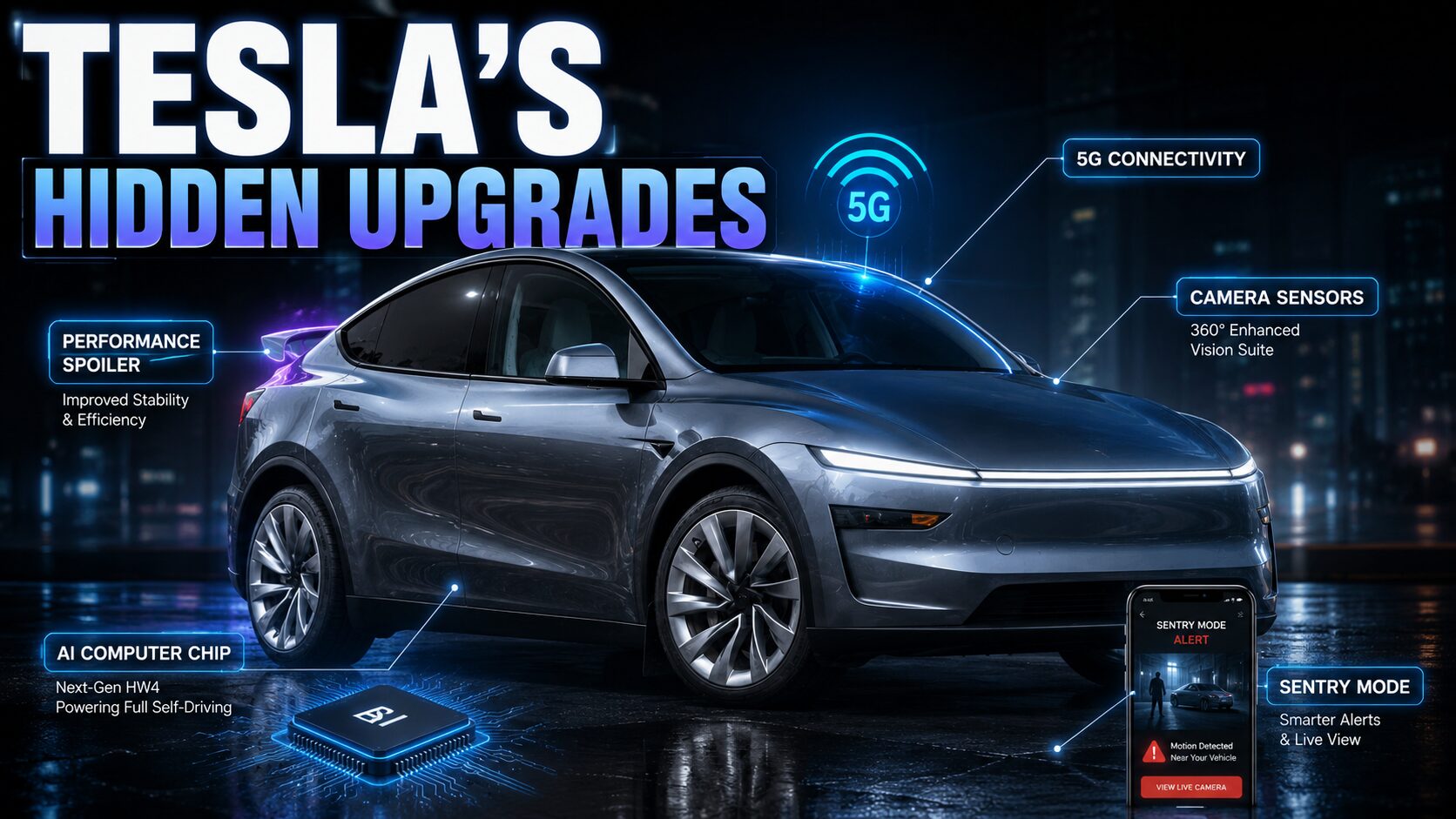
Current Tesla connectivity runs on LTE networks that create bottlenecks for large over-the-air software updates. 5G modems enable faster downloads, real-time traffic data, and improved in-cabin streaming. The upgrade directly benefits owners without reliable home Wi-Fi who currently wait hours for updates to complete. Lower latency and higher bandwidth improve navigation accuracy and entertainment quality — and Tesla’s aggressive software update schedule requires infrastructure that can keep pace with what it is shipping.
9. Silent Upgrades Continue the Confusion

Tesla’s mid-production-year hardware changes — matrix LED headlights, modified seat angles, component revisions — continue without announcement, creating uncertainty about what any specific car actually includes. Enthusiast communities do the detective work to track these changes, which benefits buyers who get improvements immediately but complicates used-market valuations and spec comparisons. The approach prioritizes continuous improvement over predictable model cycles, which creates real information gaps for buyers trying to compare cars built six months apart on the same assembly line.
8. Camera Upgrades That Actually Help

Higher resolution sensors are part of the 2025 camera update, but the more consequential changes are practical: self-cleaning lenses address the dirt accumulation that currently degrades sensor performance in bad weather, and upgraded heating elements melt snow and ice instead of leaving cameras blind through winter. Better glare reduction handles sunrise and sunset driving more reliably. According to Tesla’s release documentation, these camera upgrades deliver measurable improvements in Autopilot performance — the kind that matters when the system needs to see clearly rather than merely having more pixels to process when conditions allow.
7. The Actually Affordable Tesla Takes Shape

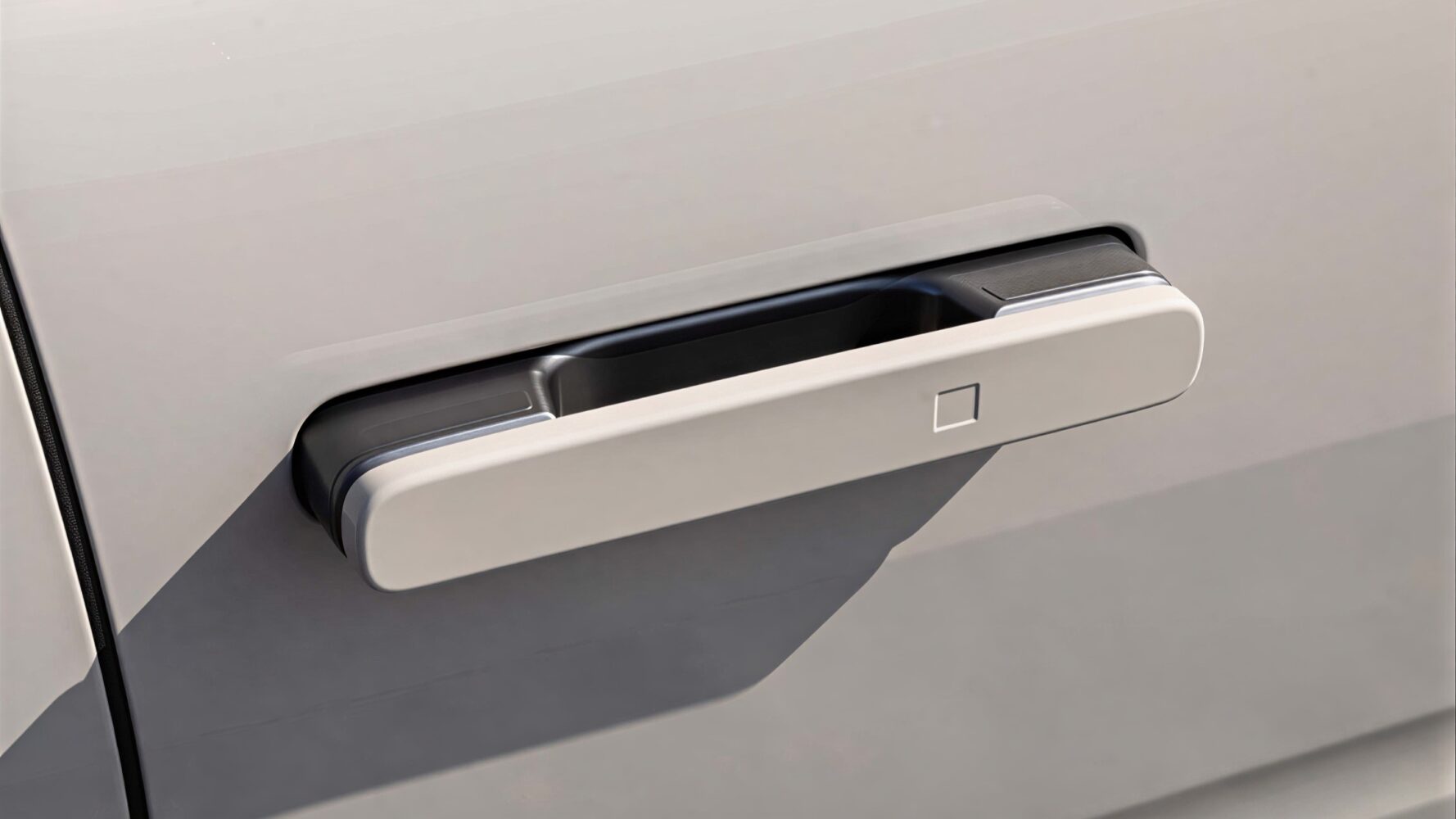
Tesla’s expected entry-level model appears to be a shortened Model Y platform with simplified exterior details — basic wheels, no exterior door handles, and a smaller overall footprint that improves city parking and maneuverability. The target is first-time EV buyers and urban drivers who want Tesla build quality at a lower price point. If Tesla delivers on that combination, the entry-level EV segment gets significantly more competitive — and traditional automakers whose budget EVs have been competing without facing a credible Tesla alternative will need to respond.
6. New Computer Hardware Keeps Up

Older Teslas cannot run newer software features because the computing hardware lacks the processing headroom. Hardware teardowns confirm AMD chips in current Tesla infotainment systems, addressing the lag that frustrates owners running the latest software on older processors. The upgrade extends useful hardware life — new Teslas stay capable of running future software updates longer rather than aging out of feature eligibility within a few years, which has been a persistent criticism of Tesla’s previous hardware generations.
5. AI5 Hardware Makes Self-Driving Less Terrifying

Five times the processing power of Hardware 4 is the AI5 headline figure, with meaningful downstream effects: faster reaction to sudden changes, better object detection in complex scenarios like construction zones and emergency vehicle encounters, and reduced instances of the hesitation that makes current FSD beta testers nervous. Tesla has promised full autonomy on previous hardware generations without delivering it — the AI5 processing jump is significant enough that current FSD beta testers report genuine optimism about meaningful capability improvement rather than incremental refinement.
4. Pricing Games Get More Complex

Federal tax credit changes continue to affect Tesla’s effective pricing. Tesla historically adjusts sticker prices to offset credit modifications, attempting to maintain consistent out-of-pocket costs — but rising interest rates and insurance premiums add variables that make total ownership cost calculations increasingly complicated. Tracking IRS rule changes alongside Tesla’s own pricing patterns helps buyers time purchases to avoid overpaying during Tesla’s frequent price adjustments, which can move hundreds or thousands of dollars within weeks.
3. Global Color Options Finally Come to America

American Tesla buyers have had five paint options on vehicles starting above $50,000 — a limitation that lead designer Franz von Holzhausen acknowledged in a recent Ride the Lightning podcast appearance, expressing optimism about unifying color palettes globally. Premium options like glacier blue from the Chinese market may reach US showrooms, simplifying production while expanding American buyer choices. More color variety also improves resale value differentiation and reduces the sea of identical white and grey Teslas that currently populate most parking lots.
2. Sentry Mode Gets Smartphone Alerts

Current Sentry Mode records incidents but does not notify the owner until they return to the vehicle — a gap that makes it useful for evidence gathering but useless for active deterrence. Sentry Pro closes this by sending instant phone alerts when suspicious activity begins, with the ability to remotely activate the horn or flash lights to deter the person in the act. Real-time monitoring through the official Tesla API means owners can check on their parked car from anywhere — a meaningful upgrade from a system that previously only told you what had already happened.
1. Model Y Performance Gets a Real Makeover

The Model Y Performance has historically looked identical to the base model despite costing significantly more — a complaint that Tesla is directly addressing. Per Lars Moravy’s Jay Leno’s Garage interview, the new carbon fiber spoiler creates actual downforce rather than serving as a visual differentiator, keeping the car planted at speed. A discreet performance badge and upgraded interior materials replace standard plastic components, giving buyers visual confirmation of the premium they paid. The changes target the core complaint directly: paying more for a performance variant that nobody — including the owner — could distinguish from the entry-level car.