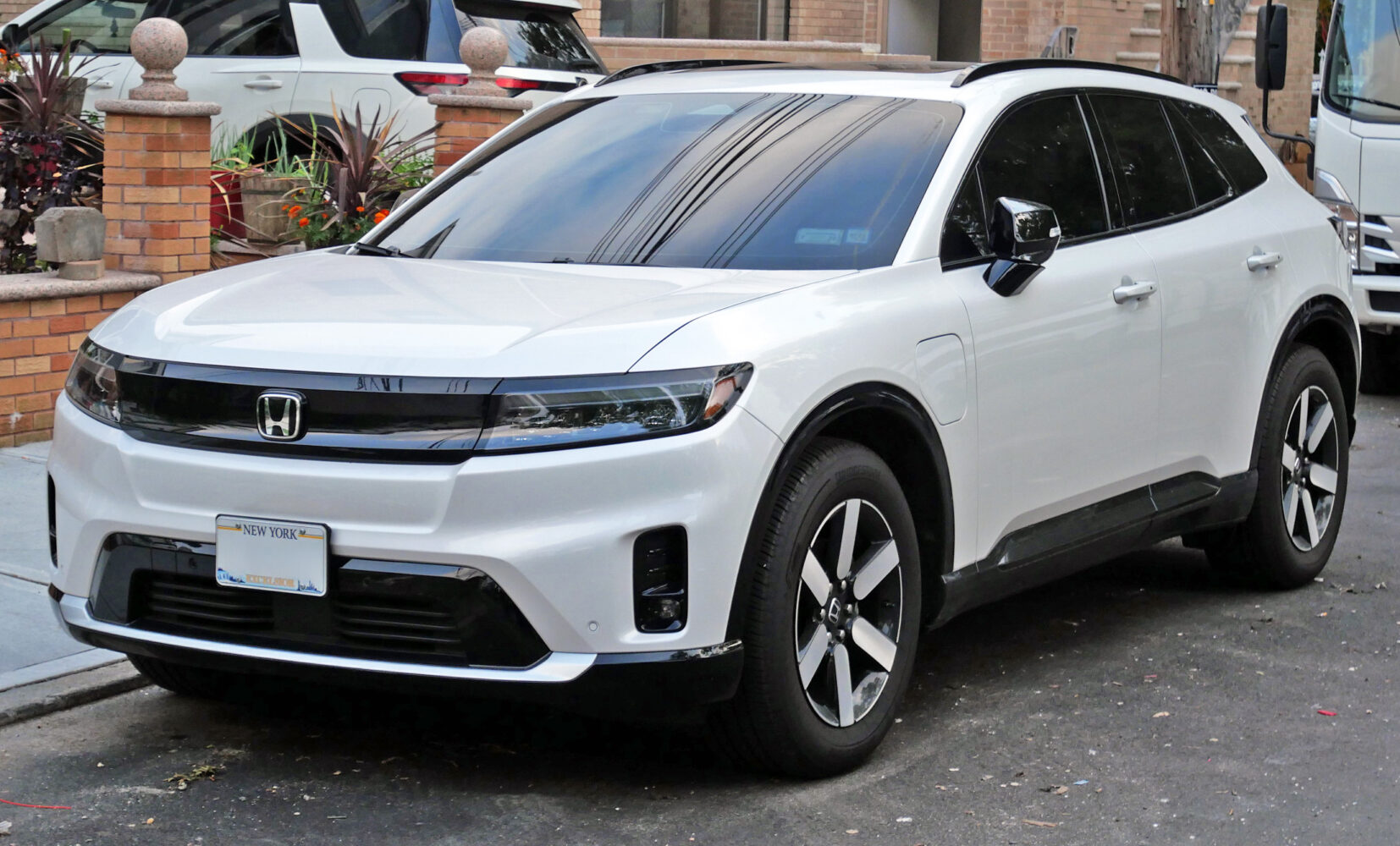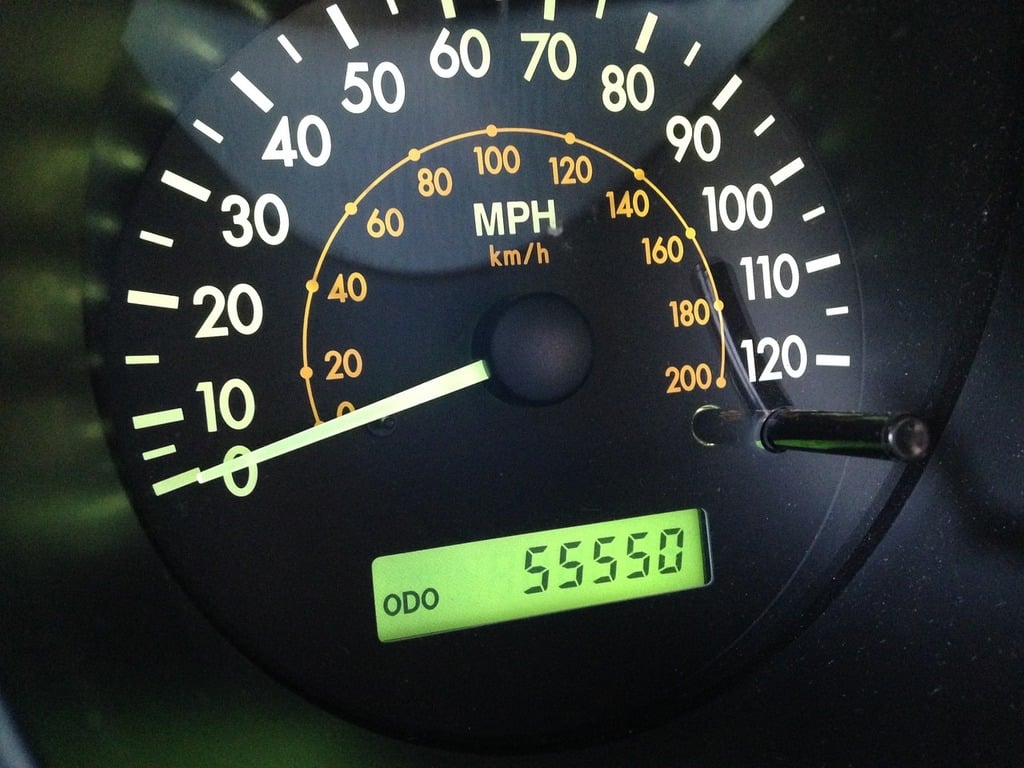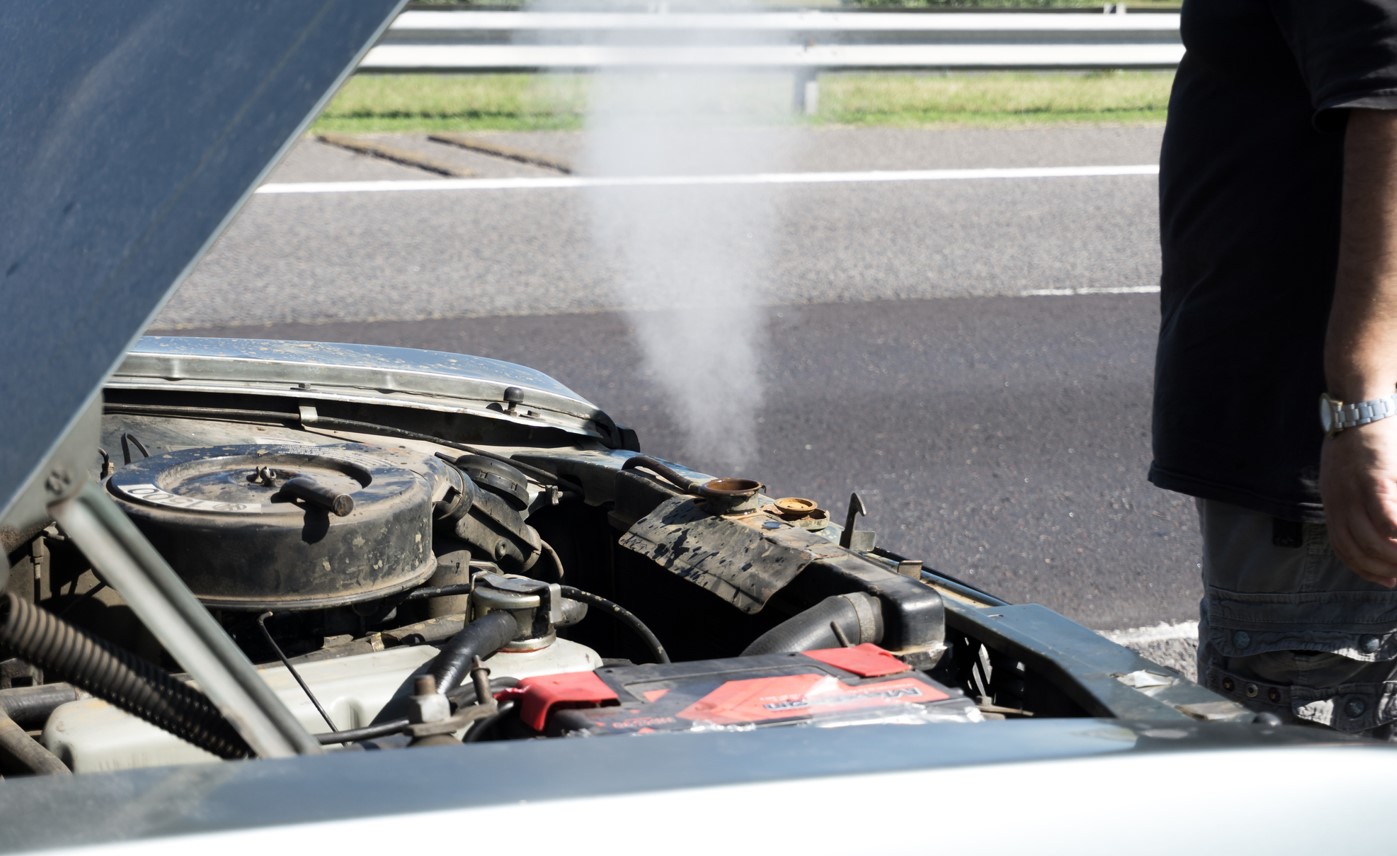


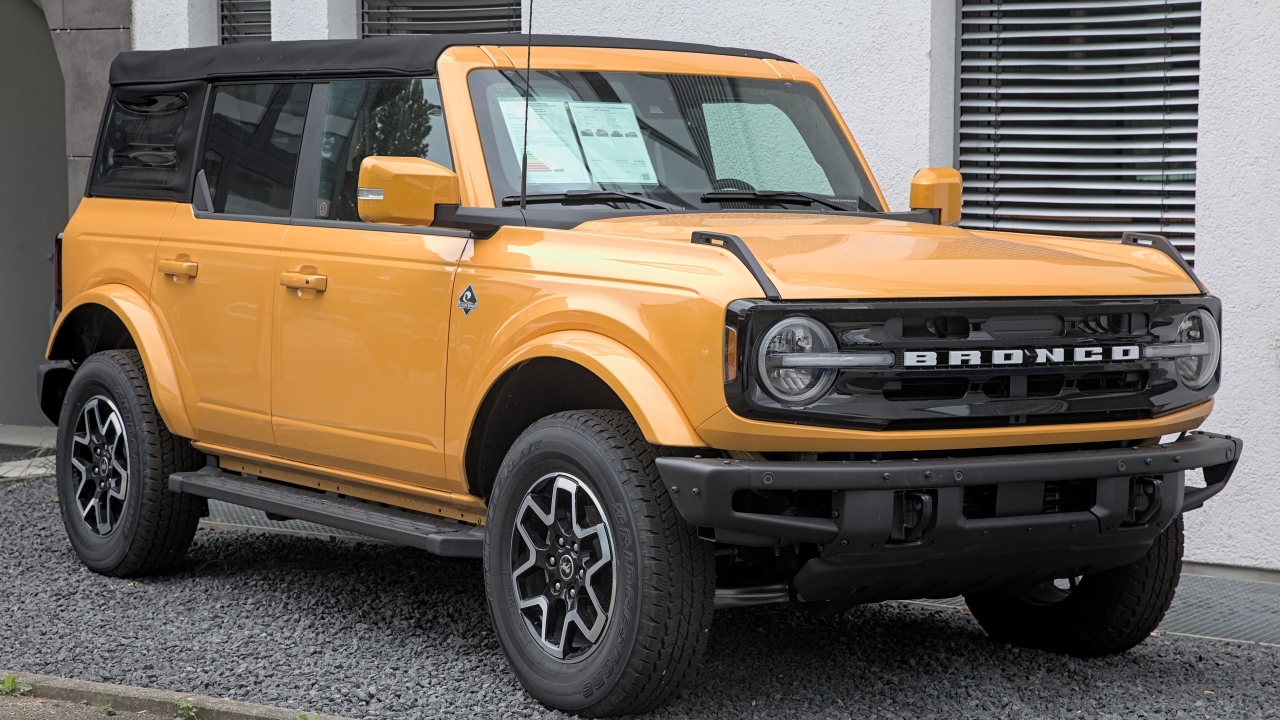
A brand-new Ford Bronco, 3,000 miles on the odometer, reportedly dies on an expressway. TikTok creator Scott Lubik says Ford killed it over a single missed car payment, leaving him stranded in fast-moving traffic. The clip spread fast. The outrage was immediate.
Here’s the problem: no major outlet, police report, or Ford statement has corroborated Lubik’s account. The specific claim remains unverified. But the fear underneath it is completely legitimate. Ford built this infrastructure, patented something considerably darker, and most buyers consented to it somewhere in a terms-of-service agreement they never finished reading.
What Ford’s Kill Switch Actually Does
Start Inhibit is a real, subscription-based feature — but it works nothing like the highway-shutdown button the viral clip implies.
Start Inhibit is part of Ford’s subscription-based Security Package, managed through the FordPass app. The critical detail missing from most viral reactions: if activated while the engine is already running, the vehicle keeps moving. It blocks restarting once the engine is off — not a highway-speed shutdown button.
Current eligible models include select 2024-and-newer F-150 and Super Duty trucks, plus the 2026 Bronco Sport, Expedition, and Mustang Mach-E. Documented use is theft recovery only, requiring a police report. Ford says location data goes solely to law enforcement.
What buyers actually agreed to when they tapped “accept”:
- Start Inhibit requires opting into FordPass data sharing — GPS, ignition status, live connectivity. No consent, no remote command.
- It prevents restarting, not movement. A vehicle already in motion stays in motion.
- Ford filed a 2023 patent for payment-linked disabling — degrading A/C, radio, and cruise control, escalating to full lockout. Ford has since stated it is “no longer pursuing this patent application or this idea,” according to Auto Dealer Today.
- Opting out is possible: factory-reset the vehicle modem or disable Vehicle Connectivity in settings. The trade-off is the loss of remote start and theft tracking.
The 2023 patent — reported by Bloomberg — described feature degradation for delinquent accounts, full vehicle lockout, and autonomous self-repositioning to repo agents on self-driving models. Ford abandoned the concept after public backlash. Patents reveal what engineers were asked to design, and that context matters even when a project is shelved.
“At Ford, customers have a choice as to whether or not they wish to share connected vehicle data with us,” the company told Carscoops. That choice, however, lives inside a terms-of-service agreement most buyers treat like a hotel checkout screen — acknowledged, never read.
You Own the Car. Do You Control It?
The infrastructure enabling theft recovery is architecturally identical to the infrastructure that could one day enforce payment compliance.
This is the real story the Bronco clip surfaced. Ford abandoned the repossession patent, but the underlying connectivity framework remains intact. Subprime lenders have used third-party starter interrupter devices for years — GPS-enabled tools that block a vehicle from starting, though not from continuing to move, when payments are missed. Ford’s 2023 patent was the OEM version of that practice: more integrated, less visible, and embedded deeper in the ownership stack. Consumer reaction — “Don’t buy new cars with kill switches” — is not simply one TikTok’s aftershock. It reflects a legitimate concern about software-defined ownership, where control over an asset is conditional on continuous compliance with payment schedules and data-sharing agreements.
Buyers approaching their next purchase should:
- Read the finance contract carefully for starter interrupter clauses
- Confirm what FordPass consent actually grants before signing
- Verify that the opt-out option is documented
Lubik’s story is unverified. The technology it describes, in various forms, is not.