

A New Jersey police department deployed an officer in a ghillie suit to catch distracted drivers — and the results were no laughing matter.
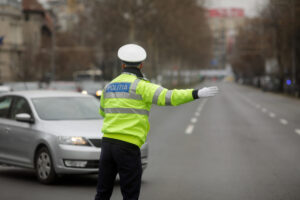
On a Wednesday afternoon in late July, a cop stood in the bushes on North Washington Avenue in Dunellen, New Jersey. Ghillie suit. Binoculars. A “Not a Cop” T-shirt. Six hours later, 74 drivers had tickets in hand — and a sharp reminder that “no one’s watching” is no longer a safe assumption in some of the most dangerous states to drive in.
New Jersey’s handheld cellphone ban has been on the books for years. Dunellen just demonstrated what happens when someone actually enforces it.
How a Shrub Became a Speed Trap
The mechanics were straightforward; the optics were anything but.
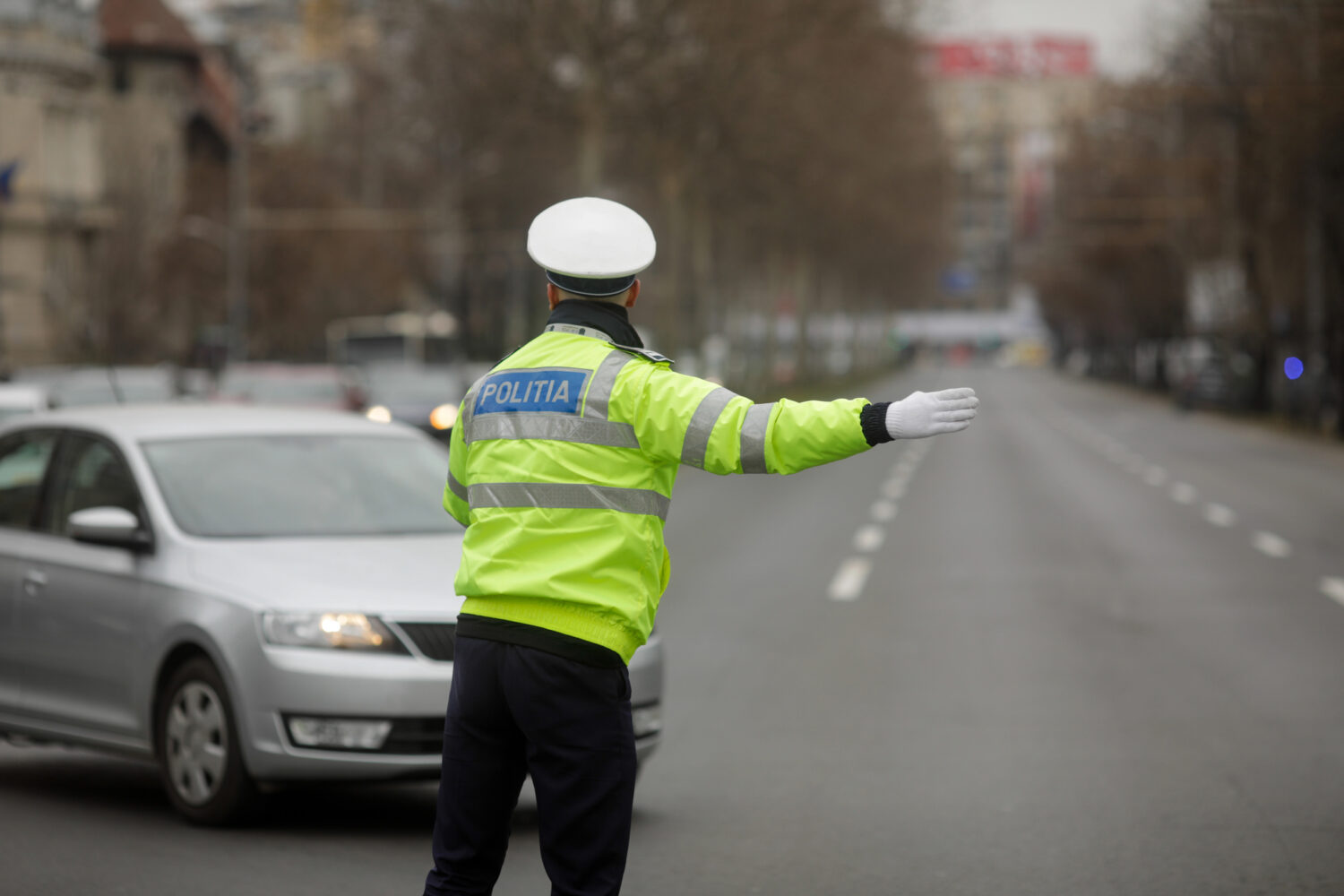
One officer, camouflaged in ghillie-style leafy gear, positioned himself near the roadside greenery of a busy, pedestrian-heavy downtown corridor in Middlesex County. He spotted drivers actively using phones, radioed nearby officers in marked units, and those officers made the stops. Det. Sgt. Nicholas Goldman later clarified to CBS News New York that the suit was not worn for the entire six-hour operation — it was partly a “creative, lighthearted way to draw attention to our safety efforts on social media.” The enforcement, however, was fully real.
Key details at a glance:
- 74 distracted-driving citations issued in six hours on North Washington Avenue
- First-offense fines under New Jersey’s handheld cellphone law reportedly run $200–$400, representing a significant sum in potential penalties across a single afternoon
- The shrub officer observed and radioed; marked-unit officers made all traffic stops
- Dunellen PD on Facebook: “Did you spot our ‘shrub’ today? If you had your head buried in your phone, probably not!”
- Similar covert tactics — officers reportedly disguised as construction workers or bus commuters — have appeared across other U.S. states
Why the Costume Actually Makes Sense
Marked cruisers tend to change driver behavior temporarily; a concealed observer sees what people actually do.
Here is the core problem with traditional enforcement: drivers spot the patrol car, put the phone down, pass the officer, and pick it back up. Behavior modifies for thirty seconds, then reverts. The Insurance Institute for Highway Safety (IIHS) has documented this dynamic, with research suggesting that California’s anti-phone law was associated with higher rear-end collision rates compared to neighboring states with stronger enforcement cultures — evidence that laws without consistent enforcement can function more as suggestions than deterrents, a pattern that has prompted federal regulators to act on other road-safety fronts as well.
A covert observer planted at the roadside like an overgrown ornamental shrub sees the unfiltered version: what drivers do when they believe the coast is clear.
“That text or notification can wait. Keep your eyes on the road, not your screen,” Dunellen PD wrote on Facebook.
Fair Trap or Gotcha Policing?
Social media pushed back with entrapment accusations — but the legal and practical arguments cut the other way.
Online threads and local commentary raised predictable “gotcha” objections. Worth addressing plainly: observing a violation and radioing a nearby officer does not constitute entrapment. Classic entrapment requires inducing someone to commit a crime they otherwise would not have committed — a standard these drivers did not meet.
The sharper counterargument is actually this: if a driver is distracted enough to miss a cop standing in a bush wearing a “Not a Cop” T-shirt, a marked cruiser probably would not have helped either.
In towns running operations like this, assuming no one is watching is a potential $400 gamble. The shrub is real. The fine is real. Put the phone down.