

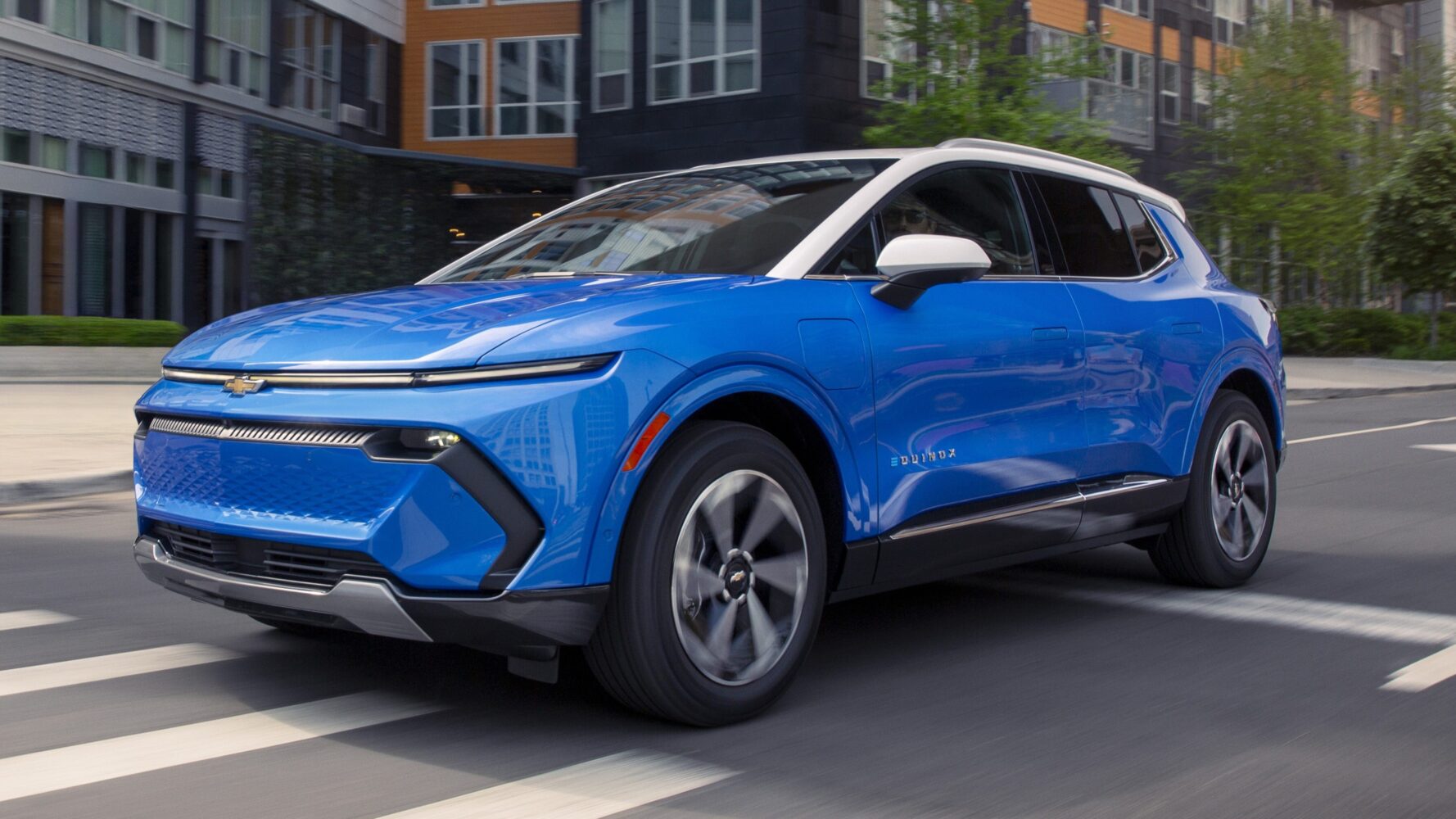
Barely two model years into production, GM is reportedly designing the Equinox EV’s replacement. According to GM Authority — citing sources familiar with GM’s plans — a second-generation Equinox EV will debut an entirely new architecture called BEV-N, with production targeted for late 2028 or early 2029 as a 2029 model year vehicle. GM has not confirmed any of this. A Chevrolet spokesperson told Car and Driver simply: “We cannot comment on future product plans.” For anyone cross-shopping compact EVs right now, that non-answer leaves a real decision hanging.
First-Gen, Meet Your Successor
GM reportedly taps the Equinox EV to launch its next-generation BEV-N platform, even as the current model is still finding its sales footing.
Think of a platform as the skeleton of a vehicle — it shapes range, charging speed, efficiency, and manufacturing cost. The current Equinox EV runs on BEV3, shared with the Blazer EV, Cadillac Lyriq, and several other GM models. BEV-N would be BEV3’s successor. According to GM Authority, echoed by InsideEVs and Electrek, the Equinox EV leads that transition. No specific BEV-N specs have been publicly detailed, but analysts expect improvements in efficiency, range, and potentially lower production costs — all of which remain speculation until GM says otherwise.
What We Know (and Don’t)
- The current Equinox EV launched for the 2024 model year; a 2029 replacement would give it roughly five years on BEV3.
- Starting price is $34,995; EPA range is 319 miles (FWD) and 307 miles (AWD) — though Car and Driver’s real-world highway test measured 260 miles for both.
- Chevy sold 57,945 Equinox EVs in 2025, making it the best-selling non-Tesla EV that year. Sales dropped sharply to 16,249 units in the first half of 2026, falling to fifth place behind the Toyota bZ and Hyundai Ioniq 5.
- The 2027 model reportedly gains a built-in NACS port, opening direct access to Tesla Superchargers.
- GM’s official position: “We cannot comment on future product plans.” — Chevrolet spokesperson, via Car and Driver.
For shoppers weighing the Equinox EV today, this news lands like a spoiler for a sequel nobody has officially greenlit. The current model is genuinely capable and still improving — NACS charging access and feature upgrades are coming through 2027. Waiting three-plus years for BEV-N means betting on an unconfirmed platform that might deliver better range and lower cost, or might simply arrive with its own first-year uncertainties.
Car and Driver characterizes Chevy’s affordable-EV strategy as “confusing” — the Bolt returned, won their EV of the Year test, and now coexists alongside a falling-sales Equinox EV whose reported replacement is already in engineering. That tension is worth naming honestly, even if it reflects the pace of the EV market more than any single misstep.
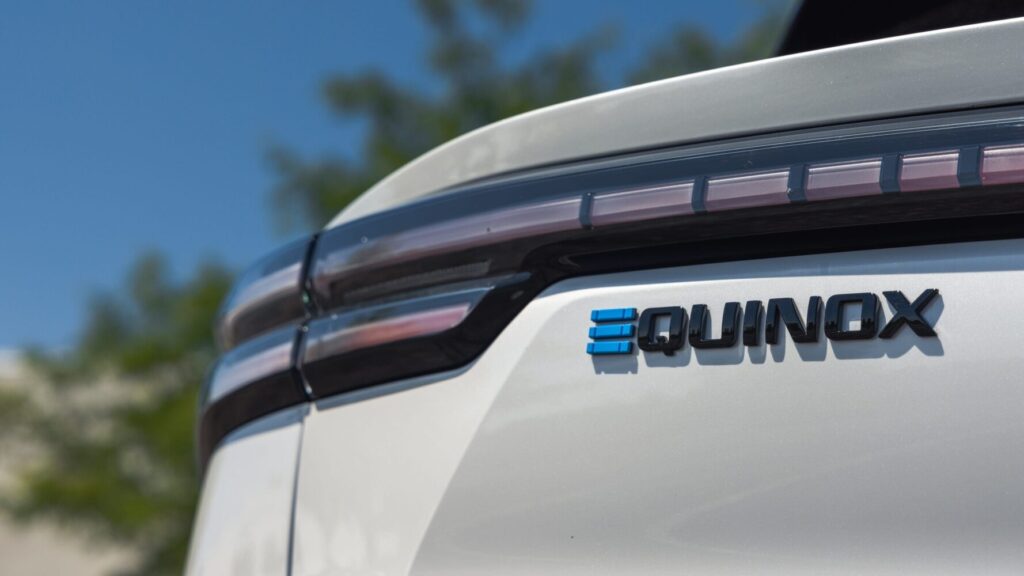
GM’s Long Game
Selecting the Equinox EV as BEV-N’s launch vehicle signals that GM views the nameplate as central — not expendable — to its affordable-EV future.
Automakers rarely wait for a current model to plateau before engineering its successor; that’s simply how competitive product cycles work. Reportedly, the Blazer EV and other models would follow the Equinox EV onto BEV-N in a staggered rollout — coordinated platform strategy, not a quiet retreat. Whether GM executes on that timeline is a separate question entirely, and one only an official announcement will answer.
Shoppers deciding now have a capable, improving vehicle in hand. The Equinox EV already delivers real-world range in the 260-mile neighborhood, a sub-$35,000 entry price, and Tesla Supercharger access arriving with the 2027 model. A BEV-N version may well be worth considering — but “reportedly” and “2029” are doing considerable heavy lifting, and the car that works for everyday life today is not the same as one that may or may not exist in three years.