

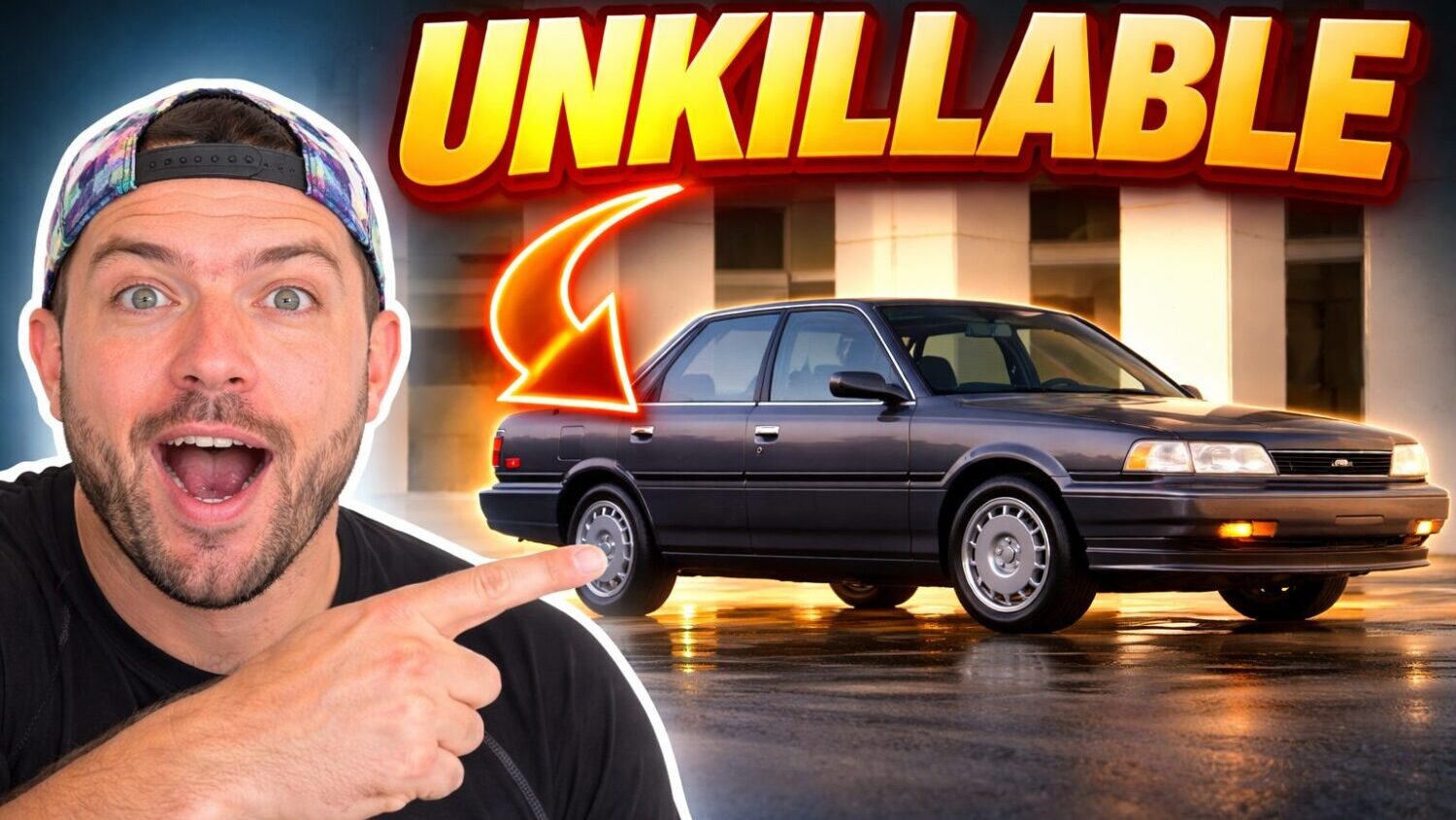
Some cars are built to a price. Others are built to last. The seven vehicles on this list fall firmly into the second category — engines and platforms engineered with enough margin and simplicity that they routinely reach mileage figures that would kill most modern vehicles. A 1990s Camry still running at 300,000 miles is not unusual. A Lexus LS400 with a documented million miles exists. A Toyota pickup that a Top Gear production crew spectacularly failed to destroy became television. These are not lucky survivors — they are the predictable result of engineers who prioritized durability over complexity.
7. Toyota Camry (Late 1990s) (Exterior)
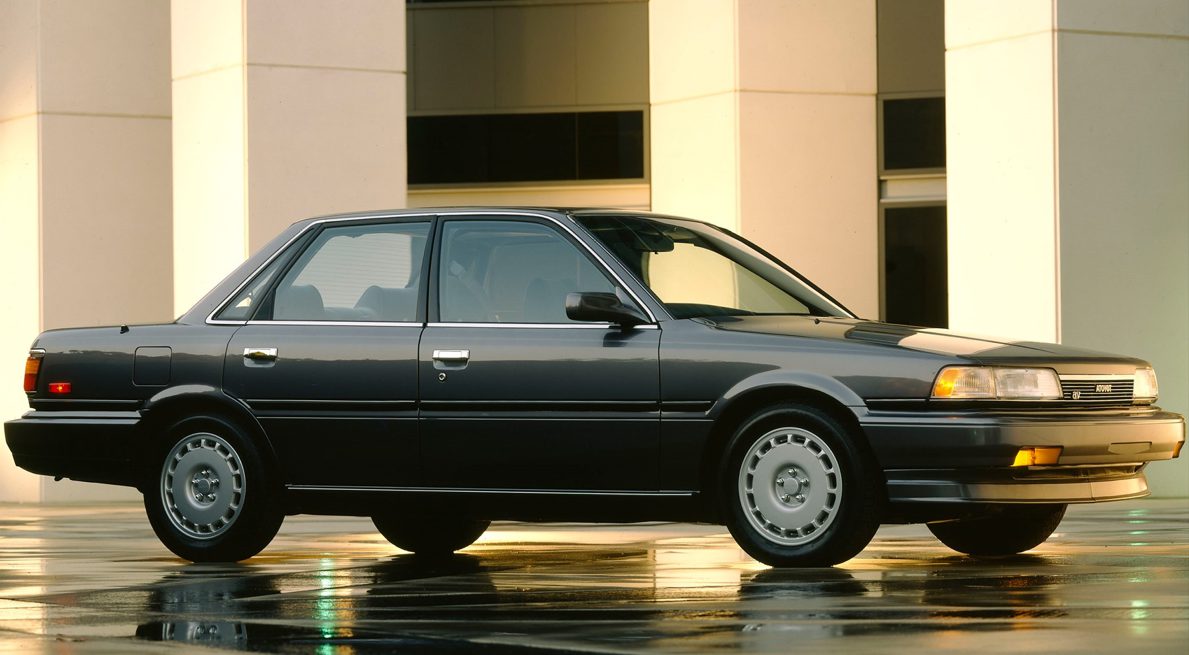
The late 1990s Toyota Camry set reliability benchmarks that competitors still measure against. The restrained Japanese exterior holds up physically — panel gaps stay consistent and doors close with factory-fresh solidity at mileage that would have other cars falling apart. Both available engines deliver exceptional longevity: the 2.2L 5S-FE four-cylinder and the 3.0L 1MZ-FE V6. The four-cylinder typically outlives the V6, which requires strict oil change intervals to prevent sludge buildup — a known weakness worth factoring into purchase decisions.
Toyota Camry (Late 1990s) (Interior)
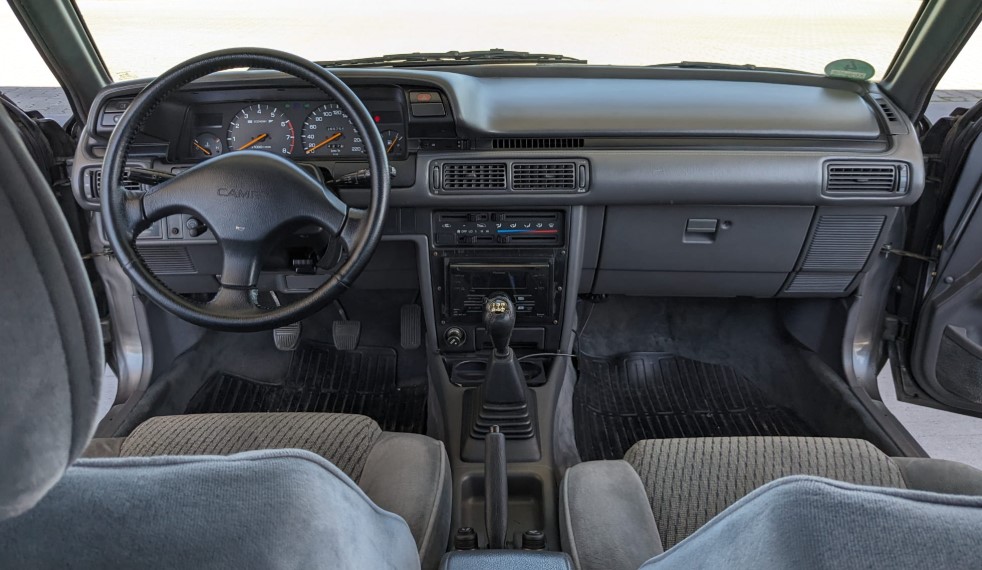
The interior prioritizes logic over aesthetics — seats deliver all-day comfort without the wear patterns that accumulate in sportier designs, and the controls are straightforward enough to remain functional indefinitely. High-mileage examples appear regularly in ride-share fleets, where the Camry’s durability under punishing daily use is well documented. Power steering rack leaks are the most common issue, and replacement parts are affordable. Solid examples under $3,000 are available with patience, making the value case straightforward for budget buyers.
6. Ford Crown Victoria (Exterior)
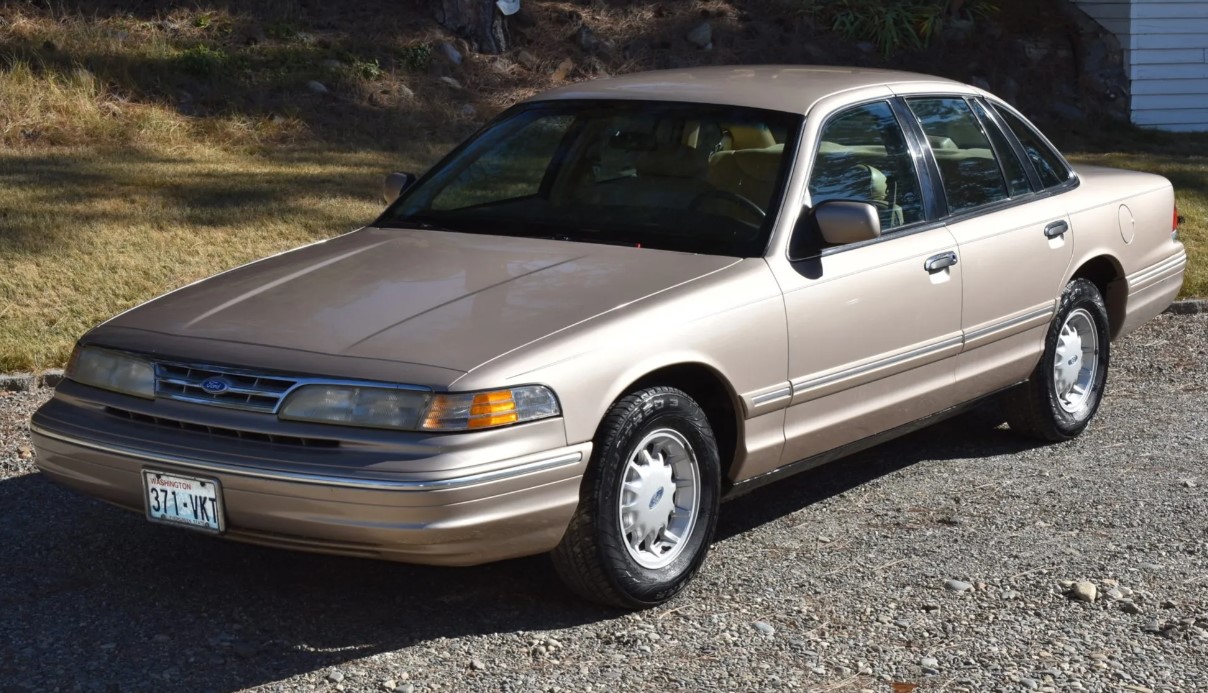
The Crown Victoria was engineered for durability rather than refinement, and its slab-sided design reflects that priority — every panel is accessible, every component reachable. These vehicles dominated police fleets for decades through a combination of mechanical simplicity and genuine toughness. Heavy-duty cooling systems and reinforced suspensions enabled survival in constant-use conditions that destroyed other platforms. The 4.6L modular V8 is the engine’s defining characteristic — it handles sustained idling and punishing service with documented longevity that few other American V8s of the era matched.
Ford Crown Victoria (Interior)
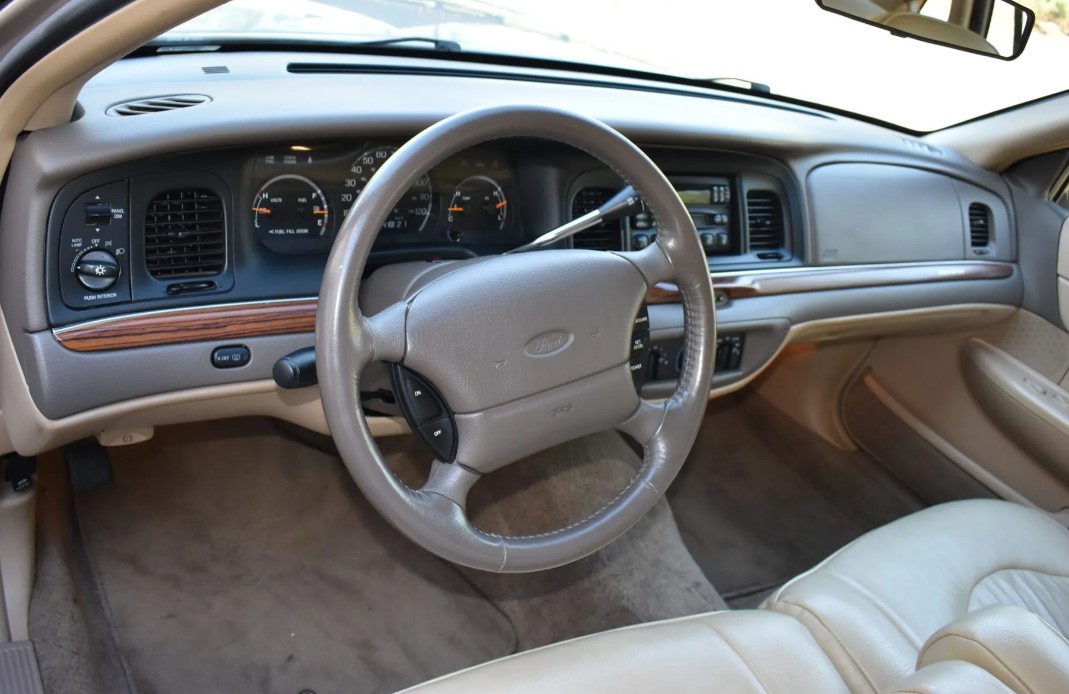
The bench seat accommodates all body types and resists the wear patterns that bucket seats accumulate. Controls are large, simple, and function reliably — designed for use with gloved hands rather than for visual appeal. Intake manifold coolant leaks are a known issue worth inspecting for, and they are fixable. Former police interceptors require extra scrutiny — their engine hour meters often reveal accelerated wear that odometer readings do not. The body-on-frame construction simplifies repair work and provides real crash protection as a secondary benefit.
5. Volvo 240 (Exterior)

The Volvo 240 prioritized interior space and occupant safety over aerodynamics, and the boxy exterior is the visible result of that decision hierarchy. The upright greenhouse delivers exceptional visibility that modern vehicles cannot match. Underneath the utilitarian bodywork sits the 2.3L B230F Redblock engine — a unit engineered specifically for long service life rather than peak performance. The rear-wheel-drive layout simplifies maintenance compared to the front-drive systems that became common in the 240’s era, and the overall engineering philosophy favored Swedish pragmatism over fashionable complexity.
Volvo 240 (Interior)

The seats provide support that makes long trips comfortable, and the dashboard layout is logical enough that controls remain intuitive after decades. The B230F engine routinely reaches 400,000 to 500,000 miles with proper maintenance — figures that reflect engineering decisions made before fuel economy targets began compressing design margins. Electrical issues are the primary weakness: budget for fusebox repairs as a routine ownership consideration. Volvo pioneered occupant protection in the 240, introducing safety features that became industry standards years after this platform established them. For buyers who want to combine that safety record with a lower purchase price, here are current options that balance safety and affordability.
4. Honda Accord (Early 2000s) (Exterior)
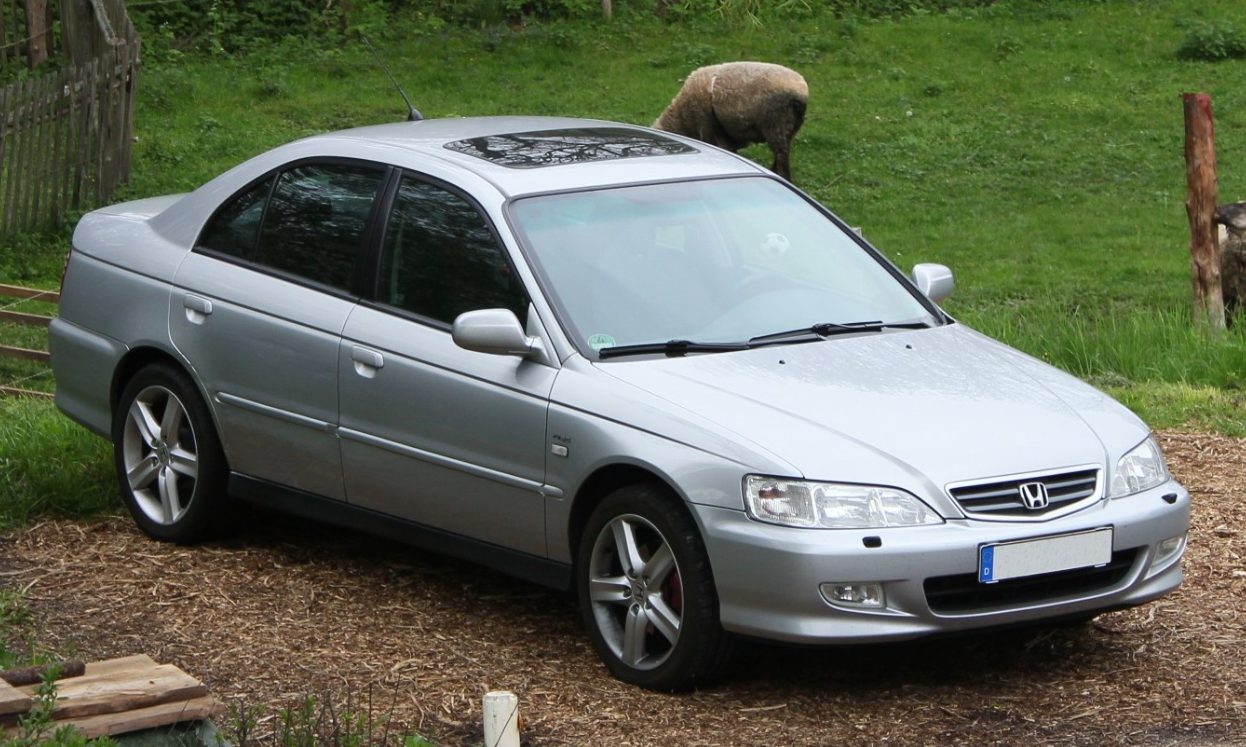
The early 2000s Accord balanced contemporary styling with the kind of visual restraint that ages without embarrassment. Both available powerplants — the 2.4L K-series four-cylinder and the 3.0L J-series V6 — deliver the longevity the Accord’s reputation is built on, with basic maintenance as the primary requirement. The K-series uses an interference design, unlike earlier F-series engines, which makes timing belt service non-negotiable. Panel fit holds up well decades later — doors still close with the solid thunk that communicates build quality to anyone who has compared them to lesser cars of the era.
Honda Accord (Early 2000s) (Interior)
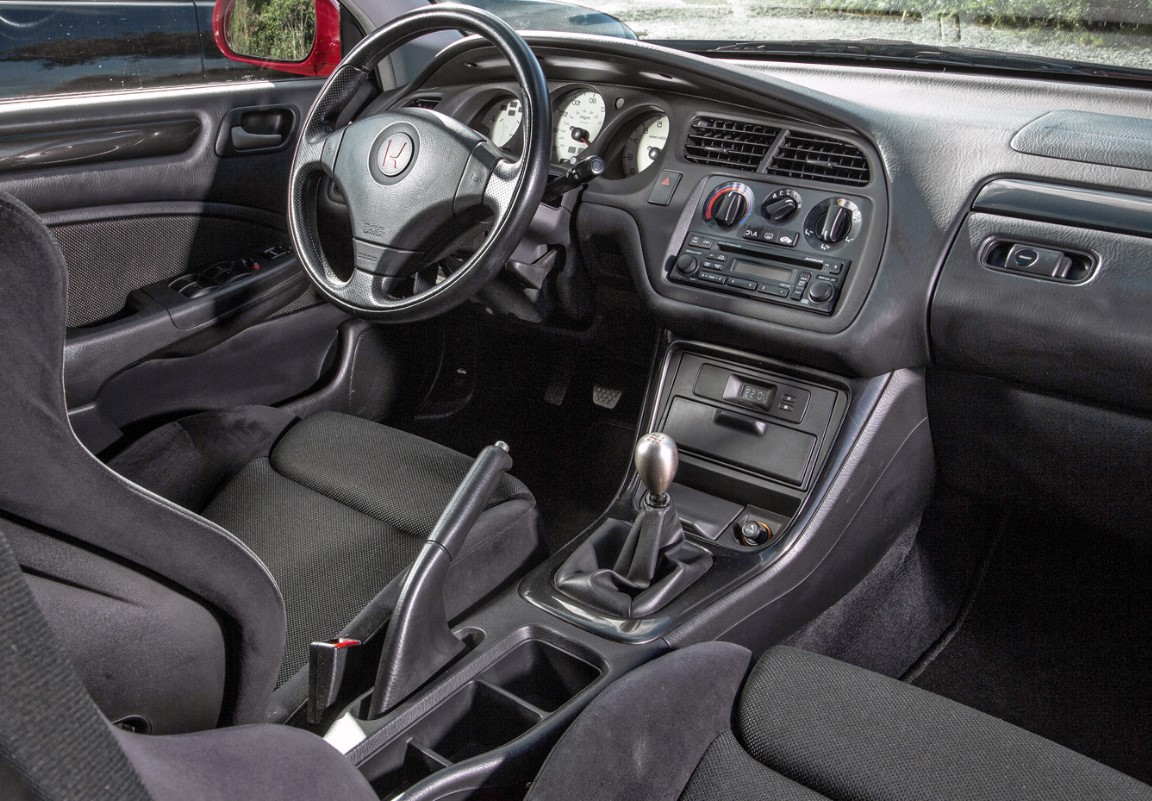
The interior uses materials that prioritize durability over luxury — seat bolsters resist wear, dashboard button lettering survives thousands of presses, and climate controls function reliably while competing systems develop problems. The one area requiring careful attention at purchase is the transmission: V6 automatic transmissions developed a documented reputation for failures that the four-cylinder did not share. Northern examples require rust inspection. Pre-2003 models carry the added benefit of double-wishbone suspension on all four corners, delivering handling quality that Honda quietly eliminated in later generations.
3. Lexus LS400 (Exterior)
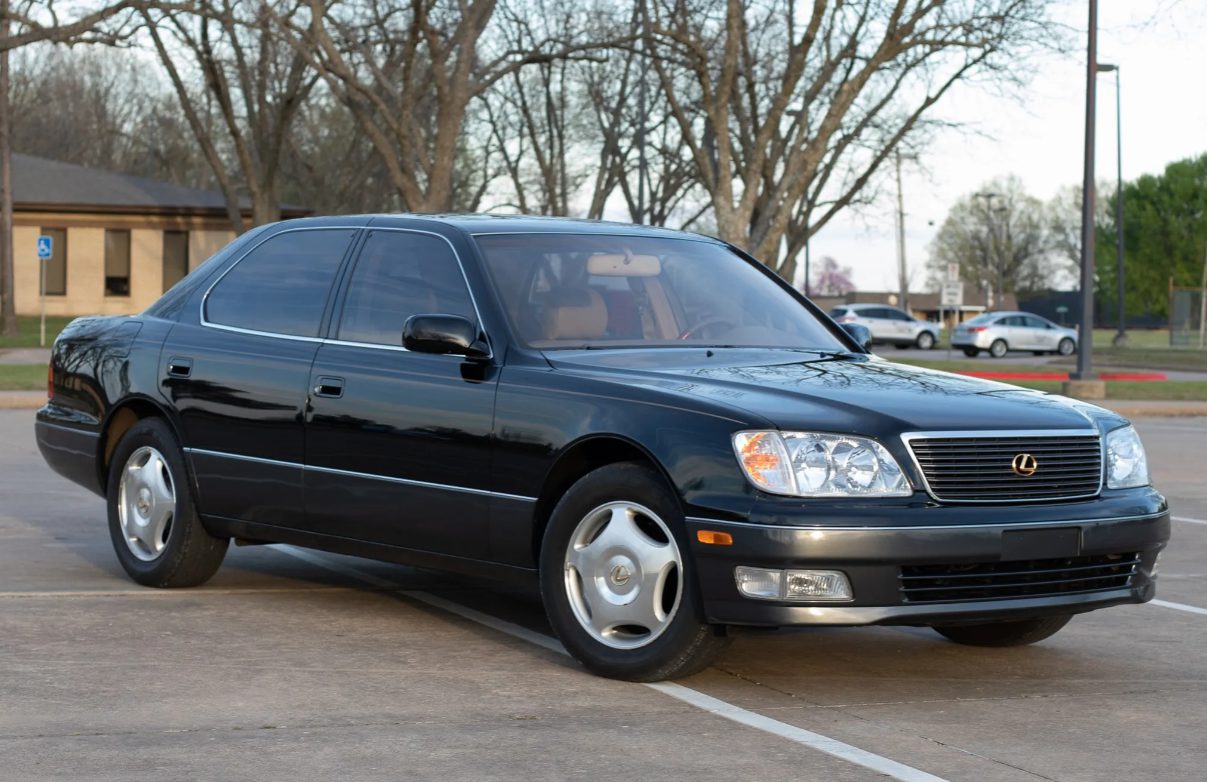
The LS400 was assembled with a level of precision that Toyota documented through details like assembly workers wearing surgical booties to prevent contamination of finished surfaces. The aerodynamic profile was competitive for its era, and the panel gaps remain consistently tight decades later — a visible indicator of the manufacturing standards that produced them. The 4.0L 1UZ-FE V8 is the mechanical heart of the LS400’s reputation: a naturally aspirated V8 engineered with substantial reliability margins that has produced documented examples reaching extraordinary mileage. One 1996 specimen crossed the million-mile barrier despite having over 100 different drivers.
Lexus LS400 (Interior)
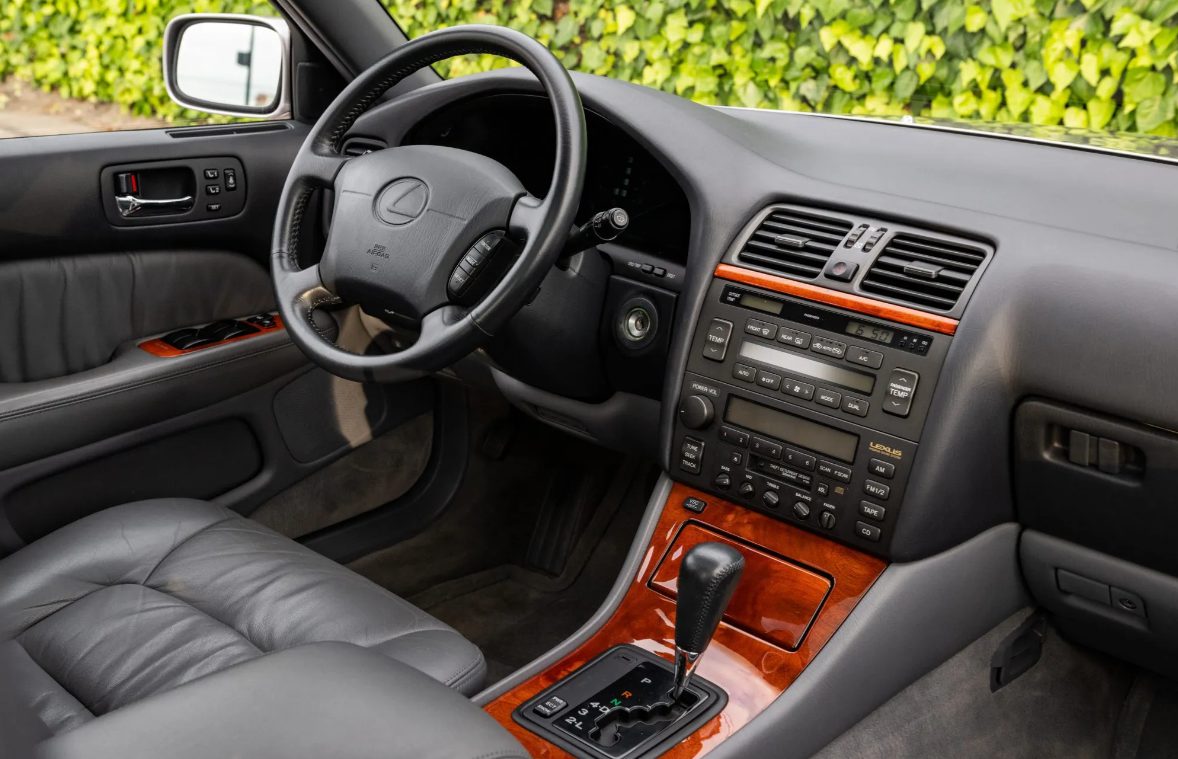
The leather seats develop character rather than deteriorating, dashboard materials resist UV damage at a rate that European luxury contemporaries could not match, and wood trim holds its finish for decades. The electrical systems function reliably while competing luxury vehicles of the same era accumulate fault codes. The critical maintenance item is the timing belt at 90,000-mile intervals — skipping this service is the primary mechanical risk in any used LS400 purchase. The million-mile examples required real investment to achieve those figures, but the service life they demonstrate explains why these cars remain worth maintaining.
2. Toyota Pickup (1980s-1990s) (Exterior)
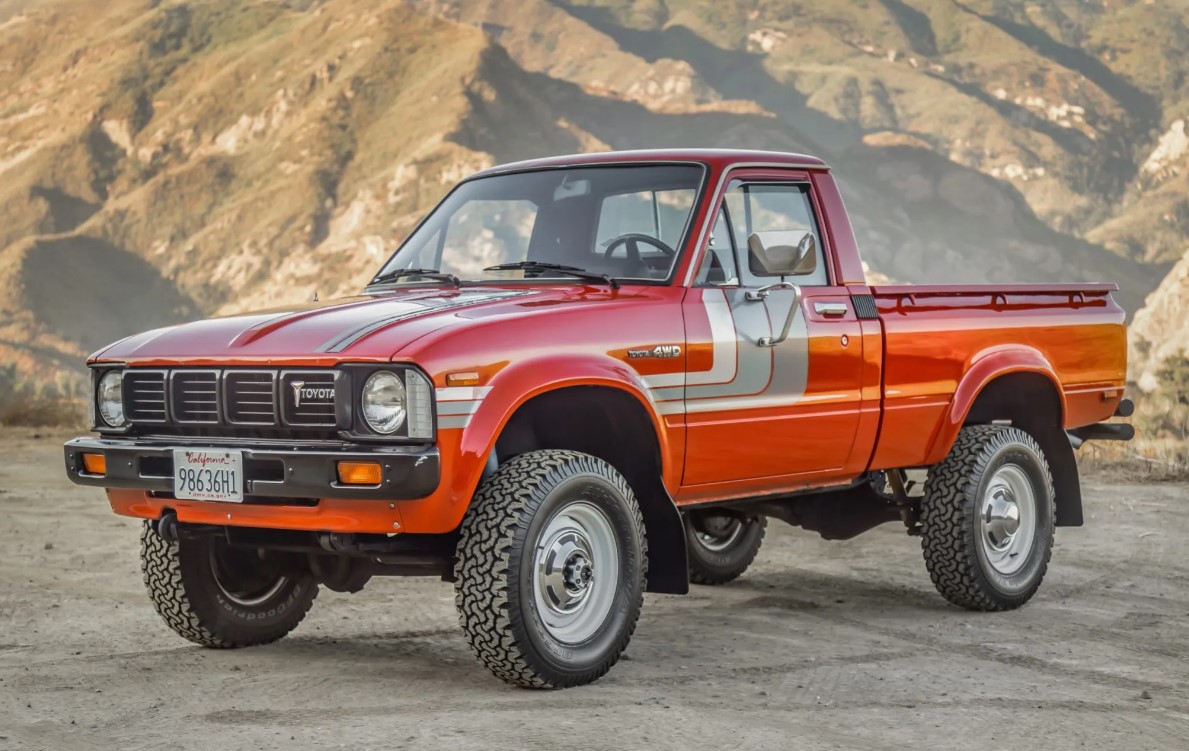
Toyota’s 1980s and 1990s pickups were built around function — generous ground clearance, good approach angles, and a body design that put no engineering budget toward anything that did not contribute to capability or longevity. The 22R-E four-cylinder combines exceptional reliability with straightforward repair access that makes home mechanics genuinely viable. The reputation these trucks carry is not marketing — Top Gear’s production team attempted to destroy one through sustained, inventive abuse and failed, producing one of the more honest product demonstrations in automotive television history. Rust is the real threat; inspect frame rails carefully before any purchase.
Toyota Pickup (1980s-1990s) (Interior)
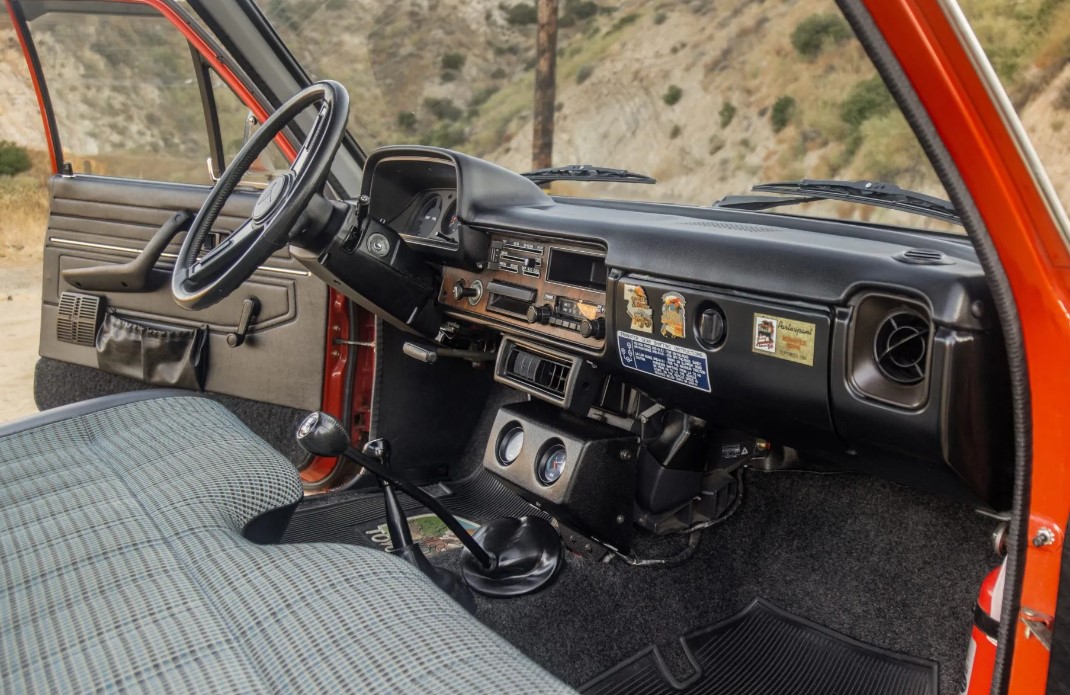
The interior is straightforward and built to endure — cloth seats, intuitive controls, and nothing that was not required. Dashboard plastics suffer under prolonged sun exposure, but the mechanical components continue operating regardless of cosmetic condition. Mechanical fuel injection contributes reliability without the complexity that hurts later systems. Market prices for high-mileage examples typically run $4,500 to $6,000 — significant for vehicles of this age, which reflects what buyers consistently discover when they compare the long-term cost of ownership against cheaper alternatives that wear out faster.
1. Lexus RX300 AWD (Exterior)
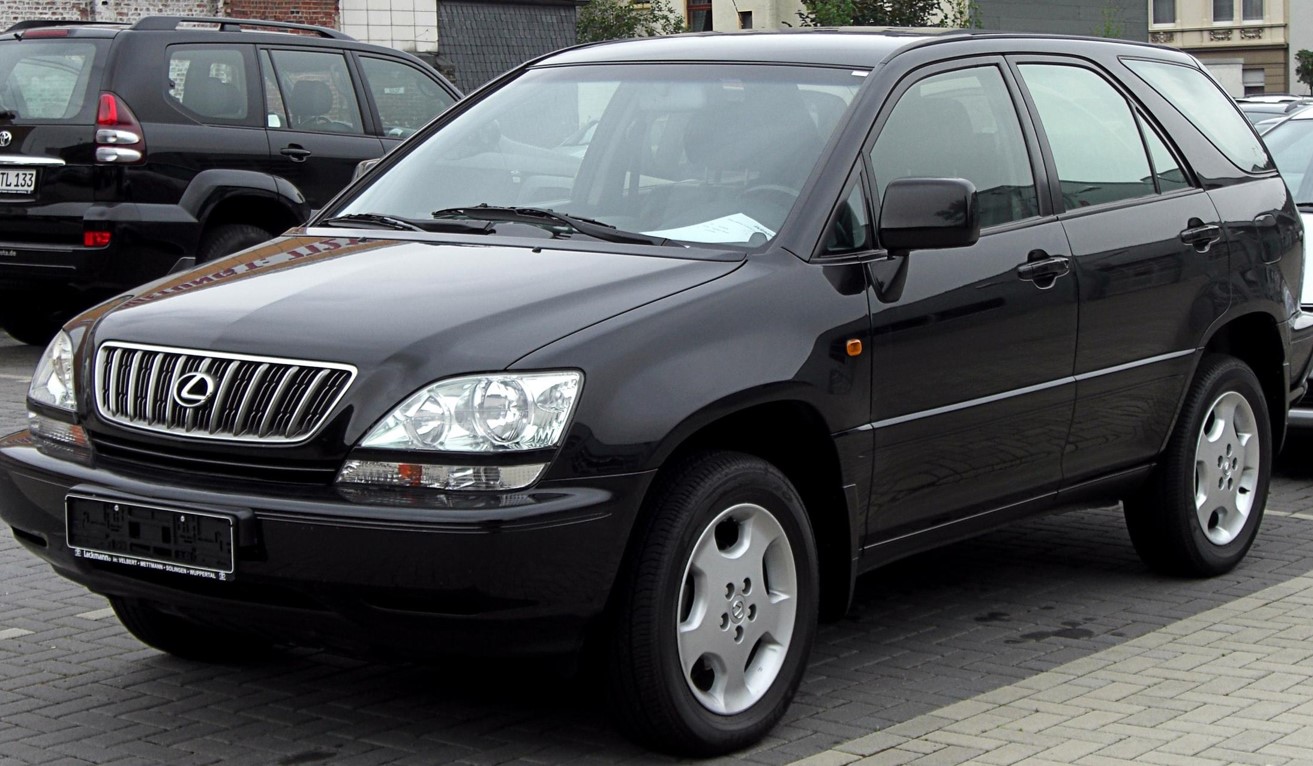
The Lexus RX300 created the luxury crossover segment before crossover became a category name that every manufacturer pursued. The aerodynamic profile reduces wind noise while maintaining useful ground clearance, and the unibody construction delivers car-like handling alongside family-sized utility. The available permanent AWD system adds all-weather capability without the reliability compromise that complex all-wheel-drive systems typically impose — a notable engineering achievement for a vehicle of this era’s complexity level.
Lexus RX300 AWD (Interior)
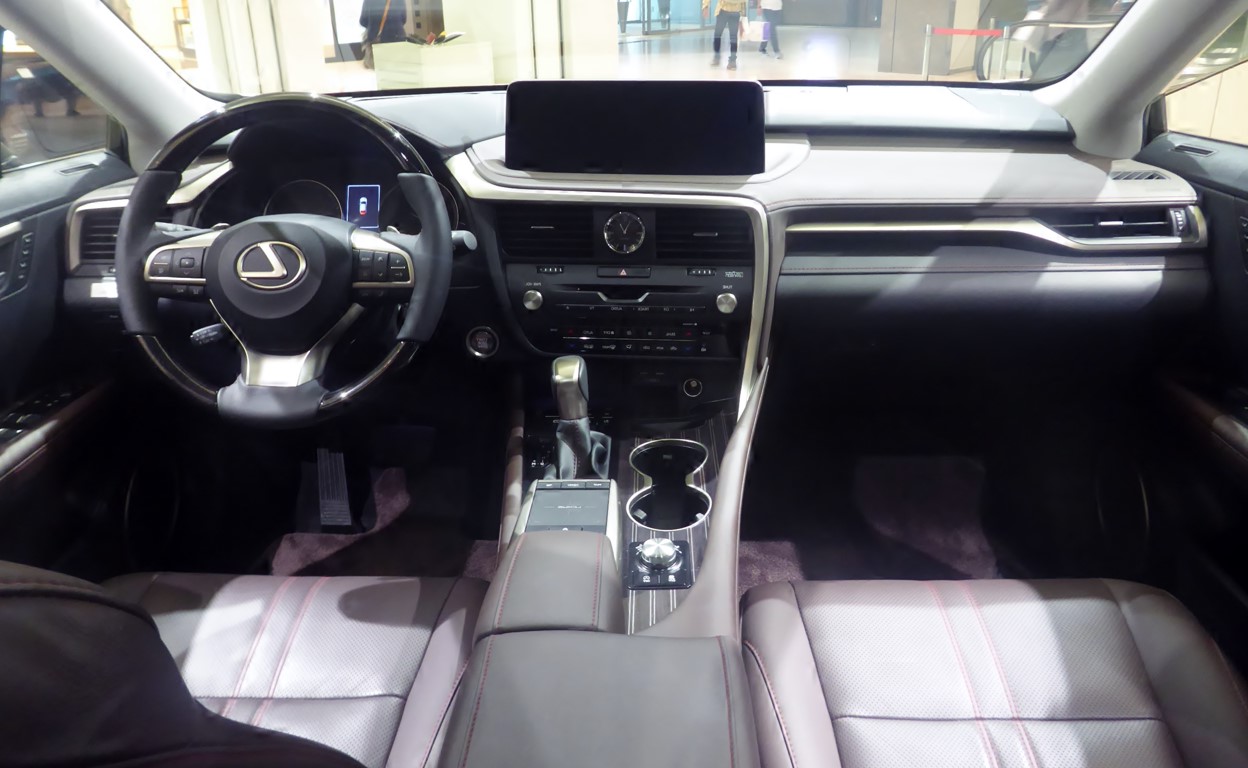
Seat leather ages well, wood trim holds its appearance, and the ergonomic layout reflects deliberate design rather than feature accumulation. The 3.0L 1MZ-FE V6 delivers refined power with the reliability the engine established across multiple Toyota and Lexus platforms. Transmission service after 150,000 miles is the primary budget item to plan for. Some examples reach 500,000 miles, though those represent the high end of the distribution rather than typical outcomes. At $4,000 to $7,000 on the current market, the RX300 delivers genuine luxury-vehicle experience at a price that makes the ownership cost calculation straightforward. For a broader look at what makes these engines last, the most reliable engines ever built covers the mechanical principles behind the longevity figures these vehicles regularly achieve.