

That “40% lower injury rate” statistic for electric vehicles sounds impressive until you peek behind the curtain. Those numbers reflect more than just superior engineering—they capture who’s actually buying these cars.
The Demographics Behind the Data
EV buyers skew older, wealthier, and more cautious than typical gas car purchasers.
Your typical Tesla Model 3 owner isn’t a 22-year-old with a fresh license and a lead foot. EV buyers tend to be older professionals who drive carefully, park in garages, and take fewer risks.
When insurance companies report lower injury claims for electric vehicles, they’re measuring a composite of vehicle design and driver behavior. Since human error accounts for roughly 90% of crashes according to safety researchers, the “safest car” crown might actually belong to the most careful drivers.
Strip away the demographic advantage, and the picture becomes murkier. Put the same cautious professionals in well-equipped gas sedans with modern safety tech, and much of that apparent EV safety edge would likely evaporate.
The Weight Problem Nobody Talks About
Extra battery mass protects EV occupants while endangering everyone else on the road.
Modern EVs pack hundreds to over a thousand pounds more mass than comparable gas models, thanks to massive battery packs. The Insurance Institute for Highway Safety put it bluntly: EVs are “just as safe as other vehicles for their occupants” but “will put other road users at risk.”
Physics doesn’t negotiate. In multi-vehicle collisions, that extra weight becomes armor for those inside while transferring devastating force to smaller cars. Heavier vehicles need longer stopping distances and hit pedestrians with more force.
As EV adoption accelerates, we’re essentially conducting a mass experiment in redistributing road risk from EV drivers to everyone else.
When Less Fire Risk Meets Emergency Challenges
EVs burn less frequently but create unique response scenarios.
The fire statistics favor electric vehicles dramatically—roughly 25 fires per 100,000 EVs versus 1,530 per 100,000 gas cars. But when lithium-ion batteries do ignite, they behave like automotive phoenixes, potentially reigniting days after appearing extinguished.
Battery fires burn hotter, produce toxic gases, and can self-generate oxygen—making them nearly impossible to suppress with traditional methods. Fire departments now train for scenarios where an EV parked in your garage becomes an uncontrollable inferno that standard sprinkler systems can’t touch.
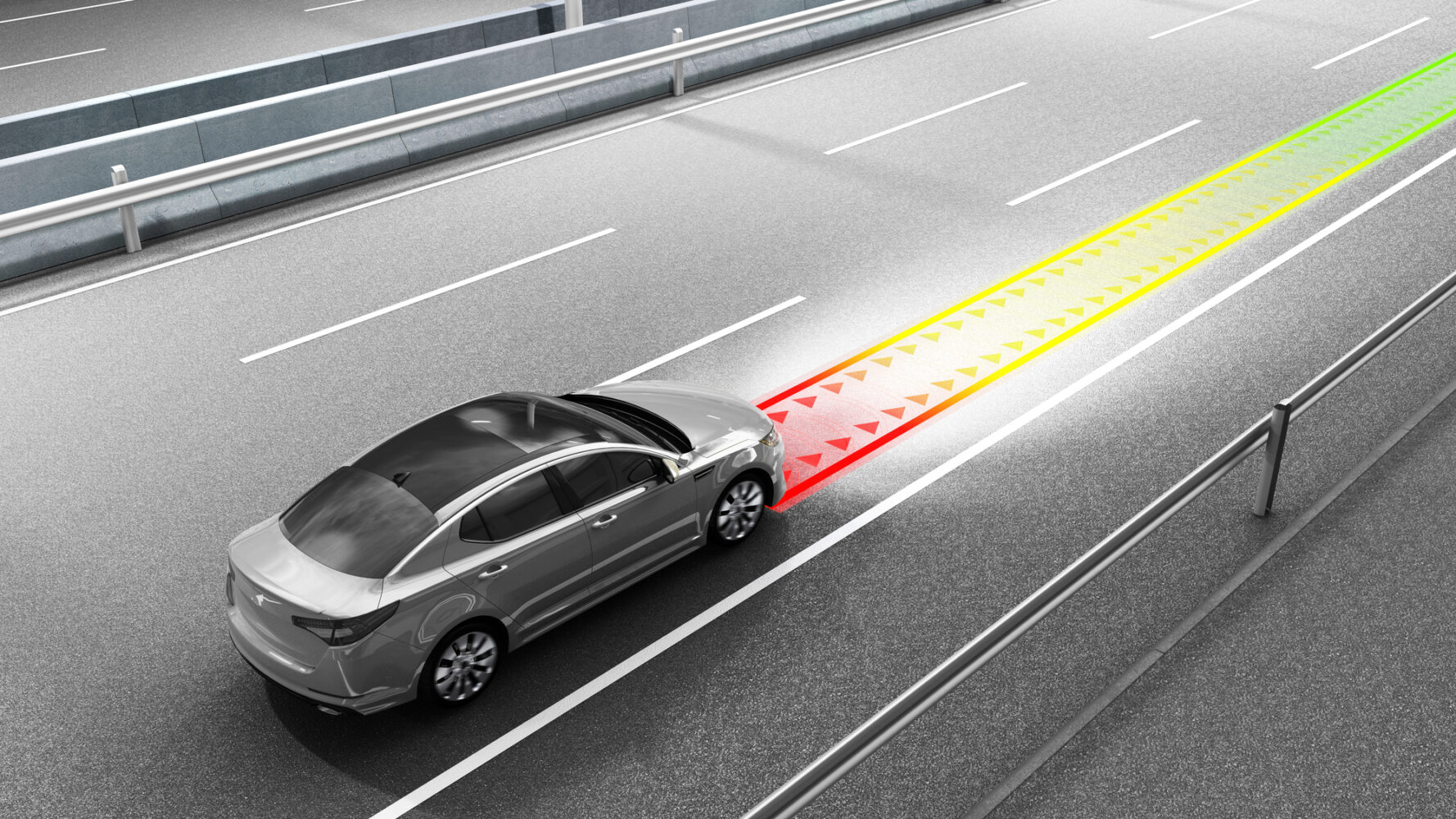
Meanwhile, those impressive crash-avoidance systems create their own blind spots. Drivers grow complacent, treating lane-keeping assist like autopilot and adaptive cruise control like a green light to check Instagram. The same technology preventing fender-benders can enable catastrophic crashes when drivers zone out entirely.
The safest car remains the one piloted by an engaged human—regardless of whether electricity or gasoline moves the wheels.