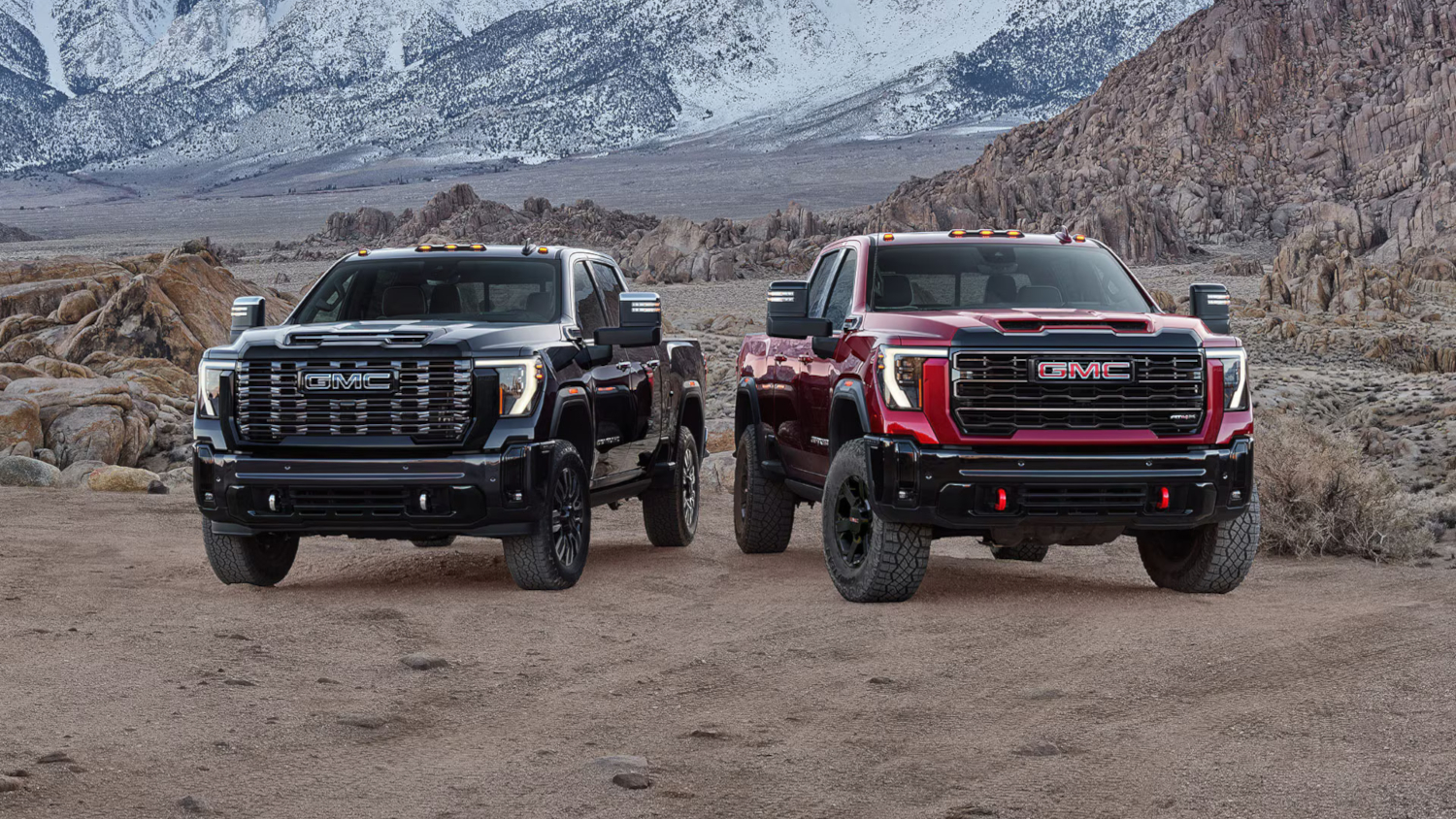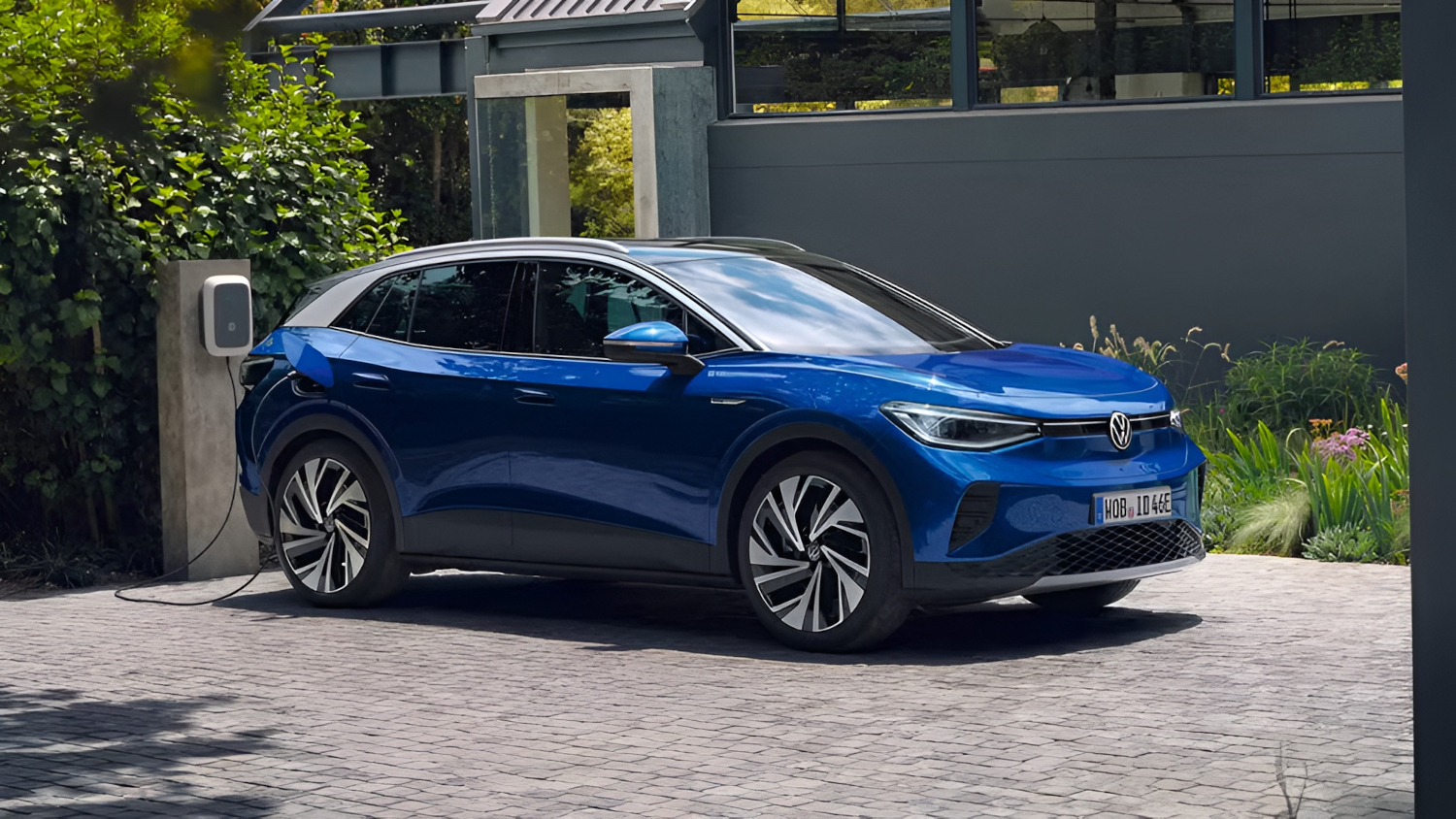


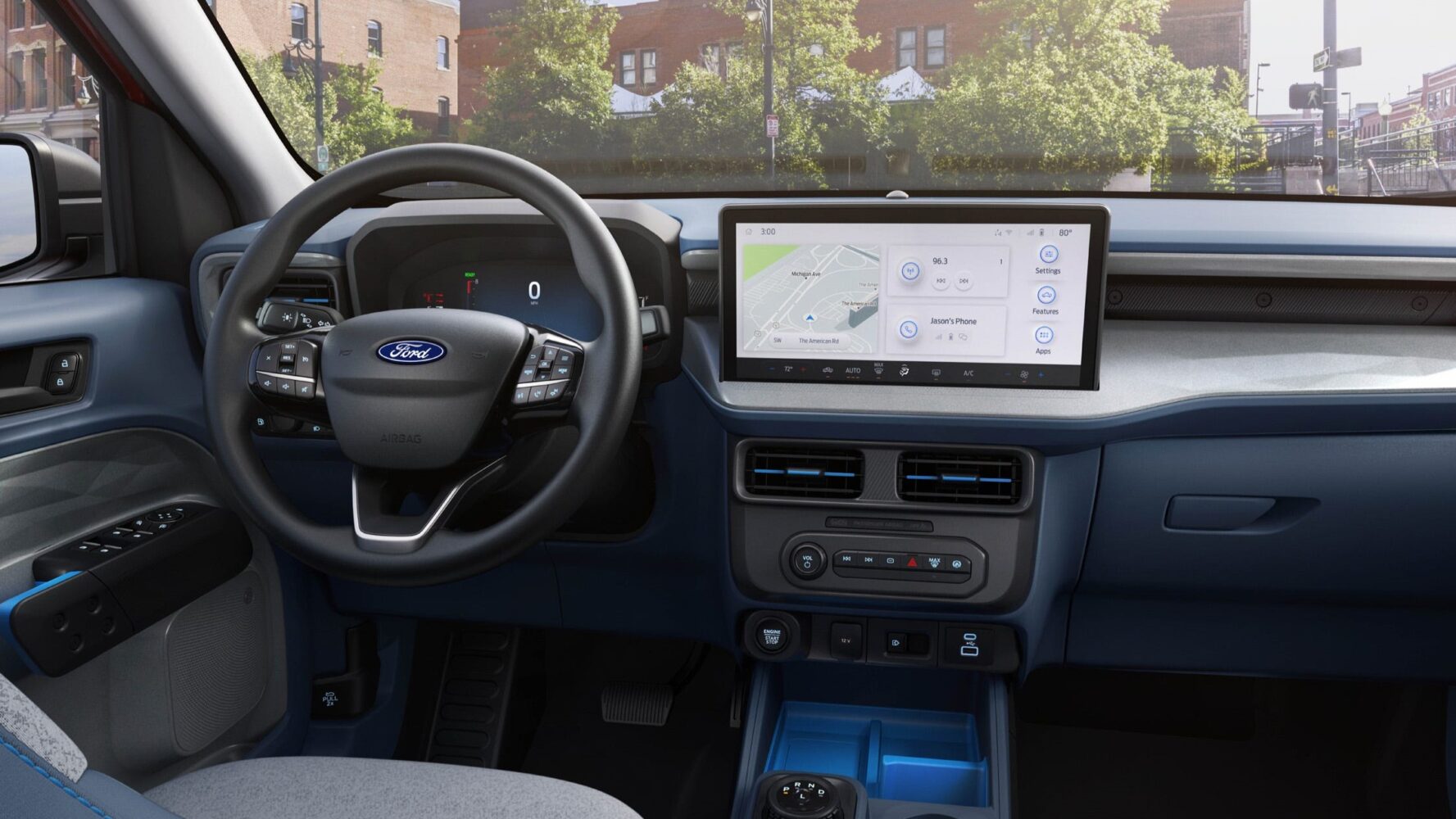
Most in-car navigation feels like software held together with good intentions — your phone projecting directions onto a screen that barely cooperates. Ford and Apple are betting they can do better. Starting in 2027, Apple Maps will be embedded directly into Ford’s new Universal Electric Vehicle (UEV) platform, debuting on a midsize electric pickup — roughly Maverick-sized, according to multiple reports — built in Louisville, Kentucky, and targeting roughly $30,000. Ford hasn’t confirmed the truck’s name, though industry speculation suggests it may be called Ranchero.
Not Your CarPlay Shortcut
This integration runs inside the vehicle’s own software, not projected from your phone.
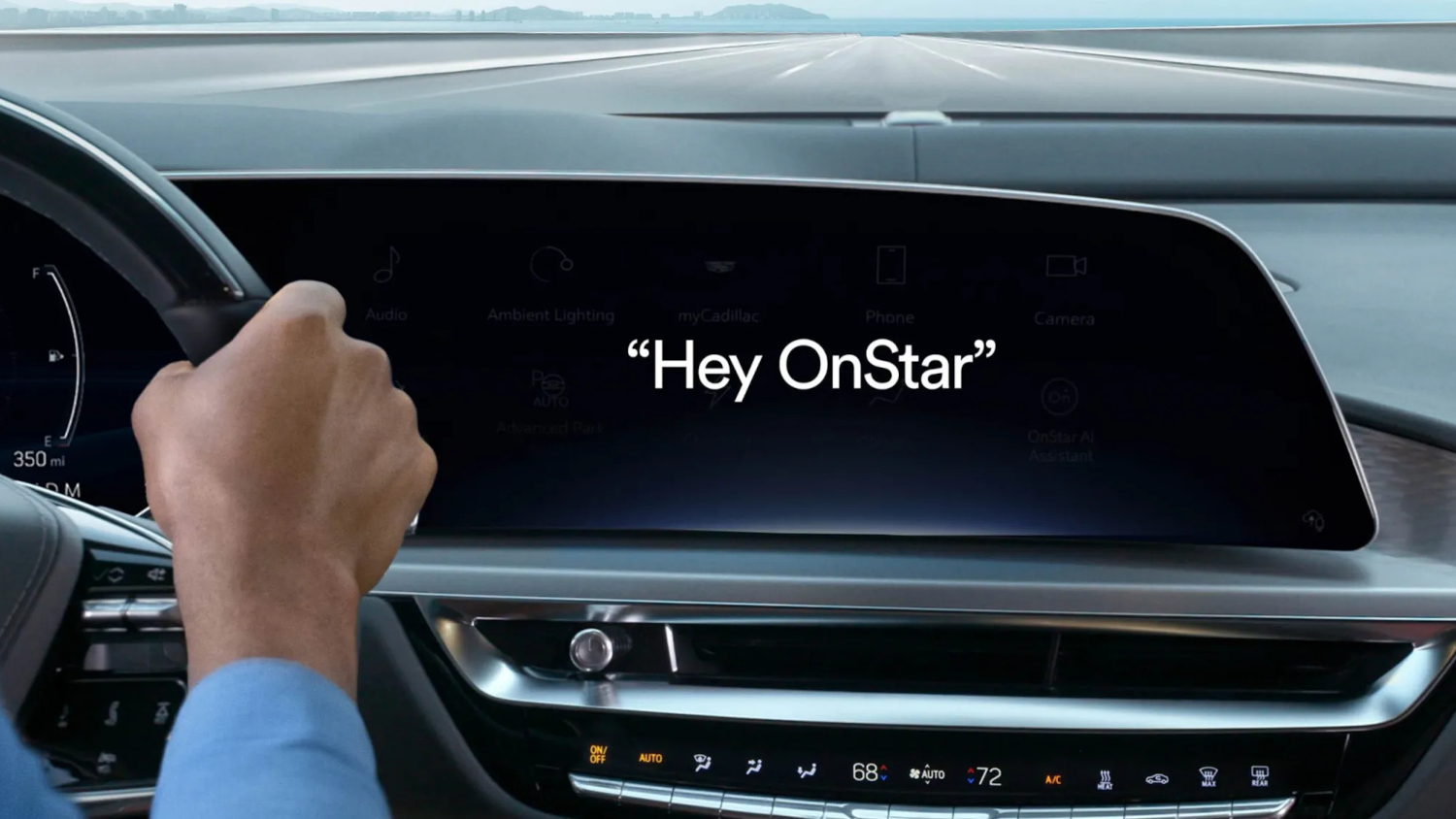
CarPlay projects your iPhone’s maps onto the dashboard screen; disconnect the phone, and the maps disappear. Ford’s UEV trucks work differently. Apple Maps will live inside the vehicle’s own software stack, powered by Apple’s new MapKit for Automotive SDK — a developer tool that lets automakers embed and customize Apple Maps within their own interface. Drivers can use the built-in navigation even without an iPhone connected, a meaningful departure from Apple’s usual hardware-first approach.
What the integration actually delivers:
- Turn-by-turn navigation, real-time traffic, and place search — plus EV-specific charging station discovery
- Battery preconditioning: the system warms the battery pack before arrival at a charger so fast-charging begins at peak speed
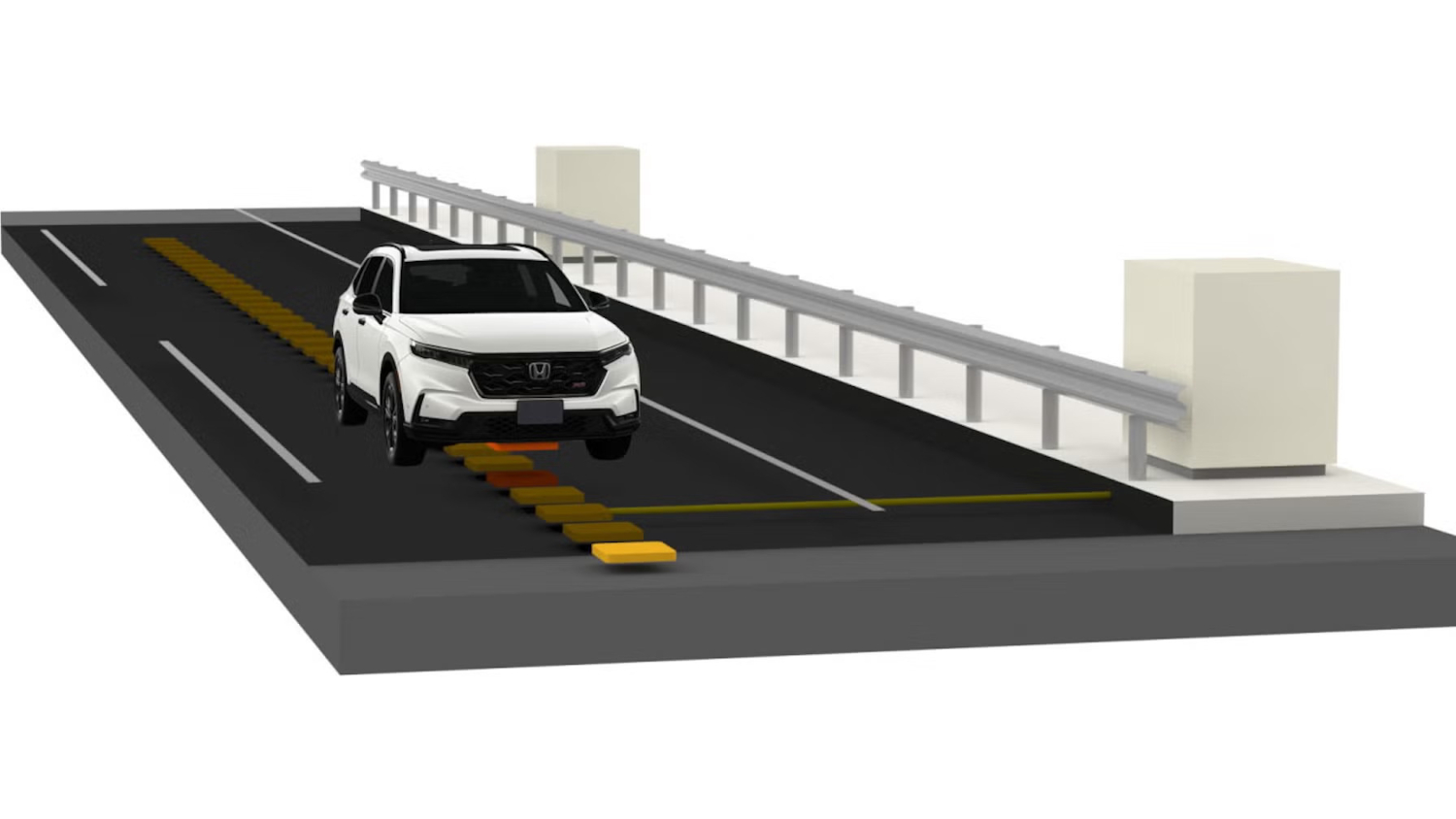
- Road-level map data — on-ramps, lane configurations, interchange geometry — feeding Ford’s Latitude AI division to sharpen BlueCruise and future hands-free driving systems
- Privacy protections: location and map-usage data are not tied to any identifiable individual, consistent with Apple Maps on iPhone
- Ford CEO Jim Farley positioned the company as “among the first” automakers to adopt MapKit for Automotive, signaling Apple intends a broader rollout to other manufacturers
Eddy Cue, Apple’s SVP of Services, is quoted in Apple’s July 2026 announcement describing the integration as delivering “the best map experience in the world.” That framing places Apple in direct competition with Google’s embedded Android Automotive solutions, which many analysts see as having quietly gained ground in OEM deals. The contest between these two navigation stacks — Apple’s MapKit versus Google’s automotive platform — is shaping up to be one of the defining software rivalries of the next EV generation.
Autonomy at a Price You Can Actually Afford
Ford’s Latitude AI will use Apple’s detailed road data to broaden BlueCruise and push toward more capable hands-free driving.
Latitude AI, Ford’s in-house autonomy unit, will use Apple’s granular road data to advance BlueCruise — currently hands-free on designated highways, with driver attention still required — toward wider geographic coverage. Ford has outlined a roadmap toward Level 3 “eyes-off” capability, though that milestone is targeted for 2028 and beyond; the 2027 truck will launch with current BlueCruise functionality as a foundation. Ford’s stated goal, per Morningstar reporting, is to “democratize autonomy at an attainable price point,” making hands-free driver assistance broadly accessible rather than reserved for flagship models.
A $30,000 electric pickup with Apple-backed navigation and steadily improving hands-free technology is either the most accessible EV software package yet assembled — or an ambitious promise still being road-tested. If it lands, it sets a new expectation for what affordable EVs are expected to deliver on software.