


Modern vehicles carry features that most drivers either never discover or discover too late — at a gas station pump on the wrong side, in a dark parking lot with a dead key fob, or during the first icy morning of November. These 14 features range from passive design details that require no activation to active safety systems that operate faster than human reaction time allows. Knowing they exist and understanding how they work is the difference between using your vehicle as designed and using it as a basic transportation appliance.
14. Transmission Reset Trick

Most post-1996 vehicles with electronic transmissions store adaptive memory in the Transmission Control Module — learned shift patterns based on accumulated driving behavior. When that memory produces jerky shifts, delayed engagement, or a stuck gear, the fix is often a reset rather than a repair. The procedure typically involves a specific sequence of ignition cycles and holding the accelerator pedal for approximately 15 seconds, returning the module to factory settings. No tools, no disassembly. If the reset does not hold, the underlying issue is mechanical and needs professional diagnosis — but many transmission complaints resolve at zero cost this way.
13. Blind Spot Monitoring

Blind spot monitoring uses radar sensors behind the rear bumper fascia to continuously scan adjacent lanes and alert drivers when a vehicle enters the zone that mirrors do not reliably cover. A comprehensive GM and University of Michigan study found the technology reduces side-swipe collisions by up to 26%. The sensors can be temporarily compromised by heavy rain or road grime accumulation — a practical reminder that keeping a quality car vacuum handy matters for sensor performance as much as interior cleanliness. The system functions as an alert mechanism, not a substitute for mirror checks and shoulder checks before lane changes.
12. Gas Cap Fuel Tank Side Indicator
The small arrow next to the fuel pump icon on your dashboard indicates which side of the vehicle the fuel cap is on. It appeared on most vehicles around 2000 and requires no activation, no maintenance, and no learning curve. On older vehicles without the arrow, the handle direction on the fuel pump icon sometimes indicates the correct side. The solution to pulling up on the wrong side at the pump has been built into the dashboard for decades — it just requires knowing to look for it.
11. Starting Car with Dead Remote

Most push-button start vehicles built since the late 2000s include a passive RFID chip in the key fob that communicates with the vehicle’s ignition system without requiring battery power. When the fob battery dies, holding the fob directly against the start button allows the chip to transmit its signal and start the engine. Sensor location varies by manufacturer — some require placement in a specific cup holder or console position — so confirming the procedure in your owner’s manual before the situation arises is worth the two minutes it takes. Cold weather accelerates fob battery drain, making this the most useful trick to know heading into winter.
10. Road Condition Indicators

The snowflake warning light uses a temperature probe near the front bumper to alert drivers when outside air approaches freezing — typically triggering around 37°F (3°C). Accident rates increase by over 25% in near-freezing conditions, precisely because roads can look normal while black ice has already formed. The warning gives drivers time to reduce speed and increase following distance before conditions deteriorate visibly. The sensor can read slightly high due to engine heat or traffic proximity, so treat it as an early advisory rather than a definitive road condition report. The appropriate response is the same regardless — slower speed, increased following distance, and gentler inputs.
9. Adaptive Cruise Control

Adaptive cruise control uses radar and cameras to monitor traffic ahead and automatically adjust vehicle speed to maintain a set following distance, including braking to a complete stop in advanced versions. The practical benefit beyond convenience is measurable — eliminating constant micro-adjustments reduces driver fatigue on long journeys more effectively than most recovery strategies. The system responds to slowdowns in milliseconds, significantly faster than human reaction time. Older systems have limitations with stationary objects; set longer following distances in poor weather regardless of system capability. ACC assists the driver — it does not remove the driver’s responsibility to remain attentive and ready to intervene.
8. Backup Mechanical Key

Every keyless entry fob contains a physical mechanical key, typically released by a small button or slider on the fob body. Most vehicles conceal a corresponding keyhole under a small cap or panel on the driver’s door handle — designed for aesthetics but present for emergencies. This key works during complete electrical failures, dead fob batteries, or any scenario where the electronic entry system is unavailable. Locating both the key inside the fob and the concealed door keyhole before needing them is the preparation that makes this feature useful rather than a theoretical backup you discover too late.
7. Tire Pressure Monitoring System (TPMS)
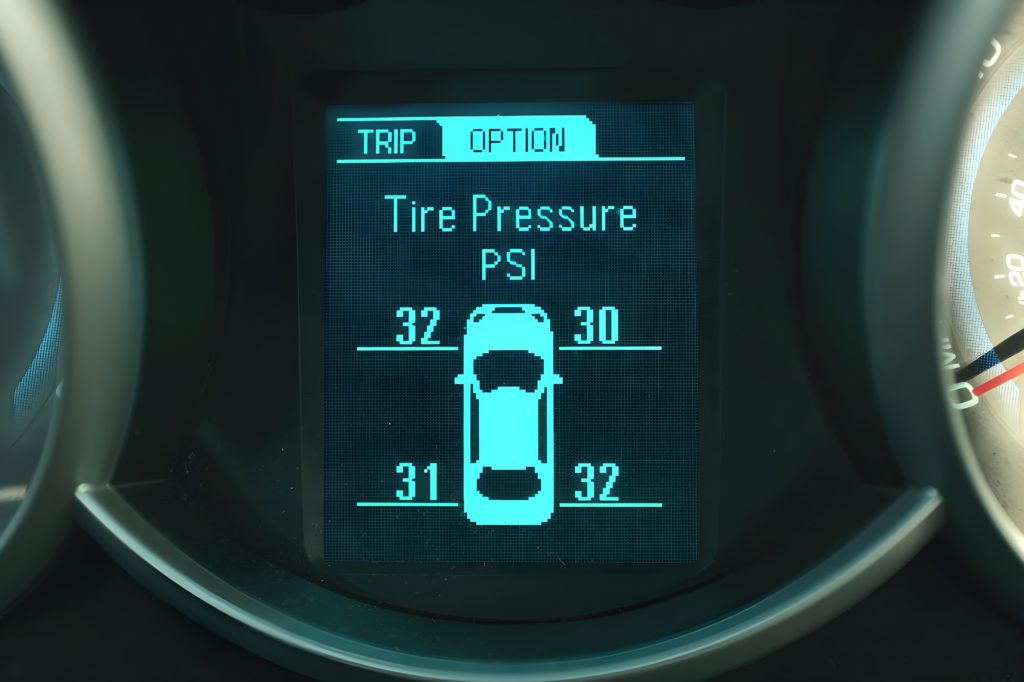
The Tire Pressure Monitoring System has been mandatory on US vehicles since 2007, using either direct sensors inside each tire or indirect wheel-speed monitoring to detect pressure drops below safe thresholds. Properly inflated tires improve fuel economy by up to 3.3%, reduce crash risk by approximately 3%, and extend tire life by up to 25%. Modern systems display exact PSI per tire; basic versions alert when a threshold is crossed. The direct-sensor type requires battery replacement every 5-7 years — typically aligned with tire replacement intervals. Always check pressure when tires are cold, as driving heat temporarily increases readings and produces inaccurate measurements.
6. Side Mirror Defrosters

Side mirror defrosters use transparent heating elements embedded in the mirror glass to clear frost, ice, and condensation without requiring the driver to exit the vehicle. Most systems activate alongside the rear defroster button; premium vehicles may have dedicated controls. Side mirrors frost faster than windshields due to smaller mass and greater exposure to crosswinds — the defrosters typically restore full visibility within 60-90 seconds at minimal power draw. Budget trims frequently omit this feature despite its low manufacturing cost. Activate immediately on cold-weather starts — preventing ice formation is measurably faster than removing it after it has formed.
5. Windshield Defogging

Windshield fogging occurs when warm, moisture-laden cabin air contacts cooler glass and condenses. The fastest emergency resolution combines air conditioning — which removes moisture from cabin air — with the heater, which warms the glass. Direct airflow at the windshield and crack windows slightly to equalize pressure. Modern climate systems with AUTO defrost settings manage this automatically. A preventive measure worth knowing: applying a small amount of shaving cream to interior glass and wiping it completely away with a clean microfiber cloth creates a hydrophobic barrier that prevents condensation from forming — an inexpensive DIY treatment that outperforms many commercial products.
4. Maximizing Gas Mileage

The difference between aggressive and efficient driving can swing fuel economy by 10-40% with no mechanical changes — only behavioral ones. Each braking event converts kinetic energy into heat rather than preserving it as forward motion. The aerodynamic sweet spot for most vehicles is 45-65 mph; each 5 mph over 65 increases fuel consumption by approximately 7%. Roof racks reduce highway economy by up to 25% through drag, even when empty. Properly inflated tires reduce rolling resistance, clean air filters support efficient combustion, and using the highest gear possible without engine lugging extracts maximum efficiency from automatic transmissions. For gadgets that support smarter driving, the options worth considering address real maintenance and monitoring needs rather than novelty features.
3. Fuel Cap Holder

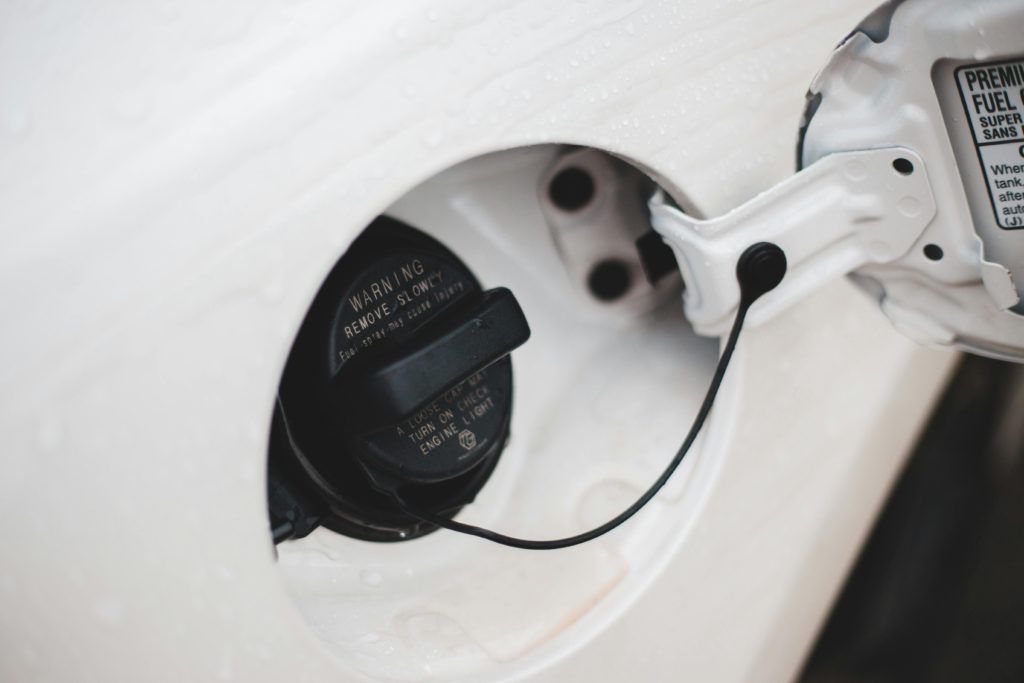
The small hook or slot integrated into most fuel doors gives the gas cap a resting position that prevents it from swinging on its tether against the vehicle’s paint during refueling. Beyond preventing cosmetic damage, a properly secured and sealed fuel cap maintains system pressure in modern evaporative emissions systems — an improperly sealed cap is a common trigger for check engine lights caused by vacuum leaks that the emissions monitors interpret as system failure. Capless fuel systems on newer vehicles eliminate this consideration entirely, but the majority of vehicles on the road still use a traditional cap, and the holder is there to be used rather than ignored.
2. Steering Wheel Raised Dots

The raised bumps at the 9 and 3 o’clock positions on most steering wheels serve as tactile reference points — allowing drivers to confirm correct hand placement without looking down from the road. The 9 and 3 position provides better steering precision and control during emergency maneuvers and reduces the risk of hand-over-hand steering that can cause entanglement during airbag deployment. Thumbs should rest along the wheel rather than wrapped around it — the airbag deployment force is sufficient to cause serious thumb injury when the grip wraps around the rim. Some performance vehicles use 10 and 2 positioning instead, reflecting different priorities at high speed.
1. Automatic Emergency Braking (AEB)

Automatic Emergency Braking uses millimeter-wave radar, stereoscopic cameras, or lidar to identify potential collisions and apply braking before the driver can react — with response times measured in milliseconds rather than the 1-1.5 seconds that represent average human reaction time. The system issues driver warnings first, then applies brakes if no response follows. AEB reduces rear-end collisions by approximately 50% across driving conditions. Modern systems distinguish between vehicles, pedestrians, cyclists, and animals while calculating time-to-impact continuously. Early versions had limitations with stationary objects or higher speeds; current systems operate across the full speed range. Standard on most vehicles built since 2018, AEB functions as a backup layer rather than a replacement for driver attention — the system performs best when the driver behind it remains fully engaged.