

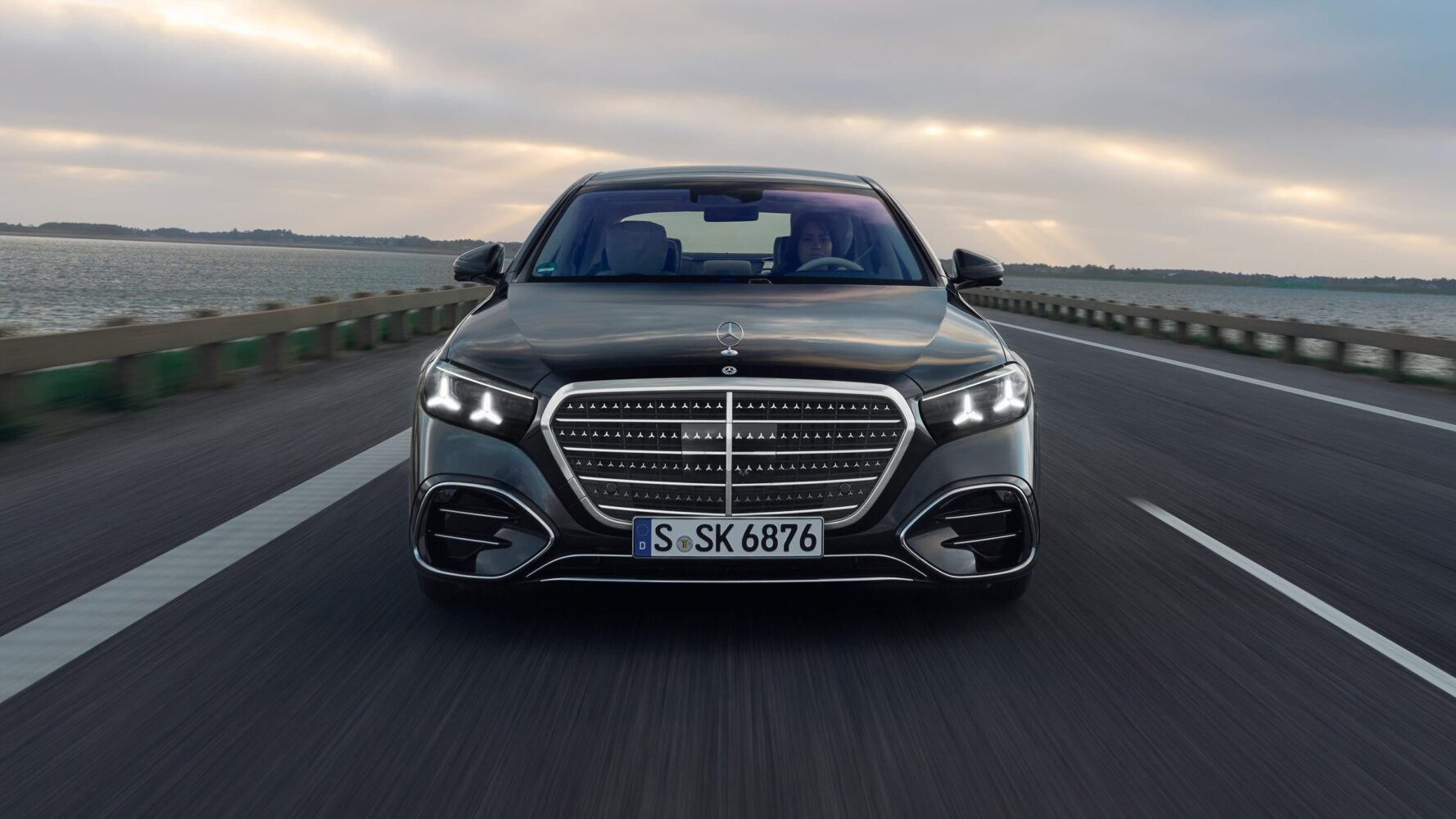
A law designed to lock Chinese automakers out of the U.S. market has a drafting problem: as written, it also ensnares Mercedes-Benz. The Senate Commerce Committee approved bipartisan connected-vehicle security legislation on July 22, 2026, that would prohibit vehicle sales by any automaker more than 15% owned by Chinese entities. Mercedes sits at roughly 19.67% Chinese-linked ownership — Beijing’s state-owned BAIC Group holds about 9.98%, and Geely founder Li Shufu’s investment vehicle holds another 9.69%. This is not yet law. It cleared the committee. The full Senate, House reconciliation, and a presidential signature still stand between here and enforcement.
How a German Automaker Crossed a Chinese Ownership Line
Mercedes isn’t run by Beijing — but two Chinese-linked investors hold nearly a fifth of the company, and that’s enough to trip the bill’s threshold.
Mercedes-Benz is publicly traded, German-managed, and headquartered in Stuttgart. Nobody in Beijing picks its executives or approves its model lineup. None of that matters under the bill’s current language. The legislation isn’t concerned with who runs the company — it’s concerned with leverage, data pipelines, and who could theoretically pressure a connected-vehicle platform embedded in millions of American cars. Because BAIC is directly state-owned by Beijing, the House version’s stricter language catches Mercedes on that single stake alone, before Geely’s shares are even counted.
Here’s what you actually need to know:
- Connected-vehicle software restrictions are slated to begin in 2027; hardware and sales restrictions for non-compliant automakers would follow around 2030, according to Senator Bernie Moreno’s office.
- Mercedes is reportedly lobbying to raise the ownership threshold from 15% to 25%, which would place it safely under the cap, according to Bloomberg.
- Senator Ted Cruz flagged the Mercedes problem during the committee session, stating publicly that “we would never consider” banning Mercedes sales in the U.S. — per Reuters and CNBC — signaling the text will likely change before final passage.
- GM has reportedly lobbied in favor of the strict 15% threshold, a move Cruz characterized publicly as competitive self-interest rather than a national-security concern.
What Dealers and Buyers Should Actually Do Right Now
Nothing changes today — but franchise planners eyeing 2029 inventory have legitimate reasons to pay close attention.
“We would never consider banning Mercedes-Benz sales in the United States,” Cruz told reporters, according to Reuters. The committee passed the bill with that tension unresolved, because the broader legislation targeting genuinely Chinese brands carried enough momentum to move forward. The Polestar precedent illustrates how seriously U.S. authorities are treating these distinctions — the Geely-majority-owned Swedish brand has reportedly been told it cannot sell in the U.S. from 2027, while Volvo, also Geely-linked, received conditional approval to continue. Washington draws fine lines. Mercedes is betting it lands on the right side of one.
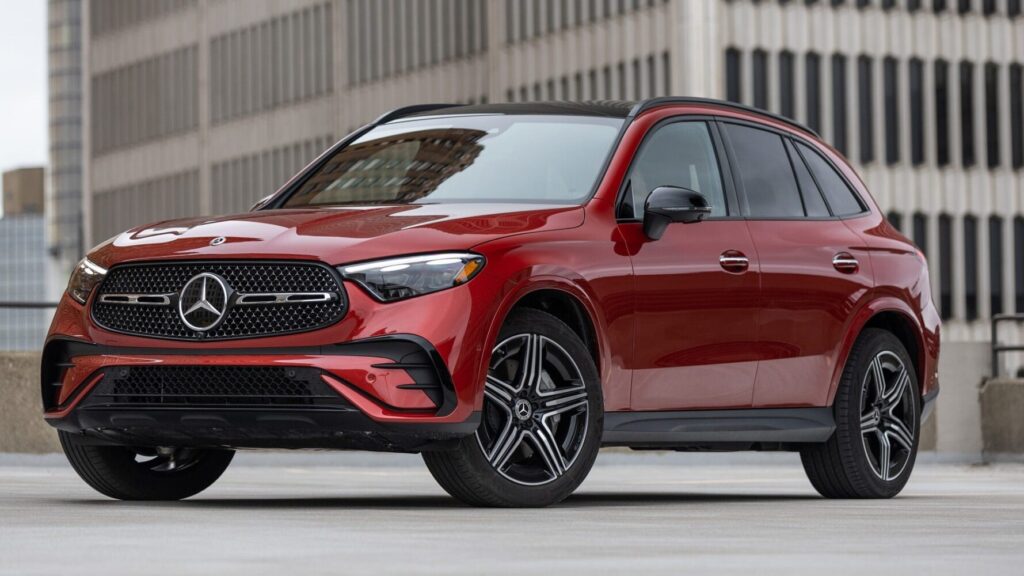
If you’re a current Mercedes owner, nothing about your car changes. If you’re a dealer planning 2028–2030 inventory, Senator Moreno’s office says Mercedes would have until 2030 to comply and could seek waivers, per Reuters. Mercedes also operates a major plant in Tuscaloosa, Alabama — a manufacturing footprint that gives it political standing in Washington that a pure importer simply wouldn’t have. Three realistic outcomes exist:
- The threshold gets amended to 25%
- Chinese shareholders trim stakes below 15%
- Mercedes secures a tailored exemption
An outright ban on a German luxury brand with a U.S. factory remains the least likely result.
How Congress ultimately draws this line around Mercedes sets the template for every non-Chinese brand carrying meaningful Chinese investment. The three-pointed star is the test case. Watch how it gets resolved.