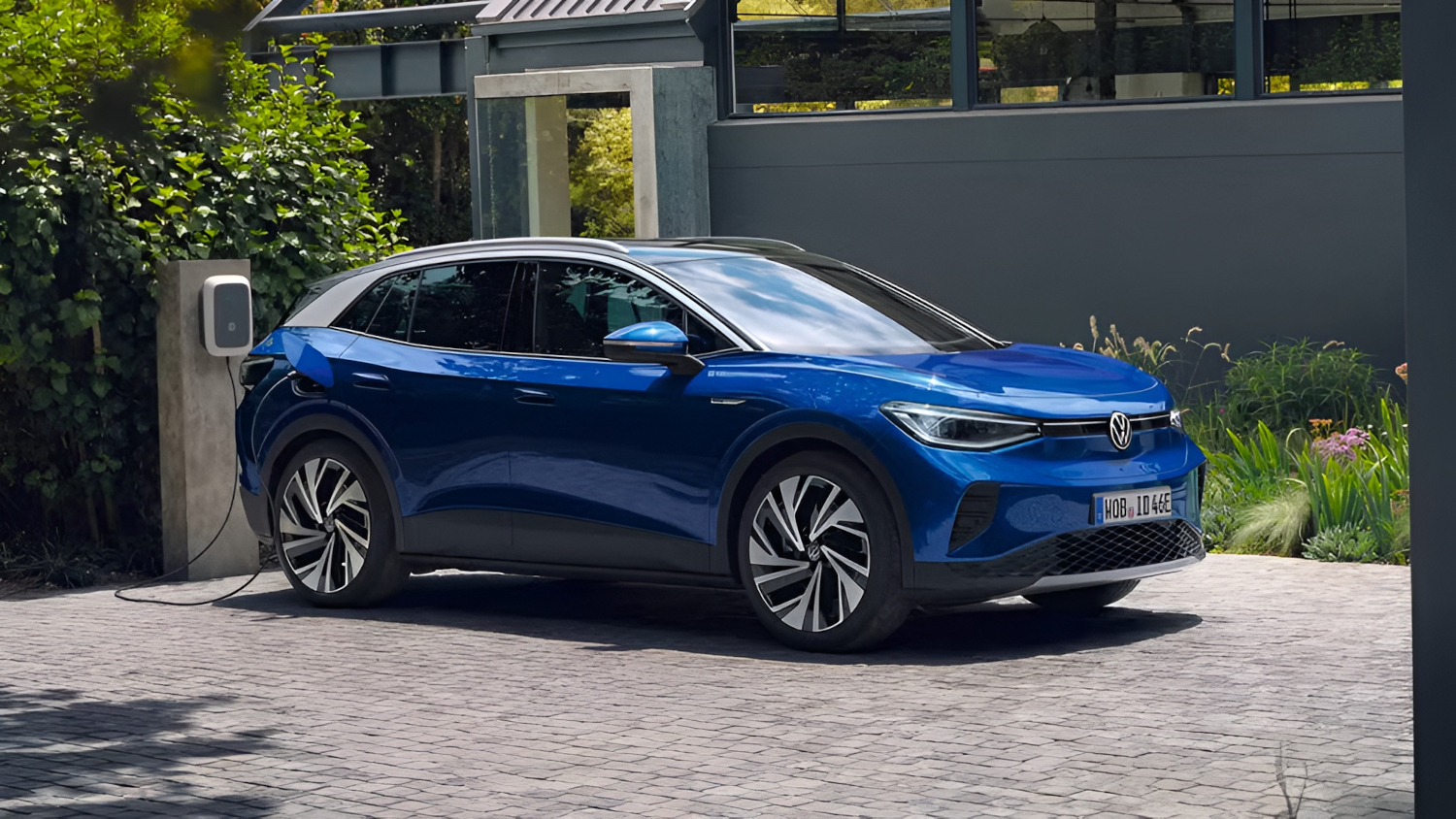


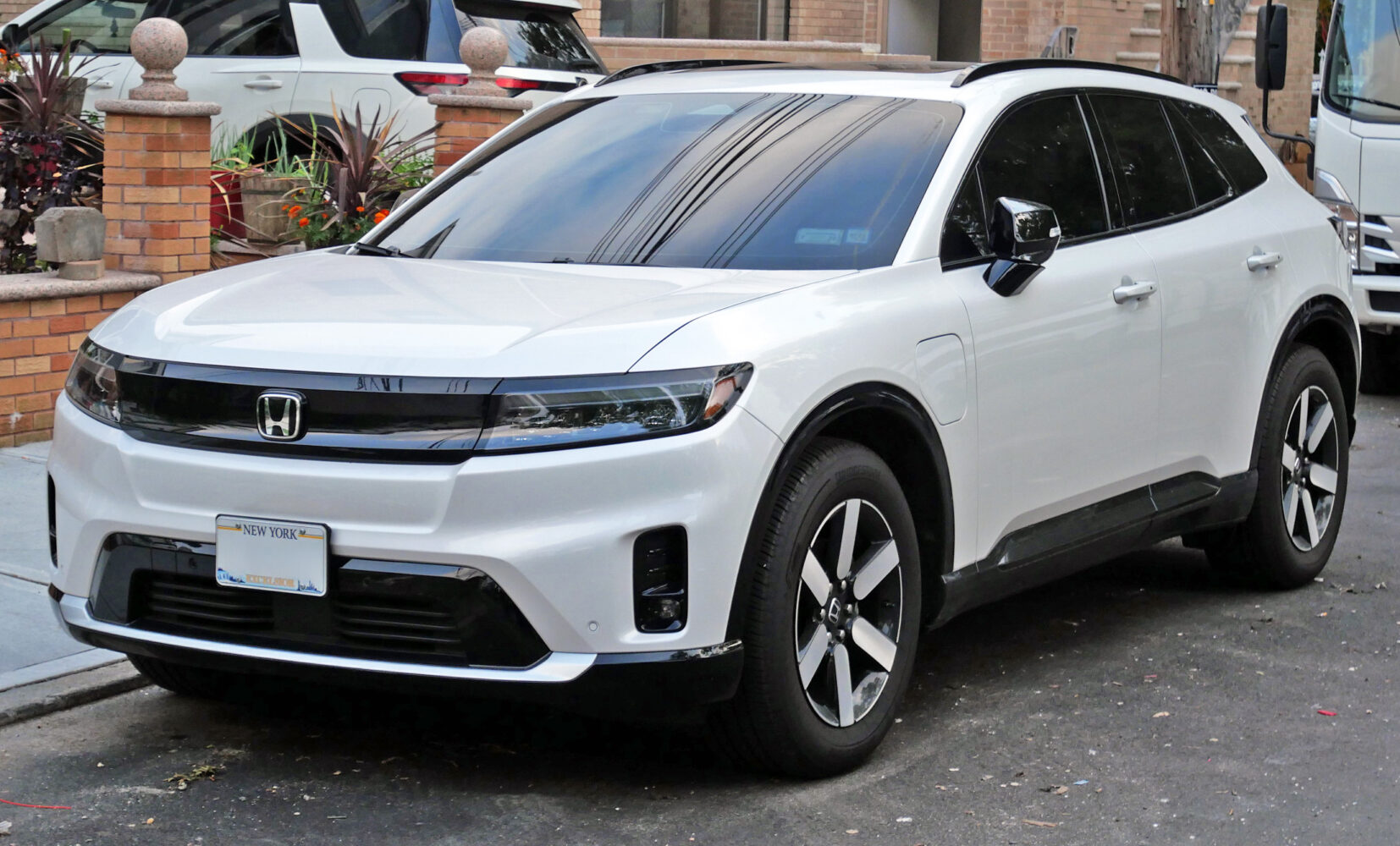
Honda launched the Prologue in 2024 as its first mass-market electric SUV, sold an estimated 80,000 units across three model years, and is now walking away entirely. Production ends after the 2026 model year. Once dealer lots clear — expected sometime in early 2027 — Honda will have zero battery-electric vehicles on sale in the U.S. No replacement. No timeline. No commitment a buyer can act on.
Three Cars Canceled, Billions Written Off
Honda scrapped its entire next-gen EV pipeline in March 2026, absorbing write-downs of up to 2.5 trillion yen in the process.
In March 2026, Honda formally canceled three next-generation EVs meant to follow the Prologue:
- the Honda 0 Series SUV
- the Honda 0 Series Saloon
- the Acura RSX EV — all slated for a new in-house platform in Ohio
Honda’s own global statement cited “recent changes in the business environment,” warning that launching those vehicles into a market where EV demand is “declining significantly would likely result in further losses over the long term.” The financial damage from canceling these programs runs to combined write-downs of up to 2.5 trillion yen — a number that makes the Prologue’s approximate lifetime sales look like a rounding error.
The practical facts break down clearly:
- The Prologue ran on GM’s Ultium platform — a joint development with General Motors, not Honda’s own EV architecture.
- U.S. sales reached roughly 33,000 units in 2024 and around 39,000 in 2025; 2026 year-to-date numbers have cratered to just 1,731 units, a partial-year figure reflecting a market in freefall rather than total lifetime volume.
- Loss of the federal EV tax credit is repeatedly cited as a key demand driver behind the collapse.
- Honda’s CR-V e:FCEV hydrogen fuel-cell model — its only other U.S. “electric” offering — is also being wound down.
- Existing Prologue owners retain full dealer support: service, parts, and warranty coverage remain in place.
“Honda will conclude sales of Prologue later this year following completion of the 2026 model year. Prologue customers will continue to receive full support through our dealer network, including service, parts, and warranty coverage.”
— Honda spokesperson, as reported by Car and Driver
For current Prologue owners, warranty and service remain intact, though resale values and long-term parts availability are legitimate concerns worth monitoring given the model’s short production run. Honda’s retreat isn’t an isolated corporate stumble — it’s a seismograph reading of where the U.S. EV market actually stands versus where the industry assumed it would be by now.
What Honda Drivers Do Now
Honda loyalists face a clear fork in the road: commit to the brand’s hybrid lineup or look elsewhere for a battery-electric vehicle.
“Starting production… in a market where demand for BEVs is declining significantly would likely result in further losses over the long term.”
— Honda Motor Co. global statement, March 12, 2026
Honda has signaled a future EV platform will eventually arrive — but with no replacement, no timeline, and no commitment, shoppers can plan around. For road-trip-focused drivers who valued the Prologue’s fast-charging access through the Ultium network, that capability disappears with remaining inventory. Honda’s near-term U.S. identity is now defined by hybrid badges and combustion engines, not charging cables.
The Prologue wasn’t a bad vehicle — it was a retreat signal wearing a car’s body. Honda’s hybrid lineup remains genuinely strong, and for many drivers that will be enough. But for anyone counting on Honda as their EV road-trip brand in 2027 and beyond, the honest advice is to start looking at other automakers. The lot is almost empty.