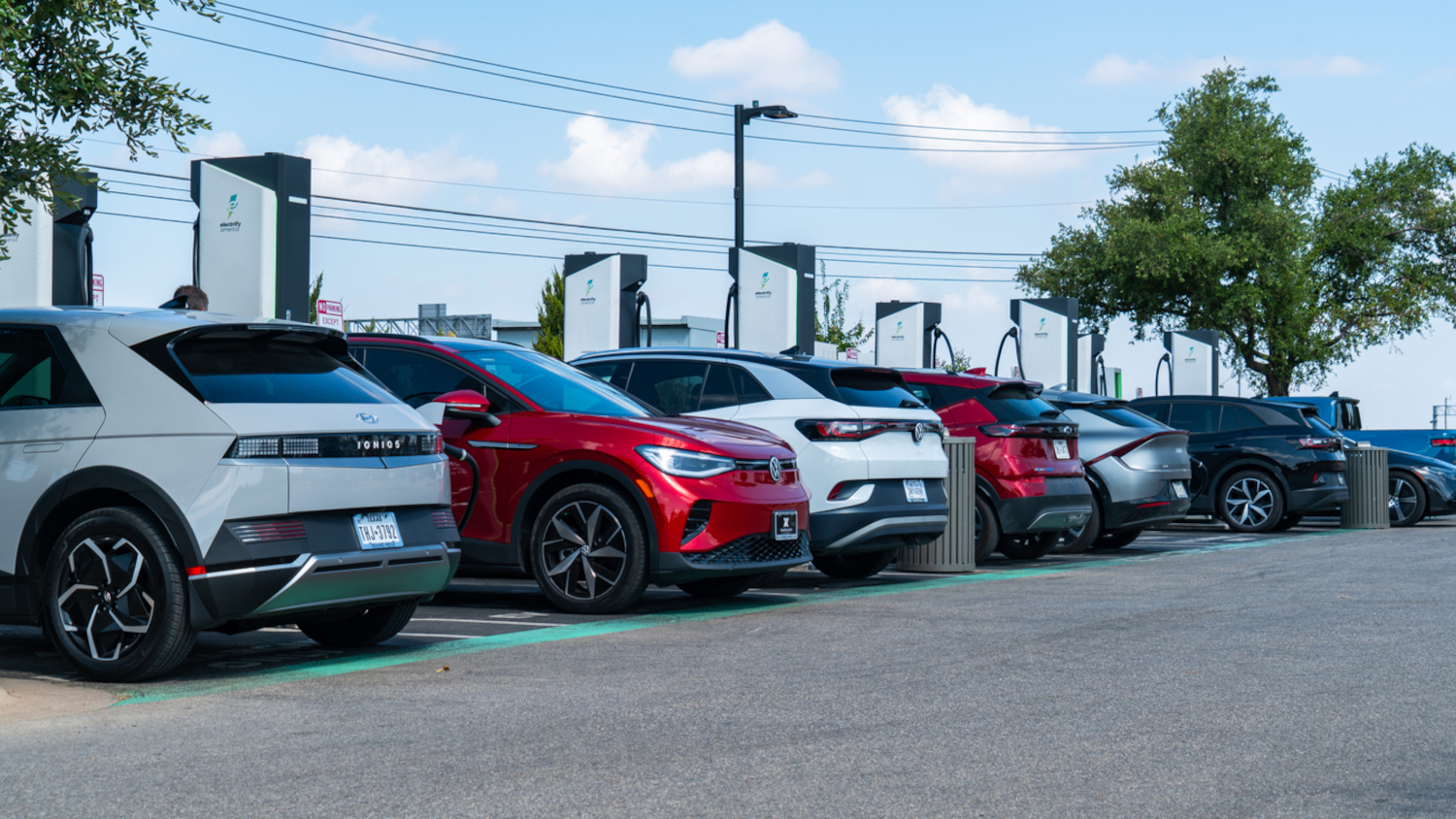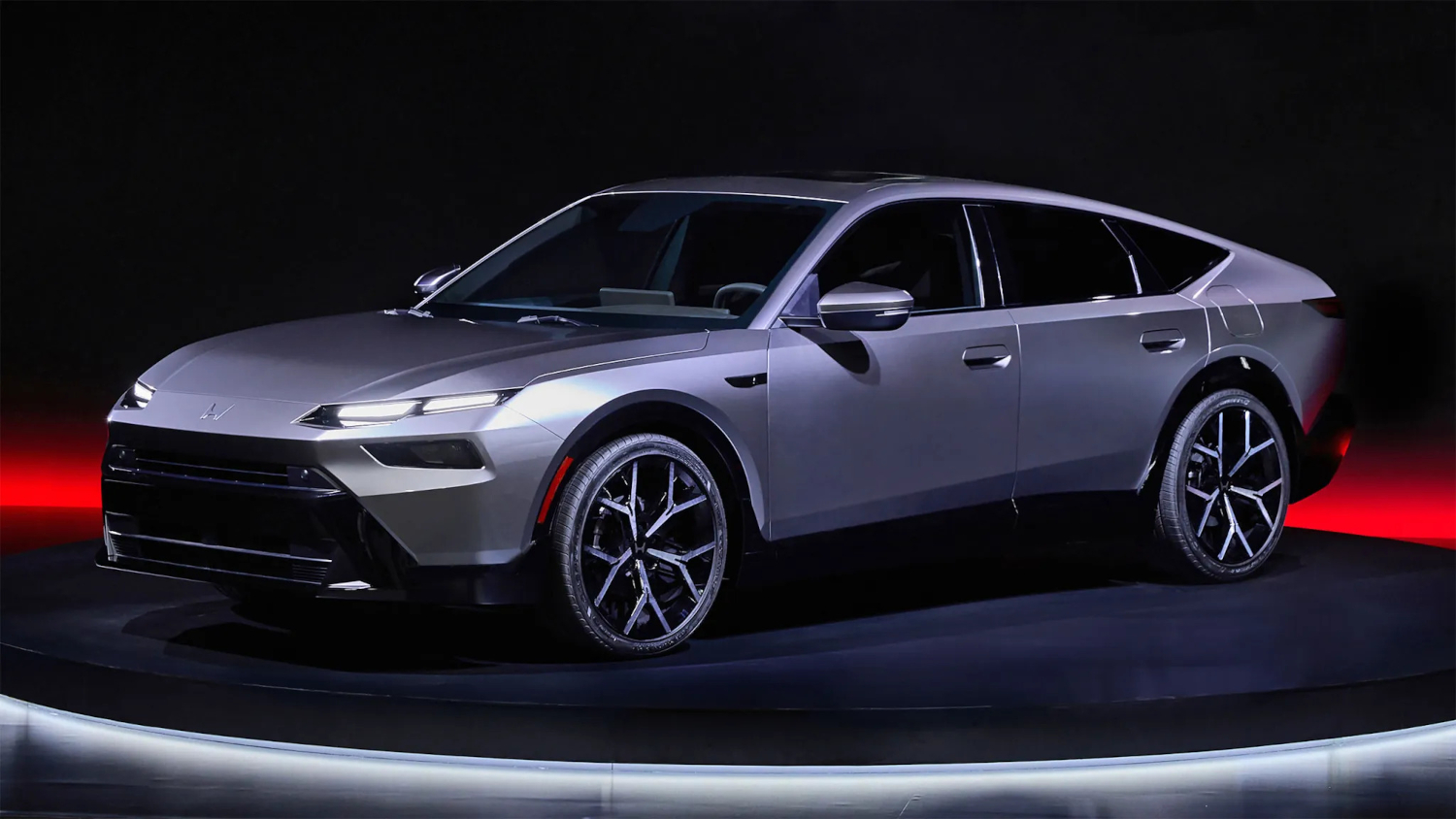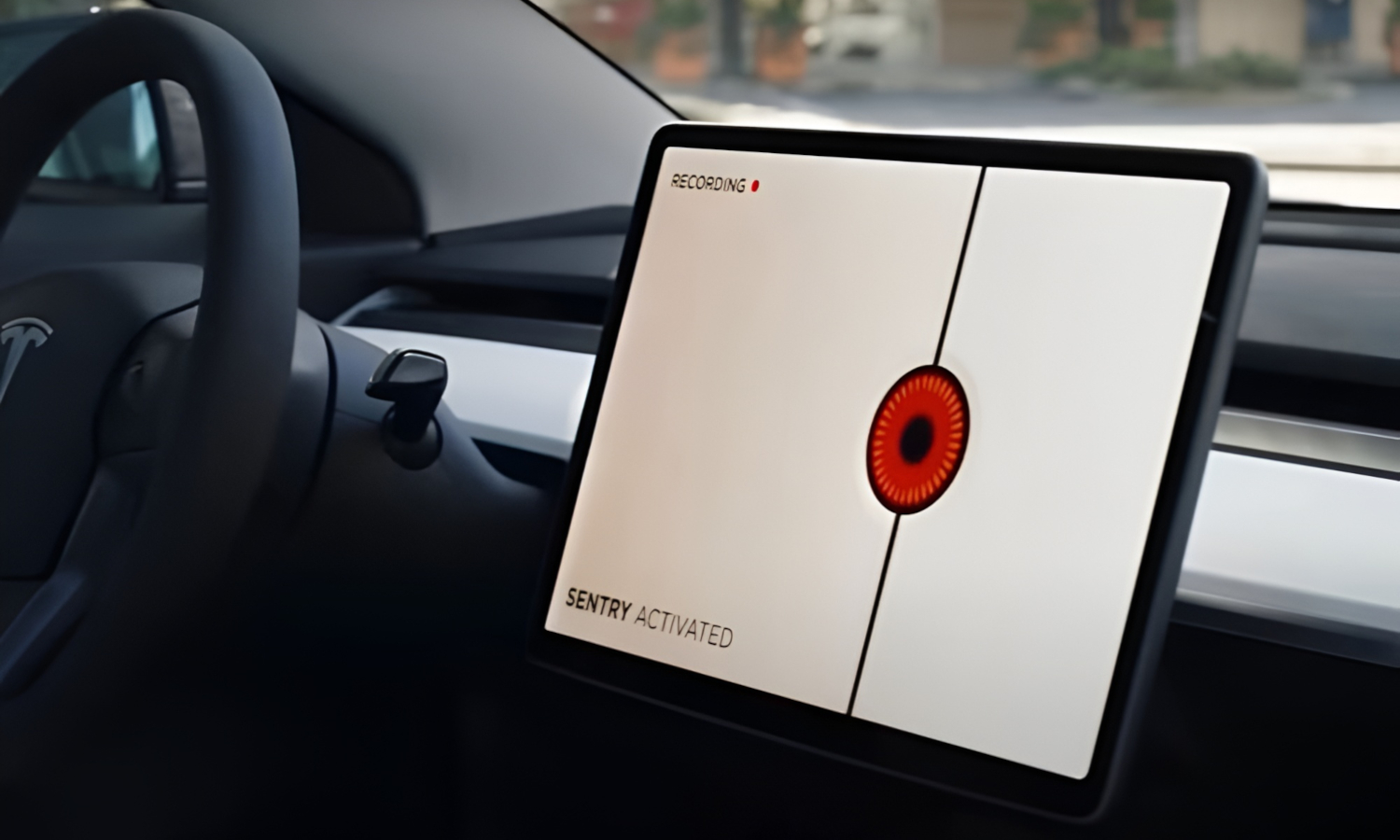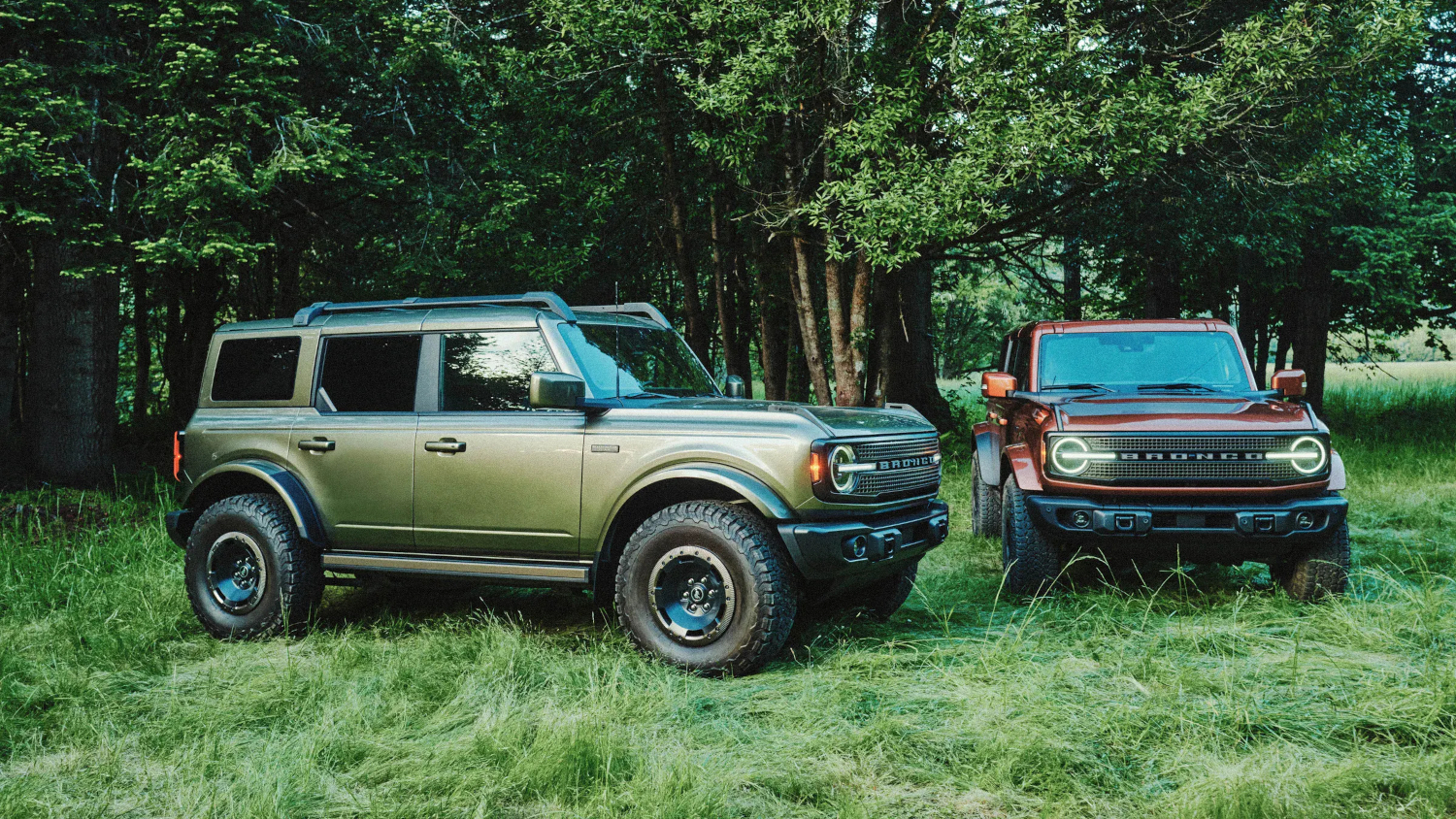


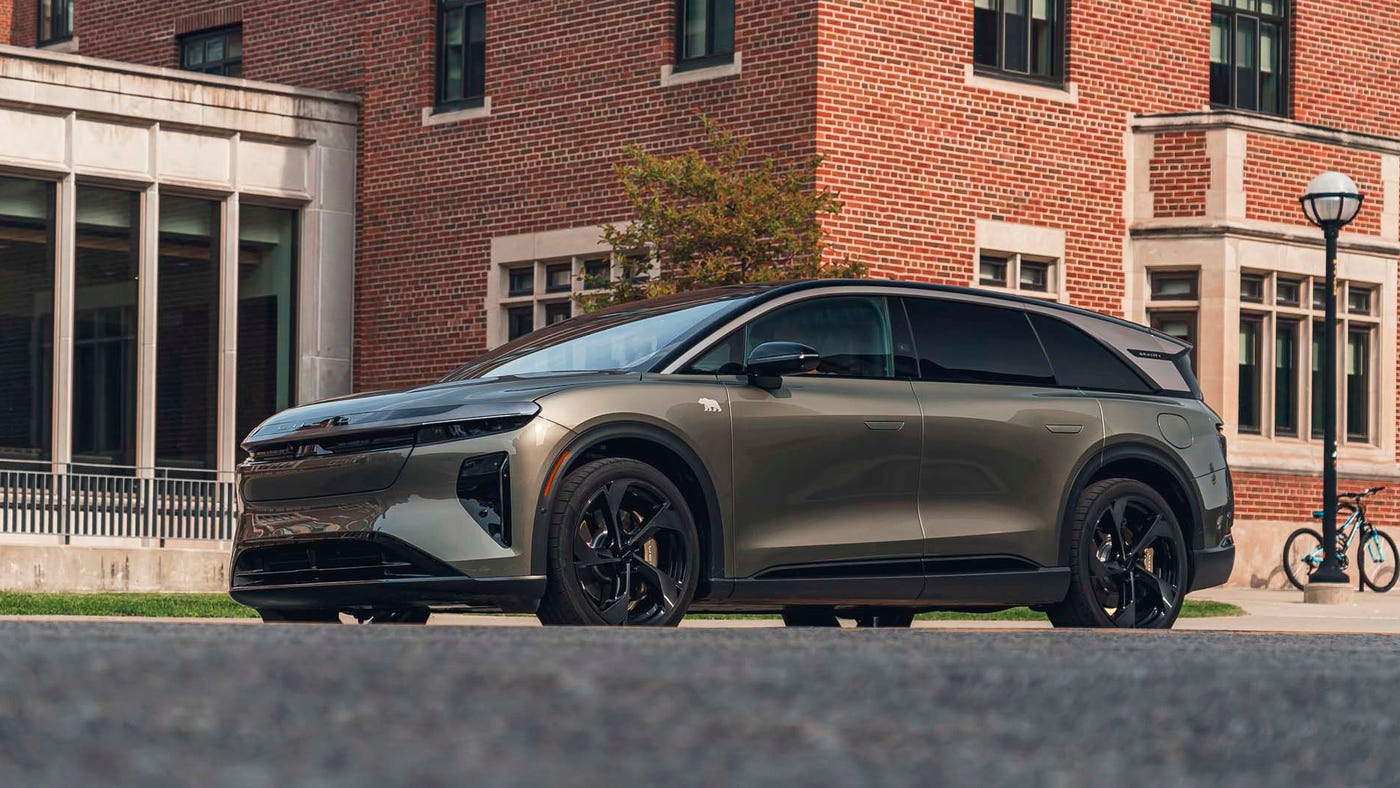
The federal $7,500 EV tax credit ended for vehicles acquired after September 30, 2025. California’s answer arrived fast. Governor Gavin Newsom signed Senate Bill 168 into law, creating the MyFirstEV program — and the mechanics are straightforward. First-time electric vehicle buyers get $3,500 off a new EV or $1,750 off a used one, applied directly at the dealership counter. No rebate forms. No waiting until April. The California Air Resources Board (CARB) administers the program using $135.5 million from the state’s 2026–2027 budget, matched dollar-for-dollar by participating automakers, creating a roughly $270 million total pool, according to Electrek.
Here’s Who Actually Qualifies
Eligibility is narrower than it sounds — but simpler to prove than most California rebate programs that came before.
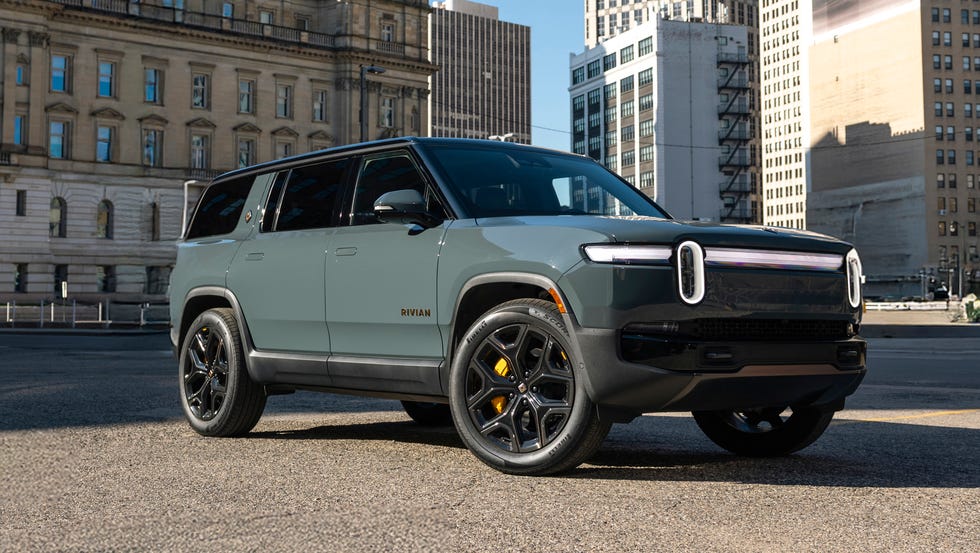
First-time zero-emission vehicle buyers only. Buyers confirm this with a signed attestation at purchase — essentially a statement that they have never previously owned a ZEV. There is no income cap, a notable departure from older California programs, though buyers must be California residents registering a light-duty passenger car or SUV under 8,500 pounds in-state. New EVs must carry an MSRP under $50,000; used EVs must be priced at $25,000 or less. Then comes the carve-out. California-headquartered manufacturers — specifically Rivian (Irvine) and Lucid (Bay Area) — are exempt from those price ceilings entirely, as reported by the LA Times. Tesla relocated its headquarters to Austin, Texas, so its vehicles fall under the standard cap. Several Model 3 and Model Y trims still land below $50,000 and would qualify, per Jalopnik’s analysis.
The Numbers, Fast
What the discount looks like when it lands on real sticker prices — assuming automakers sign on.
- State contribution: $135.5 million; automaker match required, totaling approximately $270 million
- New EV discount: $3,500 / Used EV discount: $1,750
- If GM participates: the Chevy Bolt could drop to roughly $25,495 for eligible buyers
- If Nissan opts in: the Leaf could fall just over $28,000 post-discount
- Lucid Air Pure: from roughly $72,400 to around $68,900 — though $3,500 is, as Jalopnik characterized it, a drop in the bucket on a $72,000 car
One Major Unknown Remains Before Buyers Can Act
The discount is real. The automaker list is not public yet.
Analysts suggest the program could effectively triple the number of EVs available under $35,000 in California, depending on which brands participate — and that conditional phrase is doing significant work. CARB has not released the official list of participating manufacturers, meaning there are no confirmed qualifying models yet. The point-of-sale discounts are expected to launch later this summer, with CARB reportedly planning to publish the automaker roster the following month. Until that list appears, watching CARB’s announcements before walking into any base EV dealership expecting this discount to apply is the only move that makes sense.