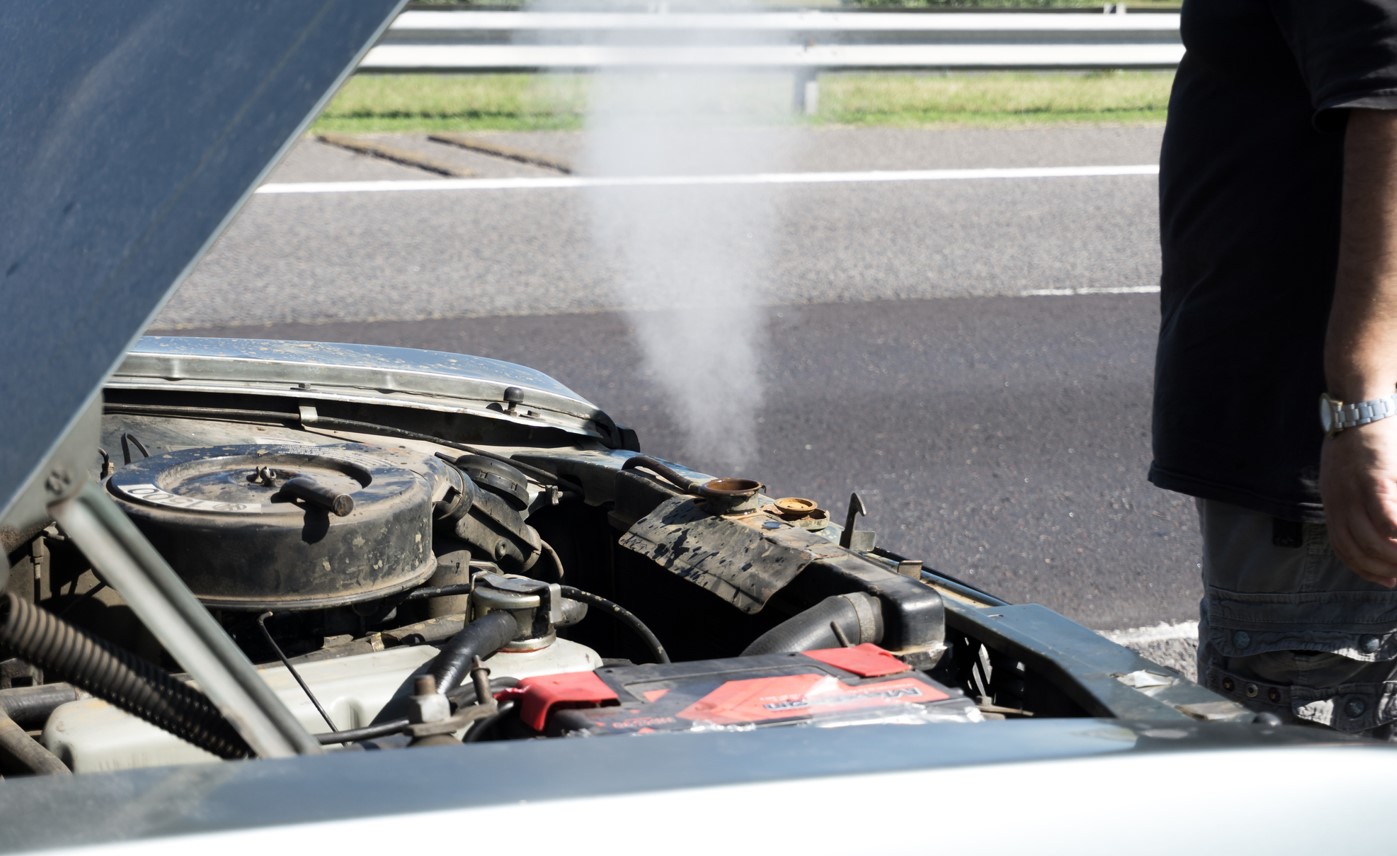


Automatic transmission failures from overheating rank among the costliest Jeep repairs, yet most drivers never address the root causes until damage arrives. Smart modifications aren’t accessories or cosmetic upgrades; they’re preventative maintenance that protects vulnerable systems before catastrophic failure strikes. The difference between a Jeep limping to 100,000 miles and one cruising past 250,000 often comes down to which weak points get reinforced early. This list identifies the modifications that genuinely extend service life by addressing factory design compromises and protecting critical components from the abuse of daily driving, highway hauls, and occasional trail work.
1. Heavy-Duty Differential Cover
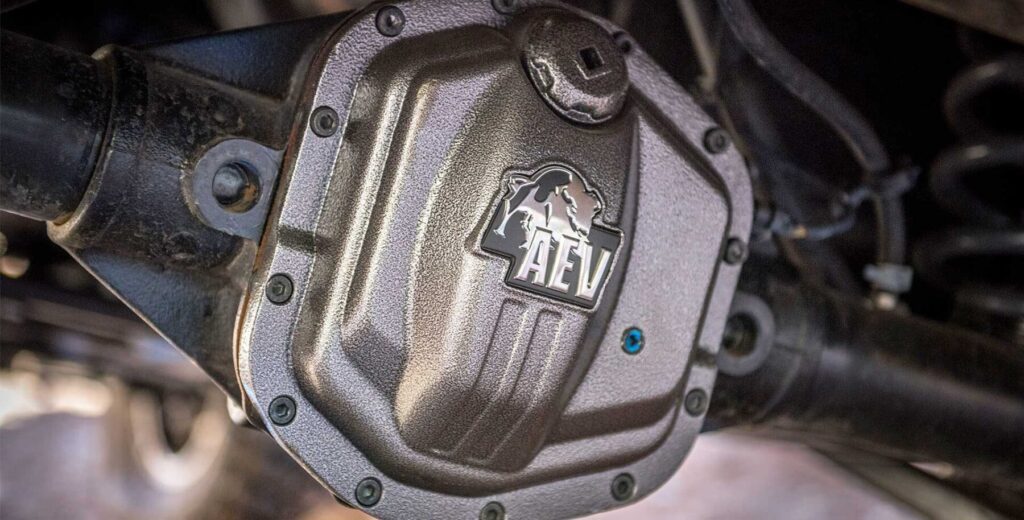
Your differential cover stands between trail rocks and a four-figure repair bill.
The factory differential cover is typically stamped steel that can be damaged by rocks, leading to gear-oil loss and potential ring-and-pinion damage. One sharp impact splits the cover, draining lubricant and turning your gears into scrap metal within minutes. Aftermarket heavy-duty covers from ARB, Rugged Ridge, or AEV provide impact resistance that shrugs off strikes that would cripple stock setups. These covers also add fluid capacity—often holding an extra half to full quart of gear oil—keeping temperatures down and extending component life. The upgrade serves as cheap insurance that keeps your rig rolling instead of waiting for a tow.
2. Axle Breather Relocation Kit
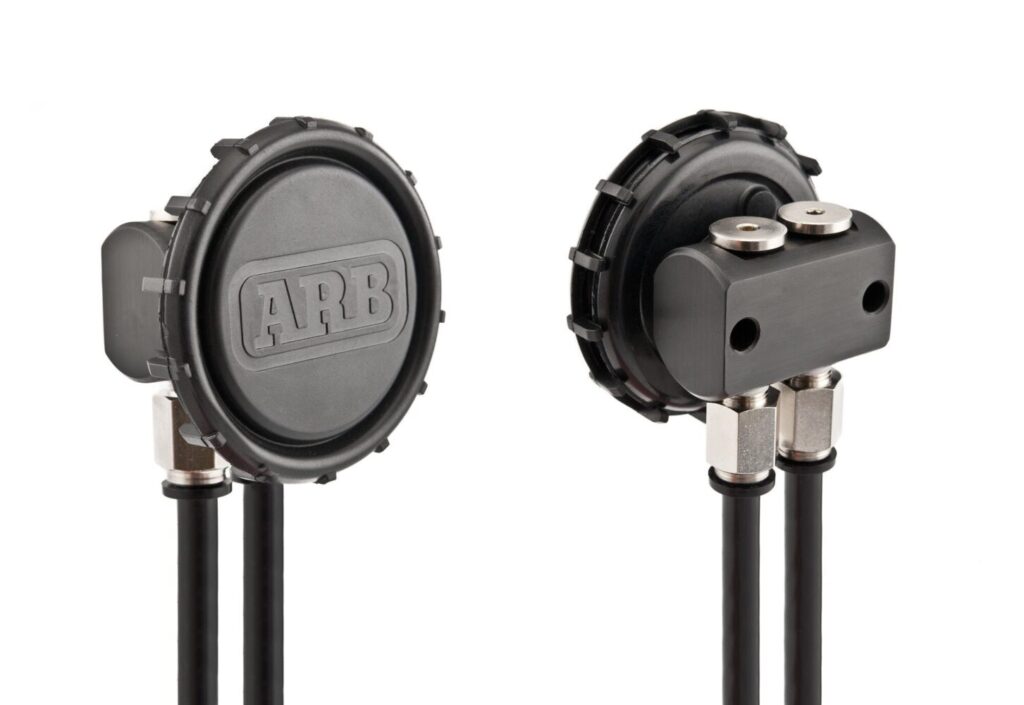
Routing breather vents higher prevents water contamination that destroys drivetrain components.
Jeep axles, transfer cases, and automatic transmissions use breather vents positioned near ground level to equalize internal pressure. When hot differentials hit cold water during crossings or heavy rain, the temperature drop creates a vacuum that sucks water straight into gear oil through these low-mounted vents. The resulting contaminated fluid grinds through ring-and-pinion gears, carrier bearings, and lockers like fine sandpaper, generating expensive damage that reveals itself gradually over months. Relocation kits from ARB or simple extended-hose setups reroute those vents high into the engine bay, ensuring drivetrain components breathe only clean, dry air. This straightforward modification protects everything from differentials to transmissions against silent water ingestion.
3. Snorkel
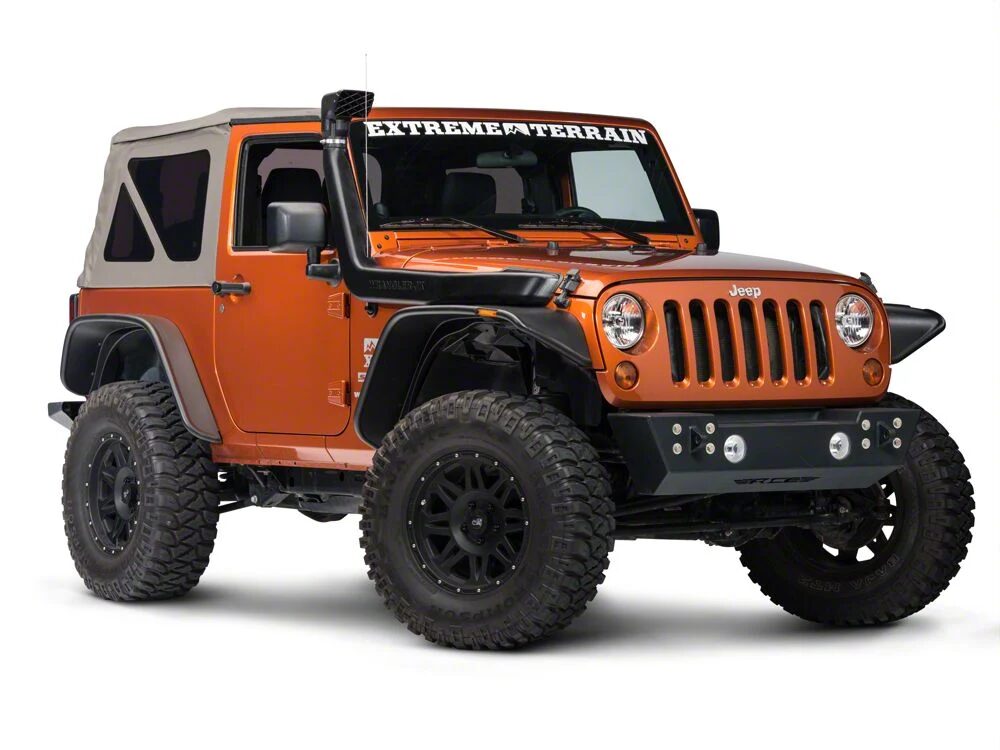
Raising the air intake protects engines from dust damage and catastrophic hydrolock.
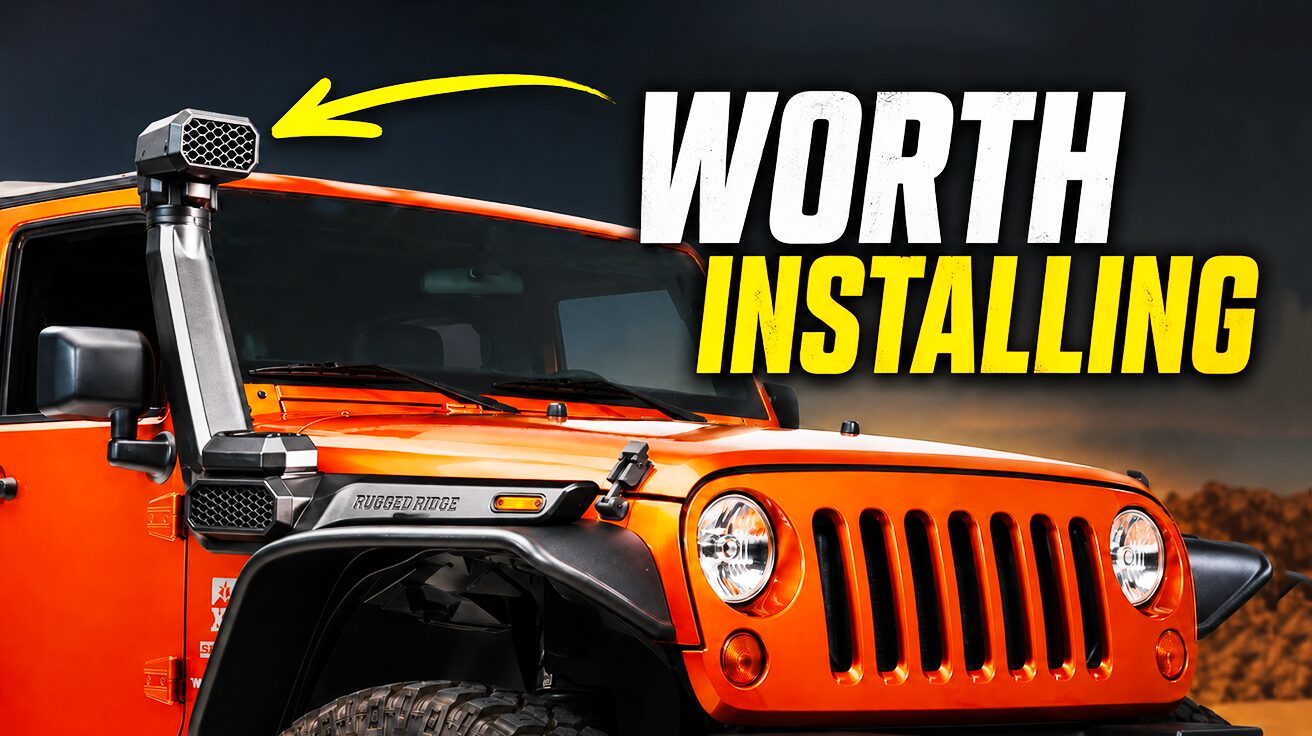
Stock air intakes sit roughly two feet off the ground—a perfect height for inhaling trail dust that acts like airborne sandpaper on cylinder walls and piston rings. A snorkel raises the engine air intake to a higher position, typically around shoulder height, reducing dust ingestion during off-road conditions. Beyond dust protection, snorkels lower the risk of water entering the intake during deep crossings; water sucked into cylinders causes hydrolock, a mechanical failure that can total an engine in seconds with no roadside fix. Positioning the intake well above water-crossing depth and away from ground-level dust clouds extends engine life significantly, making this modification essential protection rather than cosmetic enhancement.
4. Full Set of Skid Plates
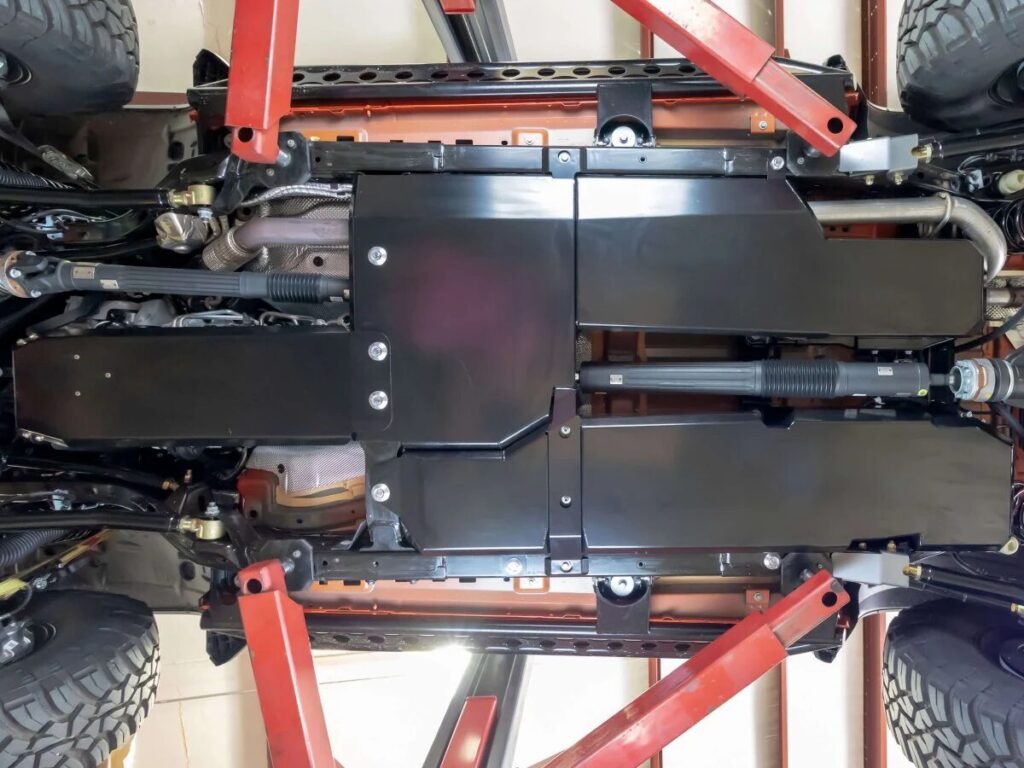
Comprehensive underbody armor prevents single rock strikes from ending your trip.
Oil pans, transmission pans, transfer cases, and fuel tanks hang exposed beneath the chassis on most Jeeps, inviting disaster during trail encounters or unexpected road debris. A single sharp impact can puncture an oil pan, causing complete fluid loss in minutes and engine seizure shortly after. Factory stamped covers offer minimal protection and often bend inward during impacts, pushing directly into the components they’re meant to shield. Aftermarket skid plates made from heavy-gauge steel or thick aluminum absorb trail punishment and protect vulnerable underbody components from catastrophic damage. Even drivers who stick mostly to paved roads benefit; one encounter with unexpected road debris can justify the entire investment.
5. Re-gear to Match Tire Size
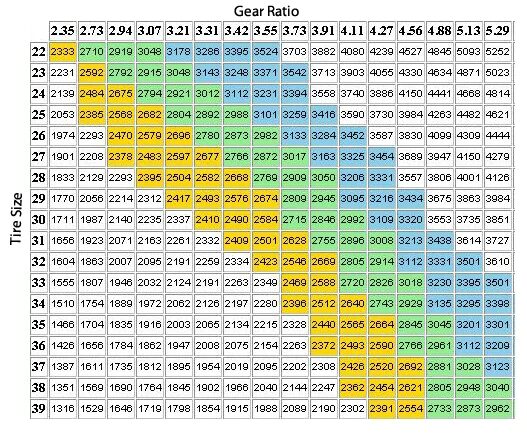
Matching axle ratios to tire diameter restores drivetrain efficiency and prevents premature wear.
Oversized tires—35-inch or 37-inch diameters—fundamentally alter factory gearing, forcing engines and transmissions to work harder for the same performance. The mismatch creates constant drivetrain strain, generating excess heat that destroys automatic transmission fluid and wears clutches prematurely. Re-gearing changes the axle ring-and-pinion ratio to compensate for larger tires, restoring engine performance and reducing strain. Target roughly 4.88 gears for 35-inch tires or 5.13 for 37-inch setups, depending on engine size and intended use. Brands like Yukon, Nitro, and Motive provide durable replacement gearsets that eliminate drivetrain hunting, reduce heat buildup, and restore factory-like acceleration without forcing the engine to constantly fight physics.
6. Real Death Wobble Fix
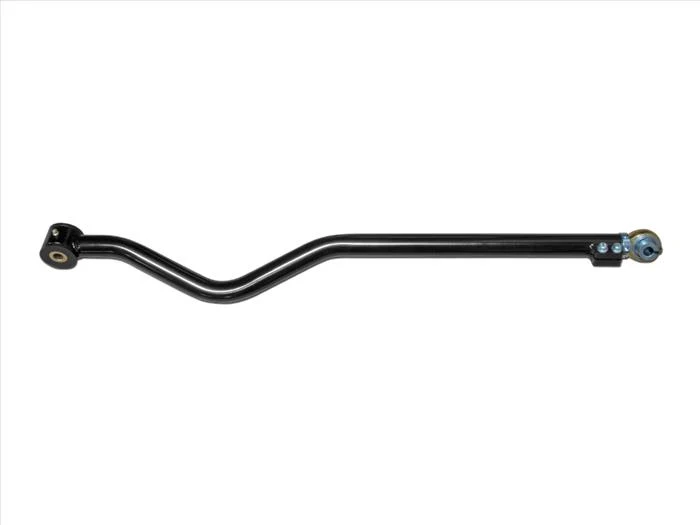
Addressing worn steering geometry eliminates violent front-end shake that steering stabilizers merely mask.
Death wobble—a violent front-end shake affecting solid-axle Jeeps from TJ Wranglers to current Gladiators—stems from worn steering geometry rather than damper failure. The violent oscillation typically appears above 45 mph when loose track bars, tired ball joints, or sloppy tie rods allow the front axle to track incorrectly. Bolting on a heavier steering stabilizer might dampen symptoms temporarily, but it never addresses the underlying mechanical wear causing the problem. The proper fix requires installing a heavy-duty adjustable track bar and upgraded greaseable ball joints from manufacturers like Dynatrac, all torqued precisely to specification. This repair ensures the front end tracks true without rattling itself apart, eliminating a safety issue that has generated hundreds of complaints and even triggered class-action settlements for certain model years.
7. Cooling System Overhaul
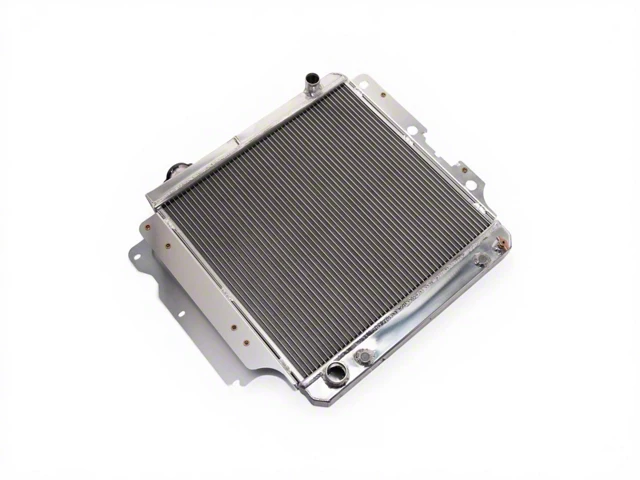
Replacing plastic cooling components with aluminum eliminates the most common Pentastar failure points.
Factory plastic thermostat housings, coolant crossover pipes, and radiator end tanks on 3.6L Pentastar V6 engines become brittle after thousands of heat cycles, eventually cracking and causing overheating severe enough to warp cylinder heads. The issue proved widespread enough that Chrysler extended warranty coverage to 10 years and 150,000 miles for 2011-2013 engines. Upgrading these plastic components to Dorman aluminum versions, adding a fresh water pump, and fitting a solid aluminum radiator creates a cooling system capable of handling extreme temperature cycling without degradation. Always use the correct coolant specification; mixing incompatible formulas creates corrosive sludge that accelerates component failure rather than preventing it.
8. Aluminum Oil Filter Housing
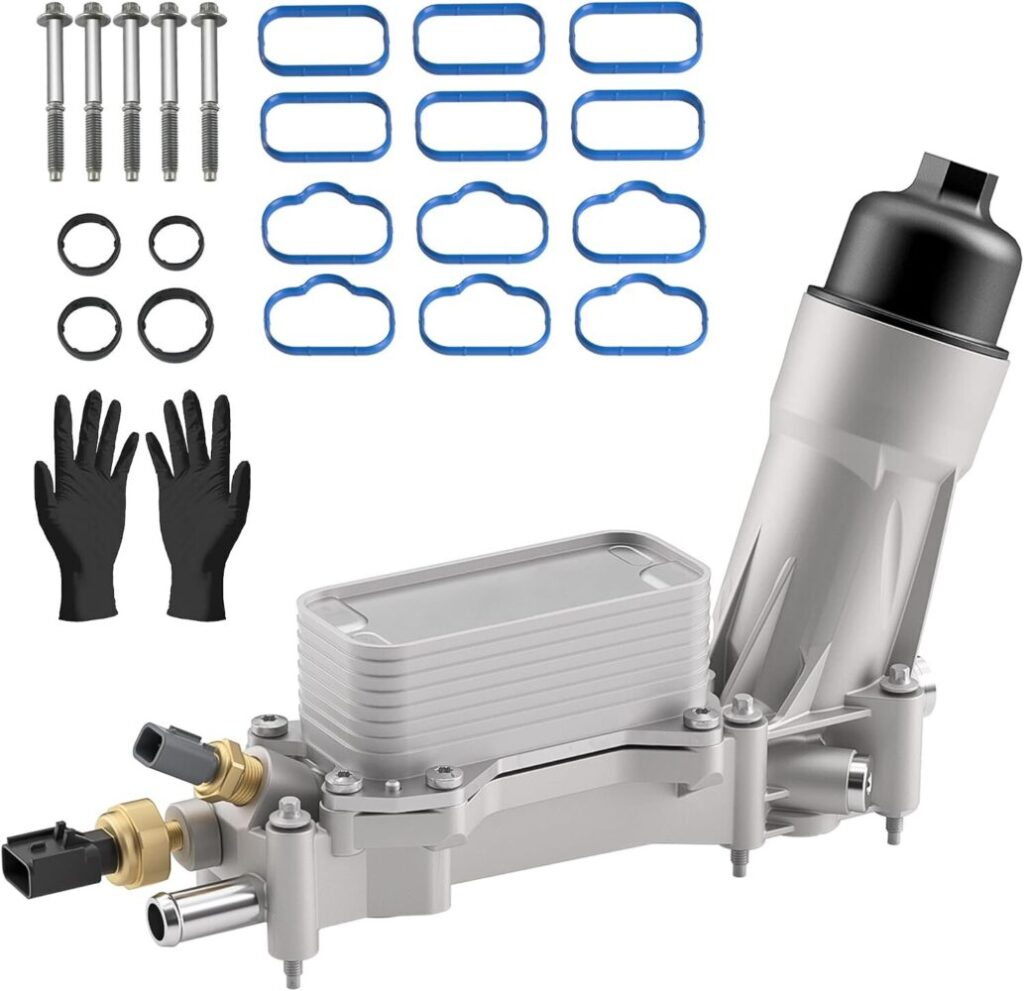
The aluminum housing eliminates the leak-prone plastic oil filter assembly on Pentastar engines.
The factory plastic oil filter and cooler housing on 3.2L and 3.6L Pentastar V6 engines sits in the engine valley, where constant thermal cycling warps the plastic body and hardens O-ring seals. This design creates persistent oil and coolant leaks that often go undetected because the engine valley acts as a catch basin, hiding up to a full quart of evaporating fluid before anything reaches the driveway. The Dorman aluminum housing (part number 926-959) provides a permanent fix by eliminating the thermal expansion mismatch between plastic and the aluminum engine block. Replacing a failed plastic unit with another plastic part simply resets the clock on an inevitable failure; the aluminum upgrade solves the root cause permanently.
9. Frame Rust Proofing
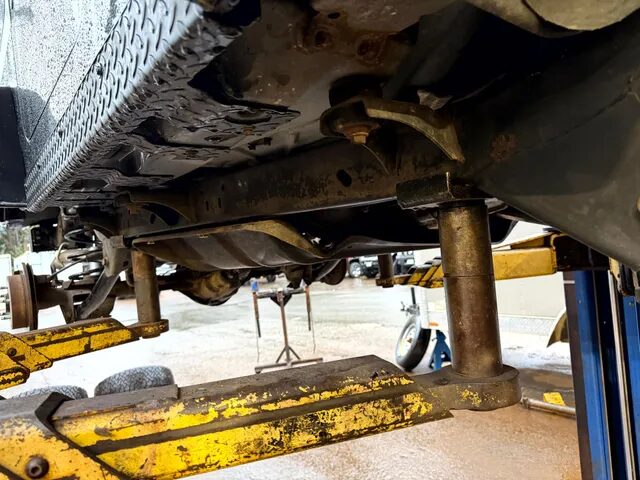
Protective coatings and drainage modifications prevent the inside-out frame rot that kills older Jeeps.
Older Jeeps like XJ Cherokees and TJ Wranglers often meet their end from terminal frame rot rather than mechanical failure. Boxed steel frames trap road salt and moisture inside sealed sections, initiating relentless oxidation that eats through metal from the inside out. Protective coatings like Fluid Film, POR-15, or quality undercoating slow corrosion, while drilling small drain holes allows trapped moisture and corrosive agents to escape before causing internal decay. Regular washing—especially after winter driving in salt-belt states—removes surface contaminants before they penetrate seams and crevices. A severely compromised frame cannot be repaired economically; prevention through coatings and drainage represents the only practical defense against structural failure.
10. Auxiliary Transmission Cooler
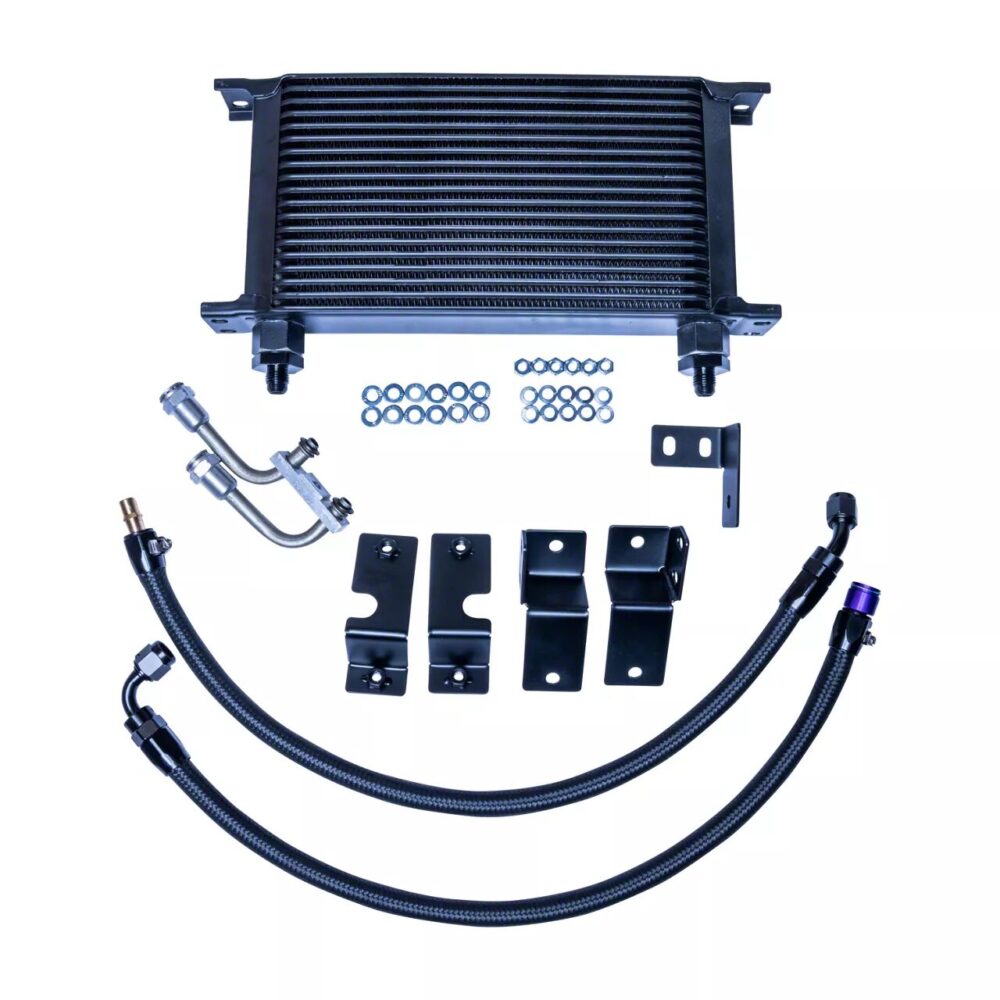
Adding a front-mounted cooler with thermostatic control dramatically extends automatic transmission life.
Heat ranks as the leading cause of automatic transmission failure because elevated fluid temperatures accelerate chemical breakdown and wear. Transmission fluid performs best between 175° and 195° Fahrenheit; temperatures beyond this range rapidly degrade lubricating properties and shorten service life. Factory coolers typically manage only modest temperature reductions, leaving fluid hot enough to accelerate wear during towing, trail use, or extended highway driving. Auxiliary transmission coolers from Derale, Mishimoto, or Hayden provide significantly greater cooling capacity when mounted in front of the radiator. Always pair aftermarket coolers with a thermostatic bypass valve; overcooling transmission fluid during cold-weather starts causes as much damage as excessive heat. Fresh synthetic ATF+4 combined with proper cooling transforms transmission longevity from a gamble into a near-certainty for rigs destined for high-mileage service.