

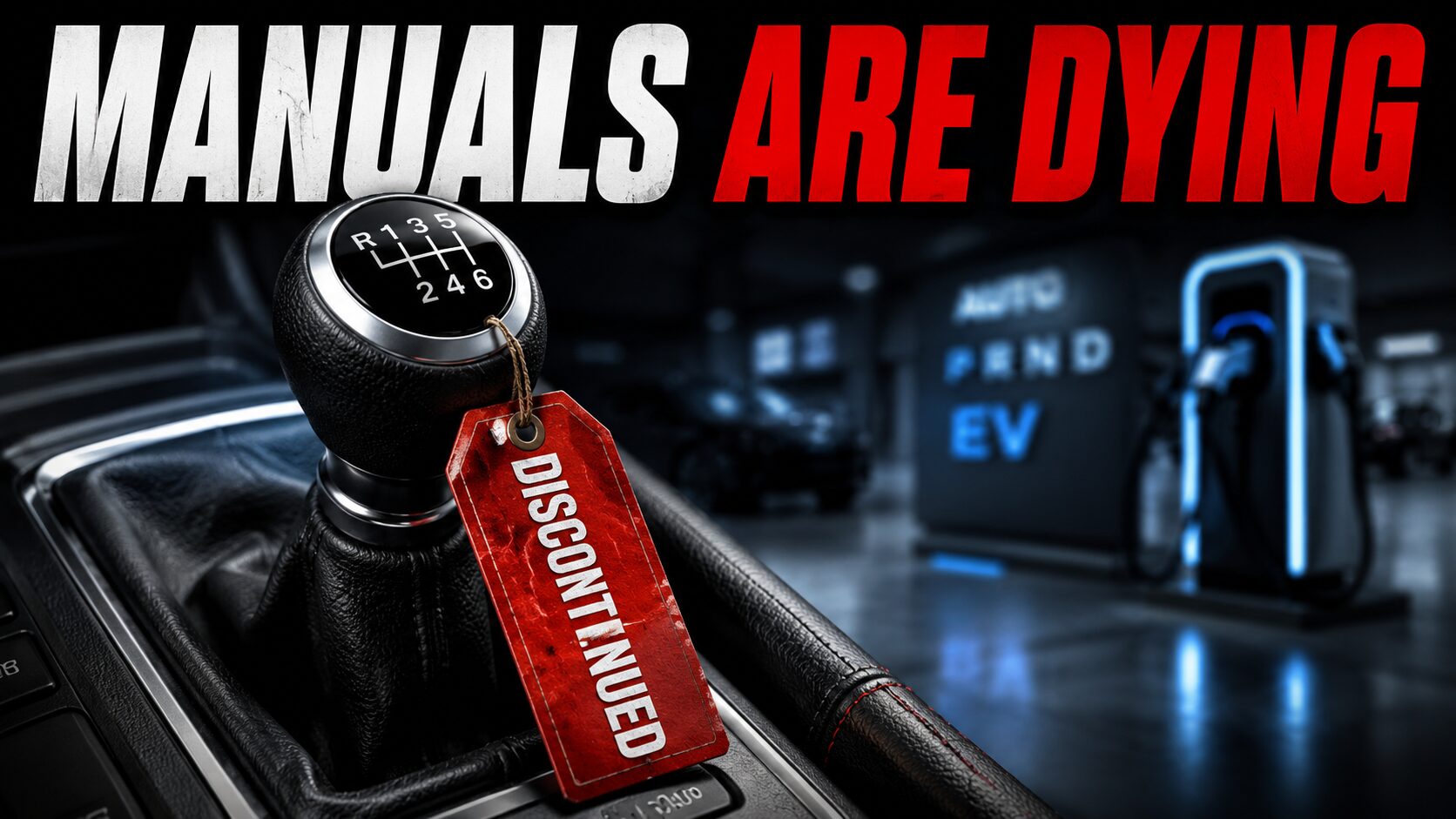
The number of models offering a manual transmission dropped 57% over the past decade. Four factors are driving the decline simultaneously: automatic transmission technology has closed the performance gap that once justified manuals, fewer drivers know how to operate one, the sales numbers no longer justify the engineering cost, and the trend is global rather than confined to the US market. None of these factors operates independently. Together they explain why the stick shift has moved from standard equipment to a niche feature found mostly in performance cars.
1. Superior Automatic Technology
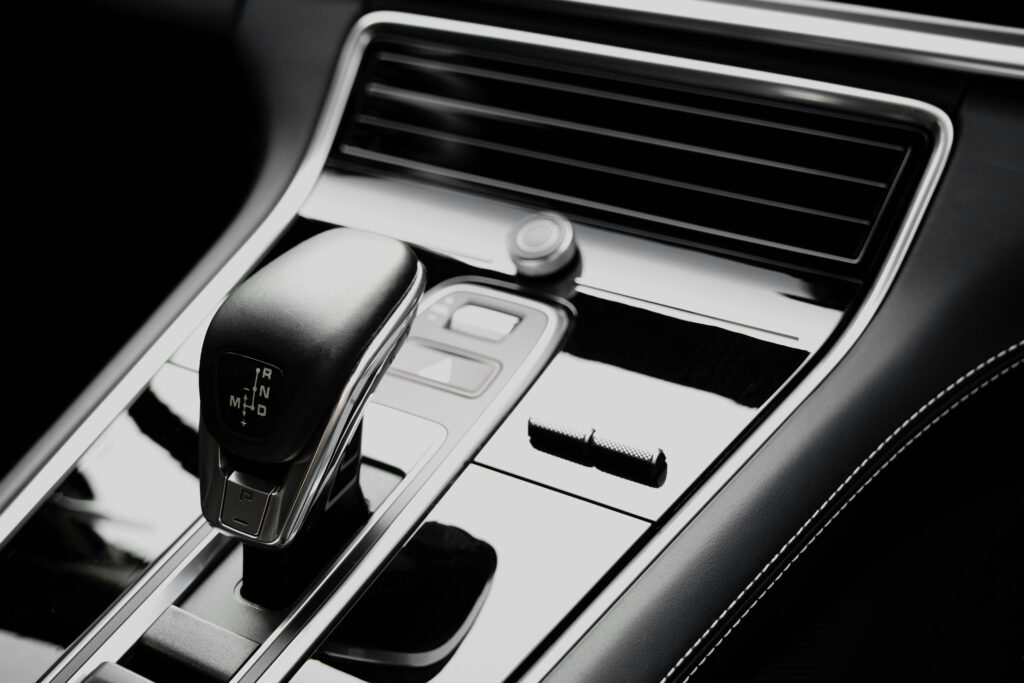
Today’s automatics dominate in fuel efficiency, shift speed, and tech integration.
Only 18% of Americans can drive a manual, which limits the buyer pool before performance even enters the comparison. But performance is no longer the manual’s advantage either. Modern automatics now outperform manuals on fuel efficiency, shift speed, and integration with advanced driver-assistance systems — a combination that used to favor manual transmissions decisively. Continuously variable transmissions and dual-clutch systems shift faster and more smoothly than a human driver operating a clutch pedal, which eliminates the responsiveness argument that manual advocates relied on for decades.
Stop-and-go traffic is the clearest example of where the manual’s disadvantage shows up daily. A driver in heavy traffic operating a clutch pedal continuously is managing a task that an automatic eliminates entirely, freeing attention for monitoring surrounding traffic instead. ADAS integration compounds this gap: systems like adaptive cruise control and automatic emergency braking interact with the transmission in ways that are simpler to engineer around an automatic than around a system requiring driver clutch input. The technical case for choosing a manual over an automatic has largely disappeared outside of specific enthusiast preferences.
2. Shifting Consumer Preferences
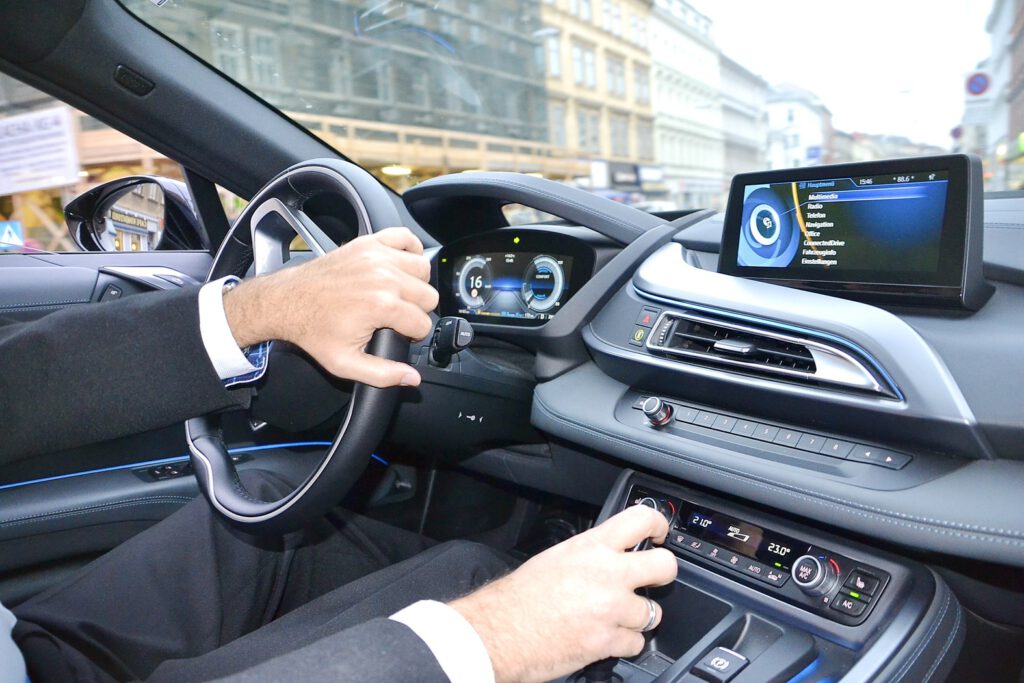
New drivers increasingly favor automatics for urban driving ease.
The 18% figure for Americans who can drive a manual reflects a learning curve that new drivers increasingly skip entirely. Stalling on a steep hill while traffic backs up behind a learner is a specific, memorable frustration that pushes most new drivers toward automatic-only licenses and purchases. The friction is concentrated at exactly the point where most driving happens — congested urban environments with frequent stops, where a manual’s disadvantages are most apparent and an automatic’s advantages are most useful.
This preference shift is self-reinforcing. As fewer people learn manual transmissions, automakers have less reason to offer them, which means fewer people encounter manuals as an option when shopping, which further reduces the population that learns to drive one. Modern automatics closing the fuel economy gap removed the last practical argument that used to pull budget-conscious buyers toward manuals despite the learning curve.
3. Low Sales Volumes

Manufacturers abandon manuals when sales drop below 2%.
Manual transmissions account for only 1-2% of new car sales in the US — a figure low enough that automakers cite it directly as the reason for discontinuing manual options. The engineering cost of offering a manual variant does not disappear just because demand is low: every manual transmission option requires its own development, testing, and parts supply chain regardless of how many units it sells. At 1-2% of volume, that fixed cost spread across a small number of sales becomes difficult to justify against models that sell at automatic-only volumes.
The result is a narrowing of where manuals still appear. They survive almost exclusively in performance-oriented vehicles like the Mazda MX-5, where the manual is part of the product’s identity rather than a cost center competing against an automatic variant for the same buyer. Mass-market sedans and crossovers — the volume segments where manufacturing cost efficiency matters most — have effectively abandoned the manual option entirely.
4. Global Shift Away from Manuals
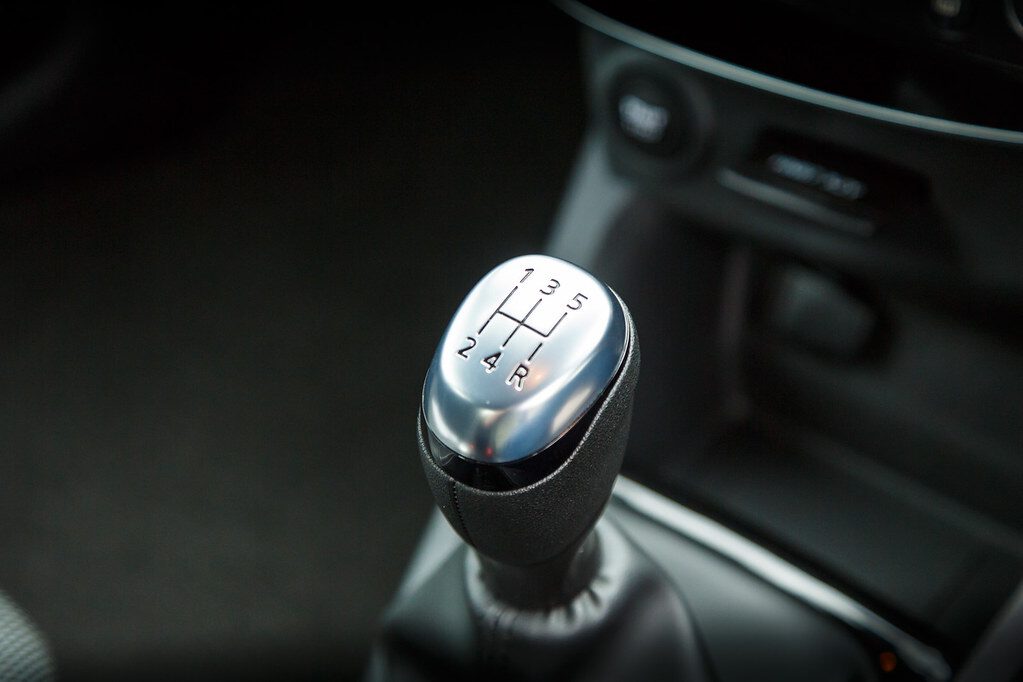
Electric vehicles accelerate the worldwide manual transmission decline.
This is not a US-specific trend. European manual sales fell from 89% of the market in 2000 to 32% in 2022 — a market that historically favored manuals far more strongly than the US ever did, undergoing the same shift at scale. China’s numbers moved even faster: manuals dropped from 50% of sales in 2017 to 4% by 2023. A decline this consistent across markets with very different driving cultures and historical manual adoption rates points to a cause larger than regional consumer preference.
Electric vehicles are that larger cause. EVs use single-speed gear reduction rather than a multi-gear transmission of any kind, which means the manual-versus-automatic question does not even apply to an increasing share of new vehicle sales. As EV adoption grows, the population of vehicles where a manual transmission is mechanically possible shrinks independently of any preference, sales, or technology argument — a structural rather than a market-driven force pushing the stick shift toward extinction.