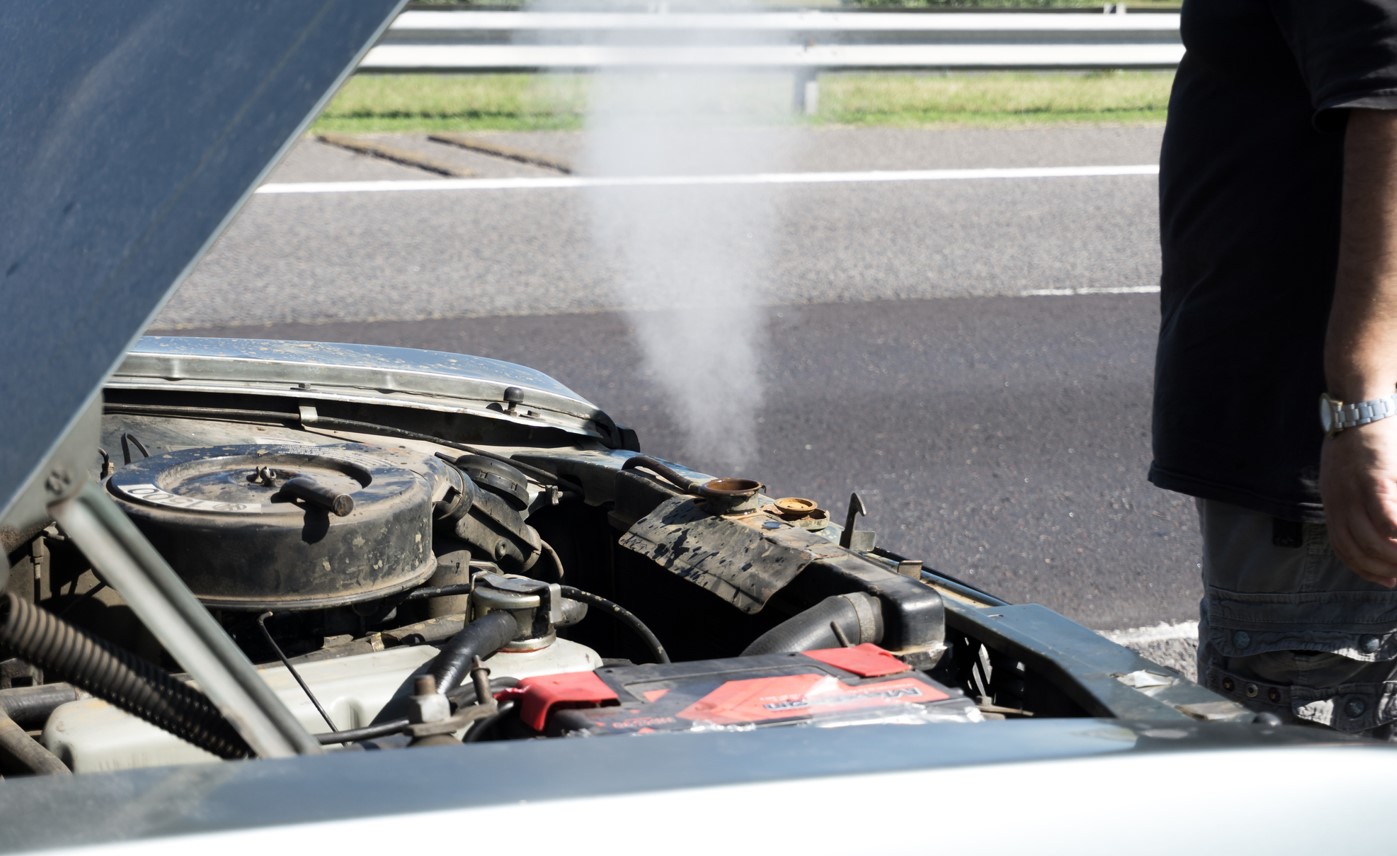


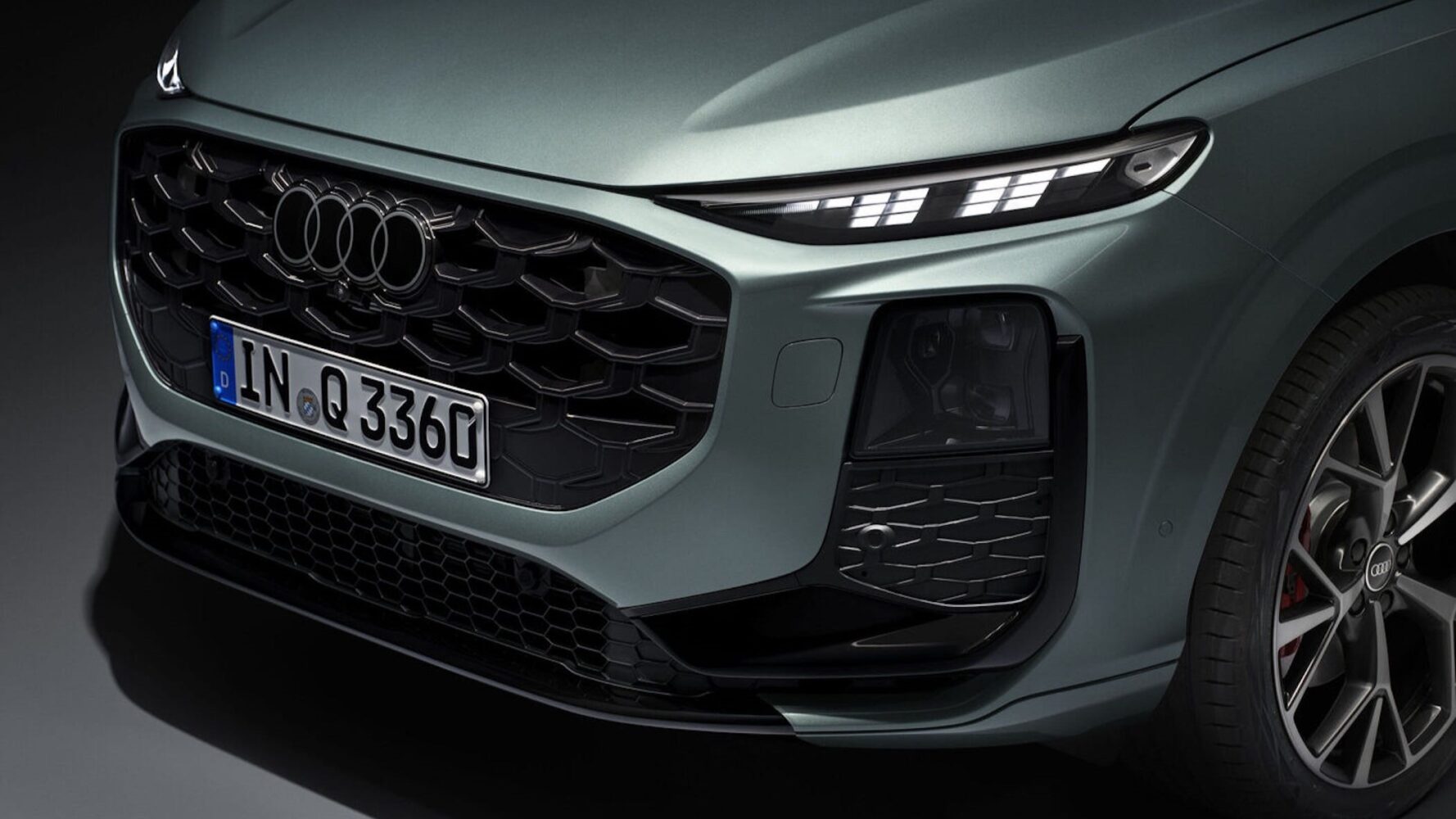
Getting flash-banged by oncoming SUVs shouldn’t be part of your nightly commute, yet here we are. Modern LED headlights have turned dark highways into optical warfare zones, leaving drivers squinting through tears while navigating curves. Audi’s Digital Matrix headlight technology aims to minimize this madness—and after a decade of regulatory delays, it’s finally coming to American roads in the 2027 Q9 and SQ9.
Pixel-Perfect Light Control
Each headlight uses 25,600 micro-LEDs to carve shadows around other cars while keeping your view bright.
Think of it as a high-resolution display for your headlights. Each Digital Matrix unit contains 25,600 individually controlled micro-LEDs arranged in modules roughly half an inch wide. Front-facing cameras detect oncoming traffic, and the system responds by dimming only the specific pixels that would blind other drivers. The result? You keep enhanced visibility everywhere except where another car sits—creating a moving shadow that tracks vehicles as they pass.
Regulatory Roadblocks Delayed the Tech
Adaptive beams have illuminated European roads since 2013, but U.S. rules required simple on-off headlight behavior until 2022.
U.S. lighting standards long demanded binary low-beam or high-beam operation, effectively blocking adaptive systems that could intelligently adjust brightness zones. European Audis have been dynamically shaping their light patterns for over a decade, while American drivers suffered through widespread LED headlight glare complaints. The Department of Transportation finally updated the rules in 2022, opening the door for adaptive driving beam technology that meets specific U.S. performance standards.
Real-World Relief for Night Drivers
Rural highways and two-lane roads stand to benefit most from headlights that don’t force you to choose between seeing and blinding.
The familiar scenario plays out nightly: flip on high beams for better visibility, then frantically toggle them off when headlights appear around the bend. Digital Matrix is designed to reduce this dance significantly, maintaining enhanced road illumination while automatically protecting oncoming drivers from glare. The technology is intended to benefit everyone sharing the road—Q9 owners get superior night vision, while other drivers should experience less of the temporary blindness that modern LED headlights often cause.
With adaptive headlight regulations now in place, expect other luxury brands to accelerate their own anti-glare systems by 2028-2029. After years of squinting through LED light pollution, American drivers might finally get some relief—one pixel at a time.