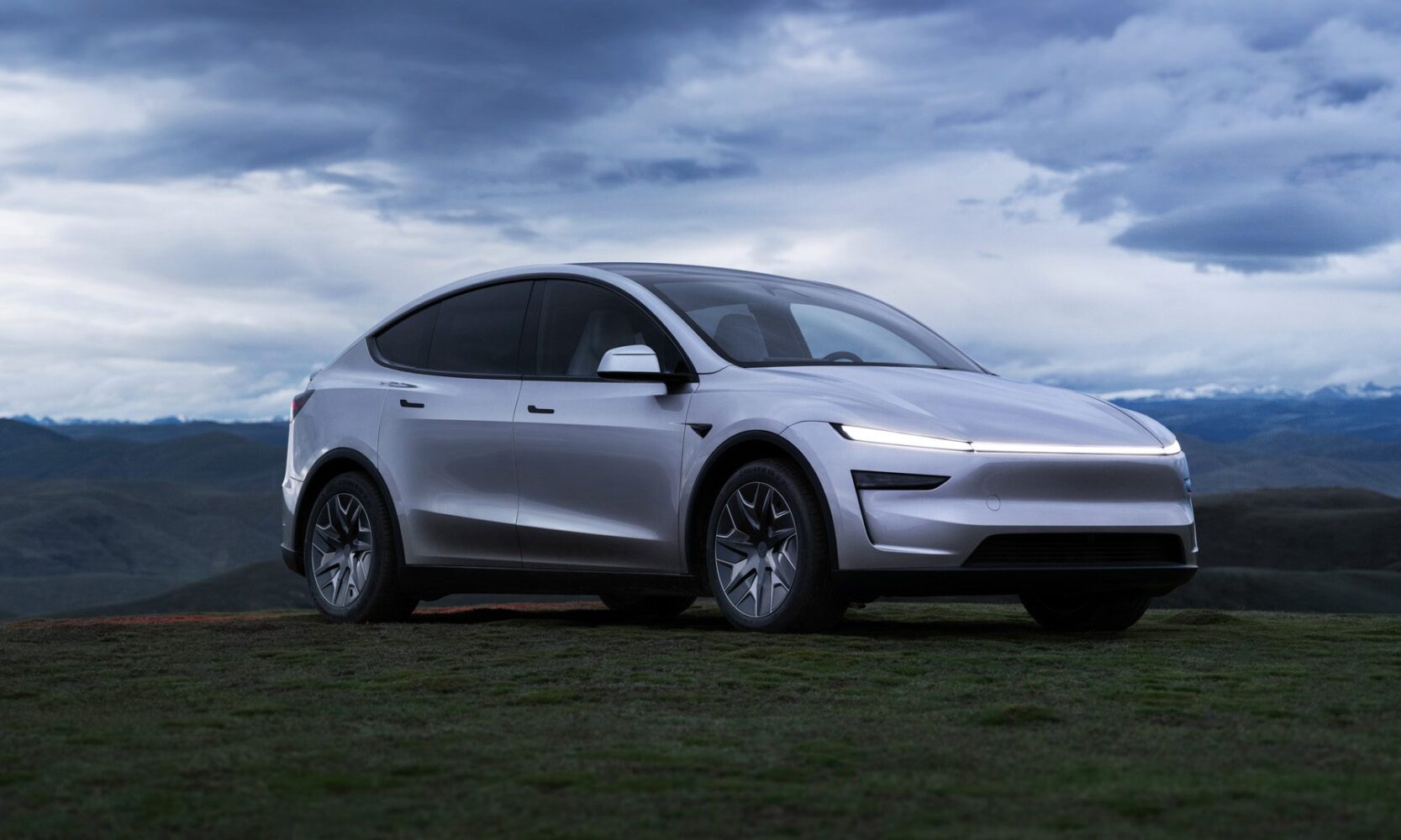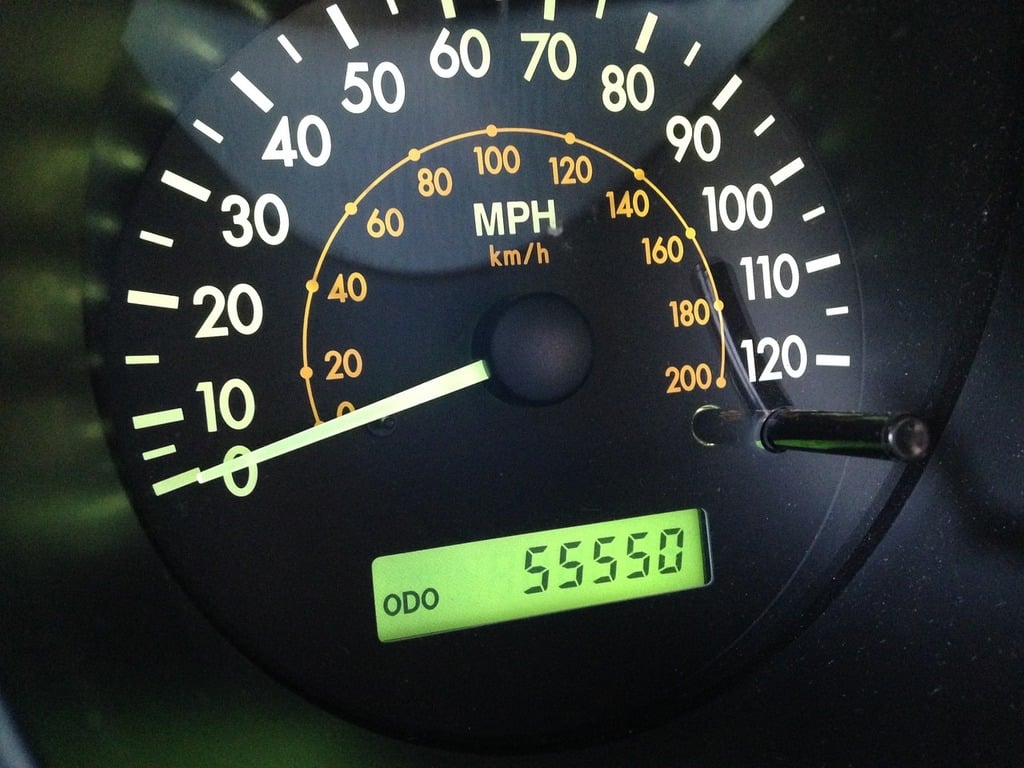


Push a little hard past 50 mph in a new European car, and the accelerator may push back. That’s Intelligent Speed Assistance — ISA — mandatory on every new car sold in the EU since July 2024. Not a rumor. Not a pilot program. Done.
What it is not, despite breathless headlines, is a satellite remotely seizing the throttle. Under EU Regulation 2019/2144, ISA must remain overridable. The regulation explicitly states the system “shall not affect the possibility, for the drivers, of exceeding the system’s prompted vehicle speed.” Drivers can push through it or switch it off entirely.
The “hard limiter by 2030” story reportedly traces back to unnamed Brussels sources quoted in the Daily Mail and amplified by Jalopnik. No binding EU regulation to that effect currently exists — it is speculation worth monitoring, not a finalized directive.
Here is how the system actually works:
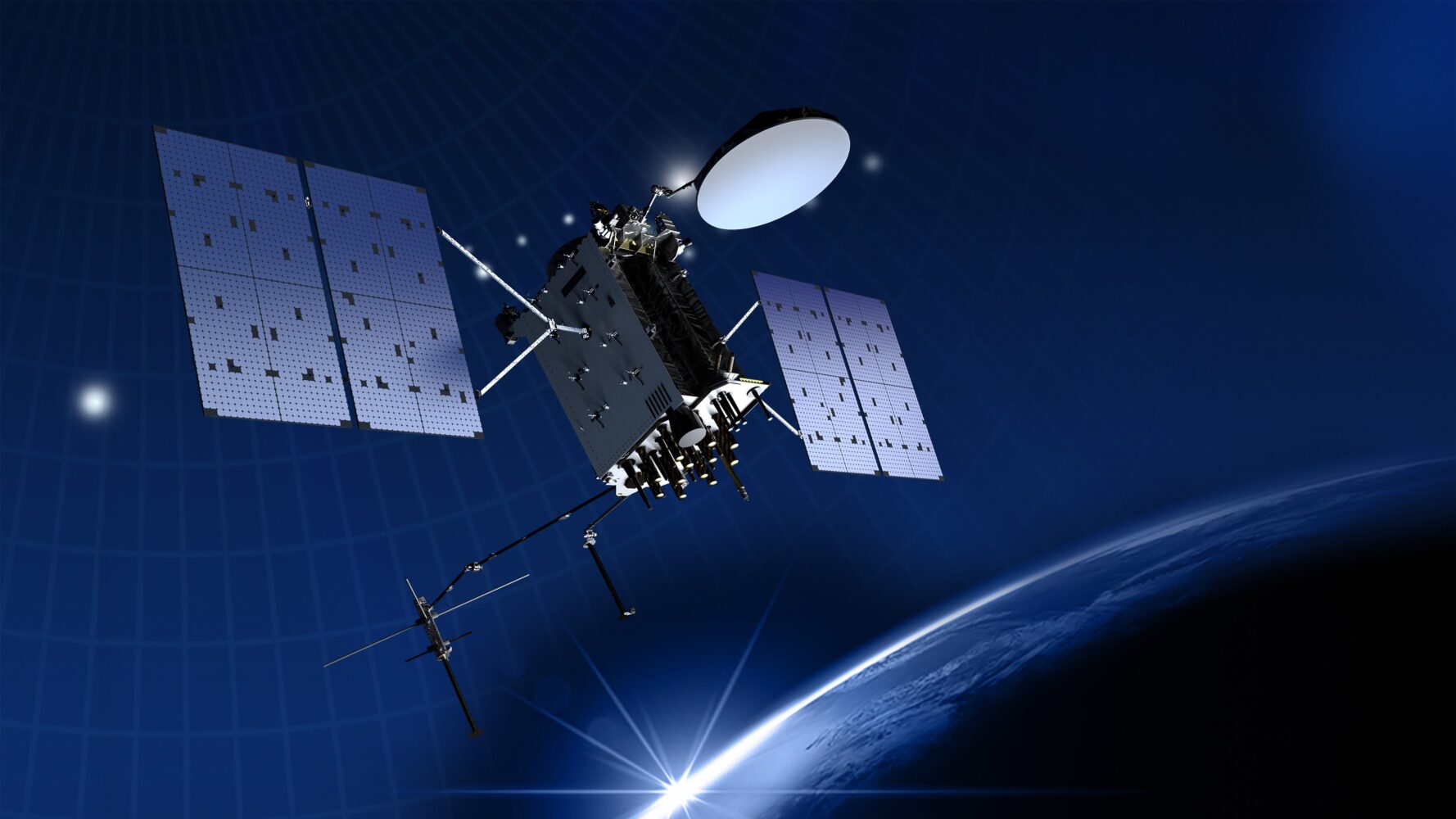
- GPS satellite positioning cross-referenced with a digital speed-limit database and a forward-facing camera that reads roadside signs
- Exceeding the limit triggers visual, acoustic, or haptic warnings — some versions add pedal resistance
- ISA does not touch the brakes; it only throttles engine output or resists acceleration
- Drivers retain full control and override authority under current law
- The European Transport Safety Council estimates wide ISA adoption could cut road deaths by roughly 20% and accidents by around 30%
The Part That Should Actually Concern You
One in four speed-limit transitions misread — tolerable for a warning system, genuinely dangerous for a hard cap.
Thatcham Research tested ISA systems and found they correctly handled speed-limit transitions only 74.3% of the time, meaning roughly one in four changes gets misread. When ISA is purely advisory, that is an inconvenience. If it ever becomes a hard limiter, a 25 mph construction-zone limit mistakenly applied to a 55 mph highway stops being a glitch and becomes a genuine road hazard — traffic stacking behind a car that cannot accelerate.
Map providers like TomTom and HERE are narrowing the accuracy gap through crowdsourced updates and sign recognition, though neither claims perfection — particularly on rural roads or rapidly shifting urban zones. The technology works. It just does not work flawlessly. That gap is manageable while the system remains advisory. It becomes the central argument the moment “overridable” edges toward “optional.”
This Is Already Happening in America – Quietly
No federal mandate exists in the US, but market forces and state courts are moving in a familiar direction.
There is no US federal ISA law, but the trajectory rhymes with Europe’s. Virginia and Washington allow ISA installation as a condition for repeat speeders to keep their licenses. Starting in 2027, the Insurance Institute for Highway Safety reportedly requires ISA warning capability for its Top Safety Pick+ rating — which directly shapes what automakers build. That is not legislation. It is market pressure doing similar work through a different mechanism.
The satellites are not controlling your car yet. The GPS, the maps, the cameras, and the regulatory appetite are already in place. Whether ISA stays a nudge or hardens into something more binding depends far less on engineering than on how much freedom drivers across two continents are willing to trade for measurably safer roads. Cars Coming in 2025 and 2026 will increasingly reflect these shifting mandates and consumer expectations.