

The overlanding vehicle market runs from $3,500 used Jeep Cherokee XJs to $500,000+ custom UNIMOG expedition builds, and the right choice has nothing to do with which end of that range is more impressive. It has everything to do with what terrain you actually plan to cover, how long you plan to stay out, and how much of your budget you can direct toward the vehicle rather than the trips themselves. This list covers eight options across the full spectrum — the goal is matching vehicle to use case rather than demonstrating what the category can cost at maximum.
8. Toyota 4Runner (Exterior)
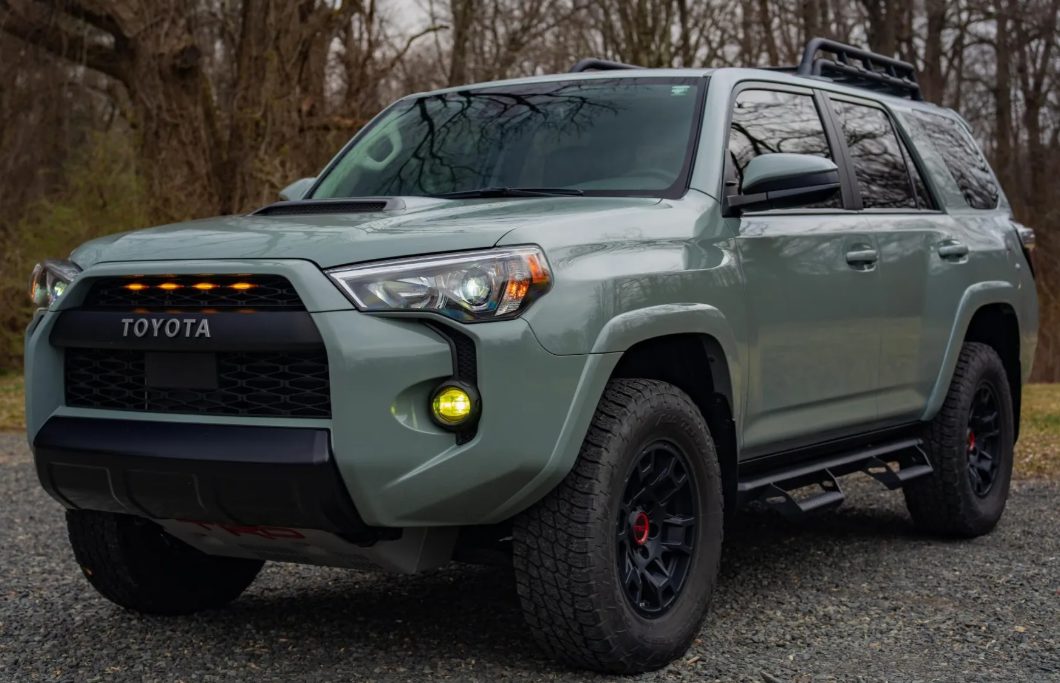
The Toyota 4Runner is the starting point for this list for a specific reason: the aftermarket support is deep enough that you can build capability incrementally rather than committing to a full build cost upfront. Used 2010 models start around $15,858 for decent examples, reaching $25,000 for lower-mileage clean specimens. The 4.0L V6 handles forest service roads and technical rock sections reliably without the complex electronics that create problems in remote locations. Ground clearance is adequate from the factory with room to improve through modifications as budget allows.
Toyota 4Runner (Interior)
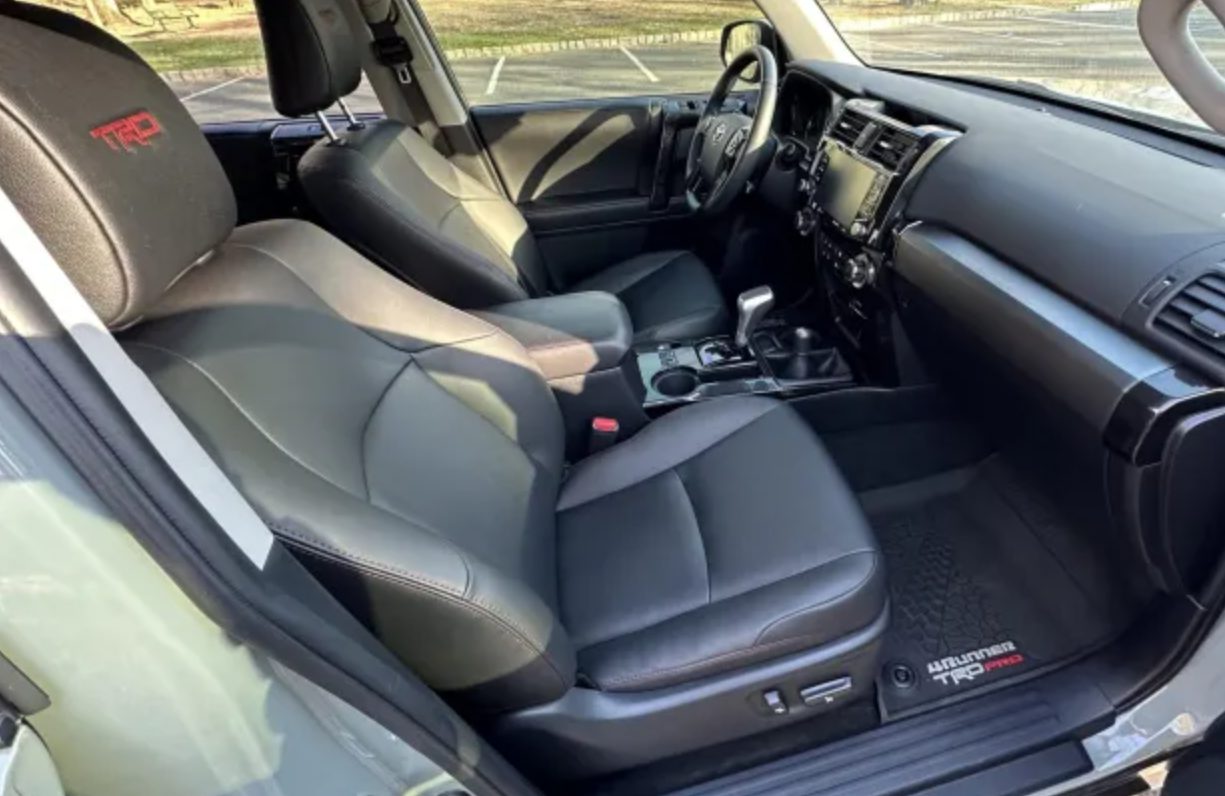
Fuel economy runs 17 mpg city and 22 mpg highway — what the platform’s proportions and weight produce at this power level. The interior uses durable materials that handle muddy boots and camping gear without showing cumulative damage, and the cargo area provides genuine space for extended trips. Rear seats fold flat to create a sleeping platform. Controls are mechanical switches rather than touchscreens, which means reliable operation in temperature extremes where touch-sensitive interfaces fail. Maintenance is straightforward enough that most mechanical issues can be diagnosed and addressed without dealer equipment — a meaningful advantage hundreds of miles from the nearest service center.
7. Jeep Cherokee XJ (Exterior)
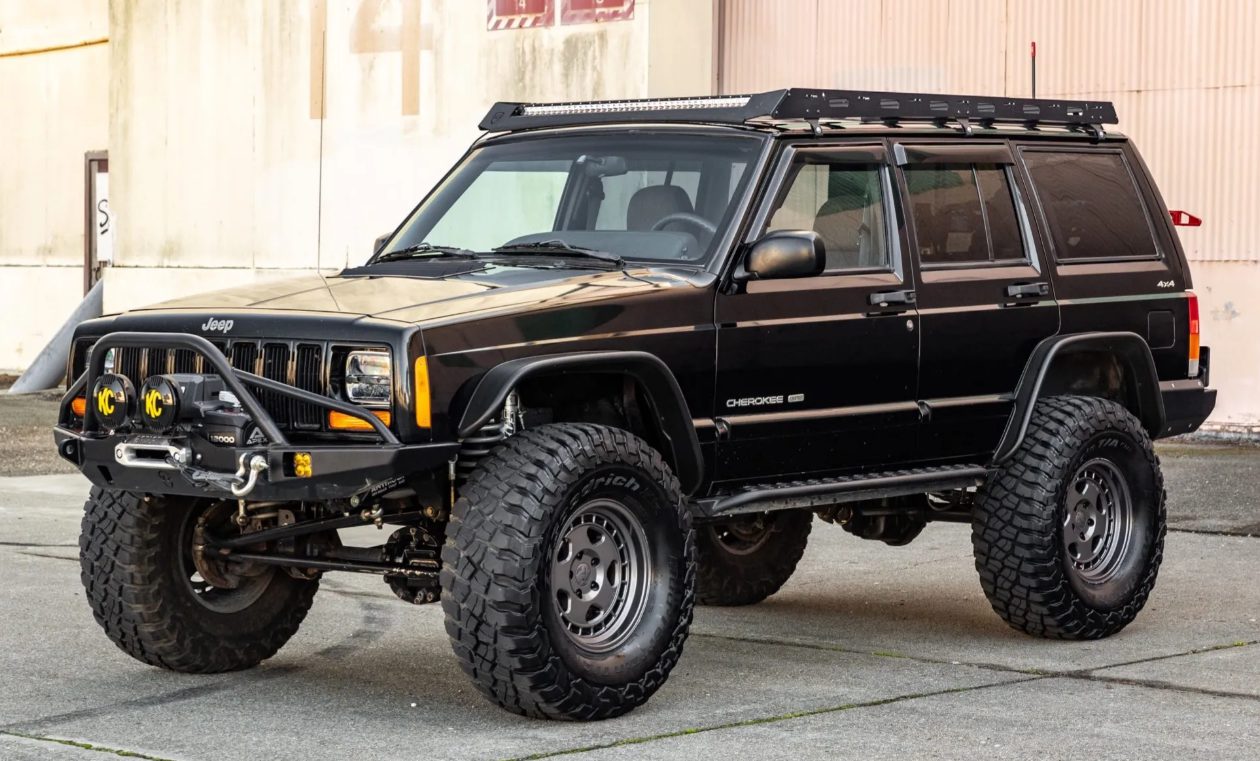
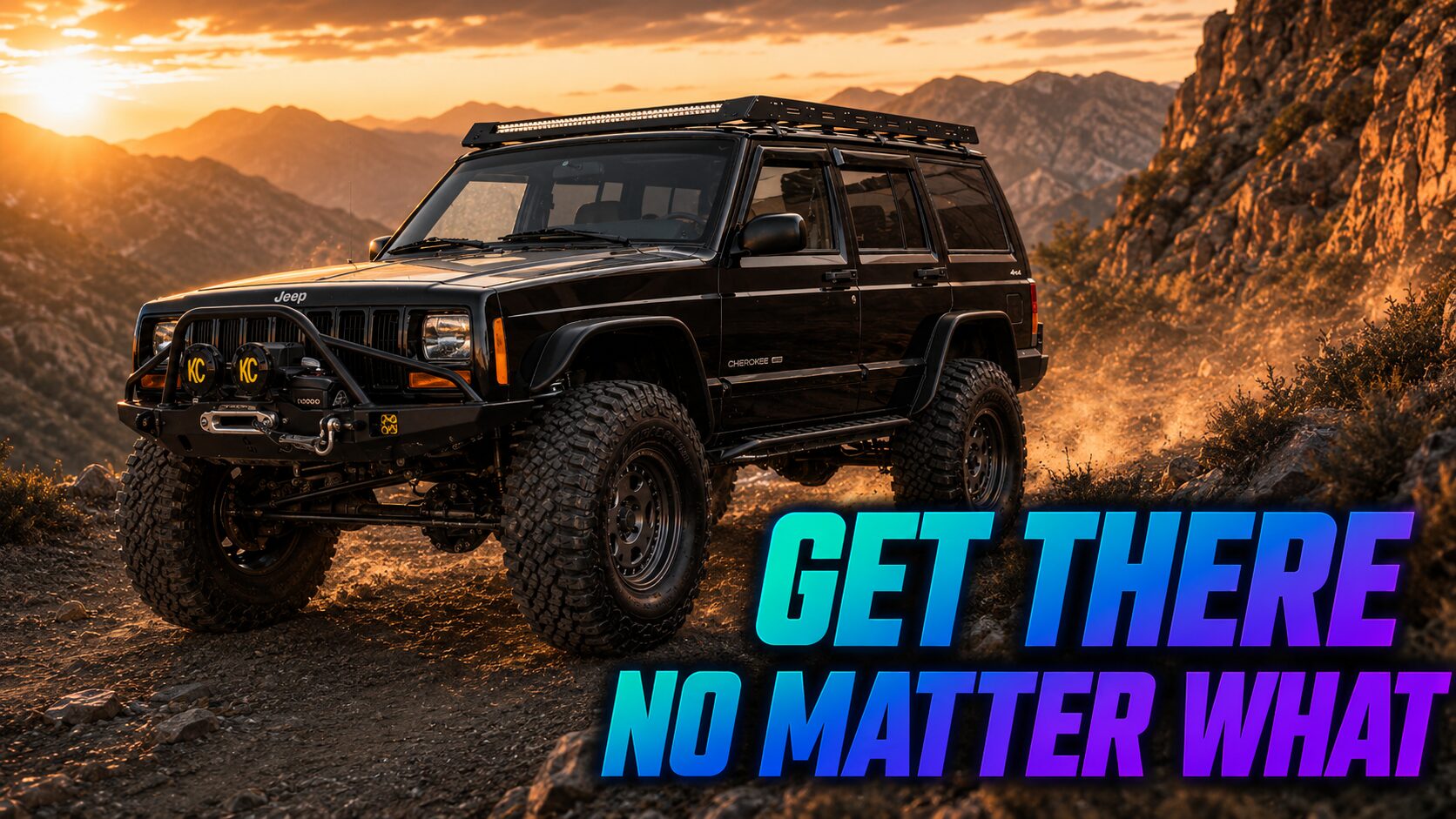
The Jeep Cherokee XJ with the 4.0L straight-six is the lowest-cost genuine off-road platform on this list. Decent examples start around $3,500, with clean low-rust specimens reaching $10,000 depending on condition. The 4.0L inline-six has documented durability and parts availability that makes field repairs practical. Solid axles provide articulation capability that independent suspension cannot match in technical terrain. Rust is the primary condition issue — rear wheel wells and lower door frames are the first areas to inspect, and salt-belt examples require thorough assessment before purchase.
Jeep Cherokee XJ (Interior)
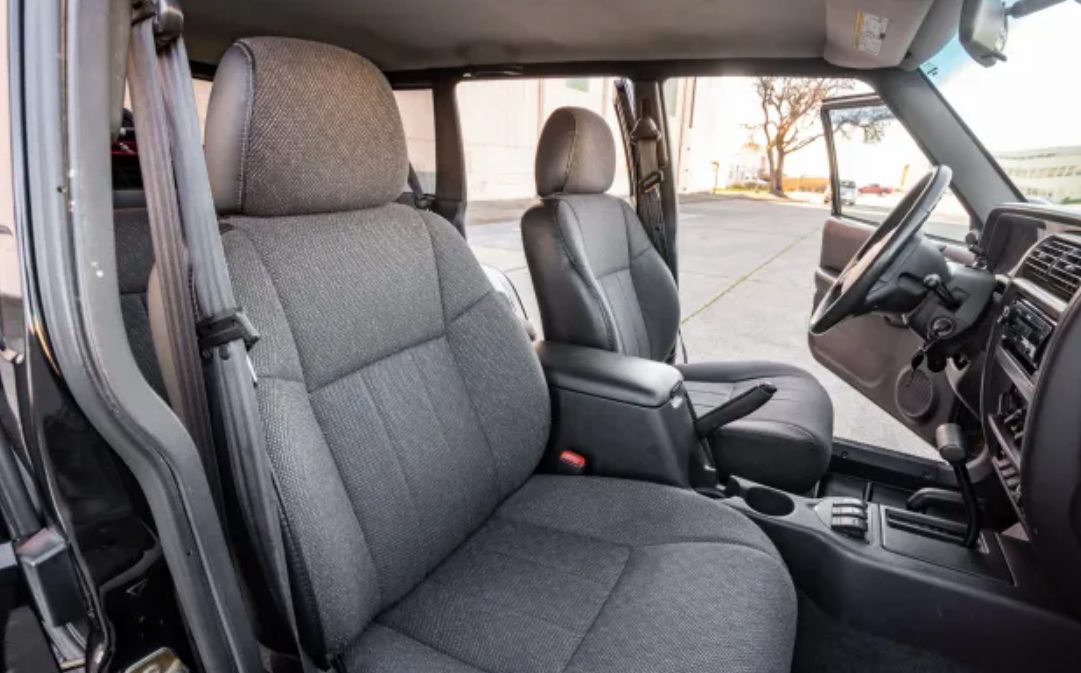
Interior space is generous relative to the compact exterior footprint — rear seats fold flat to create a cargo area adequate for sleeping or gear storage. The dashboard is entirely mechanical with no touchscreens or complex electronics to diagnose in remote locations, which is a genuine operational advantage rather than a limitation. The XJ’s entry cost leaves budget for the modifications and gear that actually expand capability — a stronger argument for budget overlanding than any individual feature the vehicle offers from the factory.
6. Ford Econoline Conversion (Exterior)
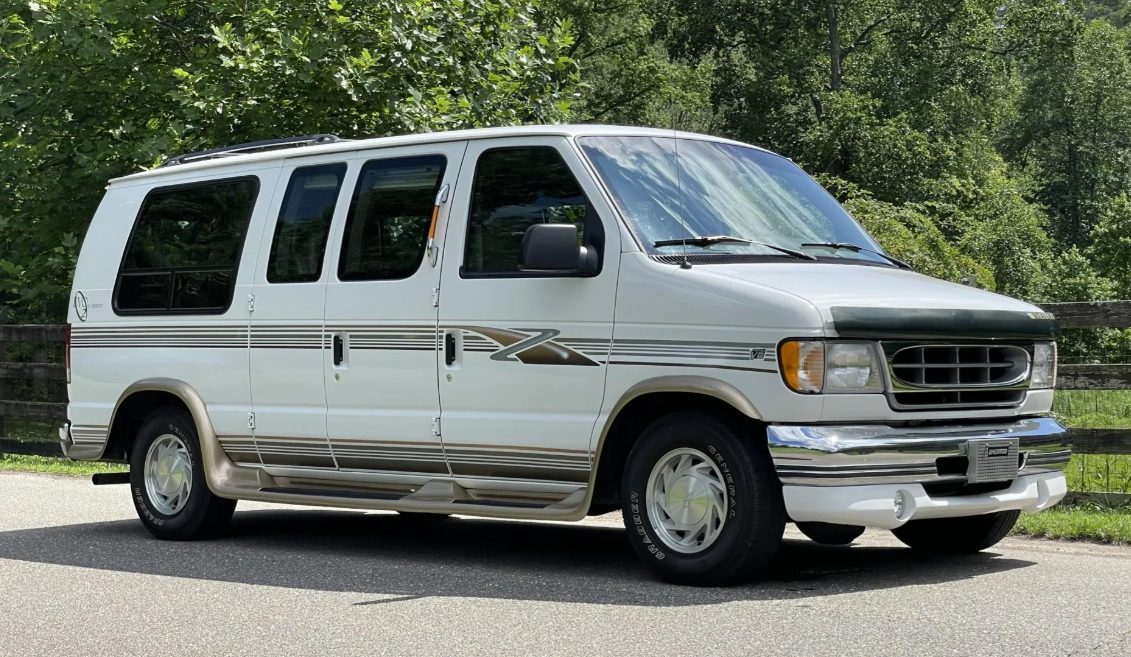
DIY Ford Econoline conversion builds typically run $8,000-$20,000 total, making them the value case for buyers who want substantial interior living space without the premium cost of purpose-built overlanders. The E-350 with the 7.3L diesel is the most sought-after configuration — a powertrain with documented longevity and straightforward maintenance that predates modern emissions complexity. A basic lift kit and all-terrain tires provide adequate ground clearance for most forest service roads without requiring major structural modifications.
Ford Econoline Conversion (Interior)
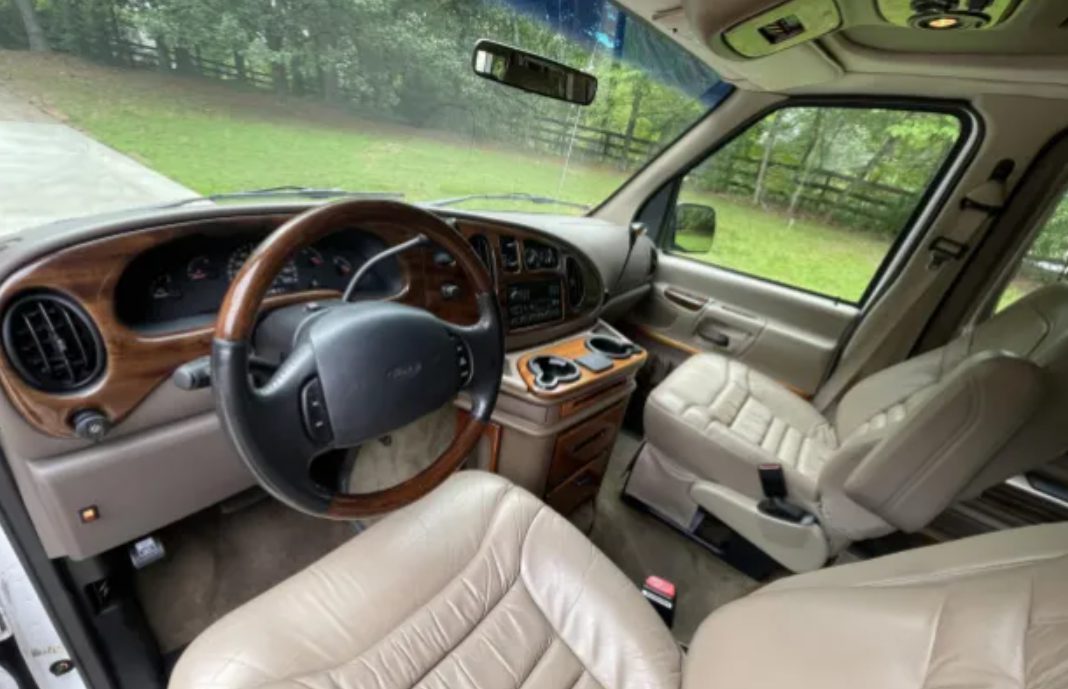
The cargo bay’s dimensions accommodate sleeping platforms, storage solutions, and basic kitchenettes without requiring advanced carpentry skills. High roof clearance provides standing room for most adults, and the wide body allows creative layouts that maximize both living and storage space. The Econoline’s simple systems are easier to modify and repair in remote locations than modern vans with complex electronics — a practical consideration that matters when something goes wrong far from a service center.
5. Storyteller Overland MODE (Exterior)
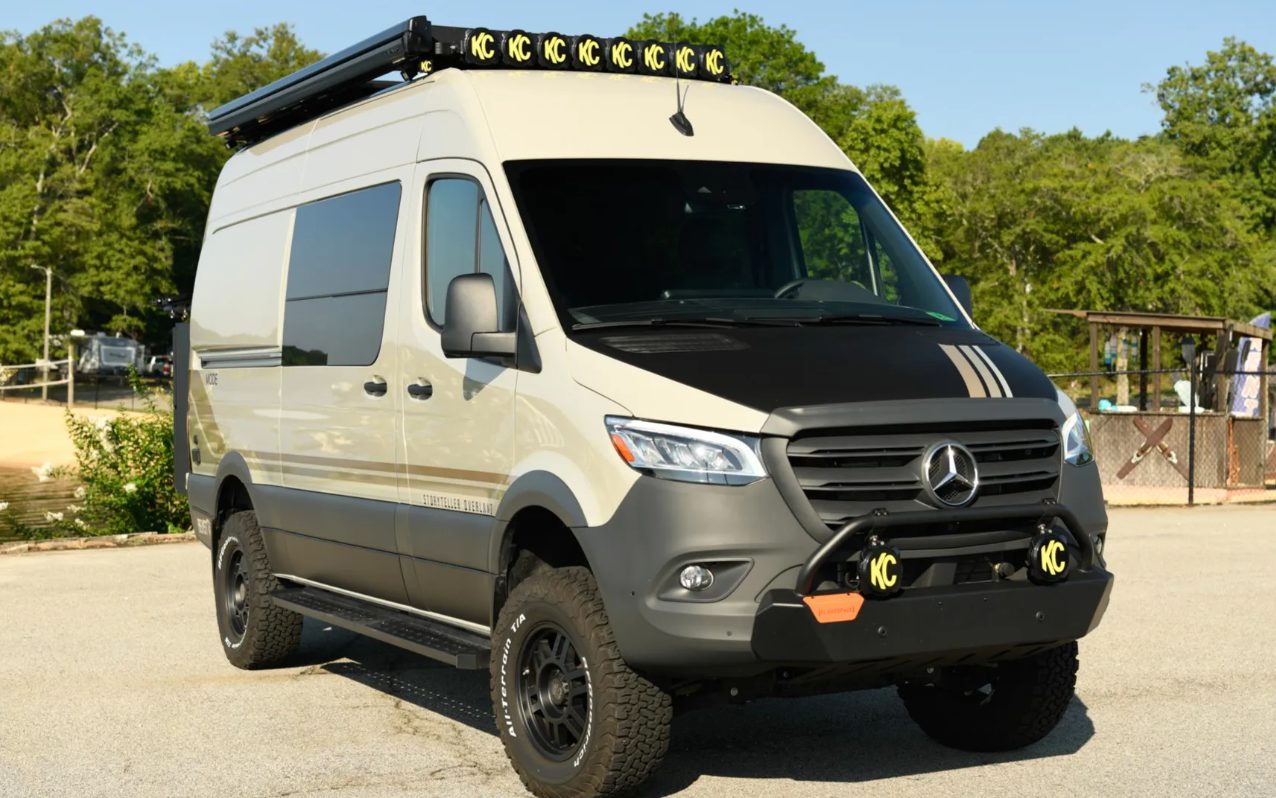
Built on the Mercedes Sprinter 144 with a 3.0L turbo diesel, the Storyteller Overland MODE runs $150,000-$180,000 and represents the transition point between budget-focused builds and purpose-engineered systems. Fuel economy averages 18-22 mpg with a 21-gallon tank. The 320W roof-mounted solar array handles basic power needs without generator use. The exterior modifications are subtle enough for urban parking while communicating genuine capability at trailheads — a functional balance rather than an aesthetic one for buyers who use the vehicle in both environments regularly.
Storyteller Overland MODE (Interior)
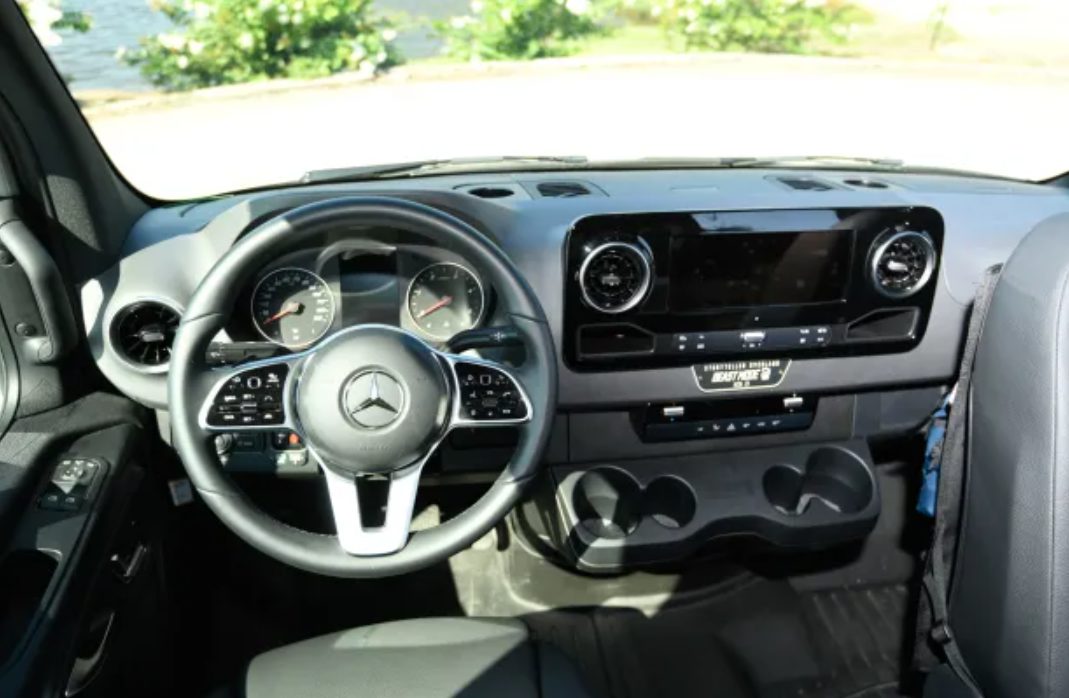
The MODE includes a functional kitchenette, wet bath, and convertible living space that transitions between configurations quickly. Interior build quality uses materials that feel premium rather than RV-grade, which is a meaningful difference at this price point — the materials are paying for durability and finish quality rather than just appearance. The 2,000W inverter handles most appliances, and the convertible seating works equally well for daily driving and extended camping. Storage solutions maximize the available space efficiently without making the interior feel compressed during extended occupancy. For keeping gear organized on the road, pairing the build with quality travel organization extends the system’s practical utility.
4. Thor Scope (Exterior)
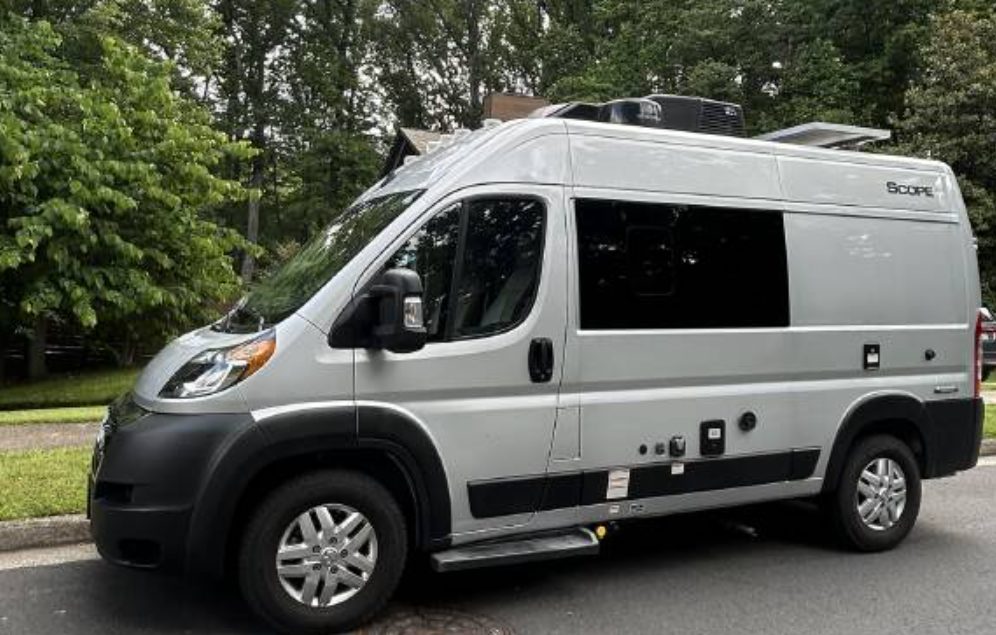
Built on the Ram ProMaster chassis, the Thor Scope runs $100,000-$130,000 and sits at the accessible end of the purpose-built Class B category. The 3.6L V6 produces 14-18 mpg — the ProMaster platform’s known limitation relative to diesel alternatives — with a 24-gallon tank providing reasonable range between fills. The 190W solar setup handles basic power needs but reaches its limits quickly for buyers running significant electronics loads. External storage compartments allow gear access without entering the living space, which matters considerably during wet or muddy conditions.
Thor Scope (Interior)
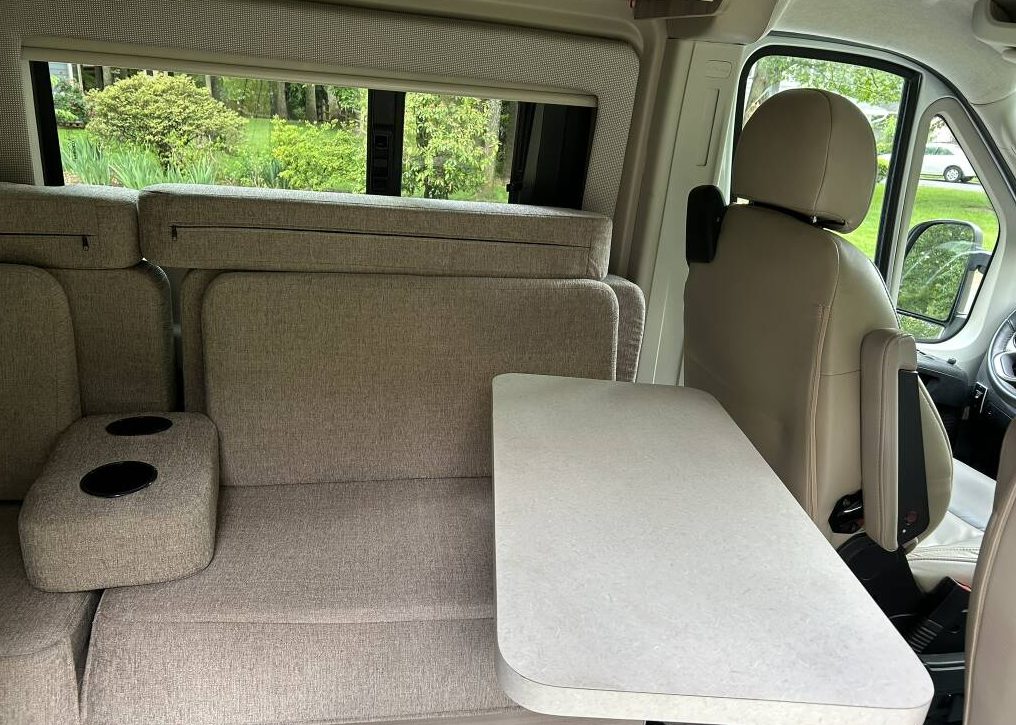
The wet bath and convertible sleeping space work for two people without requiring impractical flexibility, and the 2,000W inverter handles the basics. Build quality is solid RV-grade rather than premium — functional and reliable rather than refined. The galley includes essential appliances in a compact layout that balances functionality with livability. Storage solutions are well-considered for the space available. Pairing the Scope with organized packing systems extends the practical utility of the compact interior on extended trips.
3. Freedom Overland M2.0 (Exterior)
The Freedom Overland M2.0 builds on the Mercedes Sprinter 170 extended wheelbase with a 305-horsepower engine, at $180,000-$220,000. The longer platform provides improved stability and ride quality during extended highway travel and crosswind conditions — a tangible benefit on long transit days between destinations. The 600W solar array is professionally integrated into the roof structure rather than surface-mounted, and external utility connections allow established campground hookups. Ground clearance handles forest service roads adequately without major modifications, though technical rock terrain is outside this platform’s design intent.
Freedom Overland M2.0 (Interior)
The extended wheelbase produces interior dimensions that allow two people to occupy the space for extended periods without the spatial friction that shorter van builds create after several days. The 40-gallon freshwater capacity supports genuine off-grid stays — a meaningful specification when competitors offer token tank sizes that require frequent water sourcing. The 3,000W inverter runs appliances without engine power, which preserves quiet at camp and reduces fuel consumption during stationary use. Interior finishes balance durability and comfort at a quality level that reflects the price point rather than overselling it.
2. EarthCruiser EXP (Exterior)
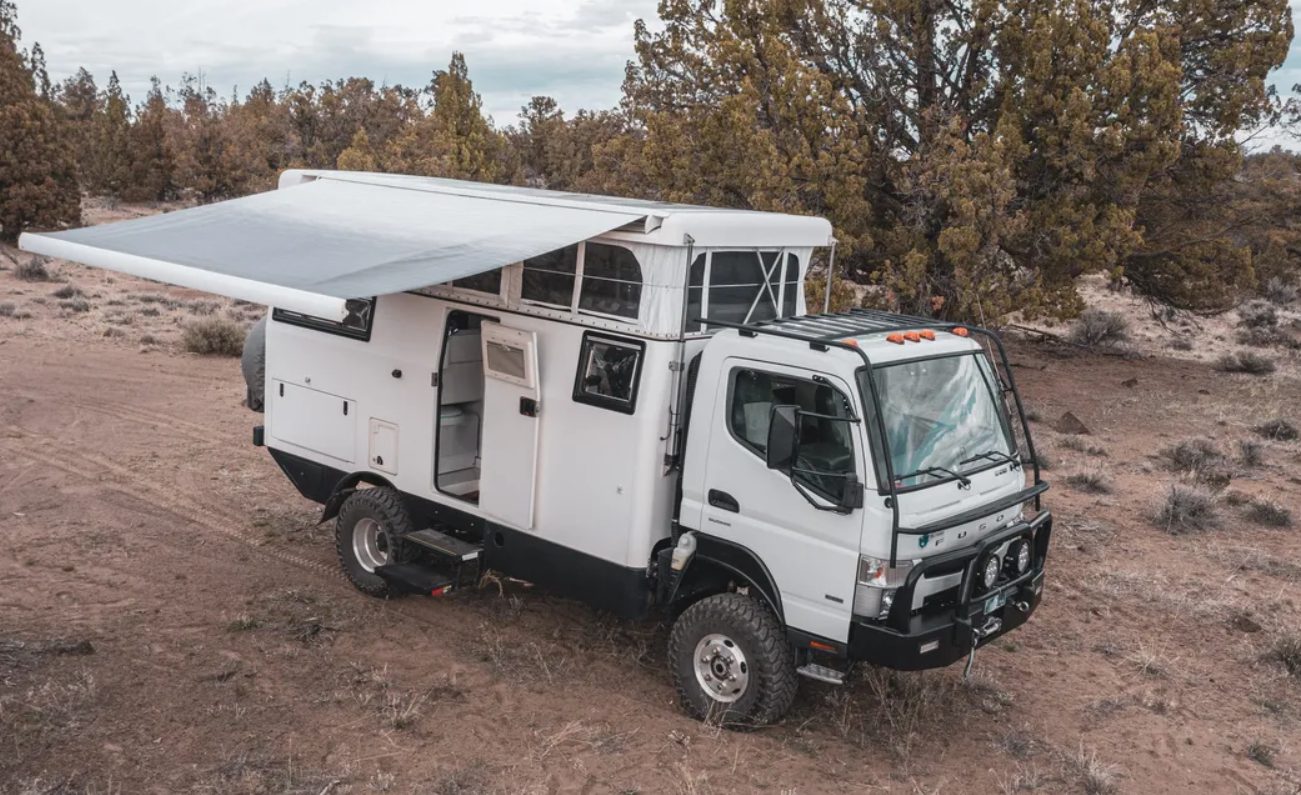
The EarthCruiser EXP is built on a Fuso 4×4 chassis with portal axles — a platform designed for terrain that disqualifies every other vehicle on this list. Custom builds start at $350,000 and reach $450,000, reflecting the engineering required for genuine expedition-grade off-road capability. The 60-gallon diesel capacity and 800W solar array support extended remote deployments measured in weeks rather than days. Approach and departure angles allow terrain engagement that van-based platforms cannot attempt without structural damage.
EarthCruiser EXP (Interior)
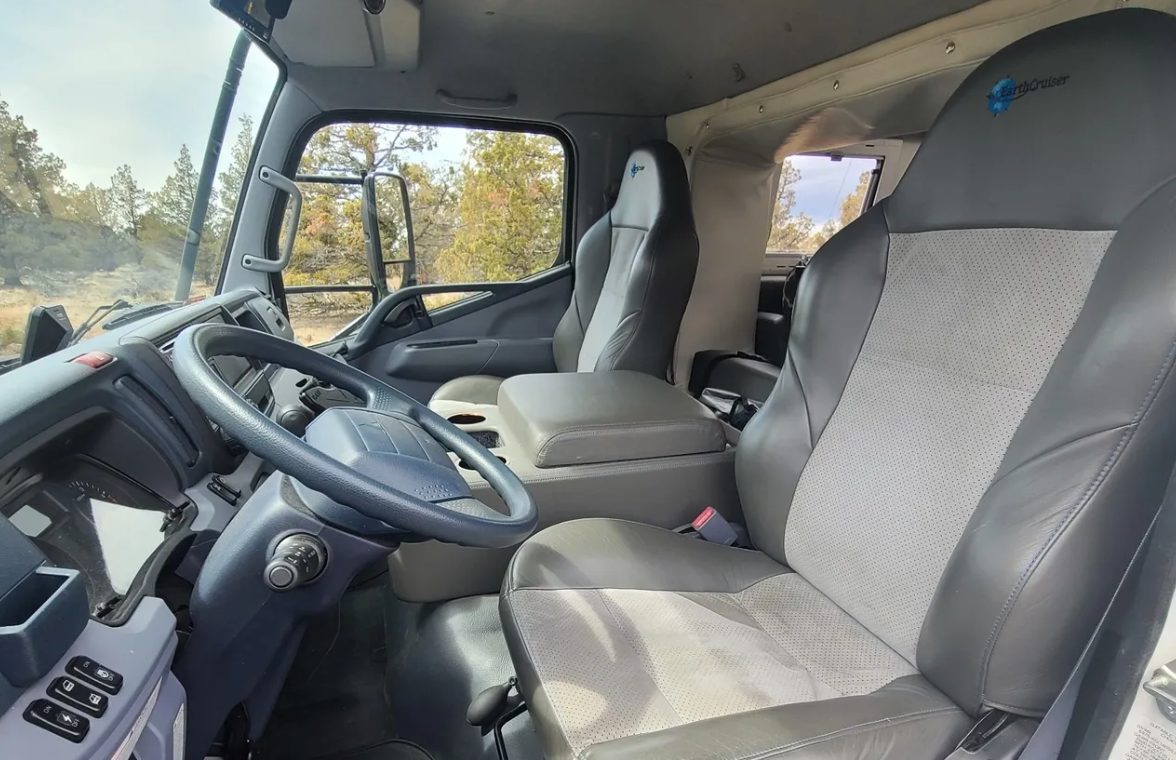
The 12,000W inverter and 90-gallon freshwater tank support extended off-grid capability that rivals fixed base camps. Full-sized appliances and premium interior appointments occupy a space designed for living in genuinely remote locations for extended periods — not weekend trips to established campgrounds. Storage solutions maximize every available inch while maintaining comfort appropriate for multi-week deployments. Interior materials balance ruggedness with the quality level the price point demands and the use case requires.
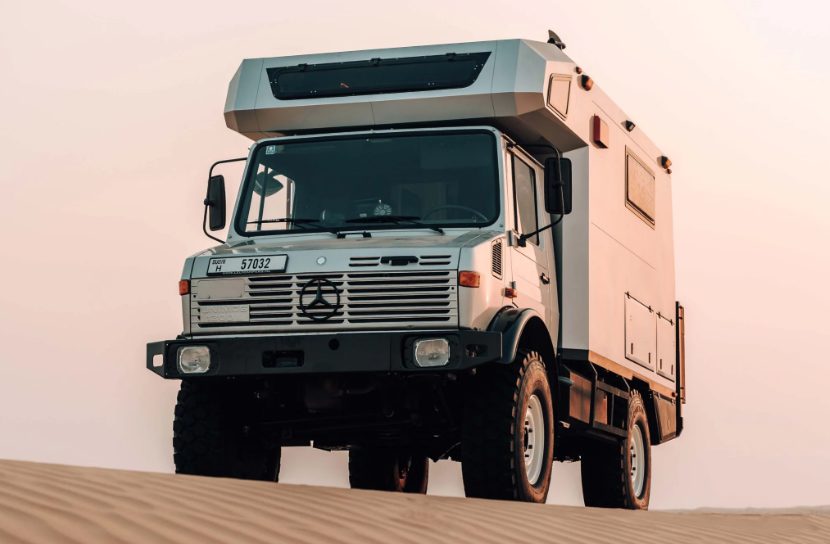
1. UNIMOG U500 Expedition Vehicle (Exterior)
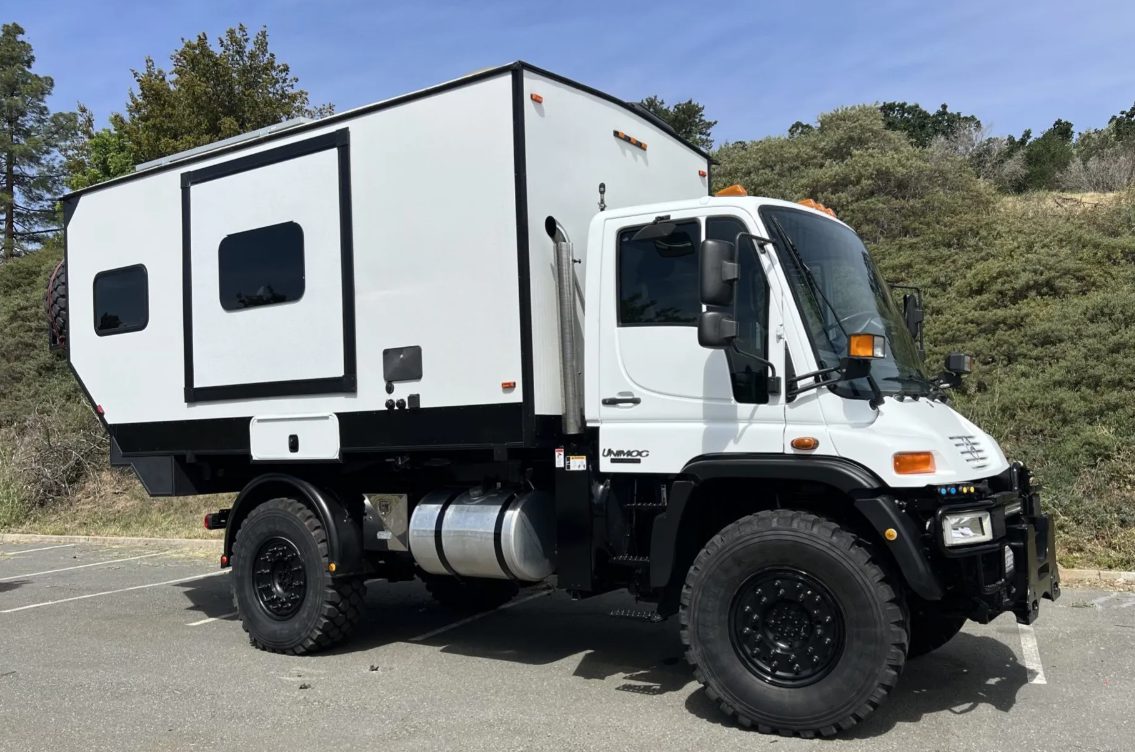
Custom UNIMOG U500 Expedition Vehicle builds start at $500,000 and climb rapidly from there, representing the category’s ceiling for buyers whose use case genuinely requires it. The German-engineered platform provides articulation, approach angles, and ground clearance that exceeds every other vehicle on this list by a significant margin — this is the tool for terrain where the EarthCruiser’s limitations become real. Hydraulic leveling systems, large solar arrays, and custom exterior systems are standard at this build level. The exterior prioritizes function entirely, producing a vehicle equally suited to Saharan crossings and Arctic tundra deployments.
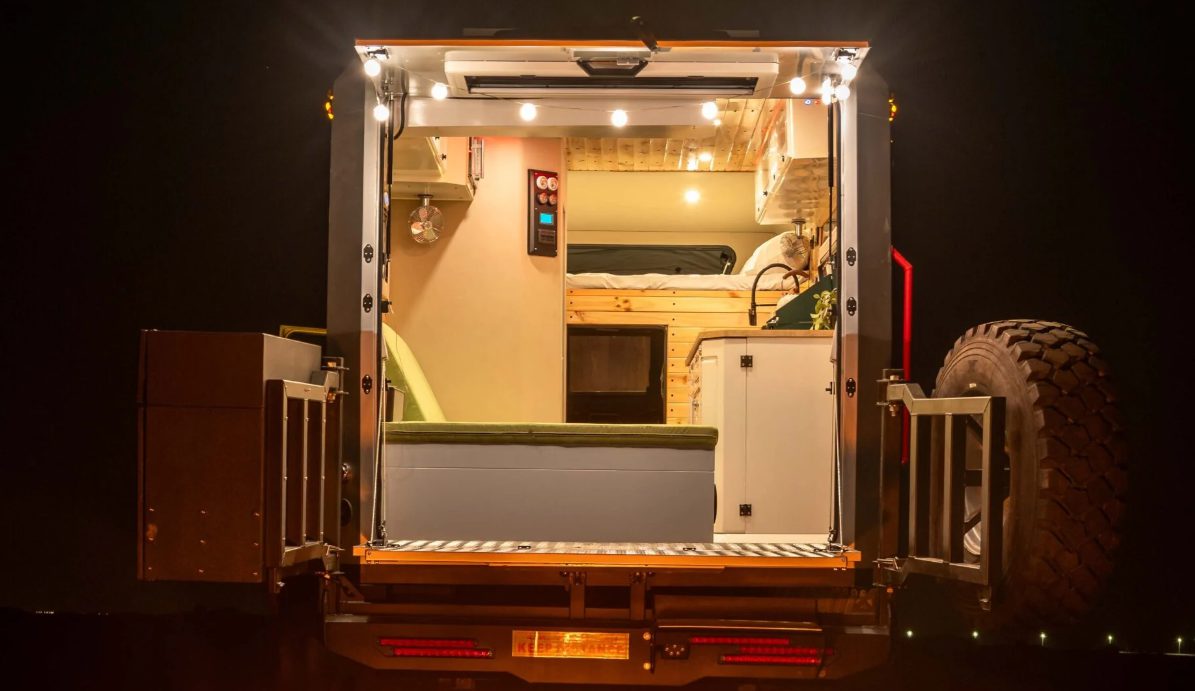
UNIMOG U500 Expedition Vehicle (Interior)
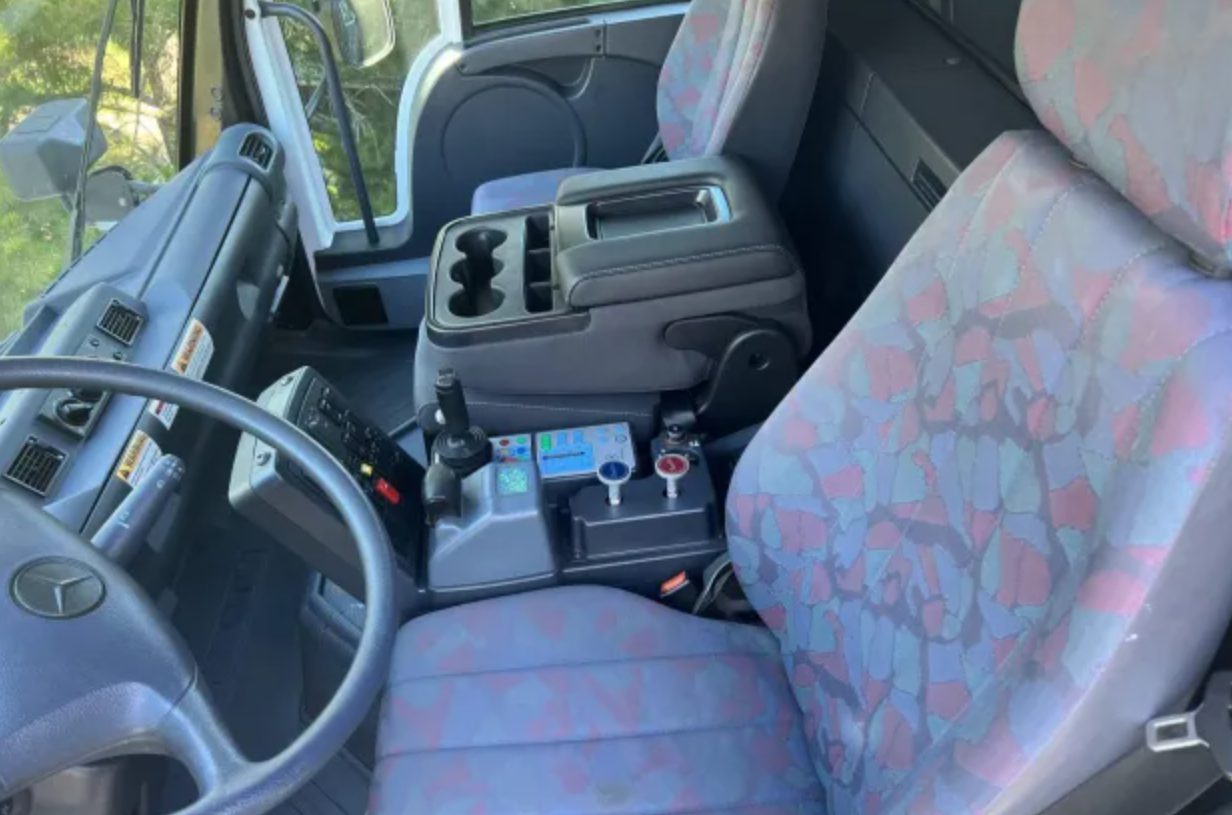
Water capacity exceeds 100 gallons, supporting genuine expedition-length deployments in locations where resupply is not a realistic option. Custom layouts accommodate full kitchens, separate sleeping quarters, and the storage volume that extended expeditions require. Build quality meets German engineering standards across all systems — not because the standards are a marketing claim, but because the operating environments these vehicles enter require systems that function reliably when failure carries real consequences rather than inconvenience. The interior appointments balance ruggedness with comfort proportional to what a $500,000+ vehicle should provide for the buyers who need it.