

Toyota’s reputation for durability is well-deserved, but not every used model delivers the same value. Some will clock hundreds of thousands of miles with minimal fuss, while others hide expensive repair bills beneath their familiar badges. This guide breaks down specific model years and powertrains known for either rock-solid dependability or costly failures. Understanding the crucial inspection points before purchase separates a reliable road-trip companion from a financial sinkhole.
The Reliable Options
1. 2014–2019 Toyota Corolla

This eleventh-generation sedan often sails past 300,000 miles with only basic maintenance.
The 2014–2019 Corolla uses a 1.8-liter inline four-cylinder engine producing 132–140 horsepower depending on trim. Available with a manual transmission, conventional automatic, or CVT, it’s designed for inexpensive routine maintenance and strong longevity. The CVT demands proper fluid changes; neglecting this service transforms a straightforward maintenance item into a transmission replacement. For daily commuters and students needing reliable transport without drama, this Corolla handles the grind without complaint.
Toyota’s official model gallery identifies the 2012 Corolla as part of the eleventh generation and the 2019 model as the beginning of the twelfth generation, so confirm exact specifications through the vehicle’s VIN. Inspect CVT service history, underbody corrosion, accident repairs, and general maintenance records before buying.
2. 2012–2017 Toyota Camry
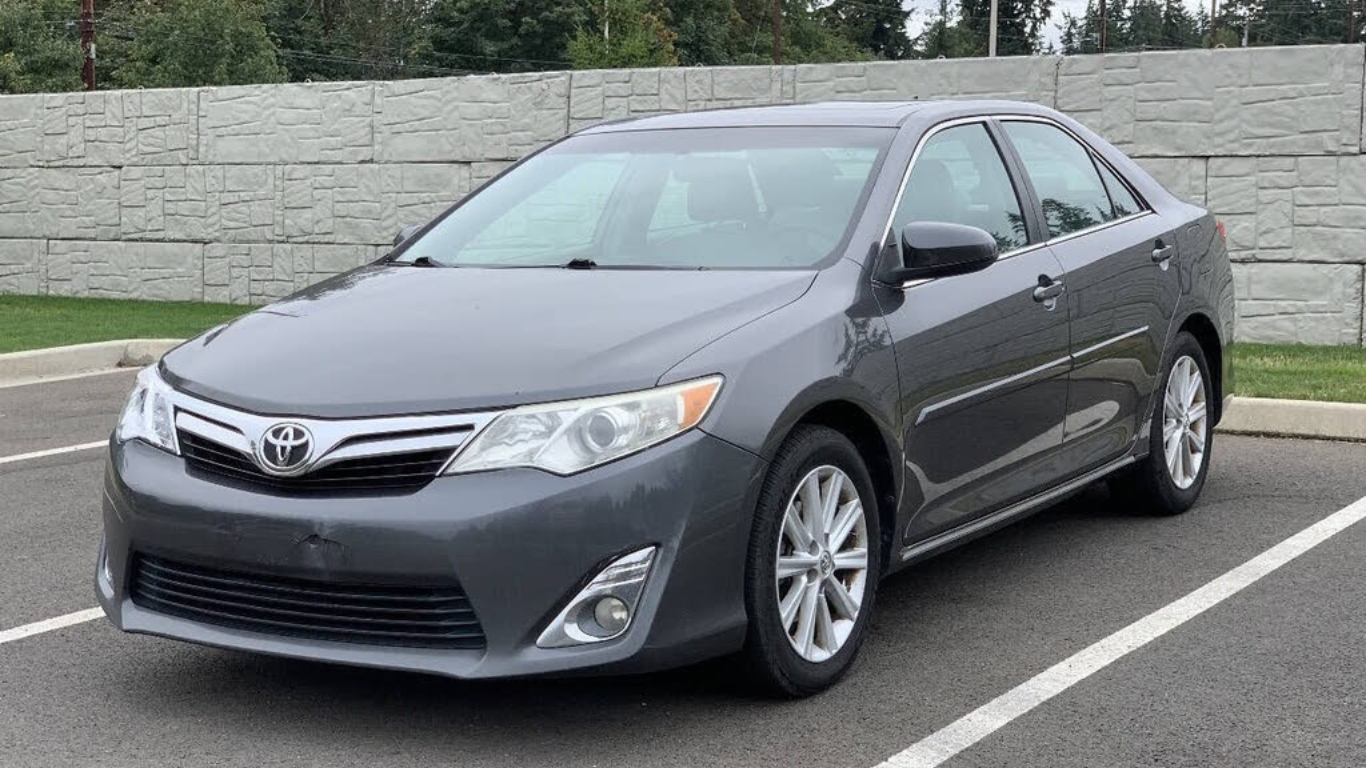
A silent workhorse that gets the job done without complaint.
These seventh-generation Camrys offered a 2.5-liter four-cylinder or 3.5-liter V6, generally paired with a six-speed automatic transmission. The four-cylinder delivers fuel economy and low running costs, while the V6 provides substantially stronger acceleration. Water-pump seepage, suspension wear, oil leaks, and transmission behavior are common inspection points. For small business owners and families, such reliability is non-negotiable.
Exact equipment and powertrain depend on trim and market, so verify specifications by VIN through Toyota’s official lookup. Check for water-pump condition on four-cylinder models, and confirm all maintenance records are complete.
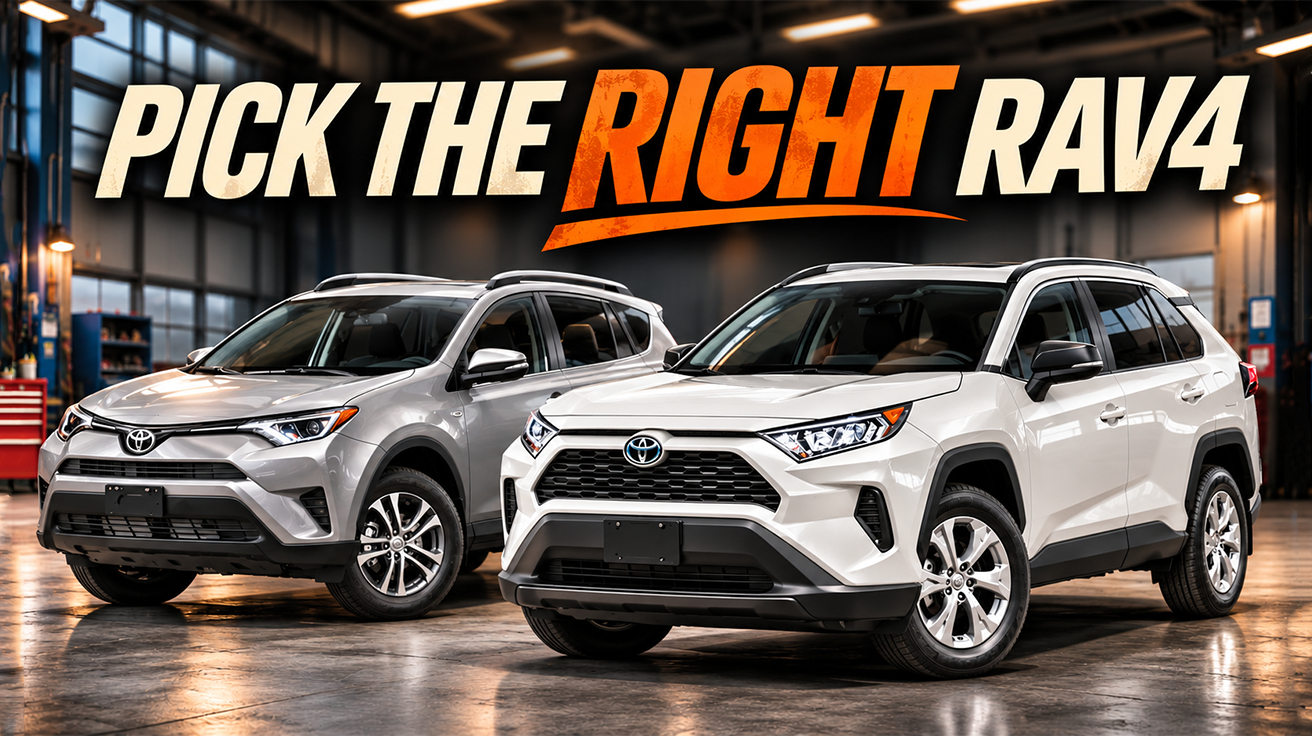
3. 2016–2018 Toyota RAV4
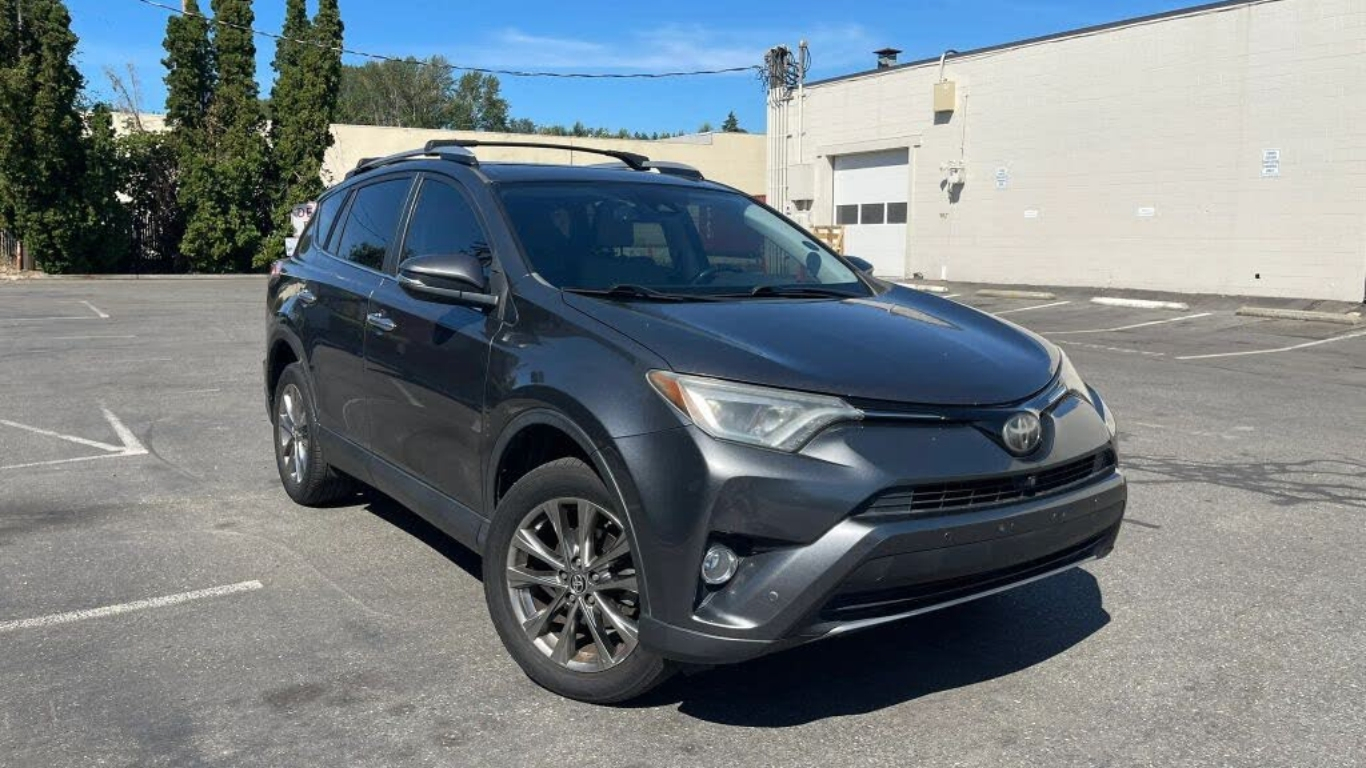
Practical cargo space and elevated seating meet simple, dependable mechanicals.
These fourth-generation RAV4 models use a 2.5-liter four-cylinder engine and six-speed automatic transmission. All-wheel-drive versions add an electronically controlled rear-drive system. Generous cargo space easily swallows gear for weekend trips, and the elevated seating provides a commanding view on busy roads. Check oil level, brake vibration, suspension wear, drivetrain noises, and smooth AWD engagement.
Early 2016 vehicles deserve especially careful maintenance and condition checks because production changes and vehicle history can vary. Inspect brake rotors thoroughly; no one wants a shuddering stop when traffic gets unpredictable. This RAV4 delivers reliability without mechanical drama.
4. 2004–2009 Toyota Prius
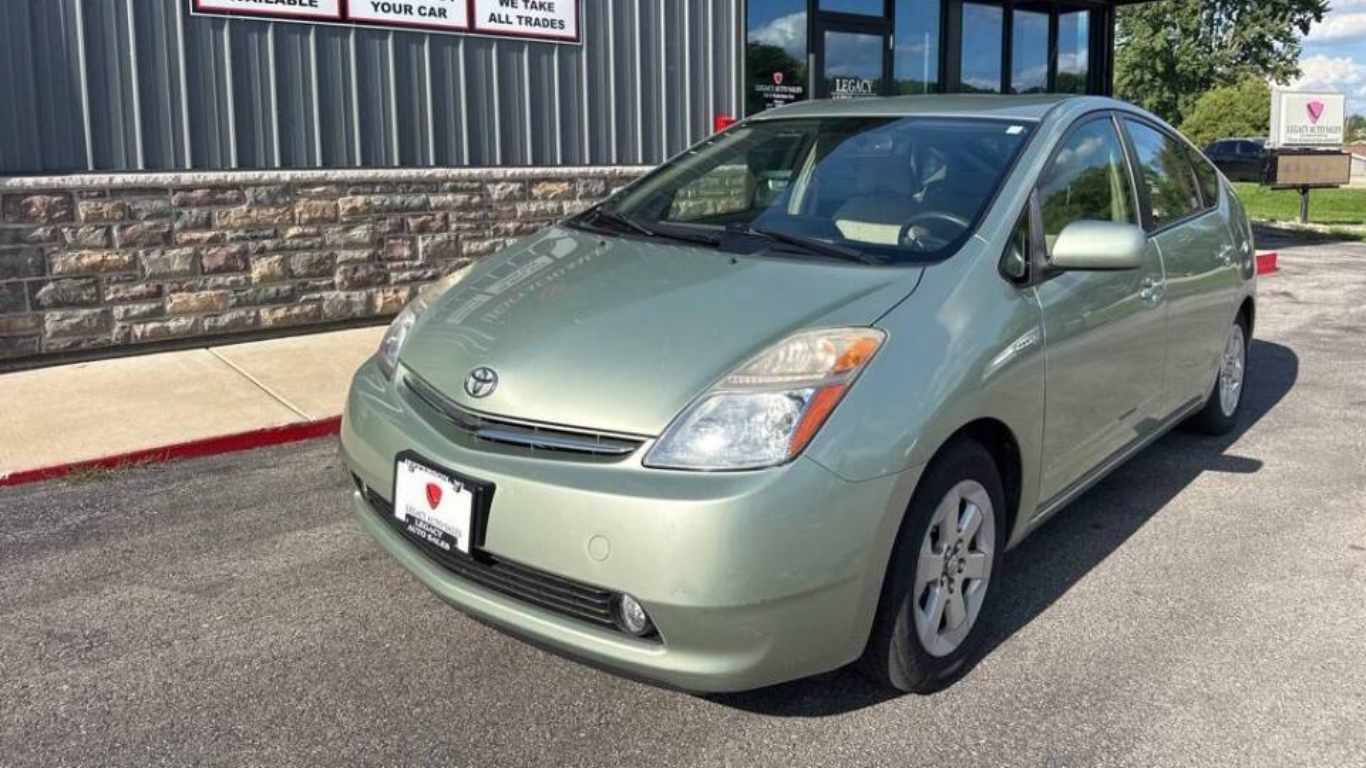
High-mileage hybrid warriors that keep delivering long after skeptics predicted failure.
These second-generation Prius models use Toyota’s Hybrid Synergy Drive system and a gasoline-electric powertrain. Their strong fuel economy and extensive use in taxi and fleet service made them common high-mileage vehicles. The hybrid battery’s longevity often exceeds expectations, but a health assessment remains essential before purchase. Inspect the 12-volt battery, brake actuator operation, inverter cooling, and evidence of regular maintenance.
Replacement hybrid batteries are readily available at various price points, a far cry from the exotic repairs once feared. A low purchase price does not eliminate the possibility of costly hybrid-system repairs, so obtain a comprehensive hybrid health check. This generation remains smart for anyone seeking reliable, budget-friendly transportation.
5. 2014–2019 Toyota Highlander
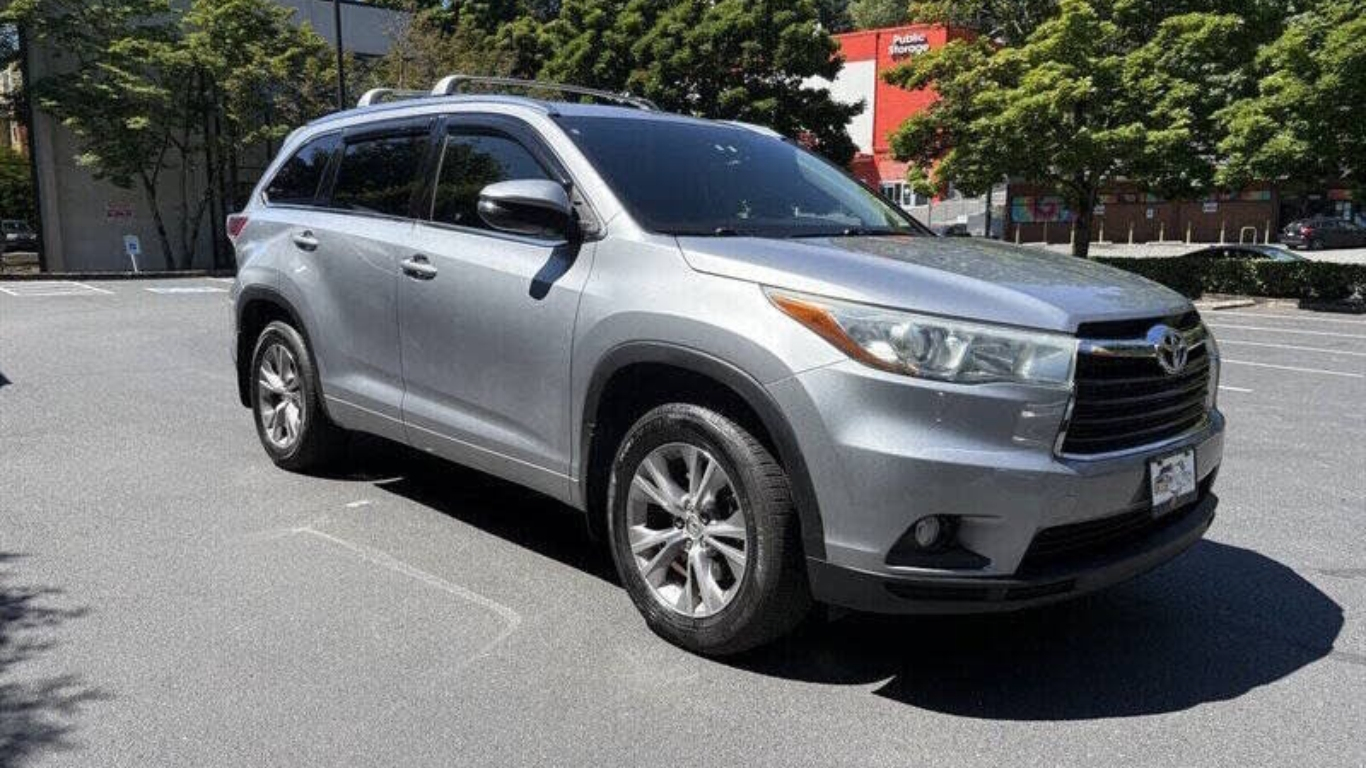
A luxury-leaning family hauler designed for the long haul.
This third-generation Highlander uses a naturally aspirated V6 in many trims and offers three-row seating, with front-wheel drive or all-wheel drive depending on configuration. Designed as a comfortable family crossover rather than a body-on-frame off-road SUV, it delivers a smooth, quiet ride ideal for transporting passengers. Inspect water-pump and cooling-system condition, transmission operation, tire wear, suspension components, and third-row mechanisms.
VIN-specific equipment and recall information should be verified before purchase through Toyota’s official resources. This Highlander solidifies its value as a dependable companion for extended trips where the miles accumulate.
6. 2005–2015 Toyota Tacoma

Durable body-on-frame construction and strong resale values define this midsize truck.
These second-generation Tacomas were offered with four-cylinder and 4.0-liter V6 engines, paired with manual and automatic transmissions depending on configuration. The most important used-buying concern is frame corrosion, particularly on vehicles operated in snow-and-road-salt regions. Vehicles from salt-heavy states risk severe frame damage that can ruin any off-road capability. Inspect frame rails, suspension mounts, brake lines, transfer-case operation, oil leaks, and recall or warranty-campaign history.
Verify structural integrity through professional inspection, especially if weekend adventures off the pavement are planned. This truck maintains enduring appeal and justifies its reputation for holding value better than most competitors.
7. Toyota 4Runner and Sequoia with the 2UZ-FE V8
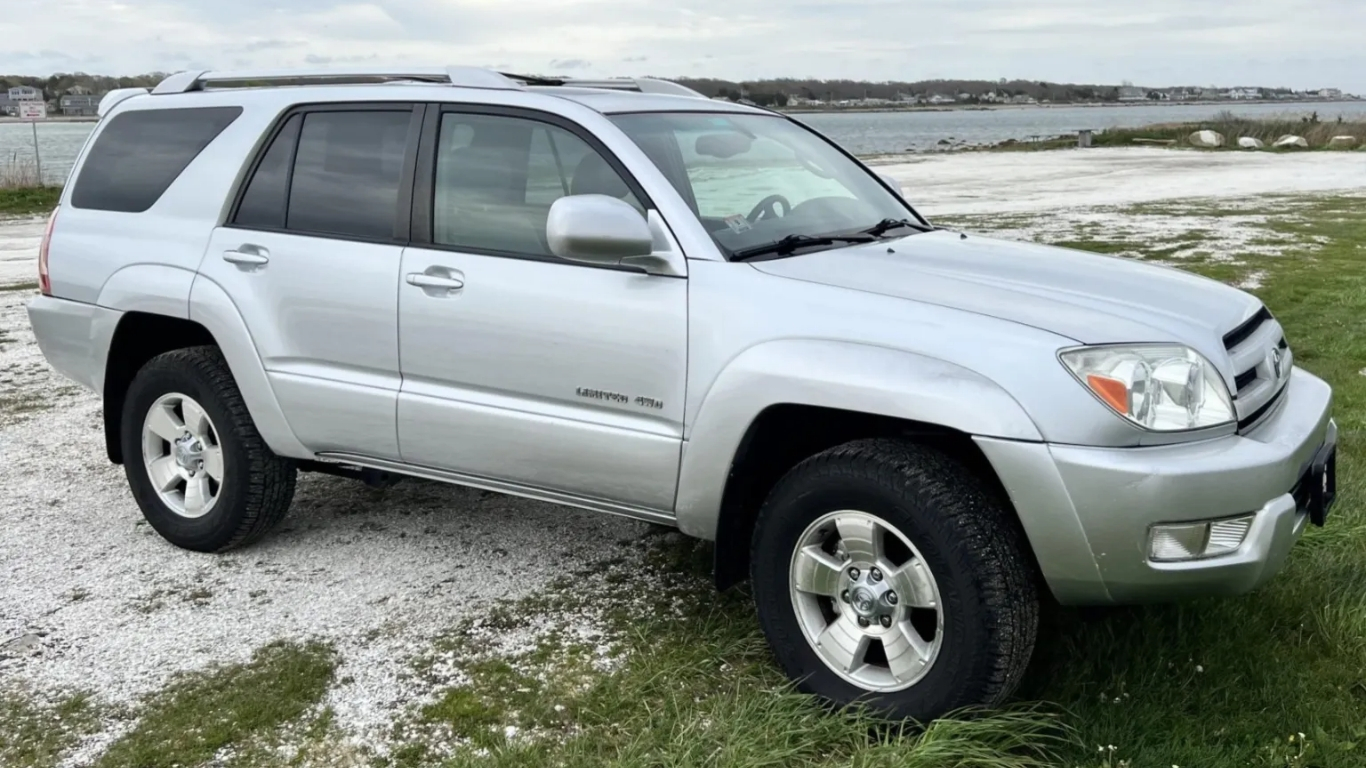
A robust cast-iron block built for commercial-grade durability.
The 2UZ-FE is a 4.7-liter naturally aspirated V8 used in selected Toyota trucks and SUVs, including certain 4Runner and Sequoia applications. Known for a robust cast-iron block, it uses a timing belt rather than a timing chain, making documented belt and water-pump replacement essential. Inspect frame rust, exhaust-manifold leaks, cooling-system condition, drivetrain wear, and four-wheel-drive operation.
Exact model-year compatibility and equipment should be verified through the VIN. The main enemy, especially in salt-belt vehicles, remains frame rust. For drivers seeking long-term SUV reliability, this engine delivers when properly maintained.
The Money Pits
1. Early-2000s Toyota Tundra and Sequoia

Catastrophic frame rust can compromise structural integrity and total the vehicle.
Certain early Tundra and Sequoia models can develop secondary-air-injection-system faults that trigger warning lights, reduced-power operation, or limp mode. Frame corrosion is an additional major concern in salt-belt vehicles and can outweigh the value of an otherwise healthy engine. Scrutinize the underbody thoroughly; that kind of rust isn’t cosmetic. It can turn steel into structural failure, transforming a potential bargain into an expensive problem.
Inspect the frame professionally, scan for diagnostic trouble codes, test the air-injection system, and verify open recalls or service campaigns by VIN. Toyota states that qualifying safety-recall repairs are performed without charge. Before buying, confirm all campaigns are complete through Toyota’s official recall lookup.
2. 2019–2020 Toyota RAV4
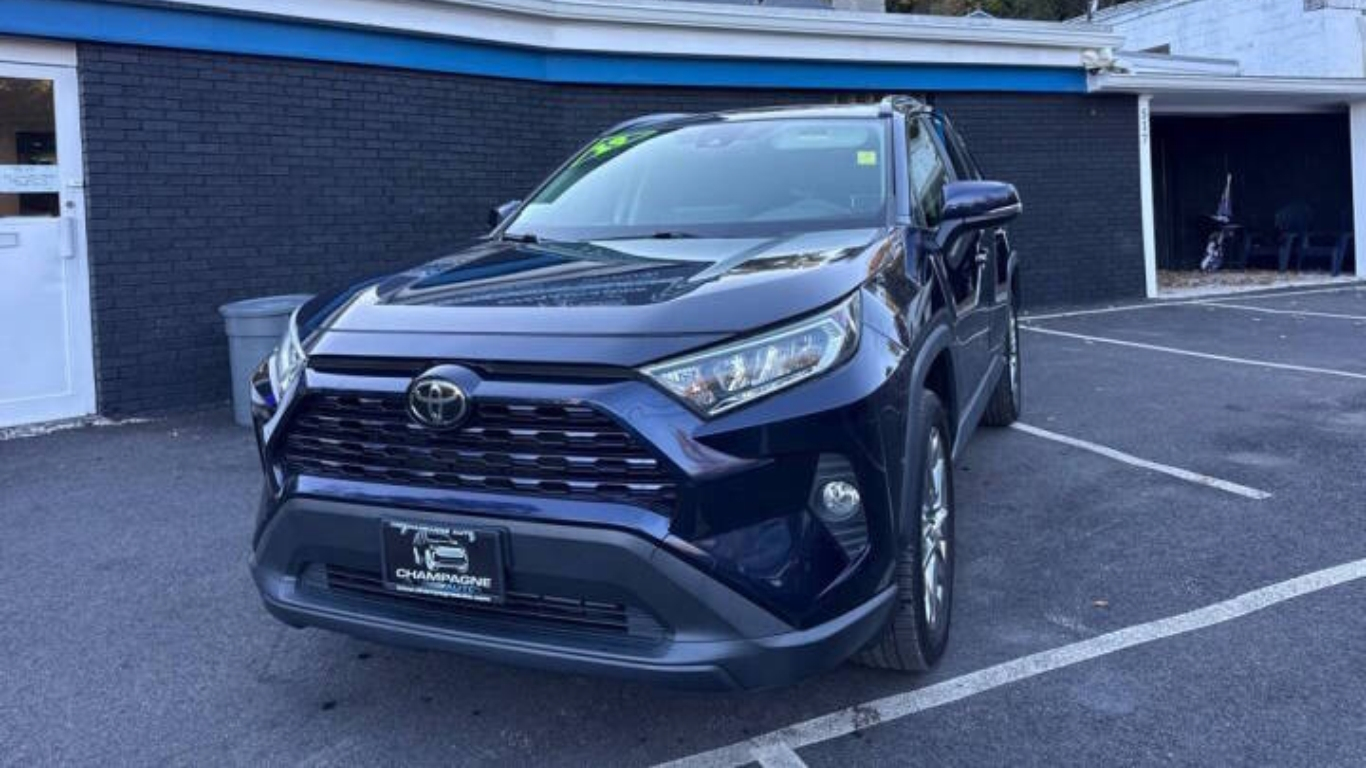
Launch-year engineering sometimes delivers unexpected transmission and reliability headaches.
These early fifth-generation RAV4 models use a 2.5-liter engine and an eight-speed automatic transmission in non-hybrid versions. Documented concerns include low-speed transmission hesitation or lurching, plus recalls affecting the low-pressure fuel pump, engine casting in certain vehicles, and front lower suspension arms. Test the vehicle in stop-and-go traffic to evaluate transmission behavior.
Verify all VIN-specific recalls through Toyota’s official recall lookup, which is the controlling source for whether a particular vehicle’s campaign remains open. Inspect for coolant leaks, abnormal shifting, and suspension damage. A thorough pre-purchase inspection and recall verification protect against uncooperative gearboxes and fuel-system failures.
3. 2016 Toyota Tacoma

The third-generation launch year introduced a new 3.5-liter V6 but merits close inspection.
The 2016 model introduced the third-generation Tacoma and the 3.5-liter V6 in applicable trims. As a launch-year vehicle, it merits close inspection for transmission calibration and shifting behavior, fluid leaks, sensor faults, drivetrain noises, and incomplete recalls or service campaigns. Some early examples experienced transmission-related concerns that improved in later model years.
Compare the vehicle’s service history with later model years and verify all VIN-specific campaigns before purchase. Patience for a 2017 or later model may reward buyers with smoother operation and fewer launch-year complications.
4. 2007–2009 Toyota Camry and RAV4 with the 2AZ-FE Engine

Excessive oil consumption linked to piston-ring design demands vigilant monitoring.
The 2.4-liter 2AZ-FE four-cylinder used in many Camry and RAV4 vehicles from this period is associated with excessive oil consumption. Neglecting oil checks can cause severe engine damage or failure. Check the dipstick before driving, look for blue exhaust smoke, inspect maintenance records, and ask about oil added between changes. Obtain a compression or leak-down test when symptoms suggest a problem.
Demand complete service records and check that dipstick religiously. Treat these models with the same vigilance as any vehicle known for higher oil consumption; regular monitoring prevents catastrophic failure.
5. 2010–2011 Toyota Prius
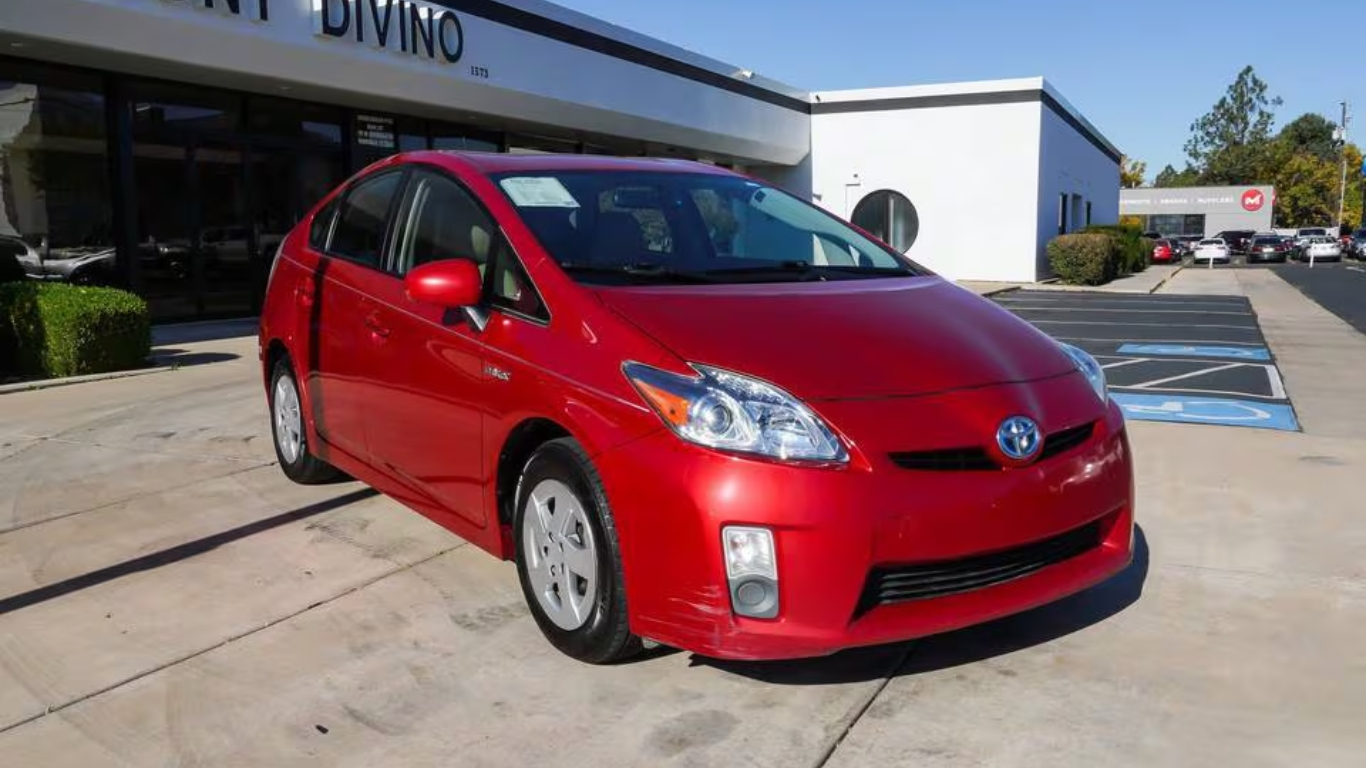
These model years require special scrutiny for oil consumption and EGR-related issues.
These third-generation Prius models retained Toyota’s gasoline-electric hybrid architecture while using a larger 1.8-liter engine than the preceding generation. The 2010–2011 model years deserve additional scrutiny for reported oil-consumption concerns and brake-related recall history. A pre-purchase inspection should include hybrid-battery diagnostics, compression or leak-down testing when appropriate, EGR-system inspection, coolant checks, and verification of completed recalls.
Obtain a hybrid-system scan, inspect coolant for contamination, check for misfires or cold-start shaking, and verify recall completion by VIN through Toyota’s official recall lookup. A low listing price should not be treated as proof of a healthy battery or engine.