

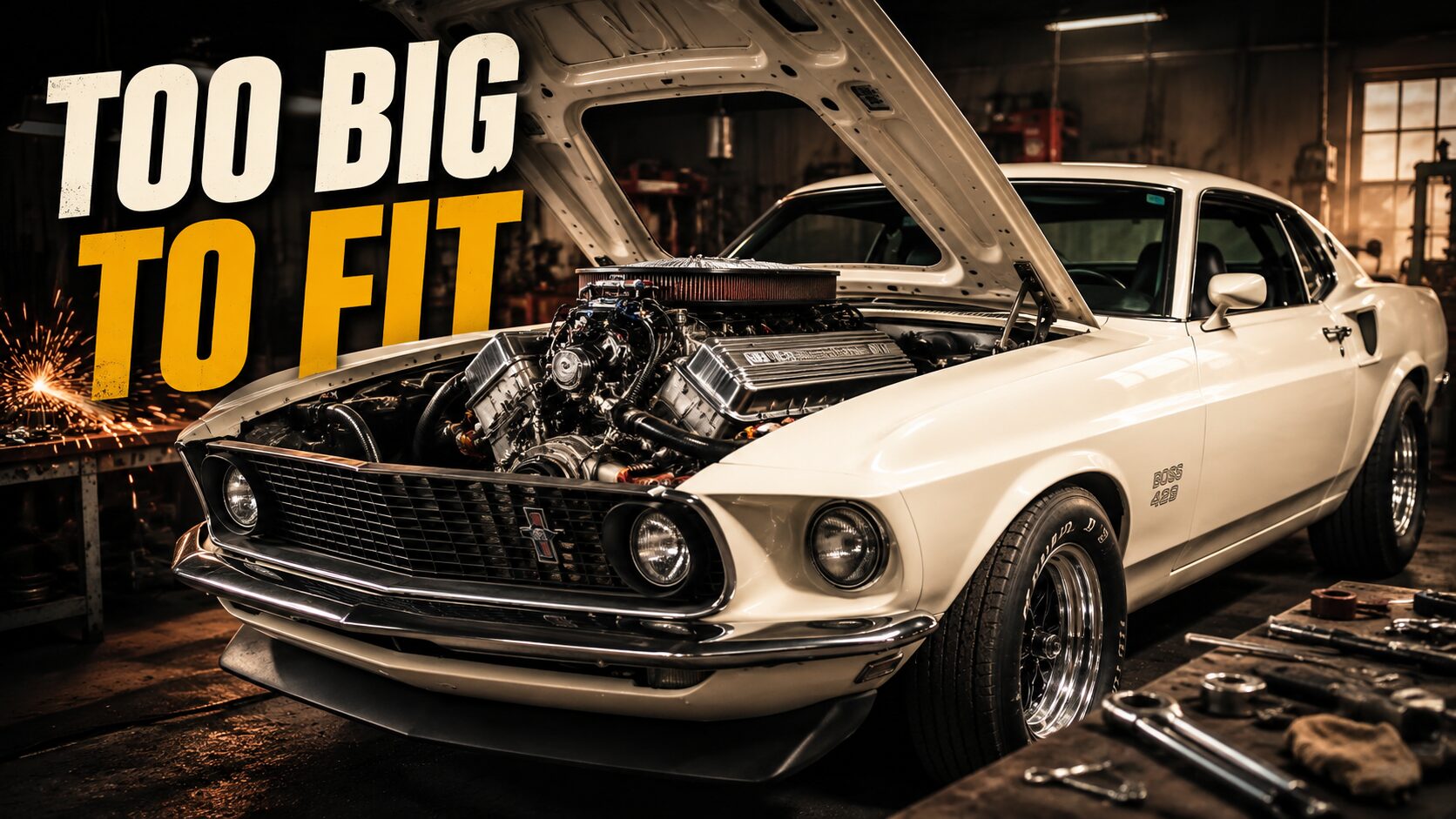
Ford’s engineering team built the Boss 429 V8—a 429-cubic-inch monster born from NASCAR homologation rules requiring at least 500 production units. This semi-hemi powerplant used a 4.36-inch bore and 3.59-inch stroke to challenge Chrysler’s dominant 426 Hemi. Unique aluminum cylinder heads featured a crescent combustion chamber and massive 2.28-inch intake valves, contributing to power delivery that many testers estimated exceeded 500 hp in street trim, well above the official 375-hp rating.
Fitting this beast into a Mustang required contracting Kar Kraft to hand-modify each car, reshaping shock towers and relocating components. That labor-intensive process, coupled with escalating insurance costs and tightening emissions regulations, made the Boss 429 commercially unsustainable. Ford ended the program after building approximately 1,358 of these Mustangs across 1969 and 1970 model years, leaving behind a rare collectible symbolizing the muscle car era‘s extreme engineering ambitions.
5. Ford Boss 429 V8 Engine
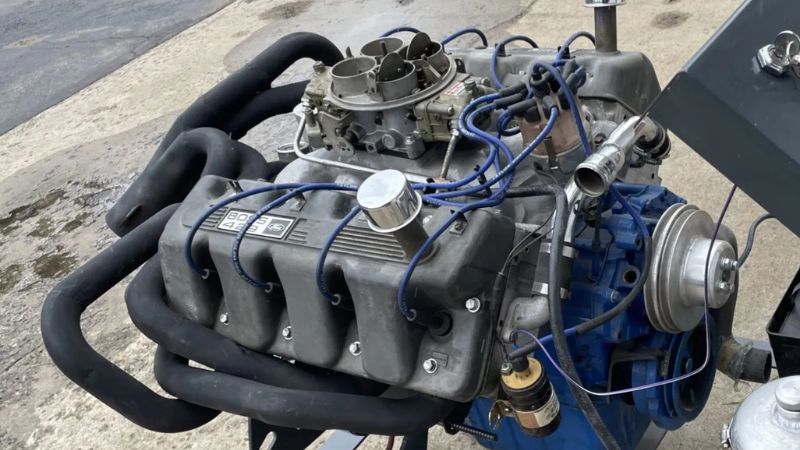
This wasn’t just built for speed—it was forged in NASCAR competition.
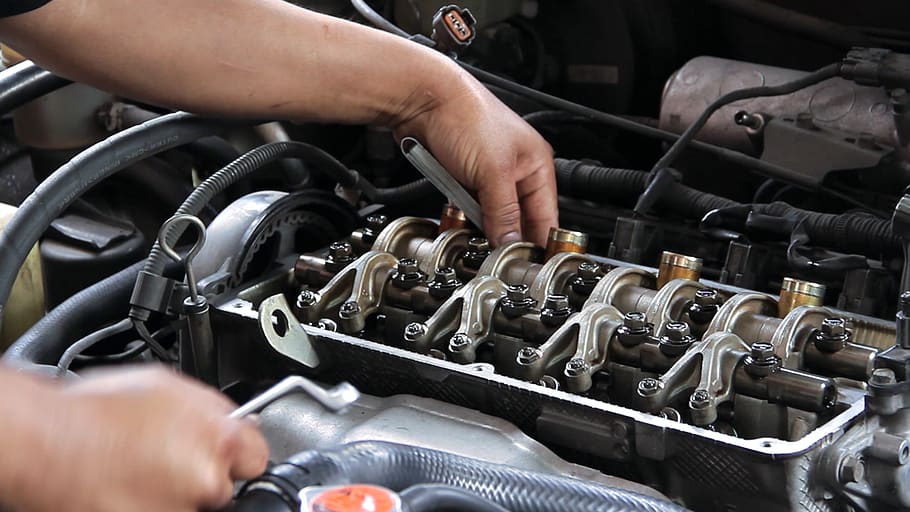
Ford engineers took their existing 385-series big-block and created extraordinary aluminum cylinder heads with a crescent or “twisted hemi” chamber. The design canted the valves significantly for dramatically improved airflow. Intake valves alone measured a staggering 2.28 inches, dwarfing many modern performance engines. To handle the immense power, Ford used a strengthened cast-iron block with four-bolt main bearings and a forged steel crankshaft.
The factory rating of 375 hp at 5,200 rpm and 450 lb-ft at 3,400 rpm was conservative; period testers and enthusiasts often reported real output closer to 500 hp in stock form, with race variants pushing beyond 600 hp. This beast was a peaky performer, happiest above 4,000 rpm where its airflow advantage dominated. The Boss 429’s sophistication lay in its race-bred internals and that distinctive twisted-hemi head design—a marvel of late-60s engineering. Its rarity and direct lineage to Ford’s NASCAR ambitions cemented legendary status, making original Boss 429 engines highly sought by collectors who appreciate mechanical audacity.
4. Ford Boss 429 Mustang
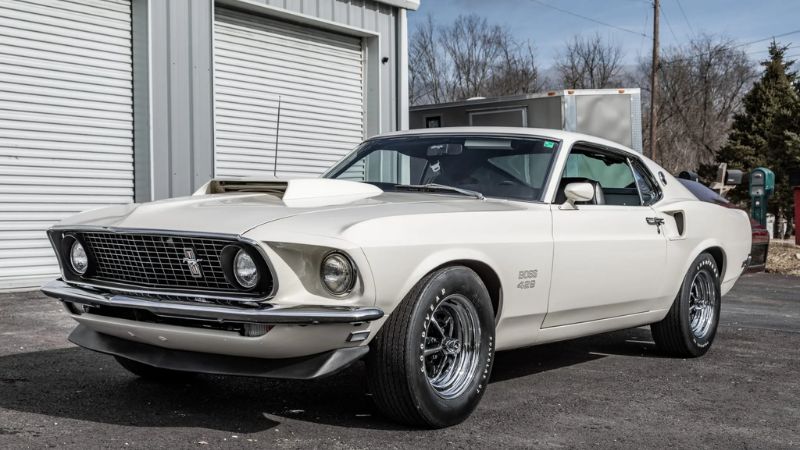
A pristine example can command over $500,000 at auction today—testament to brutal power and extreme rarity.
Ford’s massive 429-cubic-inch V8, often nicknamed the “Semi-Hemi,” presented a significant problem: it simply didn’t fit a standard Mustang body. Ford entrusted Kar Kraft to hand-modify each car, a painstaking process involving reshaped shock towers and relocated components, effectively turning each Boss 429 into a semi-custom build. This intensive modification limited production to just 859 cars in 1969 and 499 in 1970.
Anyone who’s experienced one understands the sledgehammer blow it delivers to the senses. Period tests showed factory models achieving low-13-second quarter-mile times, while modified versions could rip through in the 11-second range at over 120 mph. This engine was Ford’s direct answer to Chrysler’s dominant 426 Hemi in NASCAR, built purely for homologation. The specialized, race-bred powerplant made it less docile on the street but an uncompromising statement of intent.
3. Kar Kraft
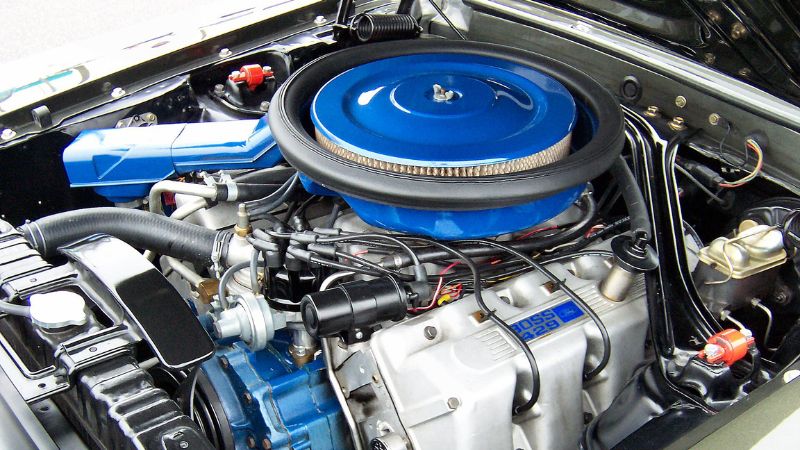
Standard Mustang bodies underwent extreme surgery by this specialty Michigan engineering company.
Workers pulled cars off the assembly line for hand-modification—physically reshaping shock towers, a process more like custom fabrication than mass production. The engine’s sheer size, intended to rival Chrysler’s 426 Hemi in NASCAR, demanded this bespoke approach. Modifications extended to relocating the battery to the trunk and altering suspension and steering components.
Each of the approximately 1,358 Boss 429 units became a costly, semi-custom build. The engine installation challenged every dimension of the standard Mustang bay, requiring meticulous hand work on each car. This intense, labor-intensive process occasionally led to early oil leaks, but it transformed track aspirations into street reality—analog craftsmanship at its most extreme.
2. Chrysler 426 Hemi
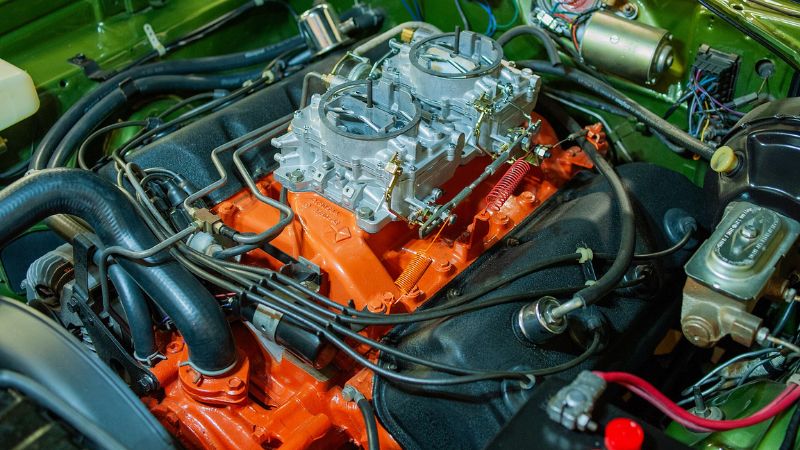
This engine became a NASCAR force by 1964, notorious for hemispherical combustion chambers providing incredible airflow and high-rpm performance.
Drivers like Richard Petty, masterfully wielding the Hemi, routinely dominated competitors at Daytona, pulling away from the field with relentless power. This dominance triggered genuine concern within Ford, whose executives understood that race victories translated directly into showroom traffic. The 426 Hemi’s success compelled Ford into one of its most extreme engineering endeavors.
Ford had to homologate an equally massive engine to compete. This formidable rival became the primary reason the Boss 429 existed—a direct response to an undeniable, high-octane threat that was reshaping the NASCAR landscape and embarrassing Ford’s existing big-block lineup.
1. NASCAR Homologation Rules
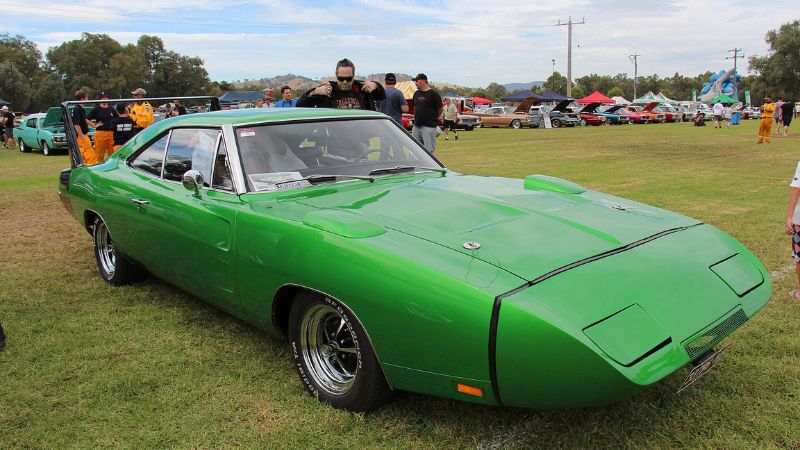
The sport mandated that manufacturers sell at least 500 regular-production models of a race engine to the public before it could compete on the track.
This rule meant Ford invested heavily in the specialty Boss 429 Mustang, a vehicle unlikely to generate profit, creating a massive regulatory workaround just to get the formidable 429-cubic-inch engine into sanctioned races. The sheer engineering required to install that 429-cubic-inch engine into the Mustang body, demanding hand-modifications by Kar Kraft, highlights its singular homologation purpose. Every inch was a struggle, every car a statement of racing commitment over financial return.
Once homologation requirements were satisfied and NASCAR’s rulebook evolved, the costly Boss 429 program’s fate was sealed. The approximately 1,358 total units built stand as perfect examples of how racing regulations can dictate the development and lifespan of truly iconic street machines—cars built for the track but sold to anyone willing to wrestle a semi-custom race weapon through traffic.