

Wipers dragging across a bone-dry windshield on a sunny highway. Then, twenty minutes later, squinting through actual rain while the system sits idle. For a notable number of Model Y owners, this reportedly describes a recurring frustration — and the irritation runs deeper than wet glass. It’s about a car marketed around automation that reportedly struggles with one of driving’s most basic tasks.
Why a Smart Car Keeps Getting Confused by Rain
Tesla’s camera-based wiper system trades a dedicated rain sensor for image recognition — a trade-off that proves uneven in real-world conditions.
Many vehicles use a dedicated optical rain sensor mounted behind the windshield. Tesla instead routes wiper detection through the same cameras handling navigation and lane recognition. When those cameras encounter glare, shadows, dust, or shifting light, the system reportedly interprets visual noise as moisture — or misses actual rain altogether. Tesla’s own manuals acknowledge that environmental conditions can affect camera-based detection performance.
Owner accounts across community forums describe a recognizable pattern of frustrations:
- Wipers reportedly activate on completely dry glass, apparently triggered by sunlight or passing shadows
- The system can respond too slowly once rain actually starts
- Wiper speed may not match rain intensity — running too fast in drizzle, too slow in heavier downpours
- Engaging Autopilot or Full Self-Driving (FSD) sets the system to automatic mode, with manual adjustment available but defaulting back to Auto when the feature is re-engaged
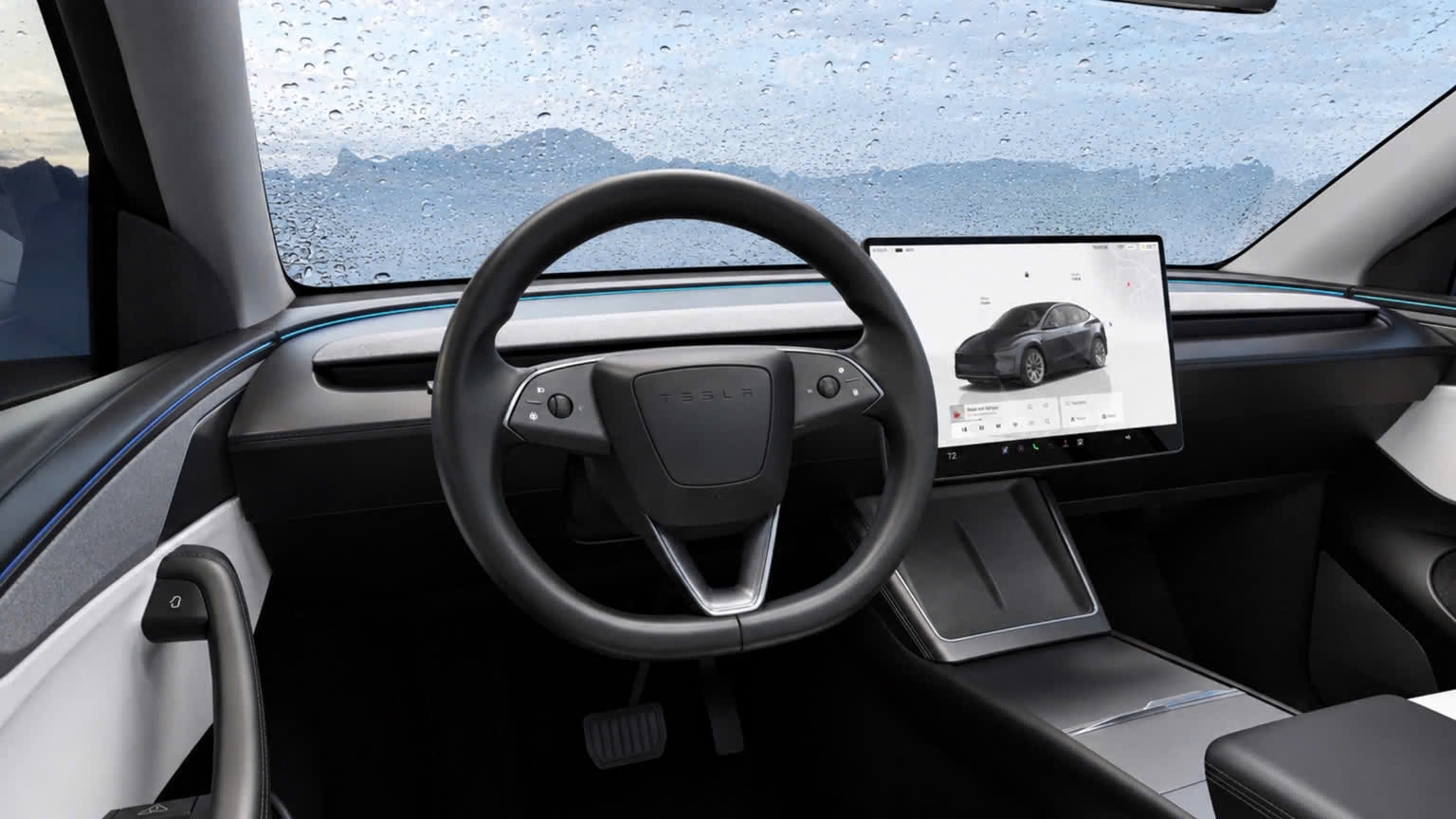
- Manual correction requires steering-wheel controls or touchscreen navigation rather than a physical stalk — a setup that varies by model year and configuration
That last point compounds the problem. When visibility is already deteriorating, navigating a touchscreen to correct a misbehaving wiper is precisely the kind of distraction that good automation is supposed to eliminate.
Software Patches Haven’t Closed the Gap
Tesla has pursued software refinements rather than hardware changes, but owner reports suggest the improvements remain incomplete.
Tesla has pursued fixes through software. A 2026 report from TeslaMagz described software version 2026.2.3 as introducing a “surround-video vision” approach — reportedly replacing an older single-frame detection method with broader camera context designed to distinguish rain from glare, dust, and shadows. Tesla has not officially confirmed the specific version number or technical mechanism through primary documentation available at publication.
In practice, owner reports suggest the complaints haven’t stopped. Phantom wiping, delayed activation, and apparent regressions following later updates continue appearing in community discussions. Performance seems to vary by vehicle, weather conditions, windshield condition, and software version — which is to say, inconsistently.
The Autopilot interaction presents a genuine trade-off. Preferring manual wiper control while using Tesla’s driver-assistance features means working around a system that defaults back to Auto — not a simple workaround.
Some owners have turned to aftermarket S3XY Stalks, which add physical controls behind the steering wheel for more intuitive manual adjustment. These are not an official Tesla remedy, and any aftermarket modification carries potential warranty and compatibility considerations worth researching carefully before purchase.
The core issue remains straightforward: Tesla’s camera-first philosophy is an intentional design choice — not an oversight — which makes persistent wiper inconsistencies harder to dismiss as a minor bug. Until a future software release meaningfully narrows the gap, manual adjustment stays the most dependable option available to Model Y drivers navigating an imperfect automatic system.