

UK drivers are navigating a specific set of pressures simultaneously: fuel costs that have not returned to pre-crisis levels, ULEZ zones expanding into areas that previously seemed exempt, and a used car market where entry-level prices have moved well beyond what they were three years ago. The vehicles on this list earned their inclusion through documented reliability records, real-world fuel economy figures that hold up outside manufacturer testing conditions, and ownership costs that do not produce nasty surprises at the first service. Some are obvious choices. Some are not. All ten start every morning.
10. Honda Jazz (Exterior)
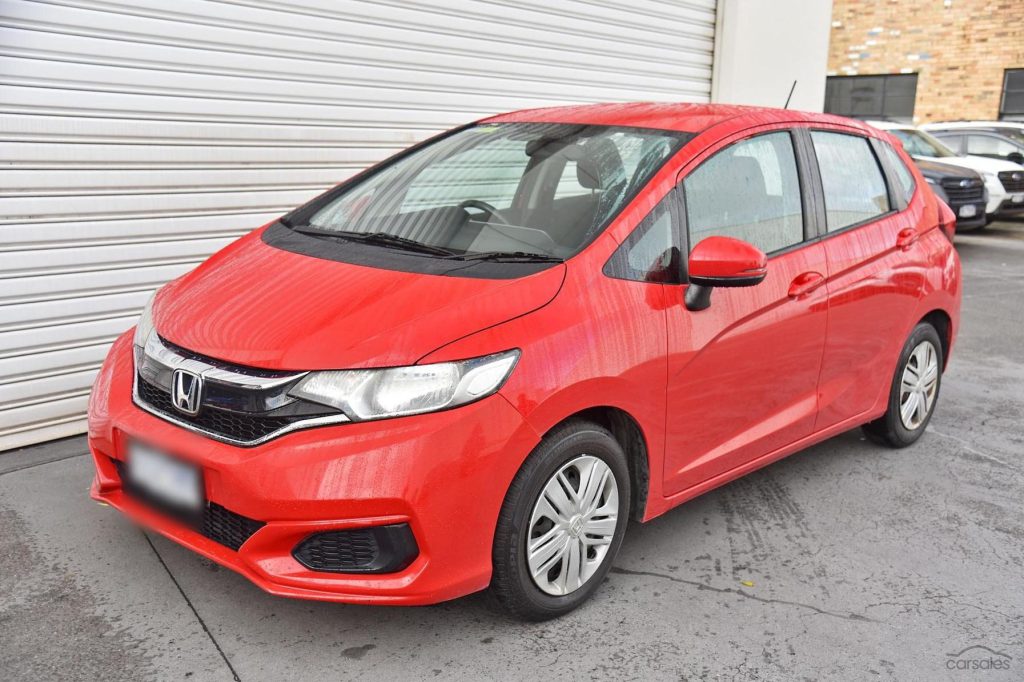
The Jazz’s engineering priorities are straightforward: build a small car that is nearly impossible to break and sips fuel consistently in real-world conditions. Real-world economy regularly exceeds 50 mpg without hypermiling effort. The repair record is strong enough that first-time buyers gravitate toward it specifically because the ownership risks are well understood and low.
Honda Jazz (Interior)
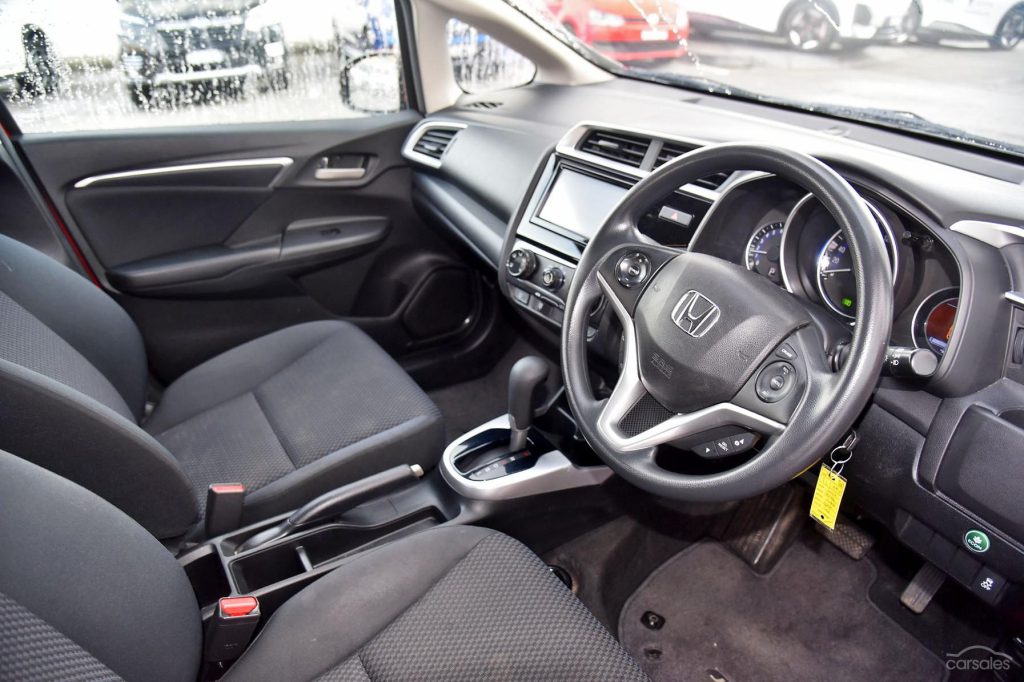
The Jazz will not win styling comparisons or performance tests. The interior is functional rather than impressive, and the driving experience reflects its priorities accurately. What it delivers consistently is reliability and fuel economy — the two metrics that matter most when running costs are the primary concern — and it does both without asking for much in return.
9. Skoda Octavia (Exterior)
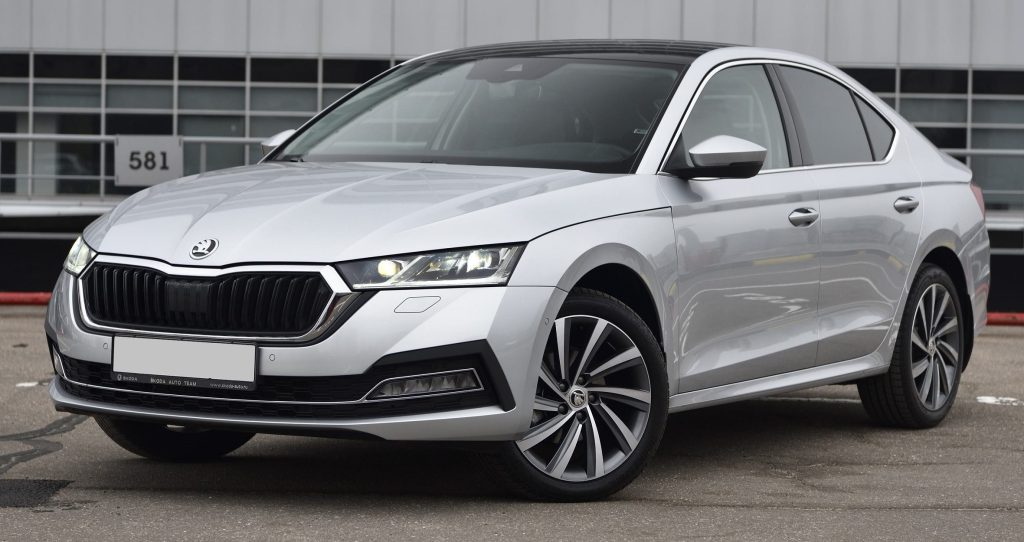
The Octavia estate occupies a specific and valuable market position: Volkswagen Group engineering and interior space at Skoda pricing. Buyers who prioritize substance over badge pay less for a fundamentally similar platform to vehicles wearing more expensive logos. The used market has not fully priced in the Octavia’s actual value relative to its competitors, which makes it one of the more defensible purchases in its segment.
Skoda Octavia (Interior)
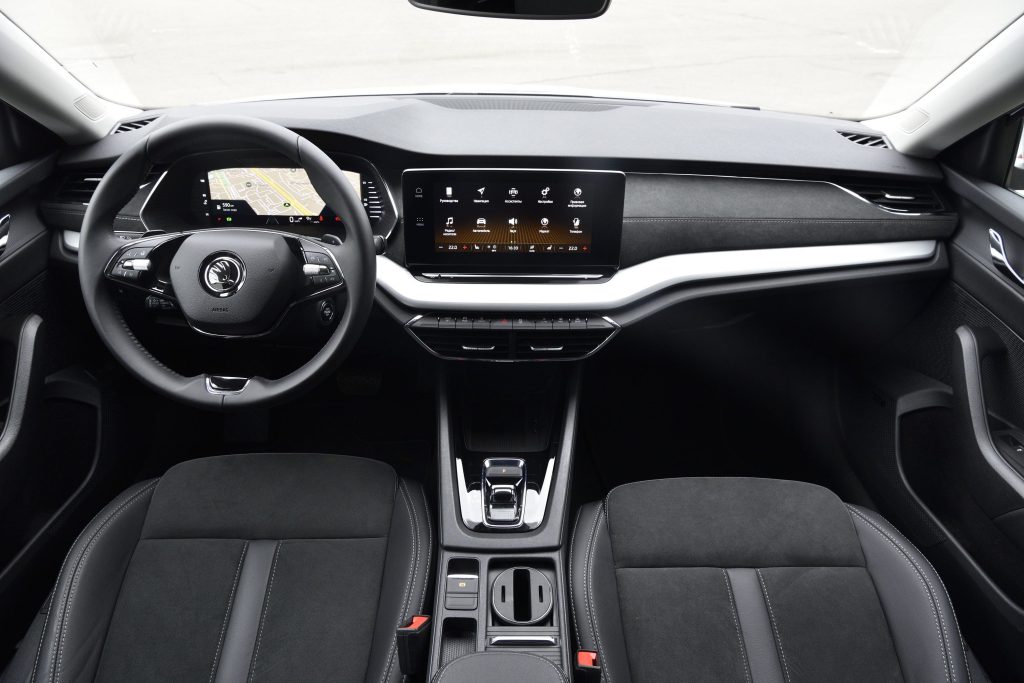
The 2.0 TDI engine is the reason taxi operators buy these in volume — it is genuinely difficult to wear out with proper maintenance. Real-world fuel returns of 60-70 mpg are achievable outside motorway-only conditions. The interior space is generous by estate standards at any price point, and the boot capacity makes the practical case for the Octavia before fuel economy even enters the conversation.
8. Ford Focus (Exterior)
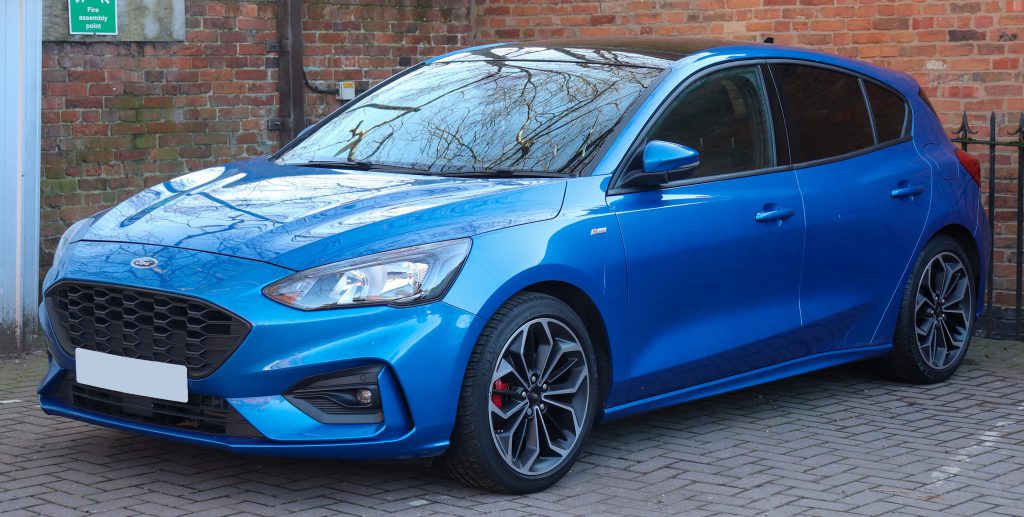
The Focus Mk2 presents a used-buyer choice that depends entirely on which engine is under the bonnet. The two main options have completely different reliability profiles, and the difference matters significantly for long-term running costs. The exterior is conventional Focus — nothing distinctive, nothing problematic.
Ford Focus (Interior)
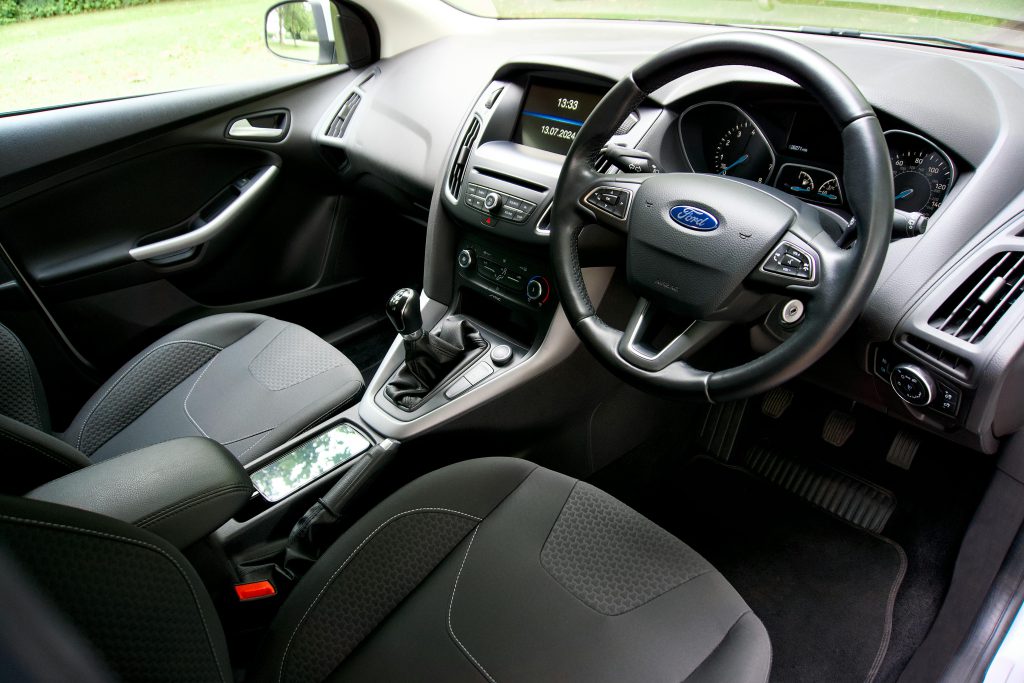
The 1.6 petrol delivers 40-50 mpg with straightforward maintenance requirements and a strong reliability record across high-mileage ownership. The 1.0 EcoBoost is a different story — the wet belt system that drives the oil pump has a documented failure pattern that results in engine damage when it goes wrong, and used examples at budget prices may not have had the replacement work completed. Check the service history carefully or avoid the EcoBoost variant entirely.
7. Mazda2 (Exterior)
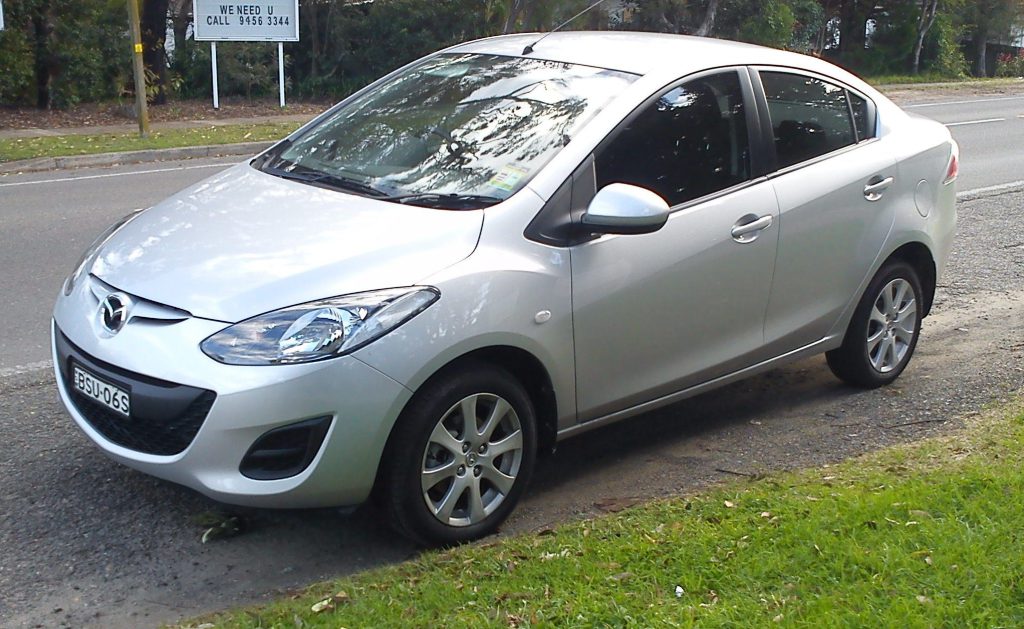
From 2012 onwards, the Mazda2 offers something genuinely unusual in the budget supermini category: a driving experience worth having. The exterior styling is more considered than the segment average, with proportions that read as intentional rather than cost-constrained.
Mazda2 (Interior)
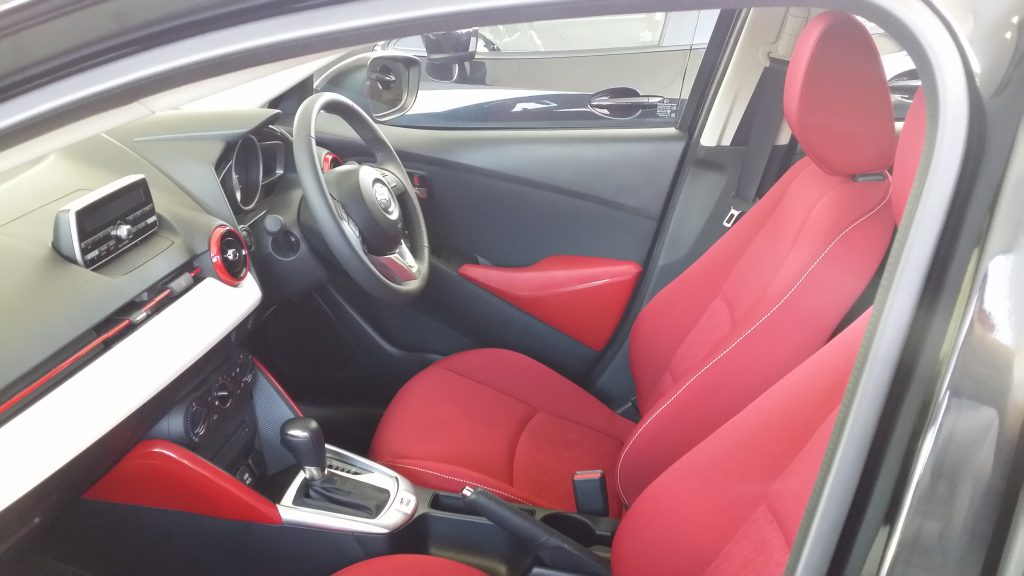
The steering communicates what the front wheels are doing with more precision than budget superminis typically deliver — a characteristic that makes a noticeable difference on winding roads and gives the driver confidence that most competitors in the segment do not provide at this price. The Mazda2 makes the argument that economy and driving quality are not mutually exclusive, and backs it up with a reliability record consistent with Mazda’s reputation across its broader lineup.
6. Mercedes-Benz A-Class (Exterior)
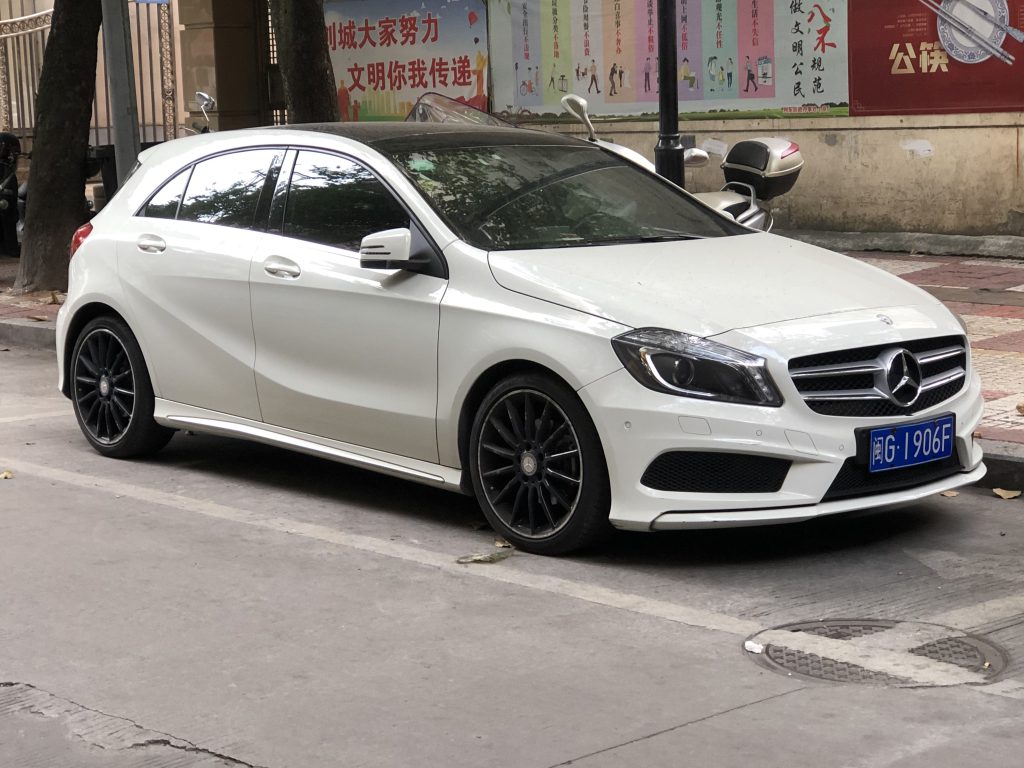
Euro 6-compliant A-Class models clear ULEZ requirements while delivering genuine Mercedes interior quality at used prices that reflect depreciation rather than specification. The A-Class exterior has aged better than most of its contemporaries, which supports resale value in a way that budget hatchbacks cannot match.
Mercedes-Benz A-Class (Interior)
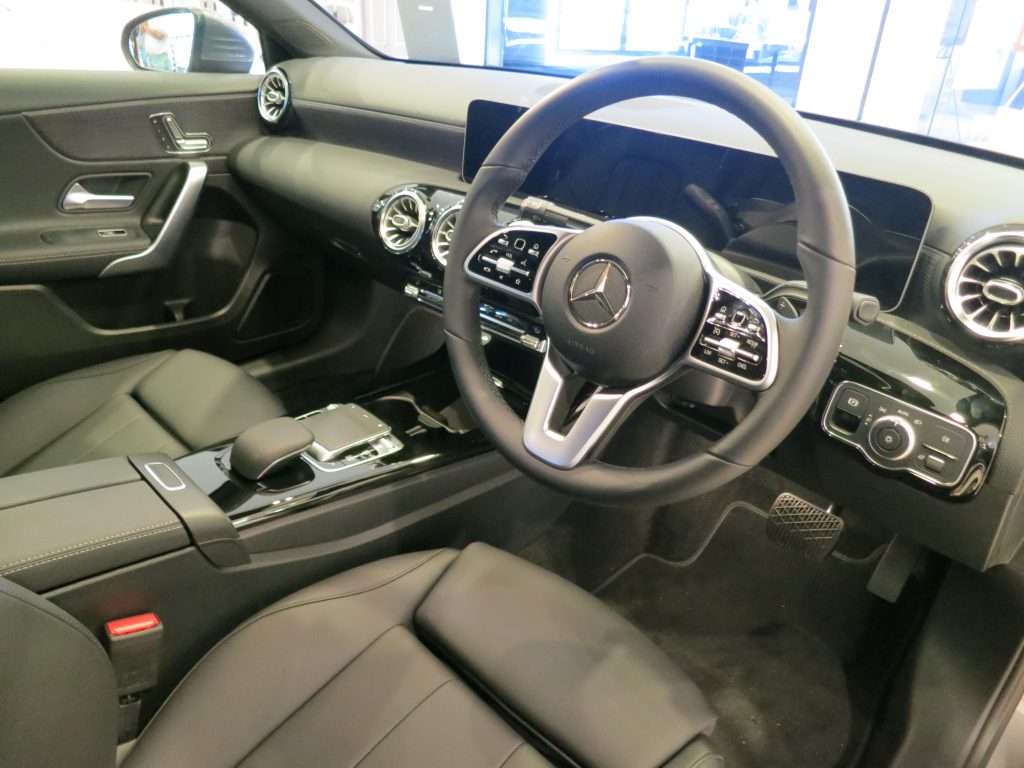
Manual diesel variants push fuel economy into genuinely impressive territory while keeping maintenance costs predictable. Low-mileage examples appear regularly on forecourts — the A-Class attracted careful private buyers whose service records reflect that ownership profile. The Mercedes badge costs more to repair when things go wrong, which is worth factoring into the purchase decision alongside the accessible used prices.
5. Volkswagen Polo (Exterior)
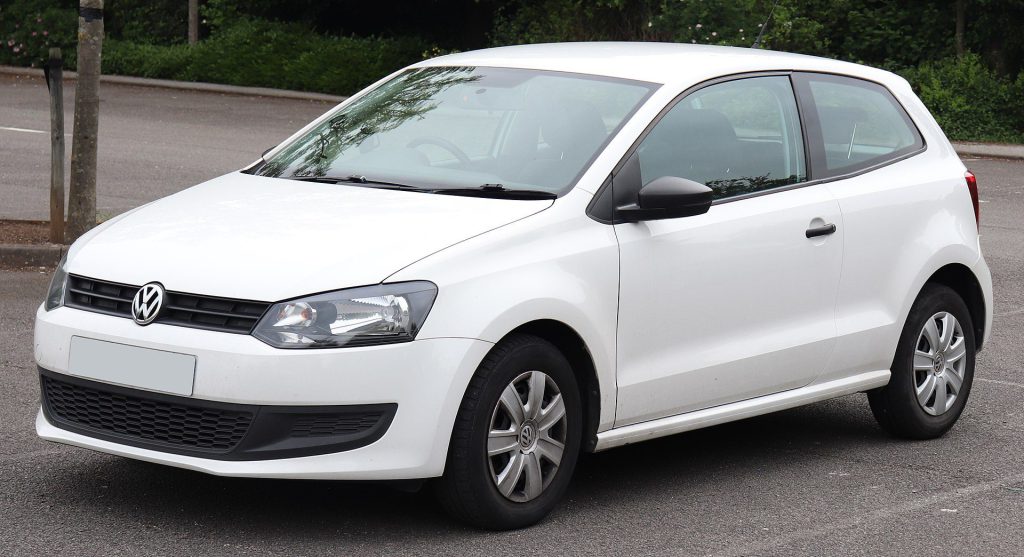
The 1.4 TDI Polo returns 50-60 mpg in real-world mixed driving, making it one of the most cost-effective options for daily urban commuting at any price point in its size class. The exterior is understated to the point of anonymity, which reflects the Polo’s positioning as a practical purchase rather than a statement one.
Volkswagen Polo (Interior)
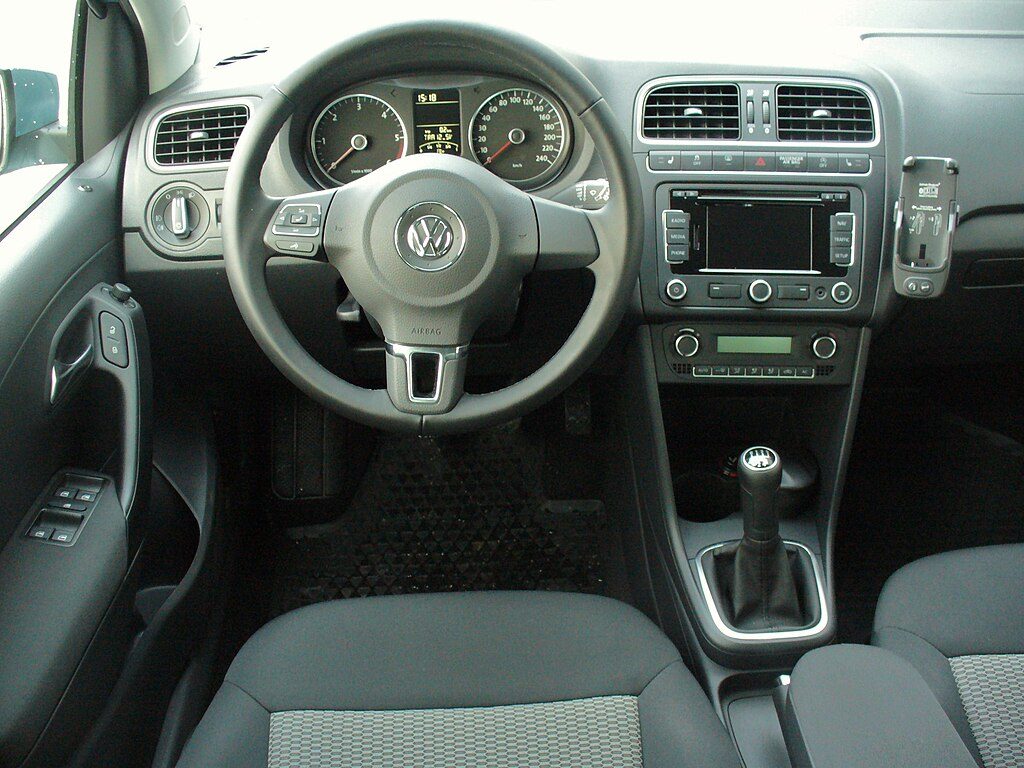
Used examples frequently come with complete service histories — the Polo attracted the kind of owner whose maintenance approach matches the vehicle’s reliability potential. One specific caveat: older TDI models may not meet ULEZ standards for London driving, so verify compliance against the vehicle’s specific registration year before purchasing if regular central London use is required.
4. Honda Civic (Exterior)
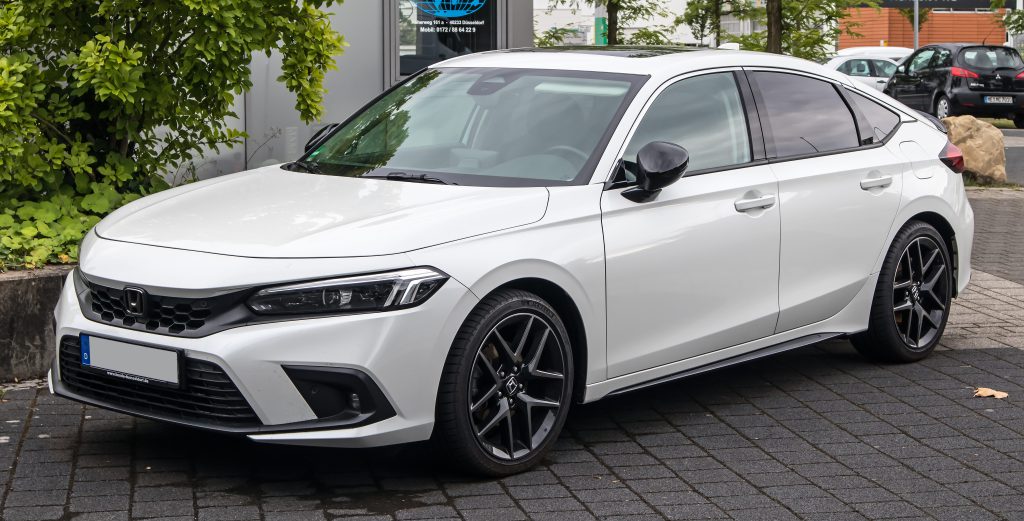
Fifty years of Civic production represents a reliability record accumulated through actual ownership data rather than manufacturer claims. The 1.8-litre manual variants offer straightforward engineering without the technology complexity that generates repair costs on newer models. Honda’s approach to this engine — proven over a long production run with well-documented maintenance requirements — is exactly what the budget used-car buyer needs.
Honda Civic (Interior)
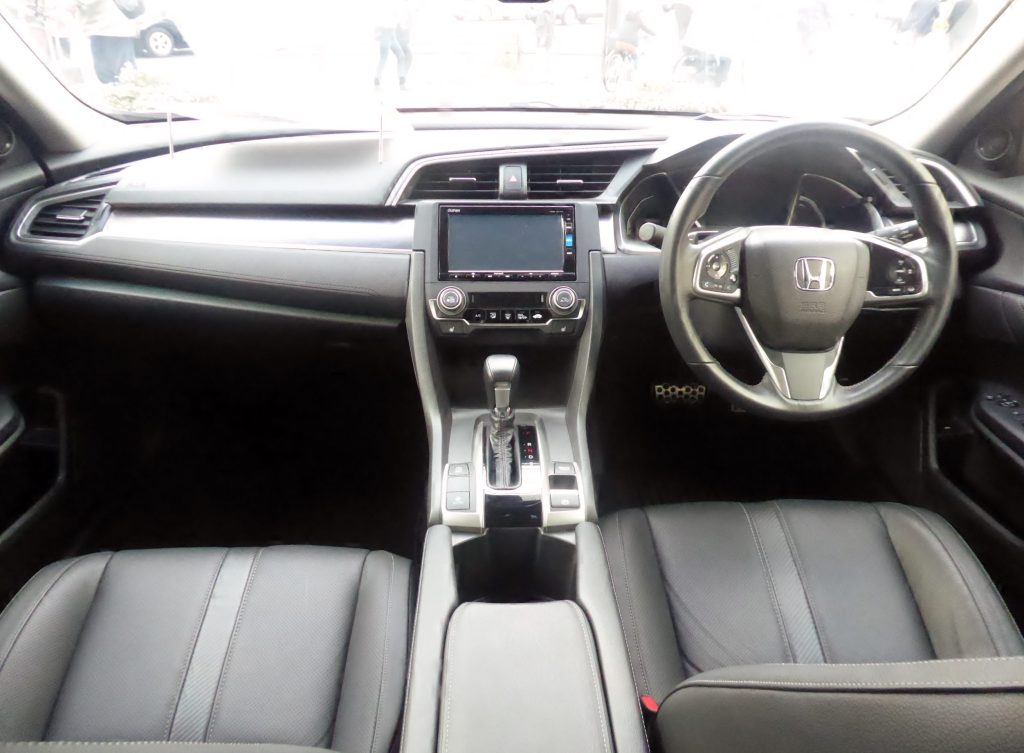
One specific avoidance: the I-Shift automated manual transmission has a well-documented reputation for jerky, unpleasant operation that does not improve with age. It is not a conventional automatic and does not behave like one — the manual gearbox variants are the correct choice for smooth daily use, and the used market has enough of them available that finding one is not difficult.
3. Volvo V50 (Exterior)
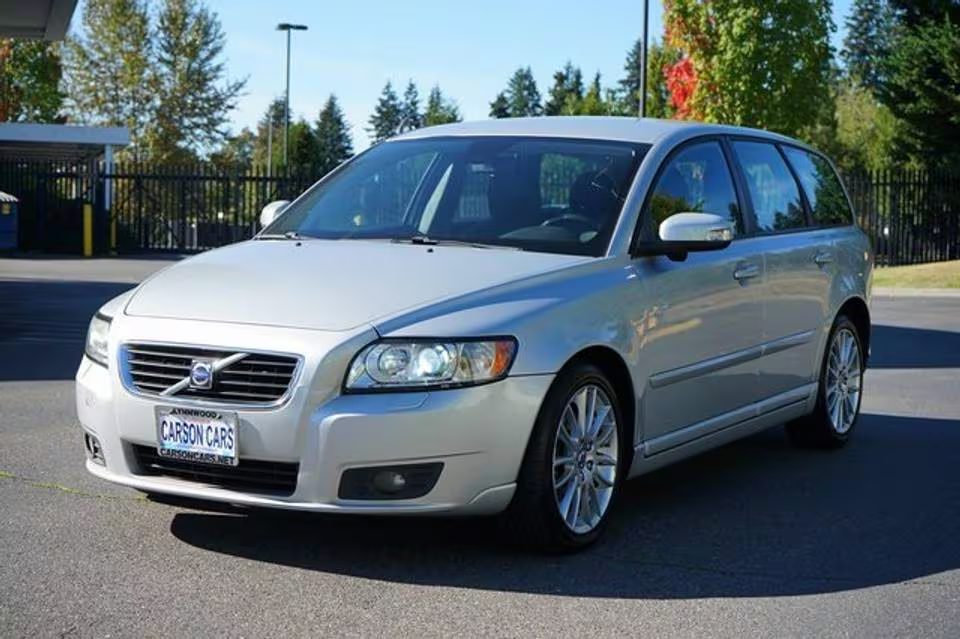
The V50 runs on the Ford Focus platform underneath its Volvo bodywork, which means parts availability and mechanical familiarity that the Swedish badge price does not always suggest. The estate proportions deliver genuine cargo capacity alongside the Volvo interior quality that depreciation has made accessible at prices well below what the ownership experience suggests.
Volvo V50 (Interior)
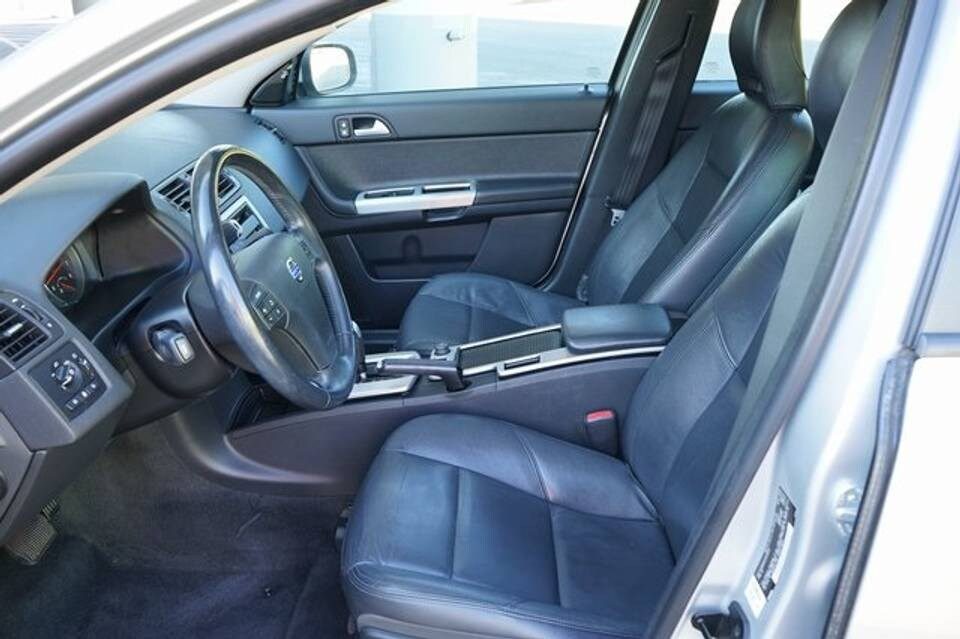
Boot space is generous enough for dogs, camping gear, and flat-pack furniture without requiring load management decisions. The interior quality holds up well across high-mileage ownership — the materials Volvo used in this generation age better than most competitors at equivalent price points in the used market. The V50 is an estate that delivers premium comfort at a price point that reflects its age rather than its quality.
2. Audi A4 (Exterior)
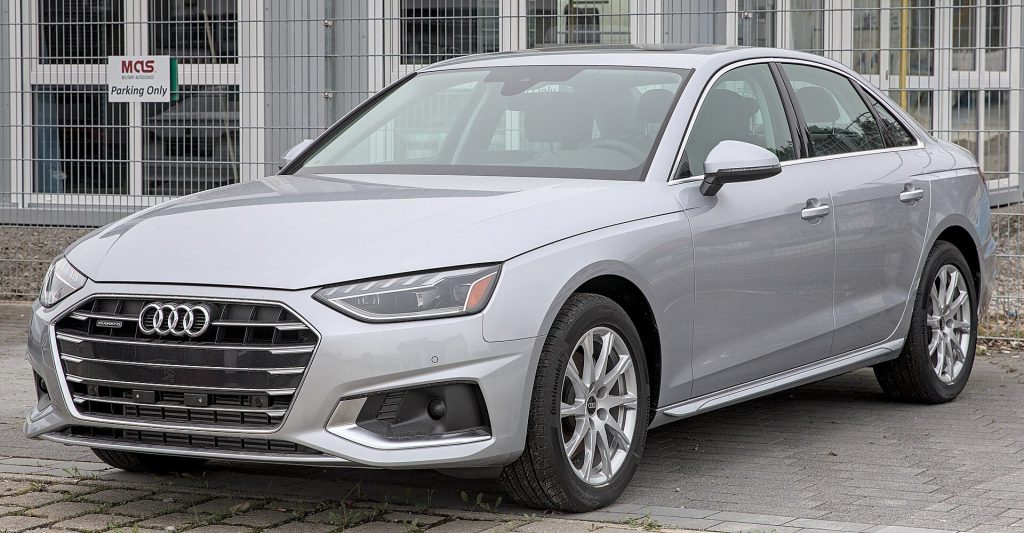
The A4’s presence in British company car fleets is not brand loyalty — it is documented motorway durability over high annual mileages. The 2.0 TDI engine combines executive comfort with the kind of reliability that makes it the default choice for sales reps covering serious distances. That usage pattern also produces used examples with detailed service records, because business users and fleet managers maintain vehicles on schedule rather than on optimism.
Audi A4 (Interior)
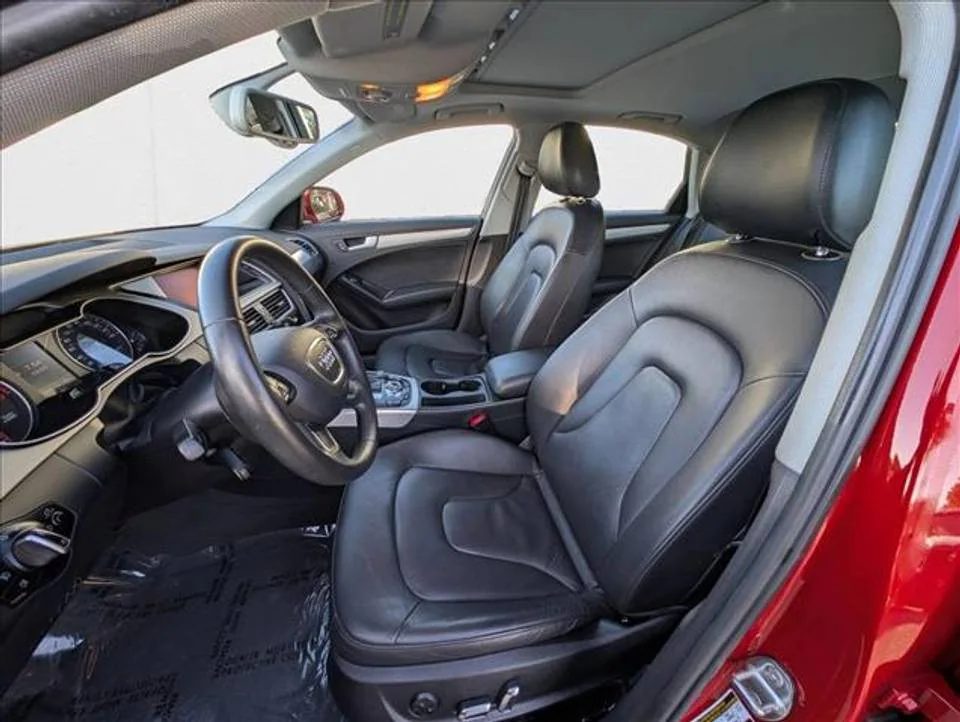
The interior quality justifies the A4’s position at number two — the cabin holds up across high mileage in a way that cheaper alternatives do not. The critical maintenance item is the cambelt and water pump service, required every 75,000 miles or five years. Verify this has been completed on any used example before purchase, because the cost of the service is small relative to the cost of not doing it.
1. Ford Fiesta (Exterior)
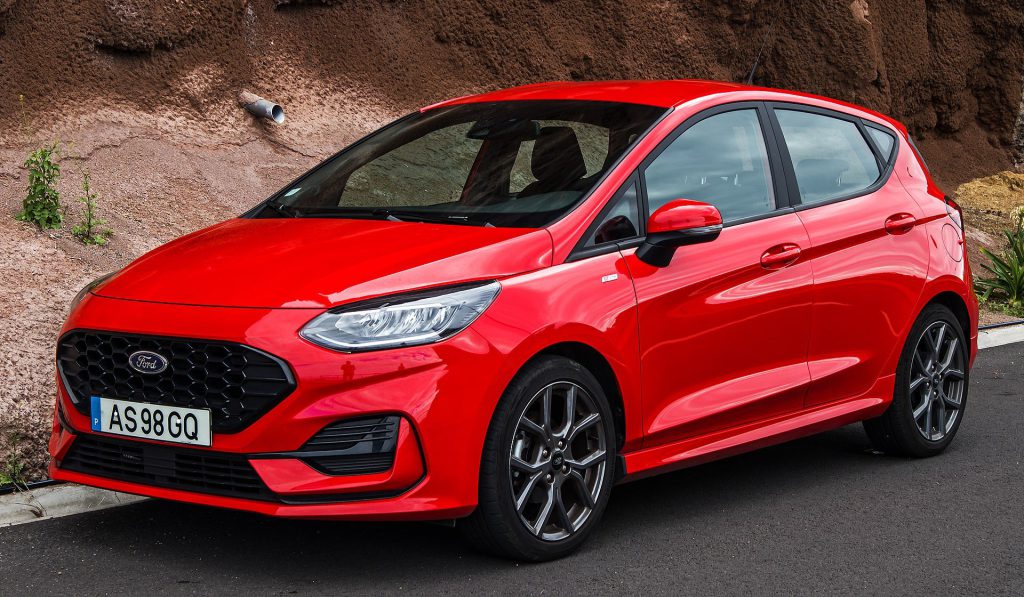
The 1.5 TDCi engine changes what the Fiesta is capable of in terms of running costs. Titanium trim adds comfort features without a significant price premium over base models. The combination of a proven diesel engine, strong fuel economy, and the Fiesta’s well-documented chassis dynamics produces a package that sits at the top of this list because it delivers on every metric that matters for a budget daily driver.
Ford Fiesta (Interior)
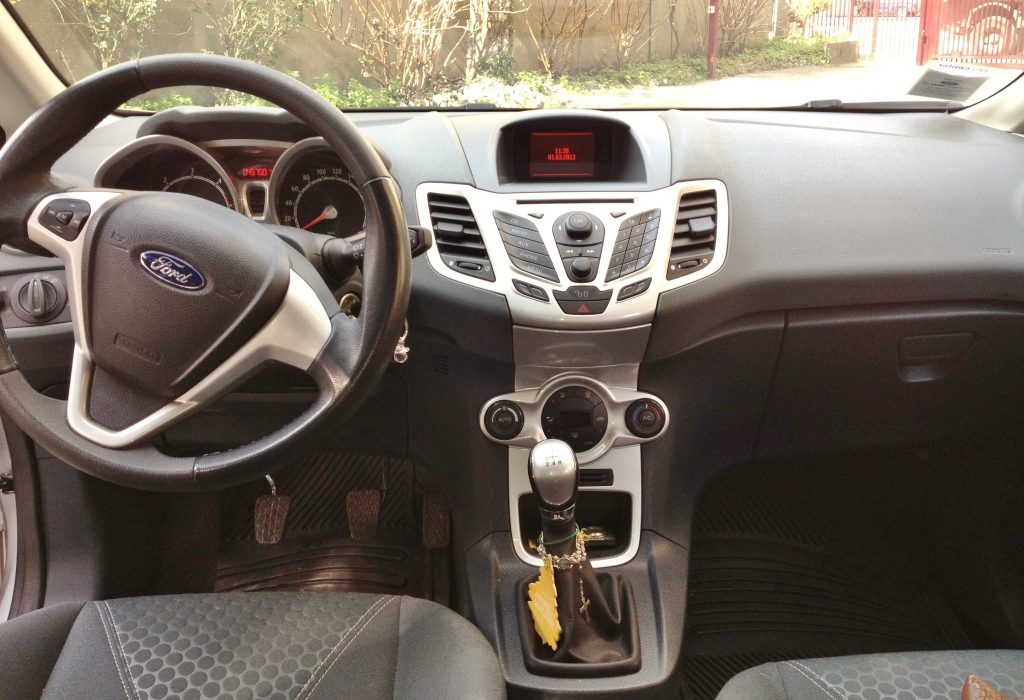
The interior layout is functional rather than elegant — the dashboard design reflects the era more than the engineering priorities — but the driving position and ergonomics work correctly for long commutes. The 1.5 TDCi accumulates serious mileage without the service costs that comparable diesel engines in competing vehicles generate. It is the most complete package on this list for UK buyers whose primary requirement is low cost per mile across sustained daily use.