

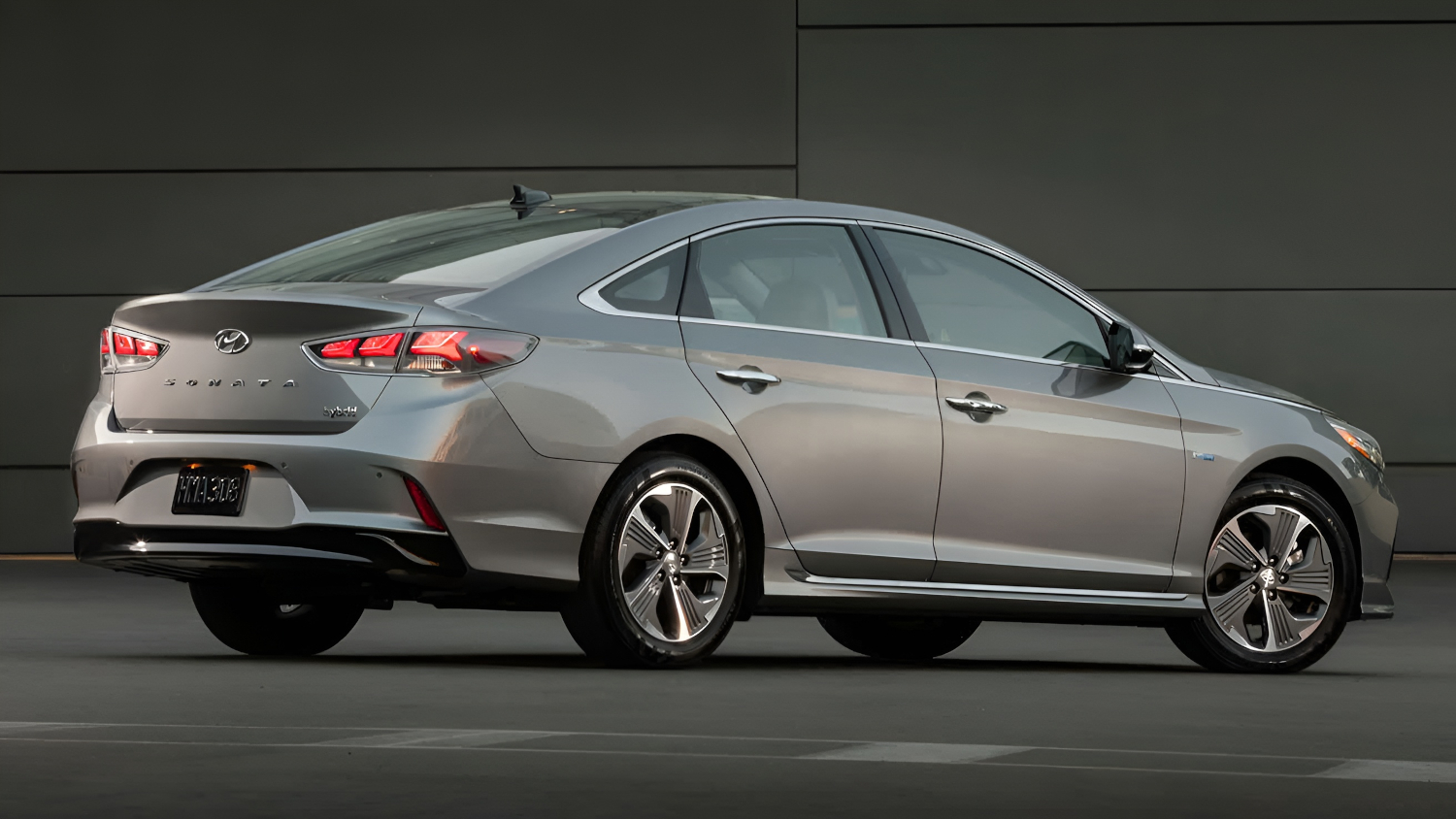
Owners of 2016–2019 Hyundai Sonata Plug-In Hybrids who lost access to their vehicles for months while awaiting a high-voltage battery replacement may now be owed compensation under a proposed class-action settlement. The case, Kline et al. v. Hyundai Motor America, Inc., was filed in U.S. District Court for the District of Maryland. Under the proposed terms, qualifying claimants could receive $10 for each eligible day their vehicle remained out of service. Court approval is still pending, hybrid owners should note that Hyundai has not admitted any wrongdoing, and no payment will arrive automatically.
Who Qualifies and What You Could Get
The 60-day threshold is the key eligibility trigger — and the per-day rate could climb if relatively few owners file claims.
Eligibility covers current and former owners and lessees of 2016, 2017, 2018, and 2019 Hyundai Sonata Plug-In Hybrids whose high-voltage battery required warranty repair or replacement and for which that replacement could not be completed within 60 days. Qualifying claimants would receive $10 per eligible day their vehicle remained out of service. That rate may rise to $15 per day if total valid claims fall below $250,000 — though that adjustment is not guaranteed. The proposed settlement fund is capped at approximately $1.43 million, and each individual payout will depend on the number of approved claims and the court’s final decision.
What to do before December 28, 2026:
- Use the settlement website‘s VIN lookup tool to confirm whether your vehicle qualifies
- Gather repair orders, dealer records, ownership or lease documents, and dates showing when the vehicle entered and left service
- Submit your claim online by the deadline, or postmark a paper claim by December 28, 2026
- Monitor the final approval hearing, currently scheduled for December 21, 2026 — payments remain contingent on that outcome and the resolution of any appeals
- Keep in mind that Hyundai has not admitted liability; the settlement is intended to resolve the litigation without a trial
This case illustrates a consumer cost that warranty agreements rarely address directly: lengthy repair delays do more than inconvenience — they remove a vehicle from daily life entirely. The settlement’s per-day structure acknowledges that loss of vehicle use carries real-world weight, even when the underlying repair is eventually completed at no charge.
Don’t Wait, But Don’t Assume
The check won’t find you — filing a claim is the only path to compensation.
Nothing arrives automatically. The court still has to approve the agreement, and appeals could delay any payout further. If you owned or leased one of these vehicles and the high-voltage battery replacement could not be completed within 60 days, verifying your VIN now is the right first step. The claims deadline is December 28, 2026 — and that date won’t move in your favor.