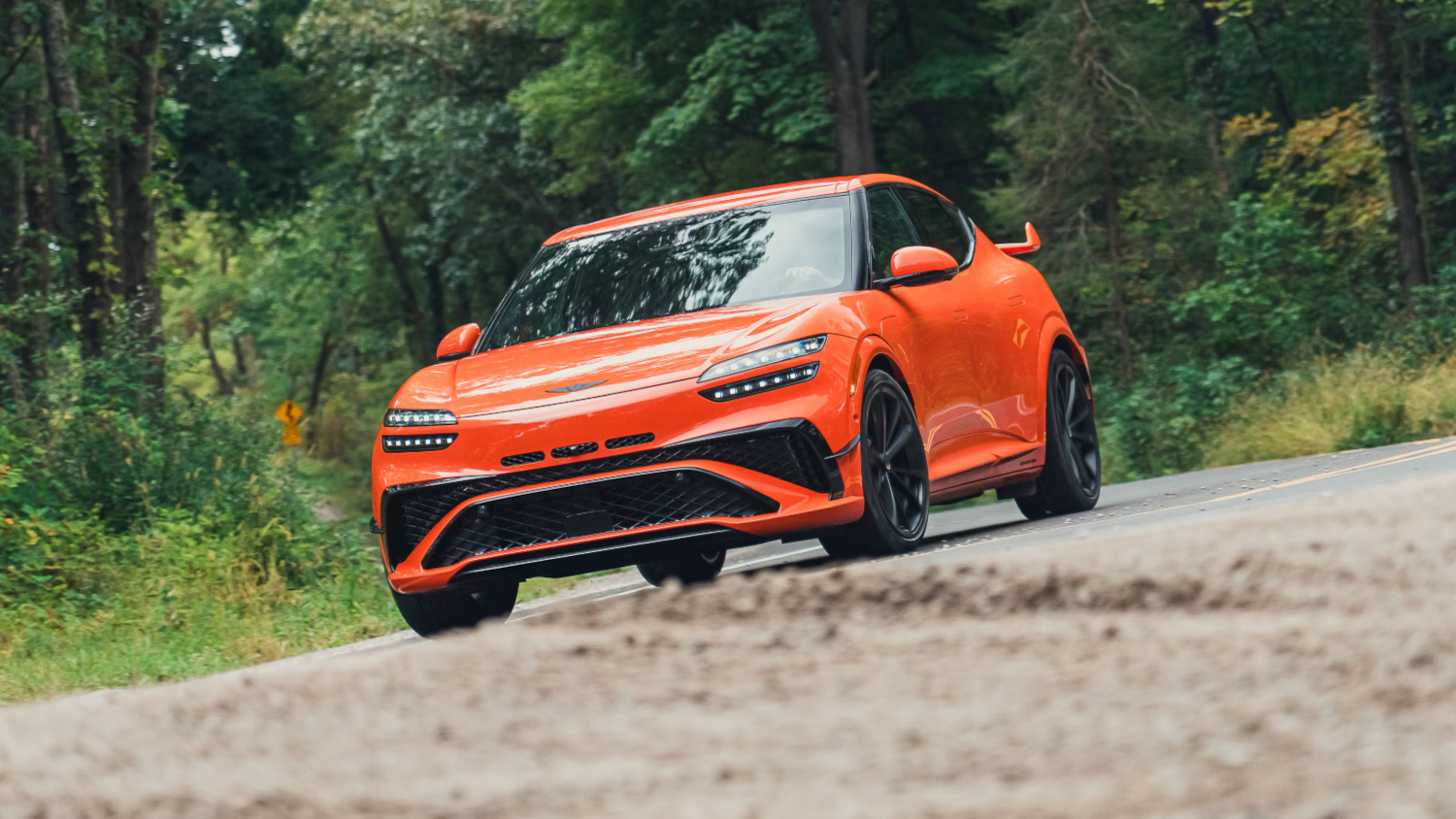


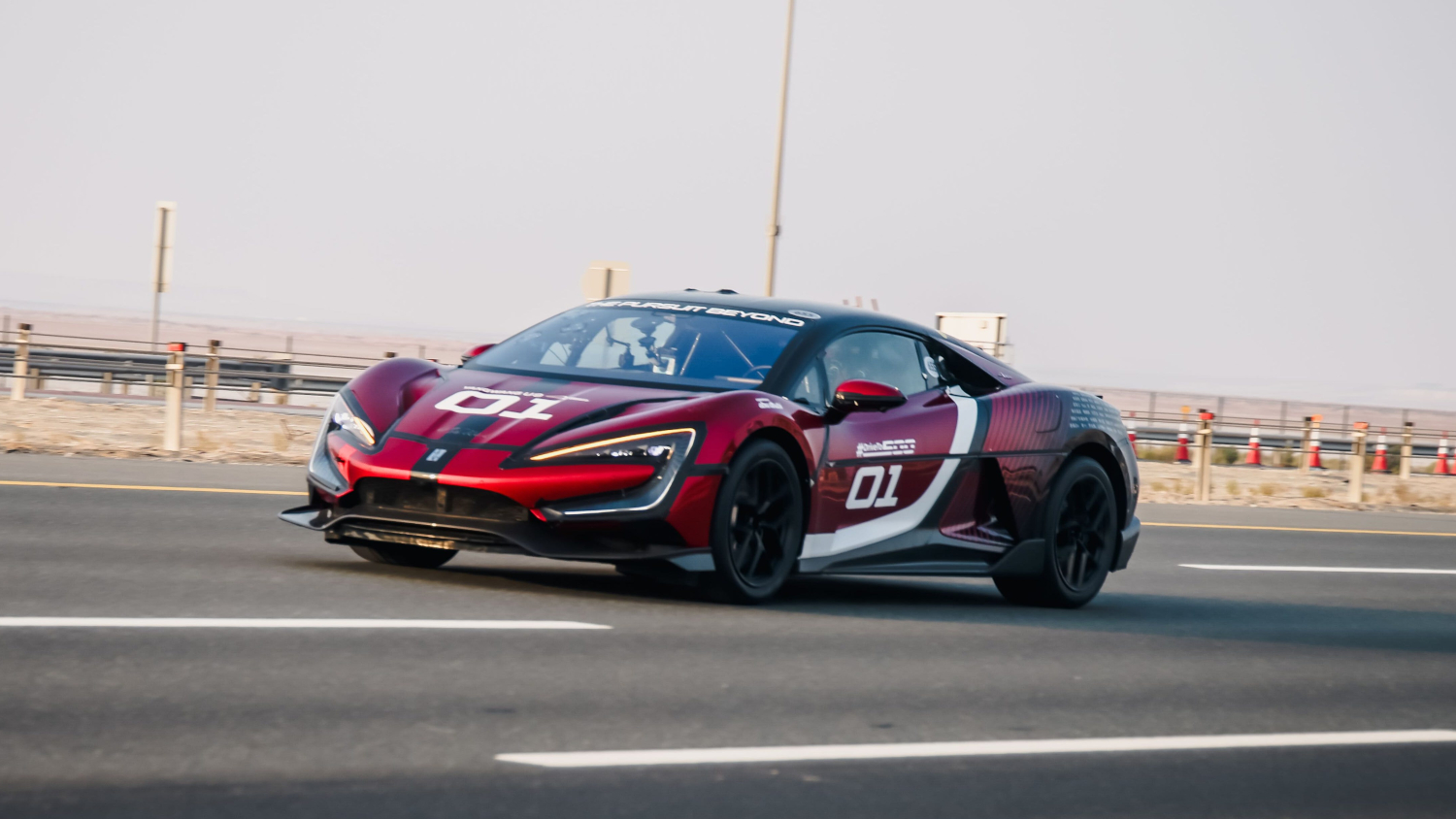
503.17 km/h. That’s 312.65 mph. That’s the number a Chinese electric hypercar put on the board November 1, 2026, on a closed stretch of Sheikh Khalifa Bin Zayed International Road in Abu Dhabi. Guinness World Records awarded Yangwang — BYD‘s luxury-performance brand — two titles: highest speed achieved by a production car and highest speed achieved by an electric production car. Both are single-direction records. That distinction matters, and the full context is worth understanding before drawing conclusions.
Engineering a 500 km/h Electric Car
Reaching 503 km/h demands solutions to engineering problems that most automotive programs never encounter.
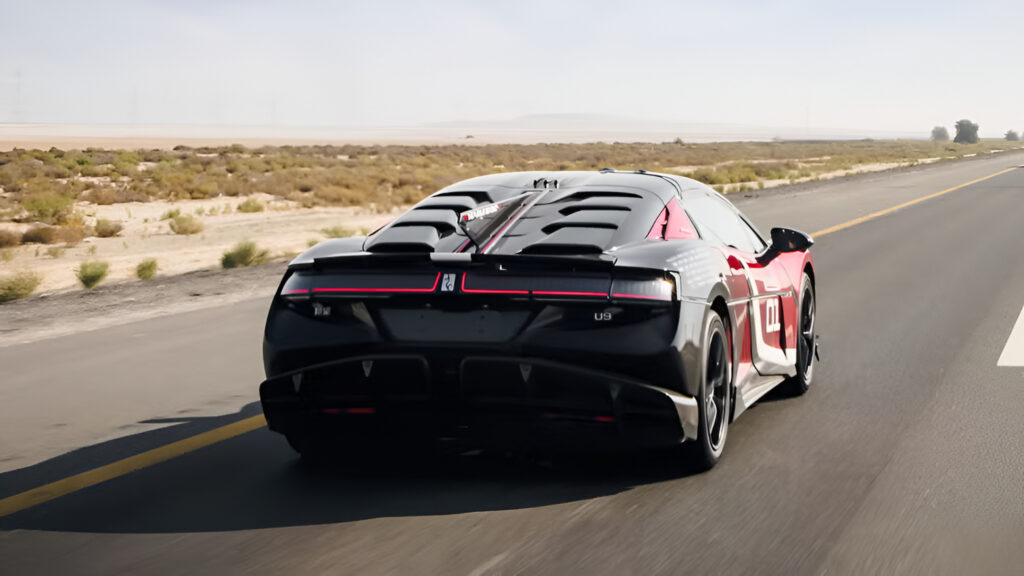
The U9 Xtreme runs four electric motors, one at each wheel, producing reportedly more than 3,000 hp — more than twice the standard U9’s output. The electrical system operates at 1,200 volts, an architecture designed to handle the extreme power demands of sustained full-throttle running. At a reported 20% state of charge, the system can reportedly deliver up to 1,800 kW and accept as much as 700 kW through regenerative braking — figures that point to the heat-management challenge at the core of this build. Torque vectoring continuously adjusts power at each individual wheel to limit wheelspin, while active aerodynamic components and dampers work to preserve stability as aerodynamic forces compound with speed. Tires developed by Giti for the specific loads generated at these velocities completed the package. None of it happens by accident.
Key facts at a glance:
- Speed: 503.17 km/h (312.65 mph), Sheikh Khalifa Bin Zayed International Road, Abu Dhabi, November 1, 2026
- Guinness titles: highest speed by a production car (single-direction records); highest speed by an electric production car (single-direction)
- Previous benchmark: 496.22 km/h, recorded in Germany, same driver — German racing driver Marc Basseng
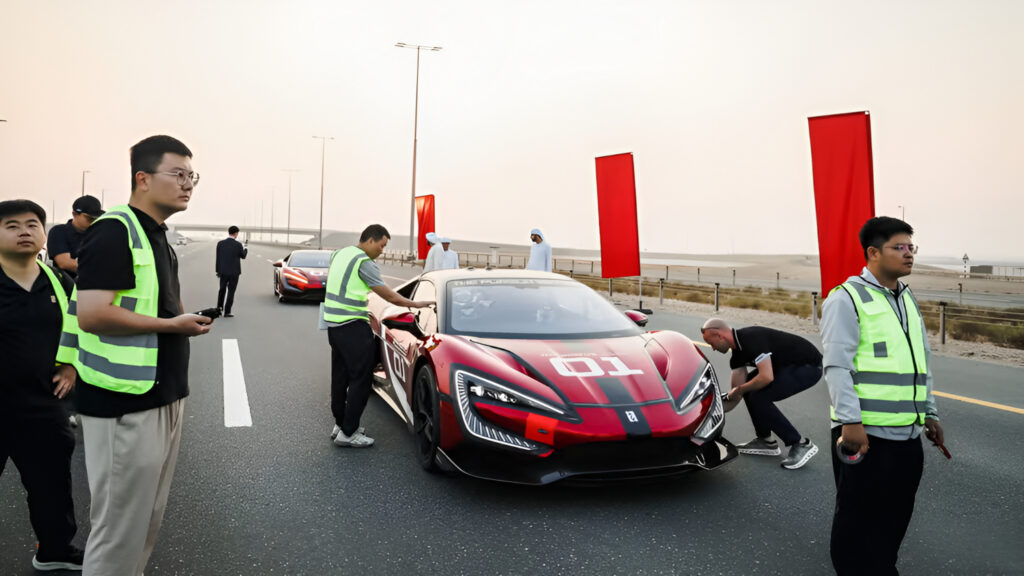
- Approximately 10 km of road closed; roughly 7 km used for the runs; road cleared before the attempt
Here’s the asterisk. Single-direction records don’t require a return pass, which means wind and road gradient can influence the result without being offset. Two-way averages exist specifically to neutralize those variables. That’s not a scandal — it’s simply what the record is. The number remains extraordinary. No production car had previously been reported past 500 km/h in a recorded production-car run.
A Brand Statement Written at 312 mph
For BYD, the U9 Xtreme’s record is as much a declaration of intent toward the European hypercar establishment as it is an engineering milestone.
The U9 Xtreme’s extremely limited production keeps it far removed from practical road-car territory, while still qualifying it as a production vehicle under the applicable record criteria. This is familiar prestige automotive logic — limited hypercars serving as technology showcases rather than volume products. BYD, widely reported as the world’s largest manufacturer of new-energy vehicles by sales volume, is using Yangwang to signal that the global performance conversation has shifted. The 1,200-volt architecture and thermal-management systems developed for this run represent advances that could inform BYD’s broader portfolio. The record documents the achievement. The engineering is what travels forward.
The fine print is real. So is the number. Both can be true at once.