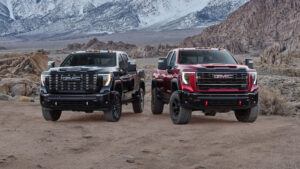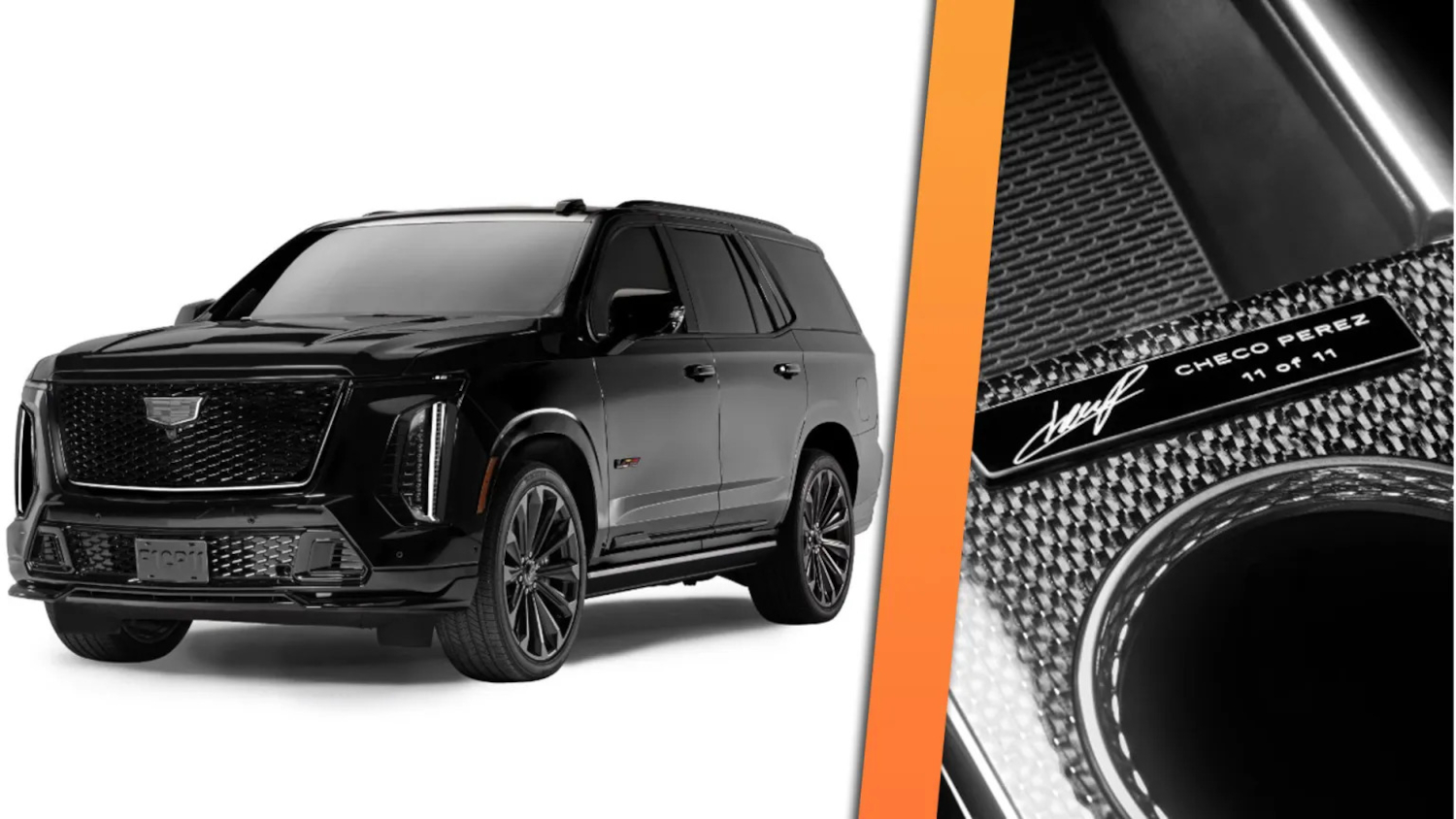


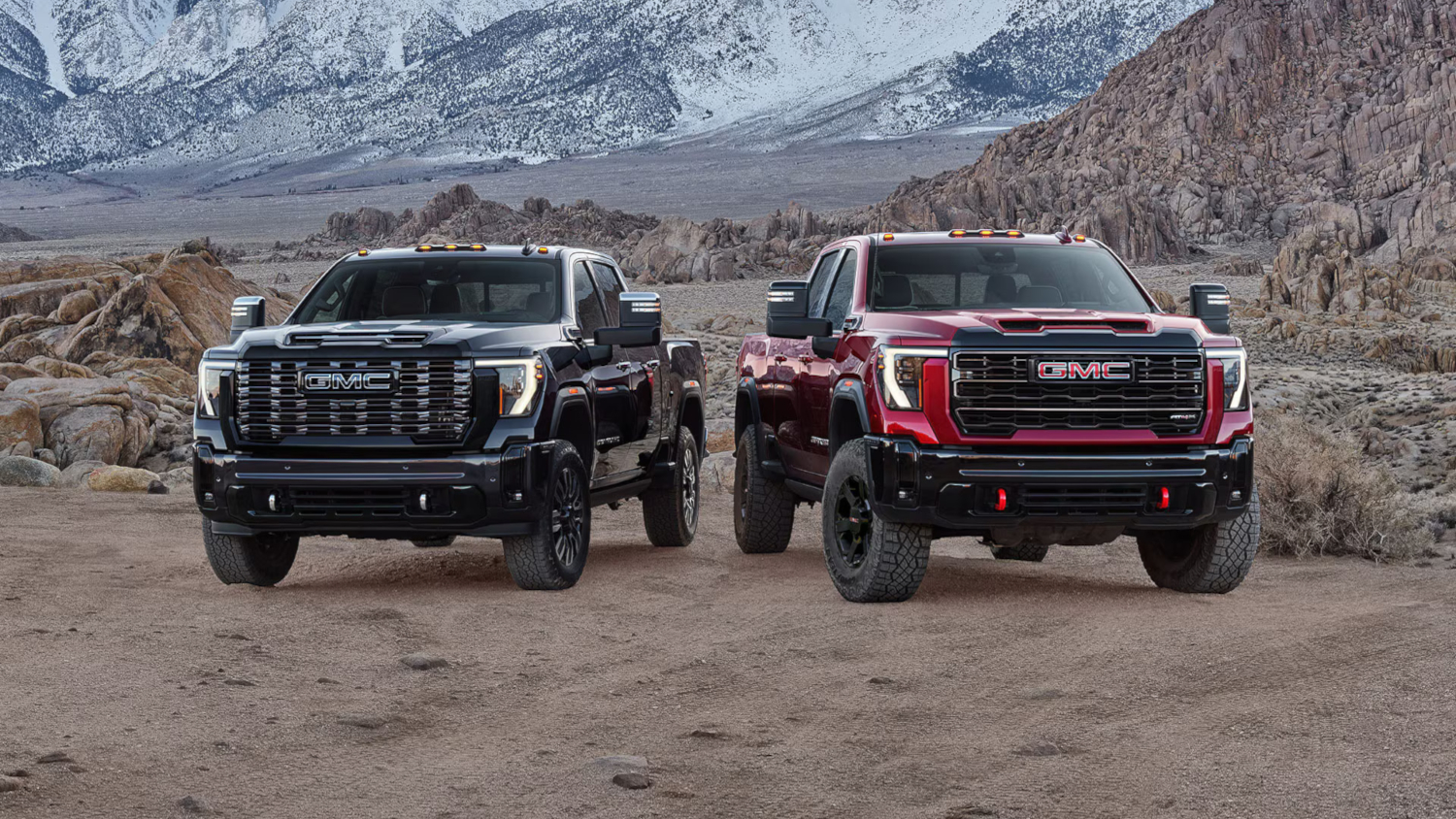
A full-size truck pulls into a grocery store parking lot, engine running, no one inside. That scene is not a glitch or a concept video — it is part of GM’s longer-term vision for personal autonomy. On October 21, 2026, General Motors announced that eyes-off highway driving arrives first on the 2028 Cadillac Escalade IQ, with expansion planned for full-size SUVs and light-duty pickups. It is a named vehicle, a year, and a declared product roadmap — which makes it worth taking seriously, even if the finish line remains blurry.
Eyes Off, But Not Gone
GM’s next step beyond Super Cruise lets you stop watching the road — on certain highways, under conditions the company has not yet fully disclosed.
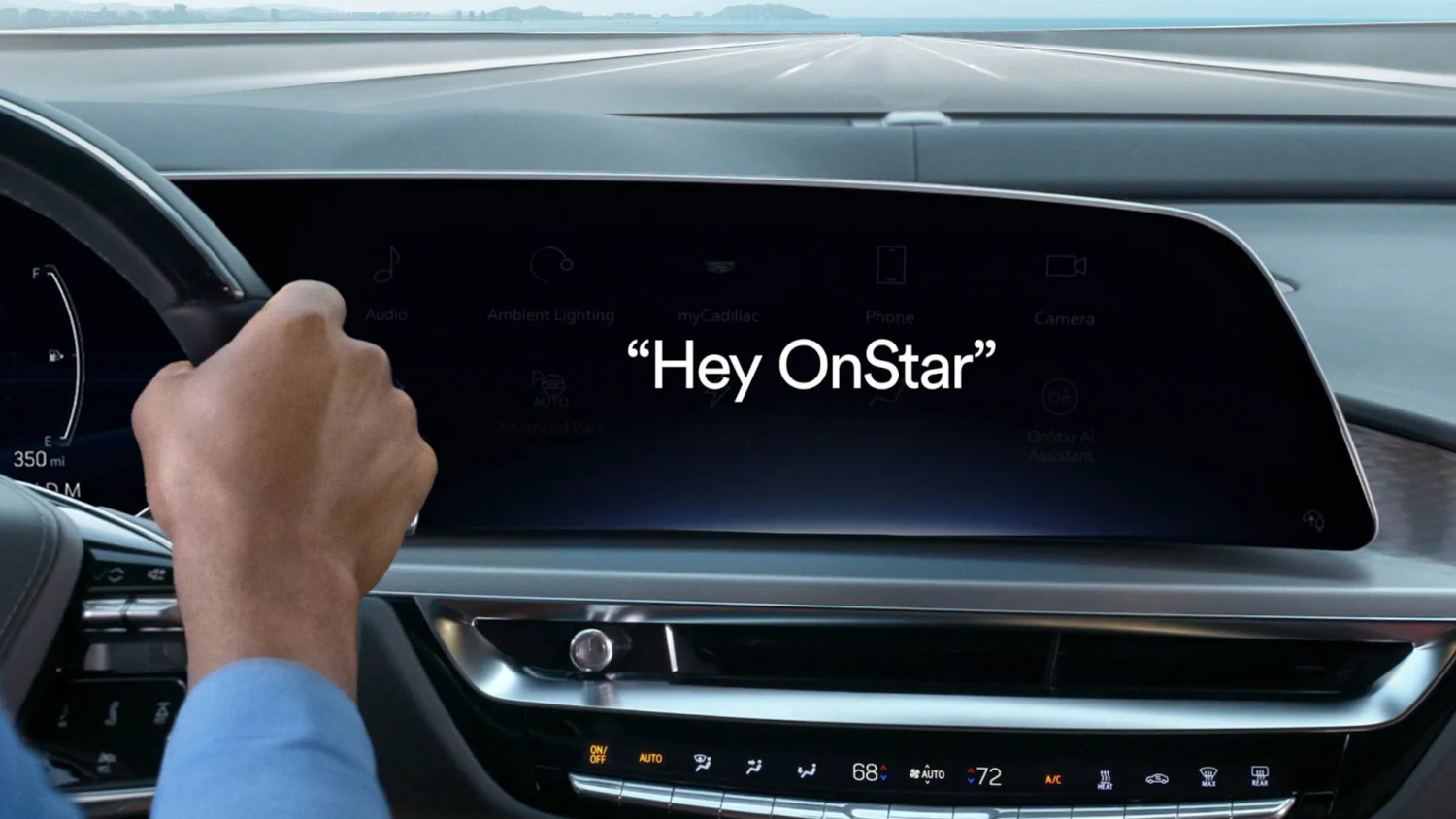
Super Cruise already lets drivers drop their hands. Eyes-off goes further. On approved highway routes, the system drives and occupants can genuinely look away from the road. GM says its Super Cruise foundation has accumulated more than 1.2 billion hands-free miles across nearly 750,000 vehicles — a significant data set, by the company’s own account.
Chief product officer Sterling Anderson was direct about what this system is not. GM is “not developing L3 autonomy,” Anderson told The Drive, because Level 3 requires a driver to retake control on demand. That handoff — swapping an inattentive human back into control, instantly — is what Anderson and GM consider an undesirable and risky transition between assistance and autonomy. It is an engineering and liability argument, not just marketing positioning.
What GM Has – and Hasn’t – Announced
- 2028 launch on the Cadillac Escalade IQ; full-size SUVs and light-duty pickups follow, timetable unconfirmed
- Eyes-off operation limited to approved highway routes; specific weather limits and operating zones remain undisclosed
- “Mission Mode” — Anderson’s term for a vehicle completing errands without any occupant — has no launch date, pricing, or final product name
- Business model unresolved: whether these features will be standard, optional, or subscription-based, GM has not said
- GM’s simulation infrastructure generates more than three billion virtual miles daily, per company claims
The Part Nobody Has Answered Yet
From liability to pricing, the gap between GM’s stated goal and a confirmed product is still wide enough to park an Escalade in.
“Mission Mode” is Anderson’s framing for what comes after highway autonomy: a vehicle leaves the driveway, handles routine errands such as grocery or dry-cleaning pickup, and returns — no owner required. It is a concrete and compelling concept. It is also currently without a launch date, a price, or a regulatory pathway. GM’s broader stated vision is to build vehicles that can “drive themselves or their occupants anywhere they need to be.” That is an extraordinary sentence. It is not a product announcement.
The unresolved questions are the ones that matter most to anyone considering a future Escalade IQ or a truck with expanded autonomy. What happens when the vehicle reaches the edge of its approved zone? What are the weather restrictions? Who carries liability when something goes wrong? GM has not addressed those details publicly in its announcement. Self-driving timelines have a reliable history of stretching — and the industry’s broader record, from stalled robotaxi programs to delayed consumer features, is a reason to hold any roadmap loosely, not to dismiss it outright.
The One Fixed Point on the Map
The 2028 Escalade IQ is the only milestone with a name and a date attached to it.
The 2028 Escalade IQ launch is the single confirmed point on this map. Everything beyond it — the pickup expansion, Mission Mode, the errand-running future — is intention without a timetable. Worth watching closely. Not worth rearranging your life around. Yet.