


The 2025-2026 model years bring a broader range of genuinely different vehicles than any comparable two-year window in recent memory. A revived Honda Prelude with a hybrid drivetrain. An electric Dodge Charger Daytona with a PowerShot boost function and a pistol-grip drive mode selector. A Jeep Recon with removable doors and a washable interior designed for trail use. A Porsche sports car platform going fully electric. These are not incremental updates — they are vehicles worth tracking if any one of them fits what you are looking for.
14. 2025 Hyundai Tucson (Exterior)
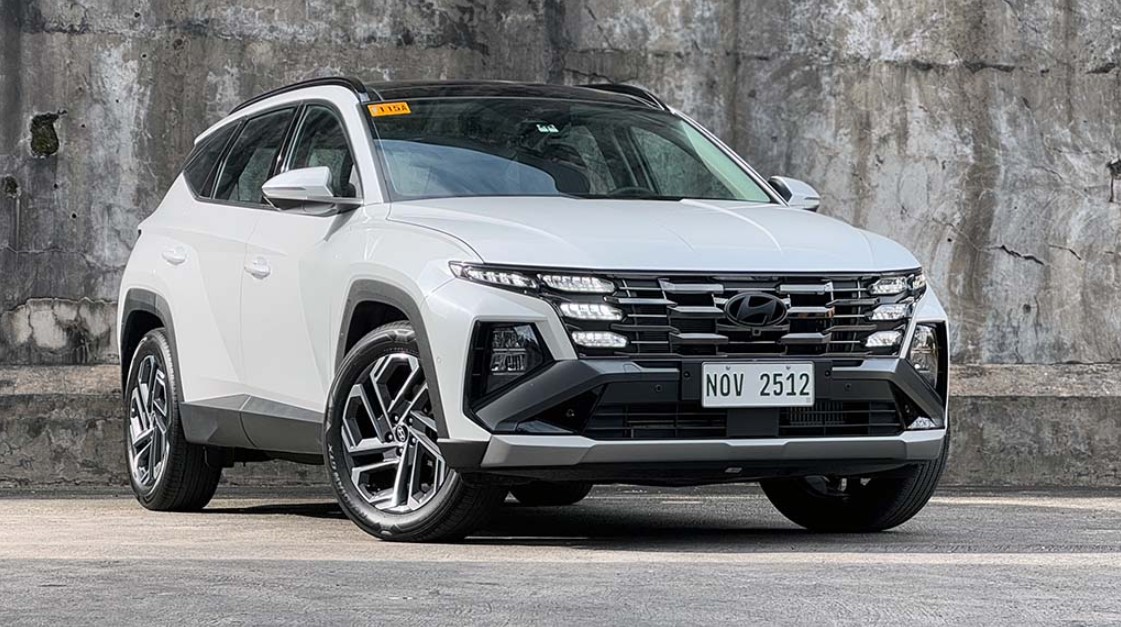
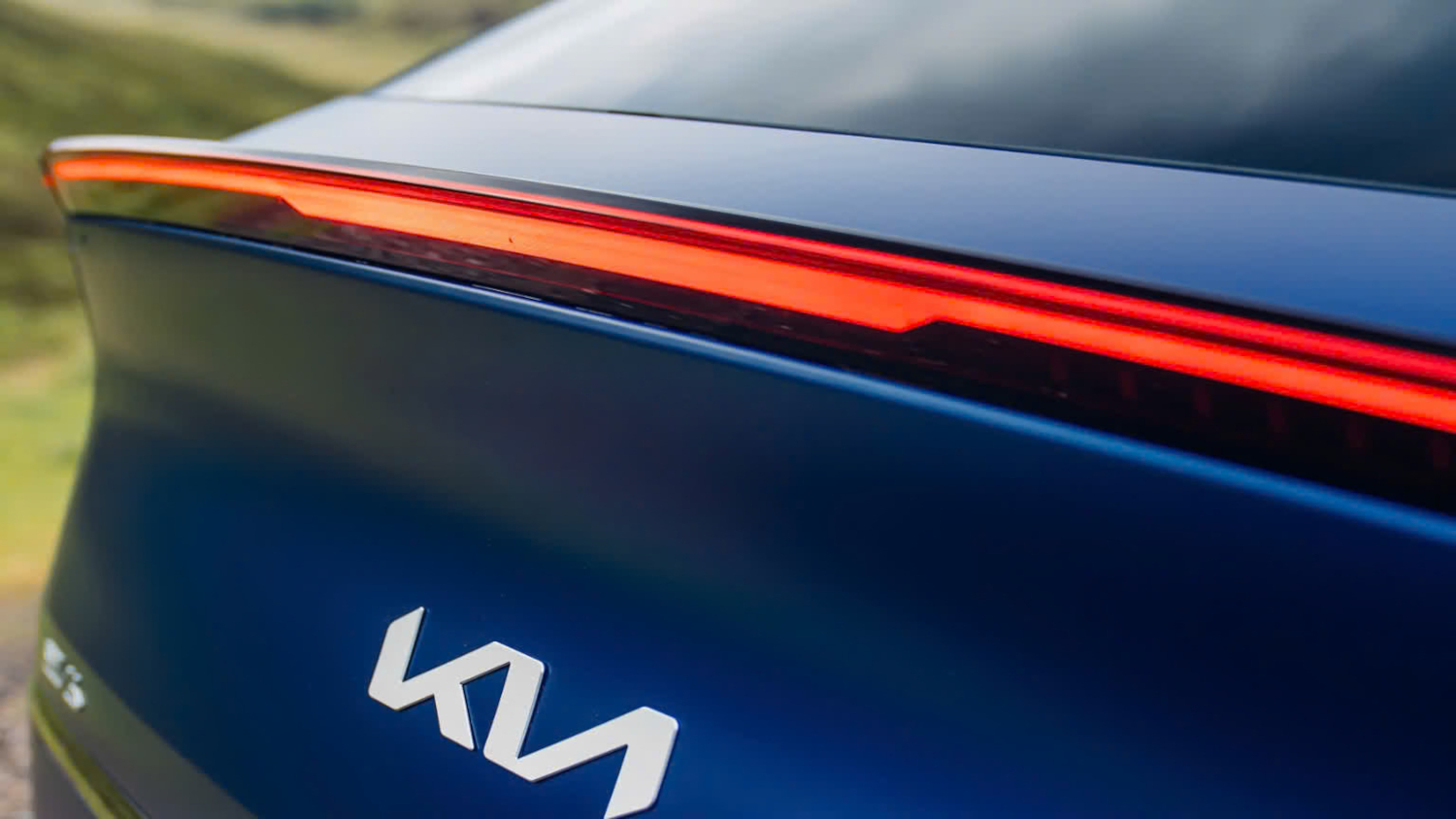
The 2025 Tucson uses a parametric design approach with angular surfaces and a distinctive parametric grille that integrates hidden daytime running lights — when off, the lights disappear into the grille pattern entirely. Sculpted side panels and a sloping roofline create an athletic stance at a price point where most competitors settle for generic crossover proportions. The rear uses a full-width LED light bar connecting the taillights, a design choice that reads as premium and communicates the Tucson’s position at the upper end of the compact crossover segment.
2025 Hyundai Tucson (Interior)
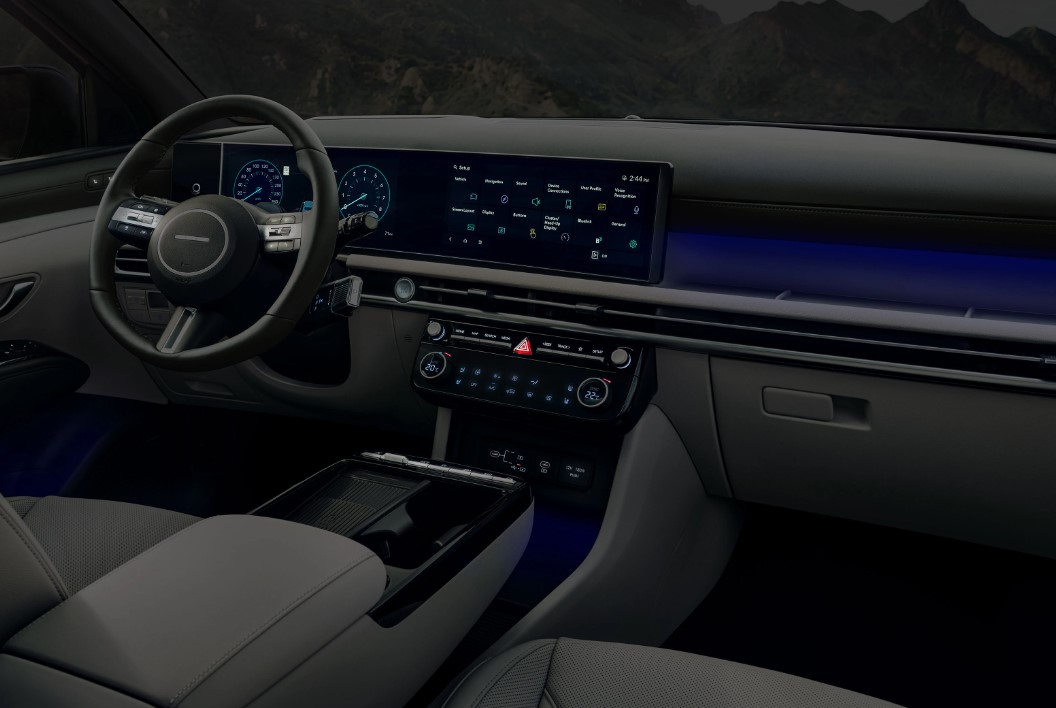
A 12.3-inch digital instrument cluster pairs with a matching vertically stacked touchscreen on a floating center console that opens up the lower cabin visually. Premium materials include soft-touch surfaces and available leather with contrast stitching. Ambient lighting with 64 color options and a panoramic sunroof complete a cabin package that competes well above what the Tucson’s transaction price would suggest.
13. 2026 Honda Prelude (Exterior)
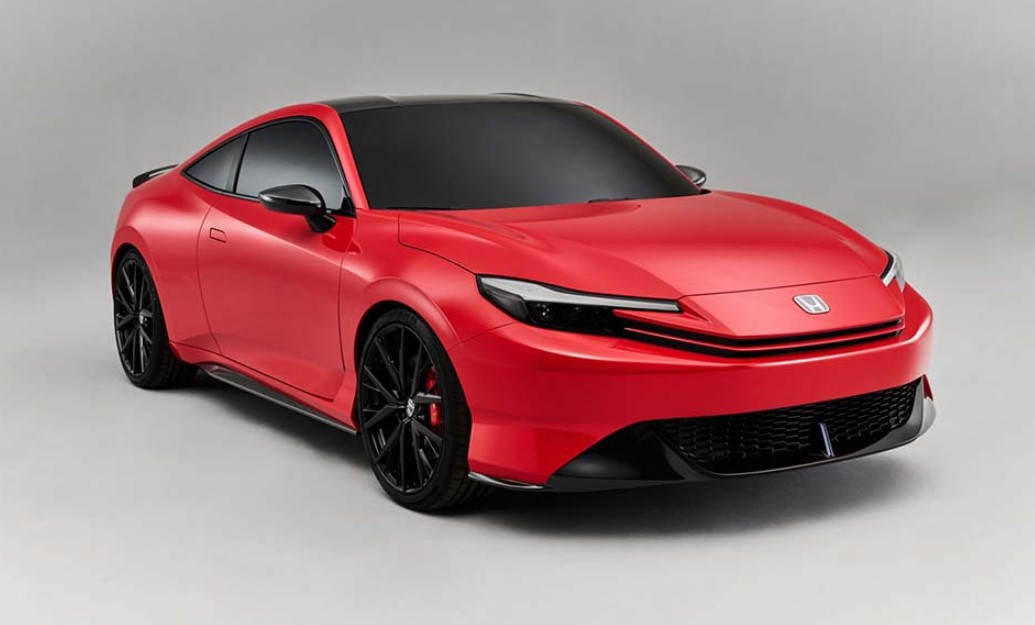
The revived Prelude uses low-slung proportions and a fastback profile to reference its heritage while integrating Honda’s current design language. LED light signatures create a distinctive presence that reads as Honda without simply copying the Civic’s execution. The slim grille and angular headlights at the front flow into a clean rear end with an integrated spoiler and horizontal light bar — a cohesive exterior that earns the Prelude nameplate’s return rather than coasting on it.
2026 Honda Prelude (Interior)
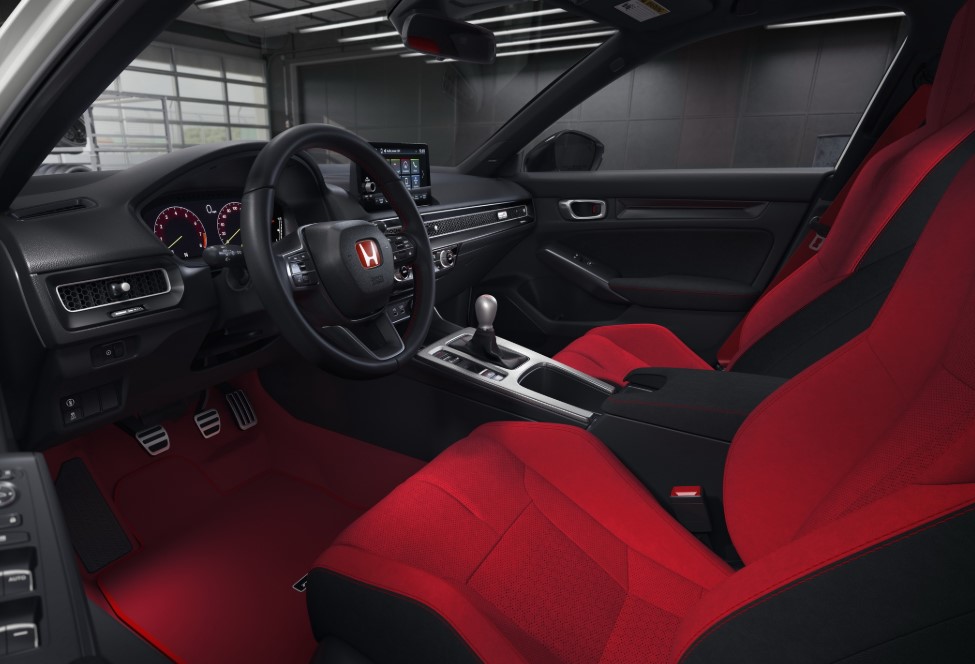
The driver-focused cockpit uses a digital instrument cluster and elevated center touchscreen alongside physical climate controls and a proper volume knob — a rare combination that prioritizes ergonomic usability without abandoning technology. Sport bucket seats provide lateral support for spirited driving. Red accent stitching, aluminum pedals, and a honeycomb mesh dashboard accent similar to the current Civic create visual coherence with Honda’s existing lineup while giving the Prelude its own distinct character.
12. 2026 Mazda CX-5 (Exterior)
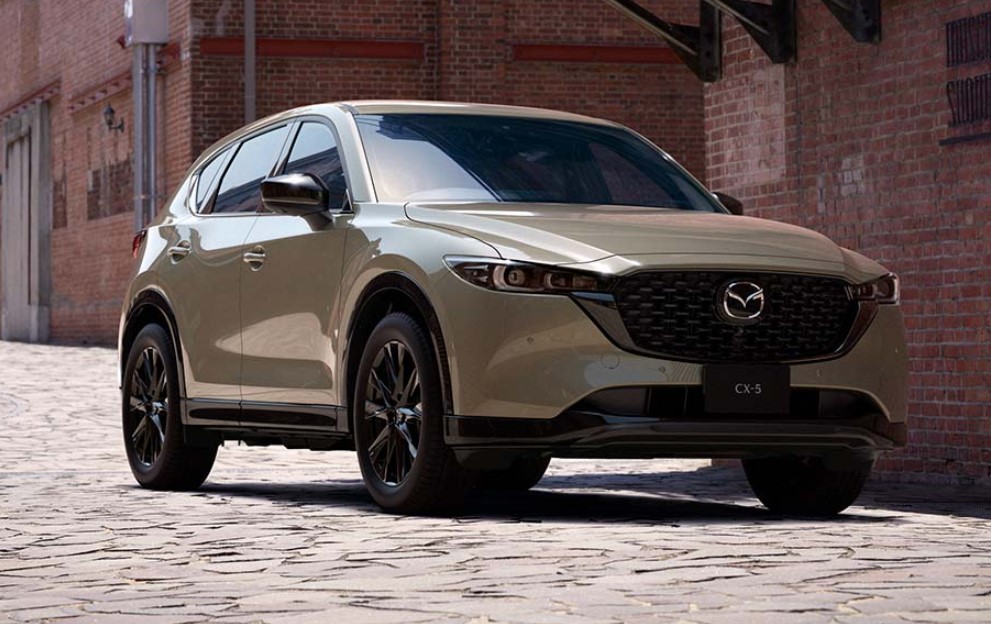
The 2026 CX-5 evolves Mazda’s Kodo design language with more pronounced side sculpting. The signature shield-shaped grille grows slightly while retaining the premium restraint that distinguishes Mazda’s aesthetic from most competitors in this segment. Slim elongated headlights with intricate LED elements emphasize visual width, and the rear’s angular taillights with a subtle chrome strip and dual exhaust outlets on higher trims complete an exterior that reads as genuinely upmarket without requiring a luxury badge to do so.
2026 Mazda CX-5 (Interior)
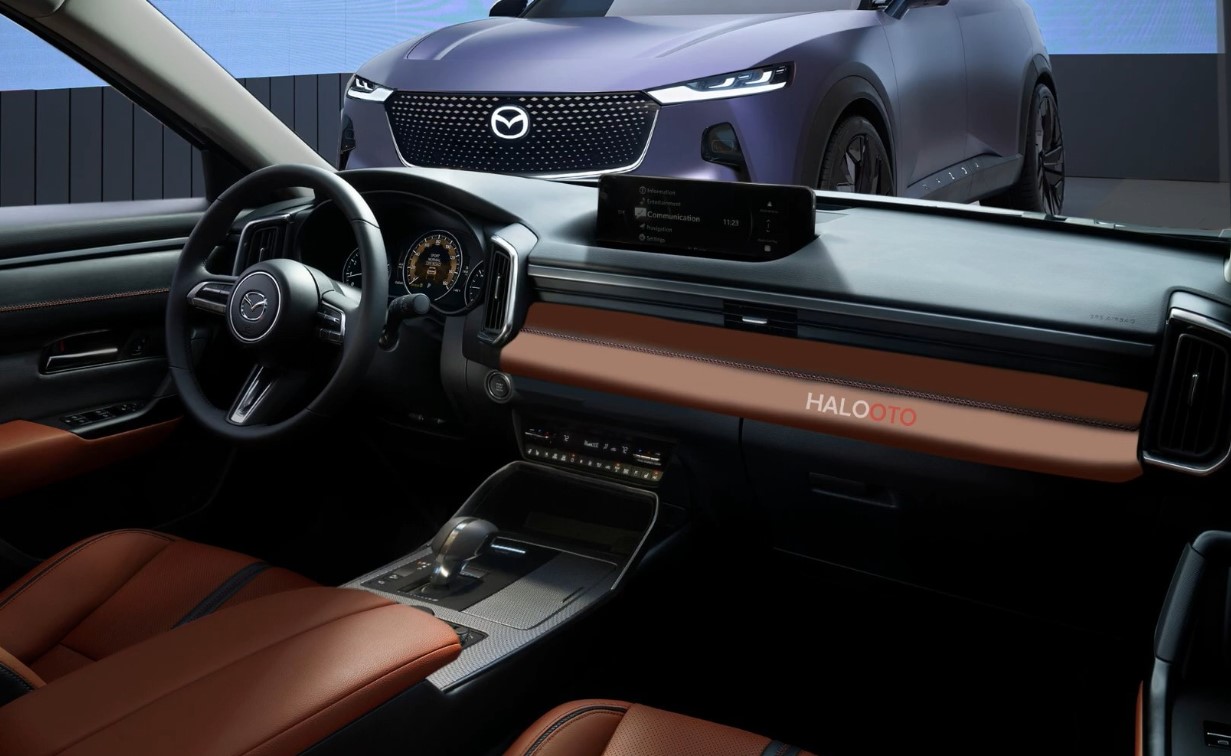
Mazda’s upmarket interior strategy continues with genuine leather and wood trim options and a horizontal dashboard that uses minimal button count alongside a 12.3-inch display operated by a centrally mounted rotary controller — a control philosophy that keeps driver attention on the road rather than the screen. Multi-way power front seats with heating and ventilation, a redesigned steering wheel with streamlined controls, and the premium Bose audio system round out a cabin that remains the benchmark for material quality in this price class.
11. Porsche Electric Boxster/Cayman Replacement (Exterior)
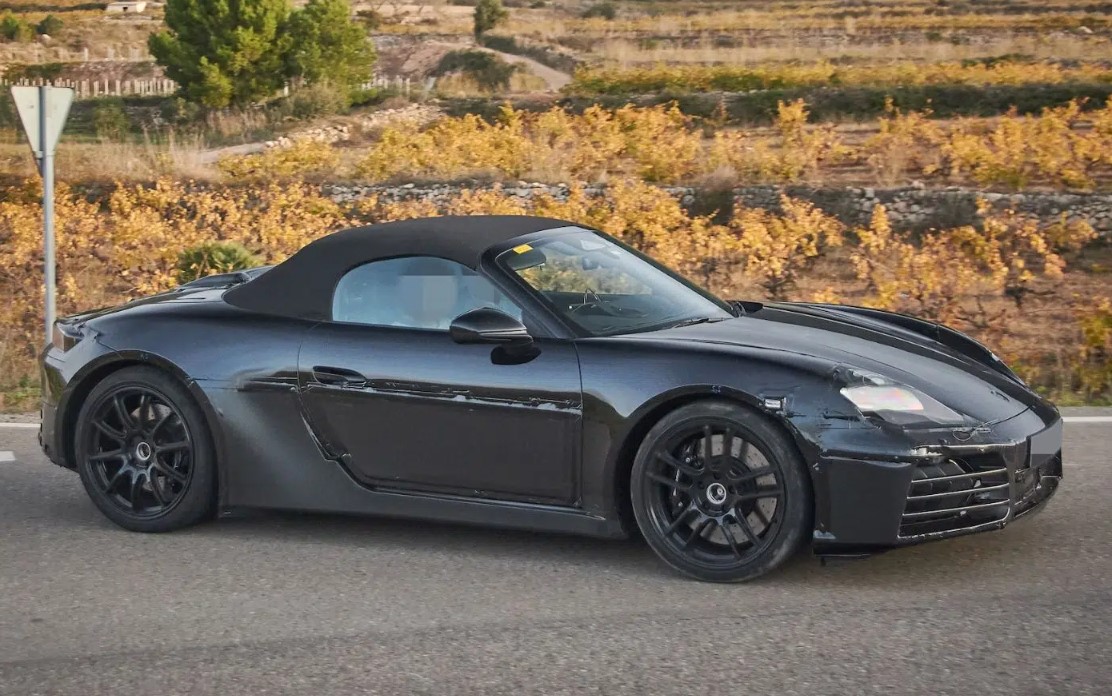
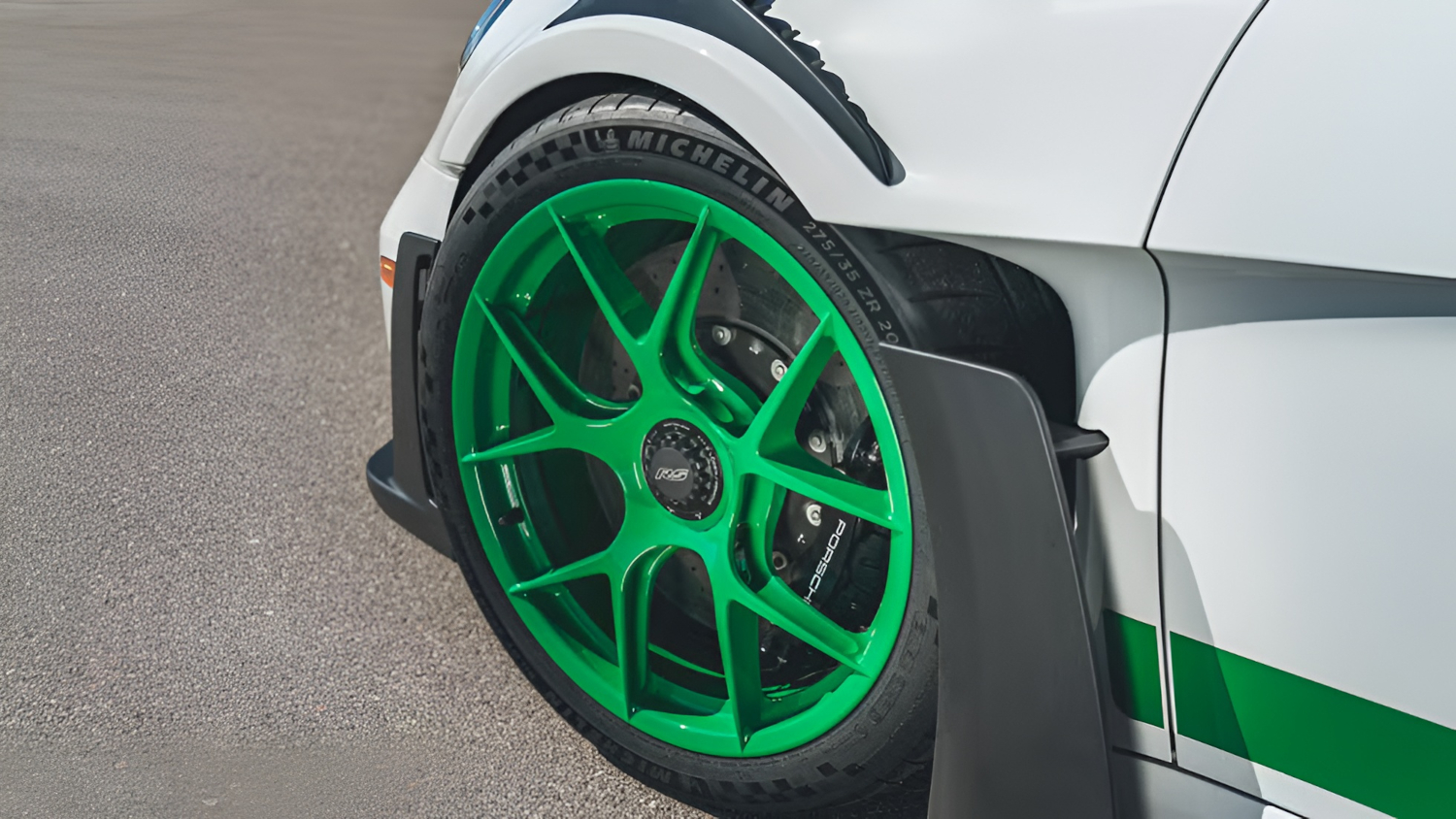
The electric Boxster and Cayman replacements maintain classic mid-engine proportions despite the packaging requirements of a battery-electric platform. Sharp LED matrix headlights and signature four-point running lights establish a direct visual link to Porsche’s existing lineup. Active aerodynamic elements deploy at speed including a rear spoiler that adjusts based on velocity. The absence of exhaust outlets enables a cleaner rear fascia with a full-width light bar that emphasizes horizontal width — a design solution that turns the electric platform’s constraint into an aesthetic advantage.
Porsche Electric Boxster/Cayman Replacement (Interior)
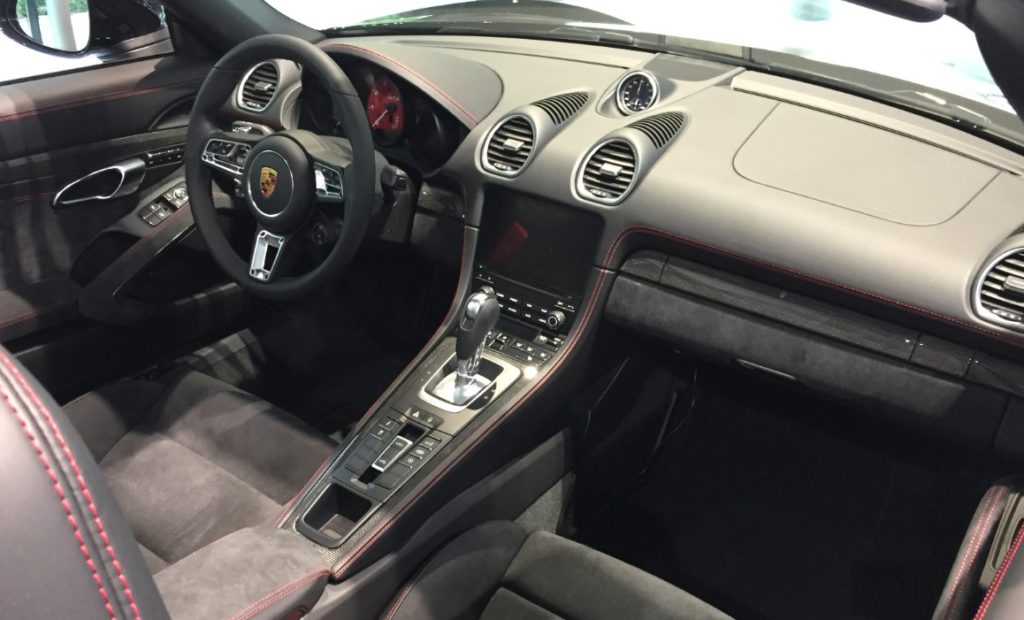
The digital cockpit combines a curved display behind the steering wheel with a secondary infotainment touchscreen. Physical toggles and a rotary drive mode selector remain for critical functions — Porsche’s driver-focused philosophy surviving the transition to electric intact. Sport seats with integrated headrests provide support for high-G cornering, and the two-spoke steering wheel includes touch-sensitive controls alongside paddle shifters that now manage regenerative braking levels rather than traditional gear changes.
10. 2026 Toyota RAV4 (Exterior)
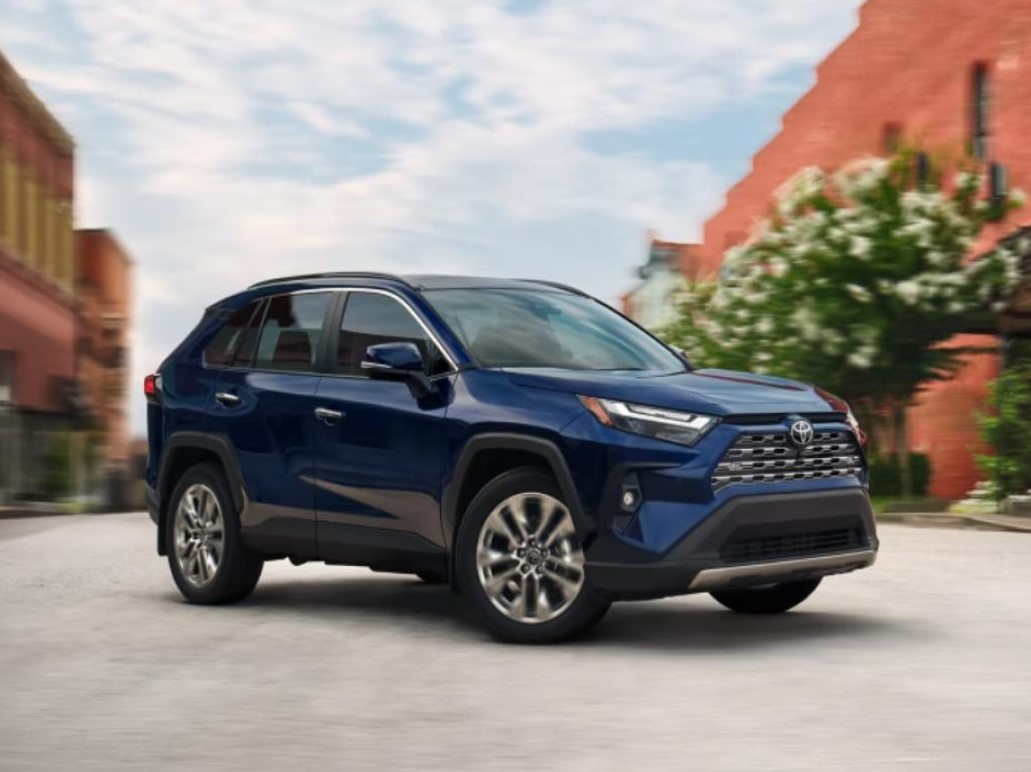
The 2026 Toyota RAV4 adopts a rugged, truck-inspired aesthetic with squared-off wheel arches and prominent body cladding. The front fascia uses a trapezoidal grille flanked by slim LED headlights for a confident face that signals the platform’s outdoor capability more directly than the outgoing model. Standard roof rails across most trims reinforce the adventure positioning, while the rear’s power liftgate with adjustable height settings and distinctive vertical taillights add both function and visual character to the most popular SUV in America.
2026 Toyota RAV4 (Interior)
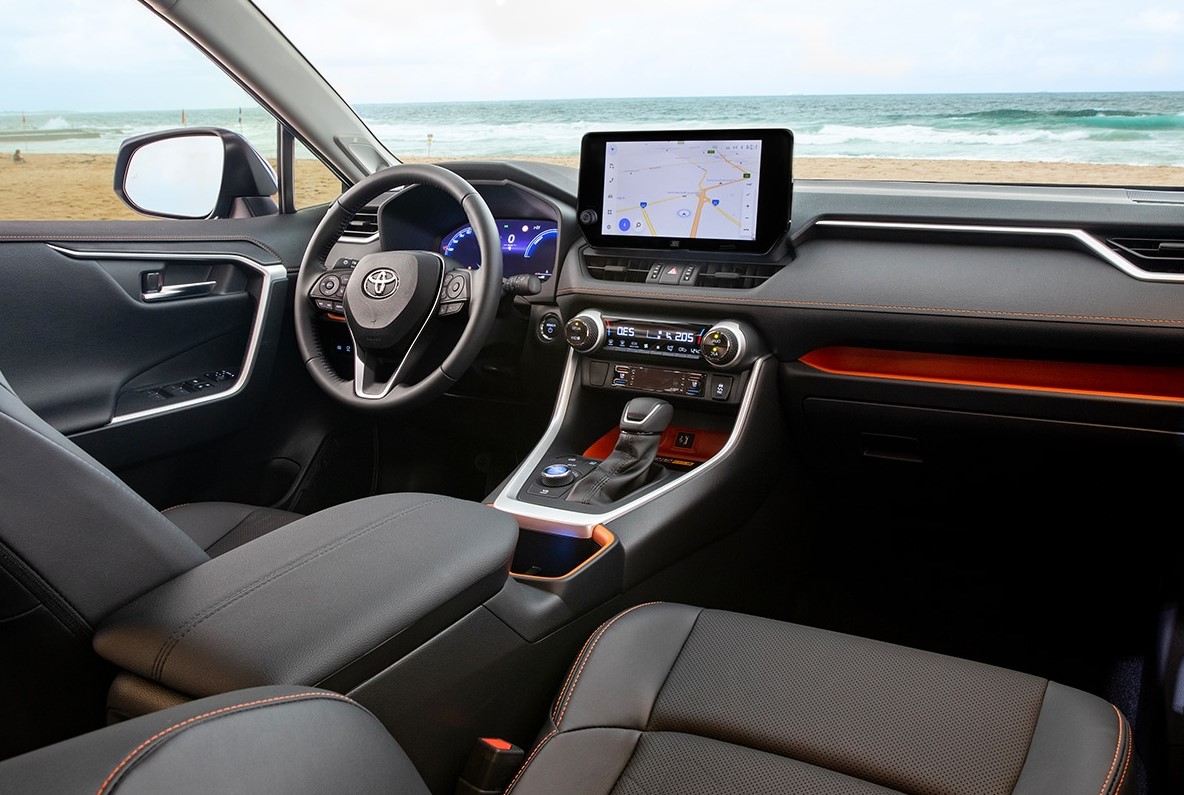
Horizontal lines and a floating infotainment display define the dashboard. Physical climate controls and rubberized grip surfaces on primary touchpoints reflect Toyota’s practical usability priority across all conditions. Rear seats offer reclining functionality and 40/20/40 split-folding capability for flexible cargo configurations. The hybrid battery placement maintains a flat load floor, and multiple storage compartments keep the interior organized for the active-use buyers the RAV4’s positioning targets.
9. 2026 Volkswagen Tiguan R-Line Turbo (Exterior)
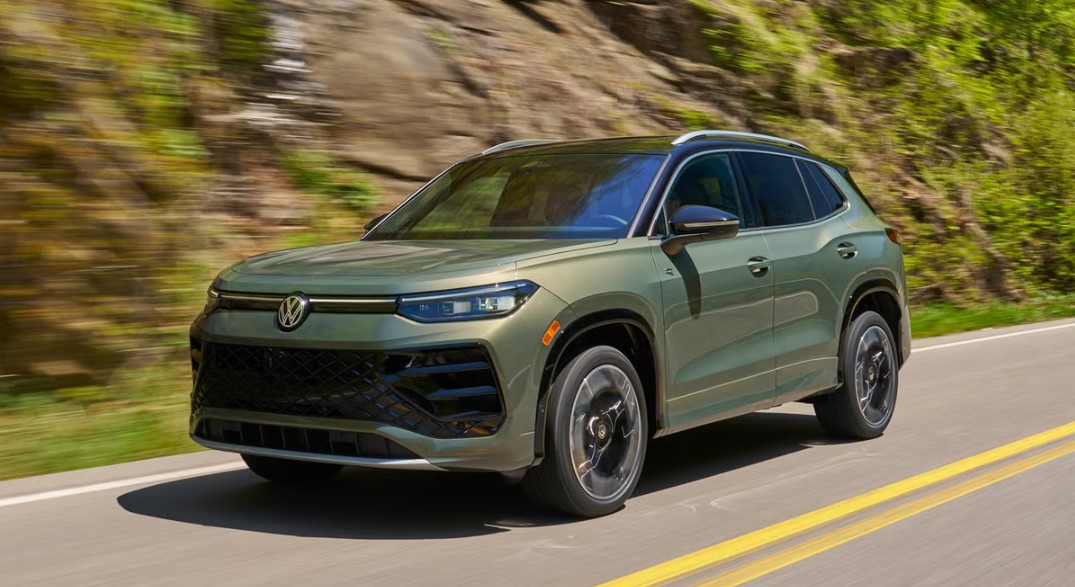
The Tiguan R-Line Turbo uses a gloss black grille treatment, enlarged lower air intakes, and flared wheel arches to distinguish itself visually from the standard Tiguan. R-Line specific bumpers create a more planted stance, and body-colored side skirts lower the visual profile despite practical ground clearance. Quad exhaust outlets at the rear and a subtle roof spoiler balance the sporty character against the refined aesthetic Volkswagen’s premium positioning requires.
2026 Volkswagen Tiguan R-Line Turbo (Interior)
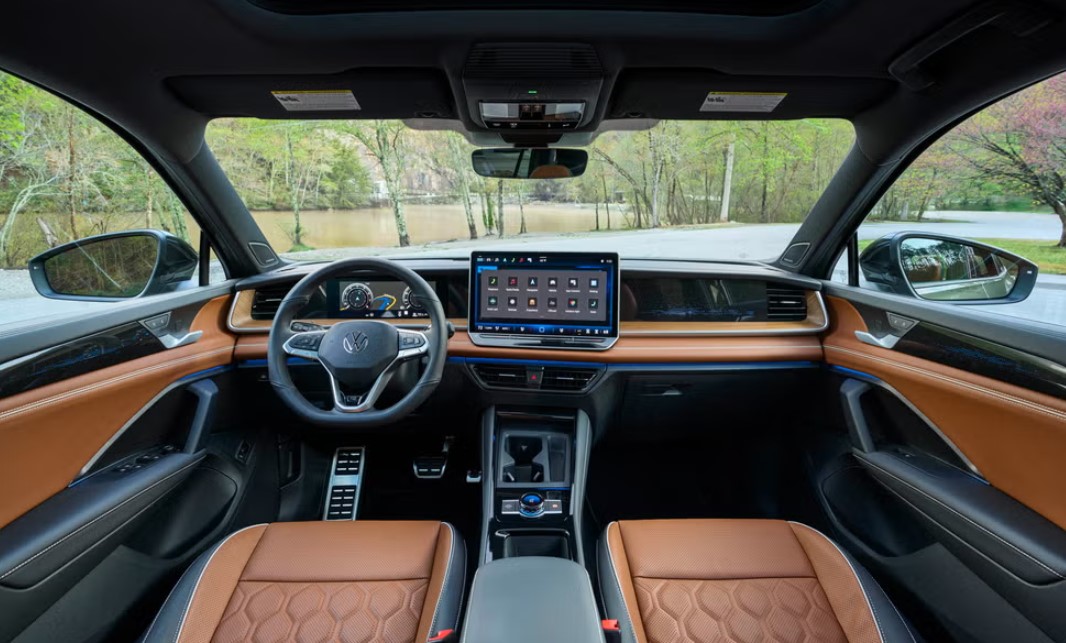
Microfiber seat inserts with contrasting stitching and carbon fiber-look dashboard and door panel trim set the R-Line cabin apart from the standard Tiguan. Customizable ambient lighting with 30 color options and a flat-bottomed steering wheel with paddle shifters and haptic touch controls reinforce the performance positioning. A head-up display projects speed and critical data into the driver’s sightline alongside a digital cockpit that includes g-force and lap timing functions — features more commonly found in dedicated performance vehicles than family SUVs.
8. 2027 Toyota Corolla (Exterior)
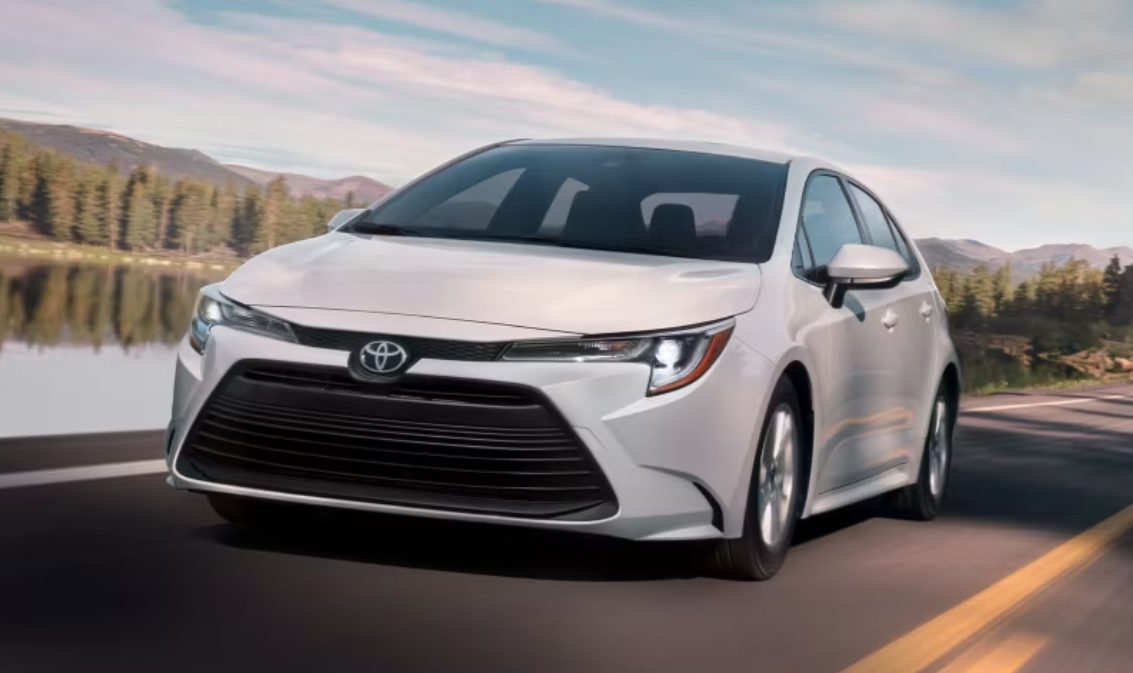
The 2027 Corolla adopts Toyota’s more expressive design language with deeply sculpted character lines and a trapezoidal mesh grille flanked by boomerang-shaped headlights flowing into the fenders. The hatchback variant offers the most dynamic profile with a steeply raked rear window and integrated roof spoiler. All body styles benefit from acoustic glass and improved aerodynamics — refinements that address the NVH and efficiency expectations of a market where the Corolla’s core buyers now have access to significantly more content per dollar than previous generations.
2027 Toyota Corolla (Interior)
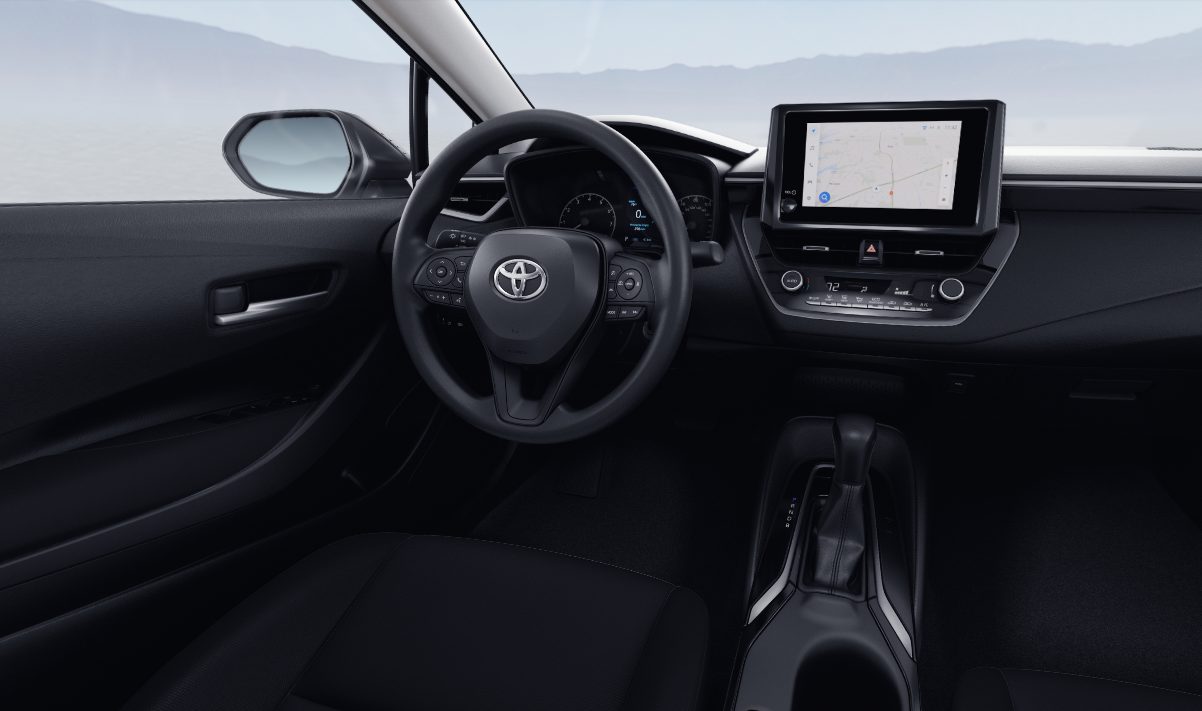
A wraparound dashboard creates a driver-oriented cockpit without isolating the passenger, with soft-touch materials covering most surfaces within reach. Ambient lighting strips trace the dashboard and door panels with brightness that adjusts by driving mode. The minimalist center console houses a wireless charging pad and electronic shifter. Rear passengers benefit from improved legroom via optimized seat design and a nearly flat floor — meaningful progress for a compact sedan that buyers often use for more than two occupants.
7. 2025 Mercedes-Benz G550 (Exterior)

The G550 retains its iconic boxy silhouette with reshaped LED headlights and an updated grille as the primary visual changes. Exposed door hinges and turn signals mounted atop the front fenders remain as deliberate heritage cues — design elements that Mercedes has correctly identified as too distinctive to modernize away. Brush guards and rock rails come standard, and the spare tire mounted on the side-hinged rear door continues as a functional element that communicates genuine off-road intent to anyone who knows what they are looking at.
2025 Mercedes-Benz G550 (Interior)
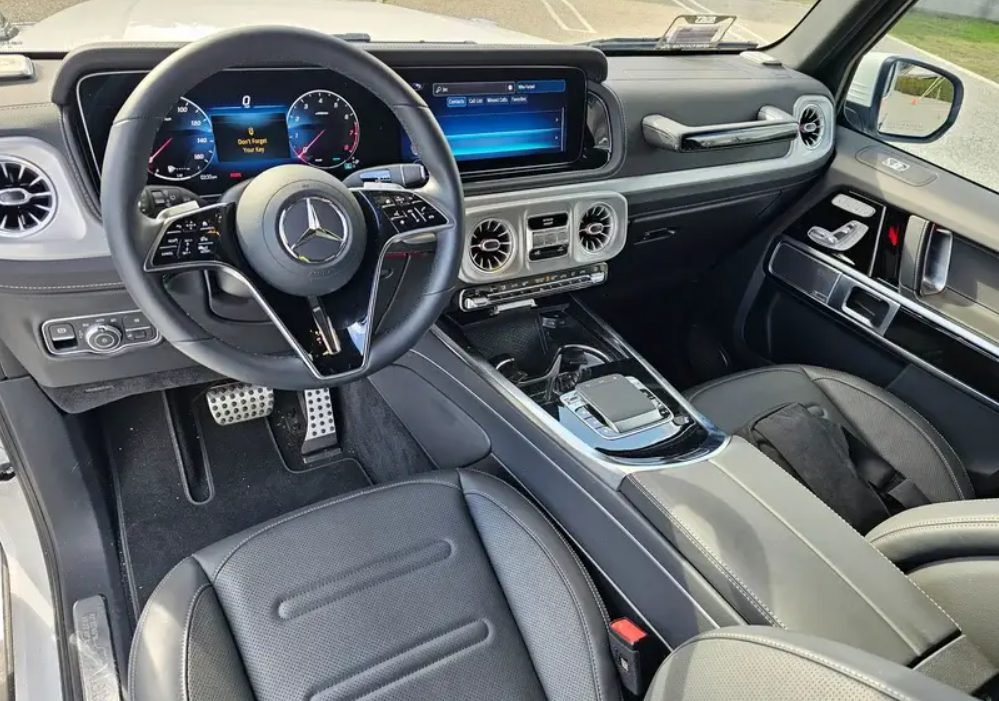
Hand-finished leather covers nearly every interior surface, and the grab handle above the glove compartment remains as a functional reminder of what this vehicle is built to do. A fully digital dashboard integrates with the center infotainment screen under a single glass panel — technology that would read as standard in any premium sedan, placed inside a vehicle with genuine 35-degree approach angles. The 64-color ambient lighting system illuminating air vents and door panels creates a contrast between exterior utility and interior refinement that is specific to the G-Class and impossible to replicate on a lesser platform.
6. Tesla Model Y Update (Exterior)
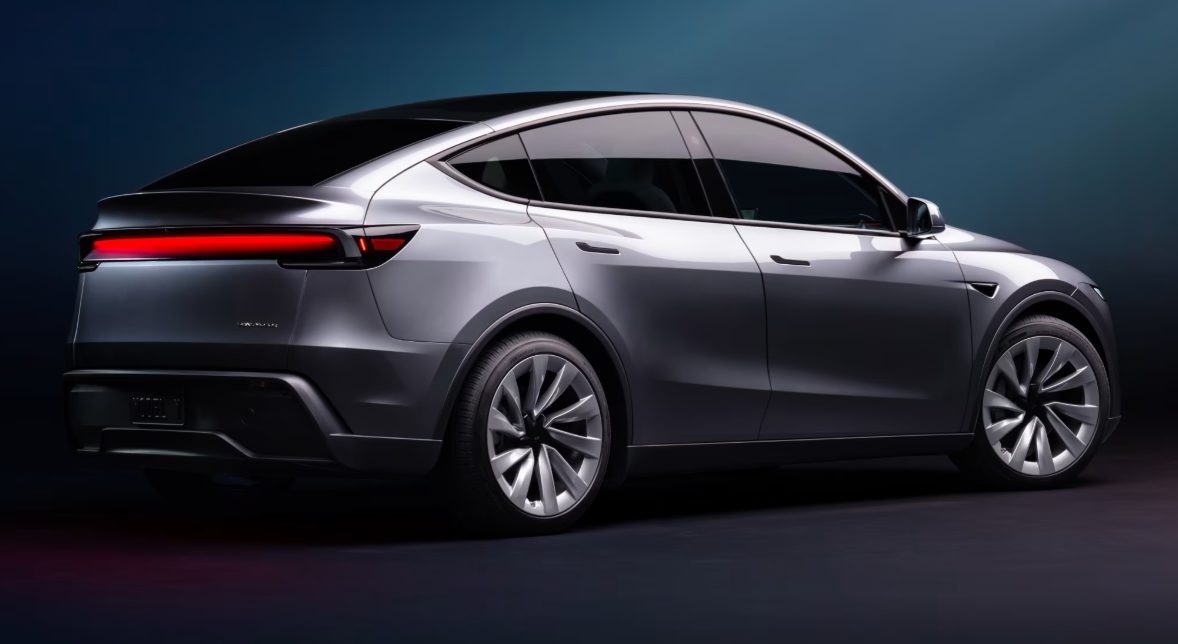
The refreshed Model Y retains its crossover silhouette with updated bumpers that improve airflow and contribute to extended driving range. New LED light signatures read as more premium, particularly at night. The panoramic glass roof now uses advanced heat-rejecting technology that eliminates the need for a sunshade while maintaining cabin comfort — a meaningful practical upgrade for buyers in warmer climates who made the sunshade workaround a known Model Y ownership topic.
Tesla Model Y Update (Interior)
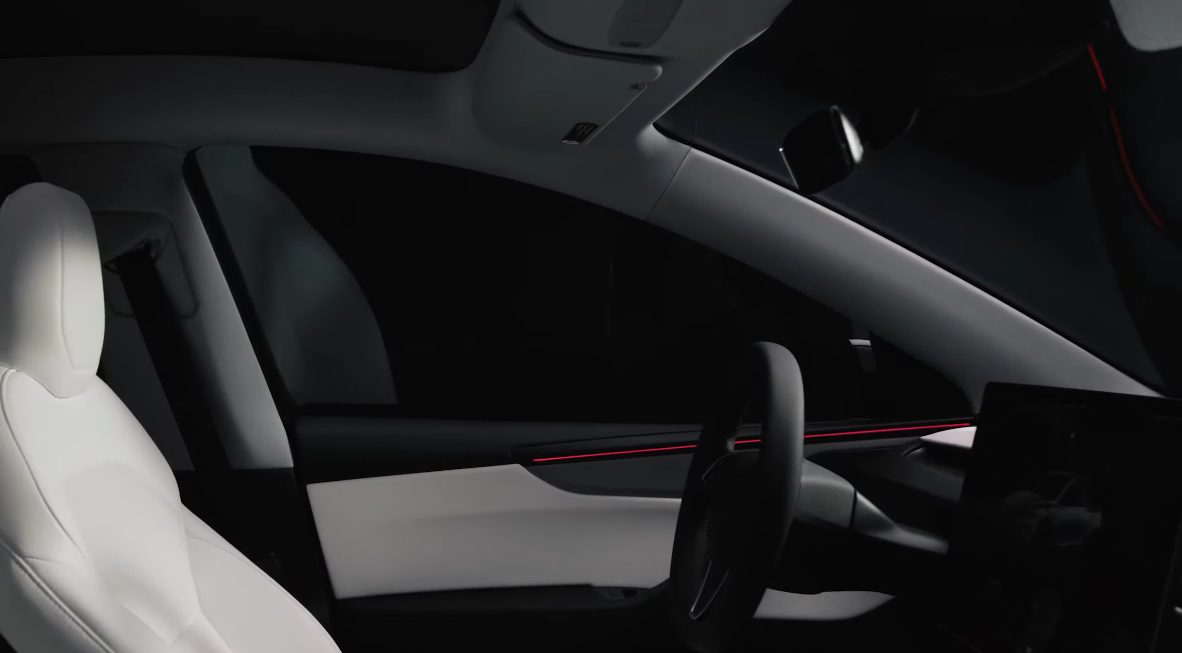
Better materials with more generous padding on frequently touched surfaces address one of the most consistent owner feedback points about the current Model Y. A traditional steering wheel returns as standard equipment alongside a reinstated turn signal stalk — changes that reflect Tesla’s response to real-world driver preference data rather than engineering-first decision making. Ventilated front seats join the features list, and the revised center console includes wireless charging for two devices simultaneously, with USB-C ports providing faster charging capability for rear passengers.
5. 2026 Toyota Highlander (Exterior)
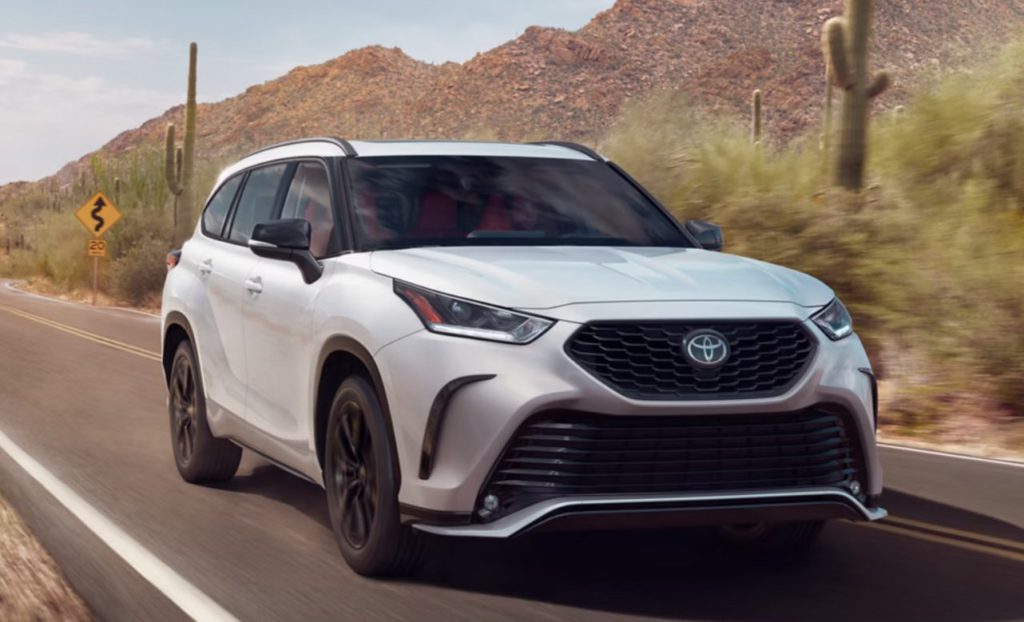
The 2026 Highlander uses a more upright, squared-off profile to maximize interior volume while projecting a commanding presence. The front fascia’s wider grille with intricate mesh pattern and slim LED headlights stretching toward the fenders create a contemporary face that reads as purposeful rather than generic. Side panels incorporate subtle sculpting that reduces visual mass, and the rear’s horizontal taillights with a chrome accent strip maintain the clean, family-friendly aesthetic that Highlander buyers have consistently chosen over more aggressive alternatives. For broader context on where this vehicle fits, this roundup of the most anticipated 2025 and 2026 vehicles covers the competitive landscape.
2026 Toyota Highlander (Interior)
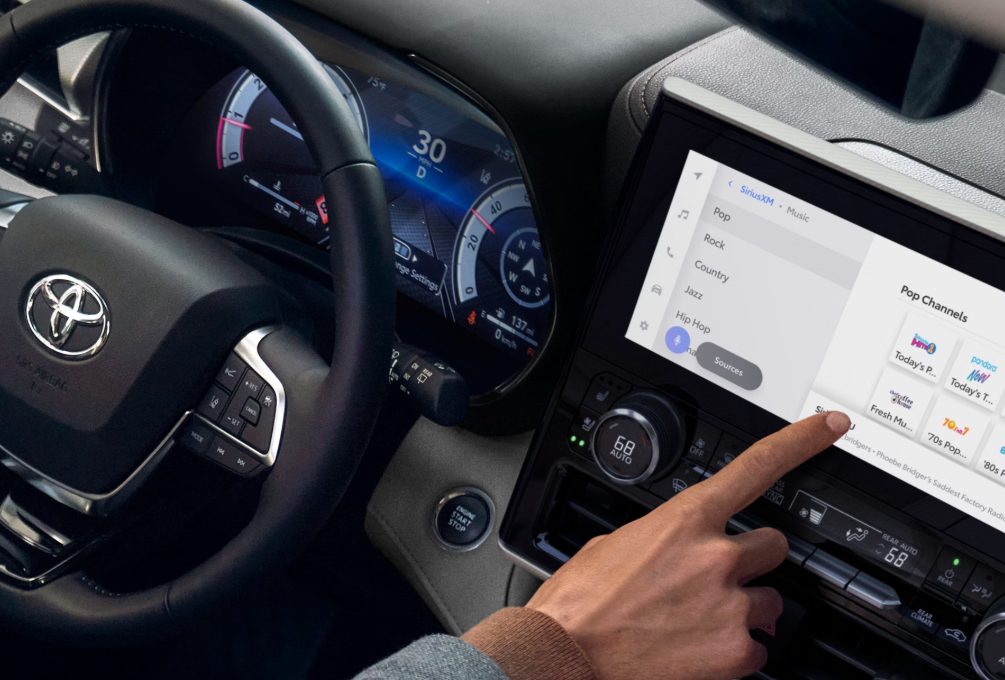
Three-row versatility anchors the cabin, with second-row captain’s chairs that slide and recline independently for passenger comfort and third-row access. A new panoramic moonroof spanning both first and second rows brightens the entire cabin. The dashboard centers around a landscape-oriented touchscreen with physical climate controls positioned below — Toyota’s practical acknowledgment that touchscreen-only climate systems frustrate more owners than they impress. Premium audio with active noise cancellation and multiple USB ports throughout all three rows complete a family cabin specification designed around actual family use patterns.
4. 2026 Volvo S90 (Exterior)
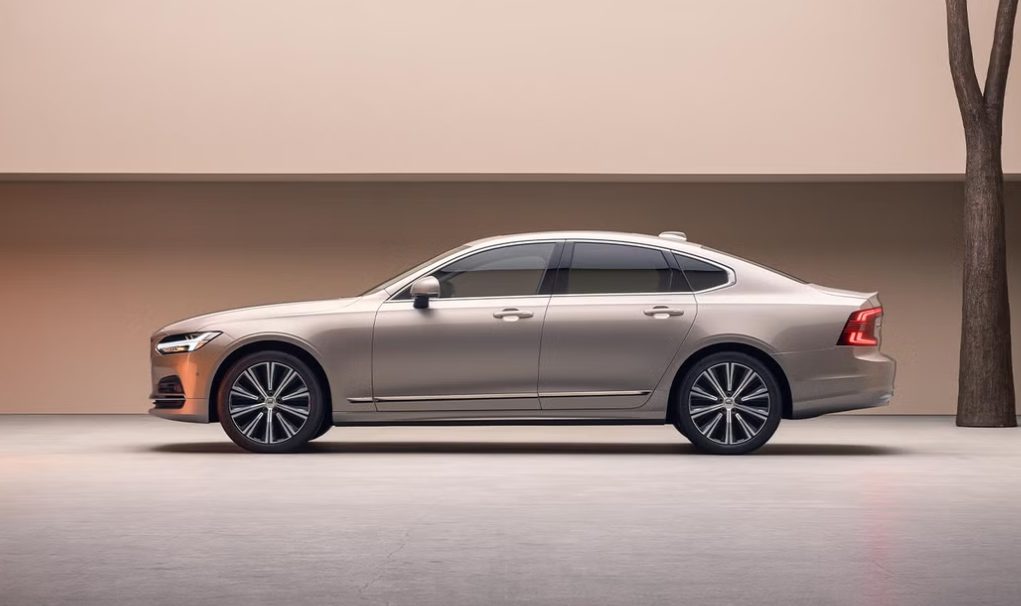
The S90’s Scandinavian restraint produces an exterior where clean lines and minimal embellishment do the work. Updated Thor’s Hammer headlights extend further into the fenders for a more dramatic presence than the current generation. The long hood and set-back cabin create classic luxury sedan proportions, and chrome window surrounds alongside integrated dual exhaust outlets add precise premium touches without compromising the understated elegance that defines Volvo’s design identity at the luxury level.
2026 Volvo S90 (Interior)
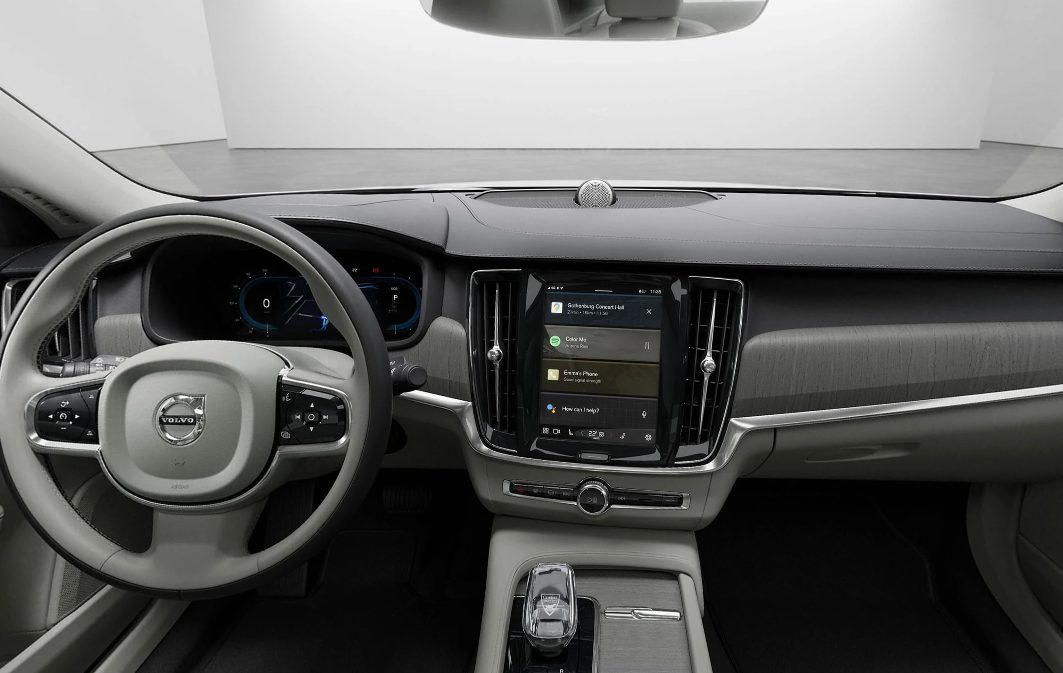
Unvarnished driftwood trim and sustainable wool blend upholstery options carry Volvo’s material philosophy from its outdoor brand positioning into a luxury sedan interior where those choices read as genuinely distinctive rather than simply expensive. The vertically oriented touchscreen runs Google’s operating system for intuitive controls and seamless smartphone integration. The Orrefors crystal gear selector adds a tactile luxury element specific to Volvo’s Swedish heritage, while advanced air filtration with air quality monitoring and the Bowers and Wilkins sound system complete a cabin that competes directly with German alternatives at a different aesthetic register.
3. 2026 Lexus ES (Exterior)
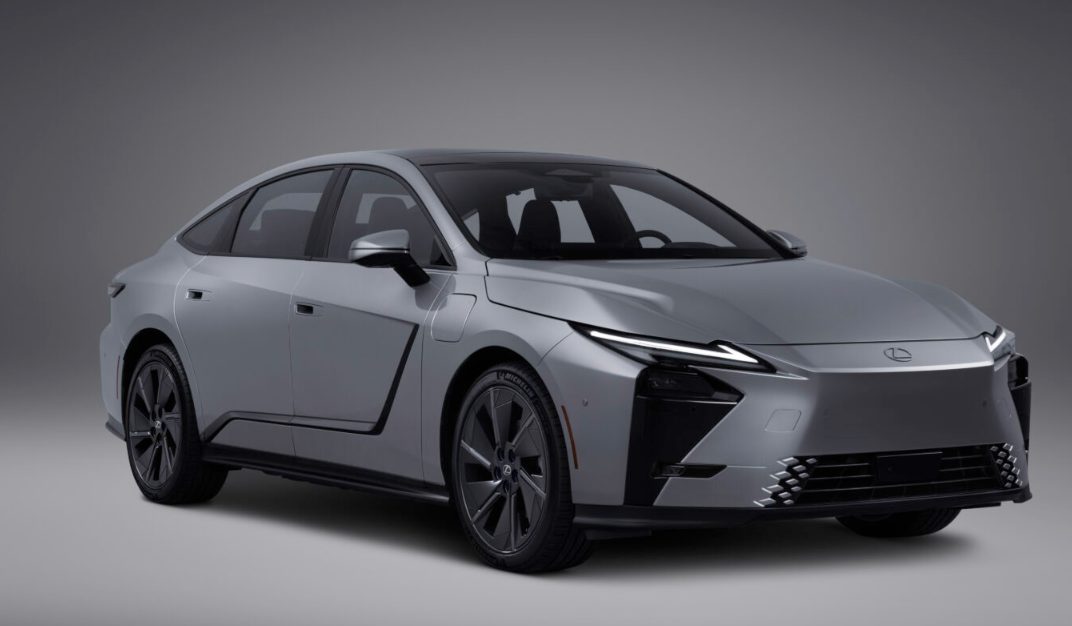
The ES uses a refined spindle grille treatment and sharper body lines to update Lexus’s design language without abandoning the conservative elegance its buyers expect. Triple-beam LED headlights create a distinctive signature, and the fastback-inspired roofline gives the traditional sedan a more dynamic silhouette than previous generations. A rising character line from front to rear creates visual movement in the side profile, while chrome window accents and flush door handles deliver the sophisticated appearance the ES’s luxury positioning requires.
2026 Lexus ES (Interior)
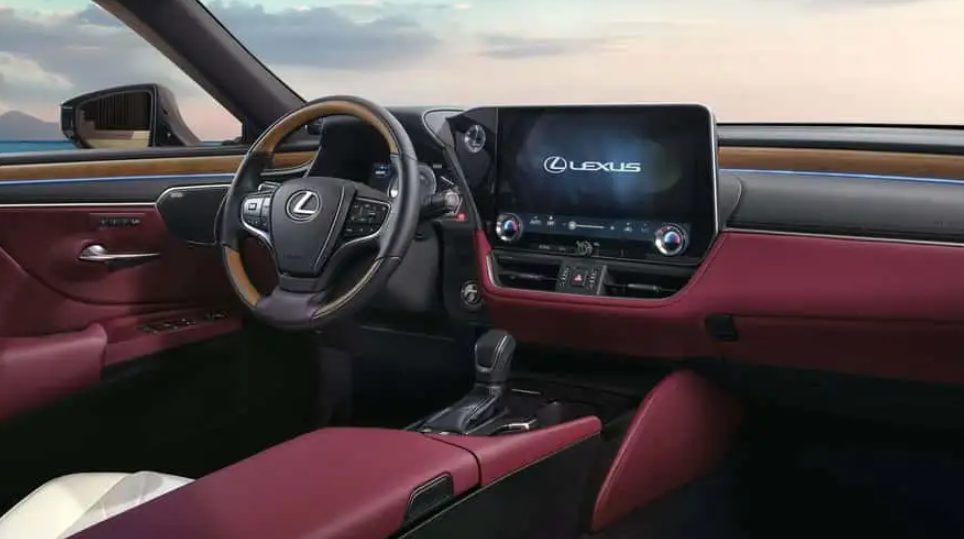
Semi-aniline leather seats with 14-way power adjustment and an asymmetrical dashboard that creates distinct driver and passenger zones define the ES cabin’s approach to comfort. Advanced noise cancellation working alongside acoustic glass produces an exceptionally quiet environment — the ES’s NVH refinement has always been a core purchase argument against German competitors at similar prices. The Mark Levinson premium audio system delivers 17-speaker coverage throughout the cabin, which is the specific technology integration that ES buyers consistently cite when explaining why they chose Lexus over the alternatives.
2. Jeep Recon (Exterior)
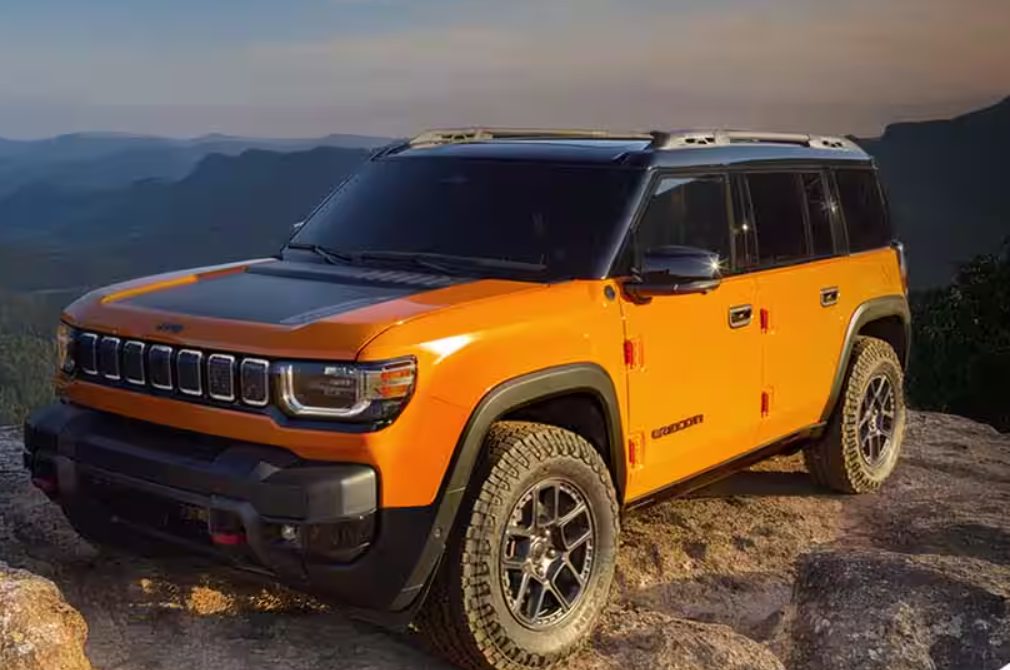
The Recon uses Jeep’s utilitarian design ethos directly — a boxy profile, illuminated seven-slot grille on electric models, and removable doors and roof panels that provide the open-air freedom Jeep’s buyer base expects regardless of powertrain. Protective skid plates shield critical components from trail damage, integrated roof rails support adventure gear, and high-mounted auxiliary lights extend nighttime off-road visibility. The exterior makes no concessions to crossover conventions — it is built to communicate what it is and does to the buyers who know exactly what they are looking for.
Jeep Recon (Interior)
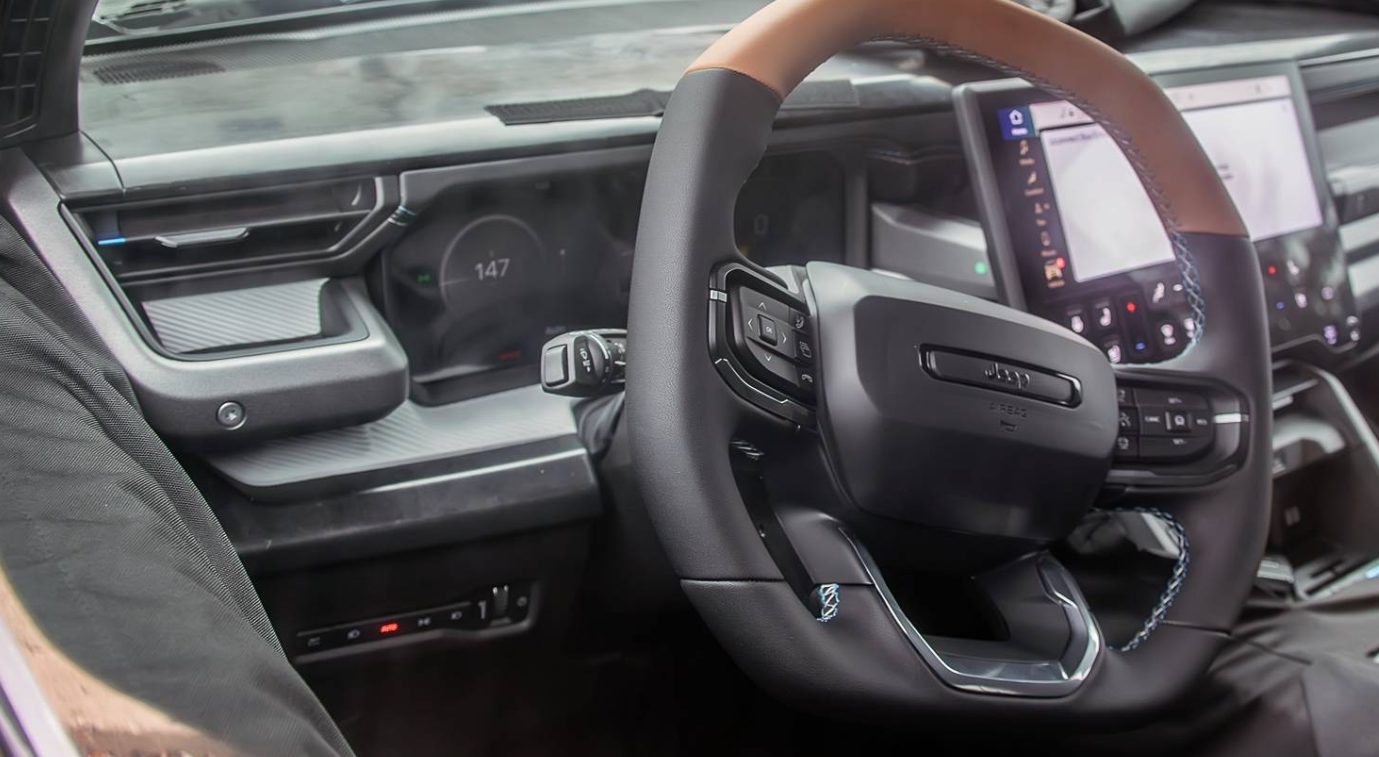
Washable rubber flooring and marine-grade upholstery that resists water and dirt address the practical reality of a vehicle whose doors come off on trails. A rugged touchscreen designed to operate with gloves maintains functionality in the conditions the Recon is built for. Multiple power outlets and USB ports support extended off-grid use, and a portable wireless speaker integrated into the dashboard removes and takes outside the vehicle — a feature that reflects genuine understanding of how Recon buyers will actually use the vehicle rather than how it photographs in a showroom.
1. Dodge Charger Daytona (Exterior)
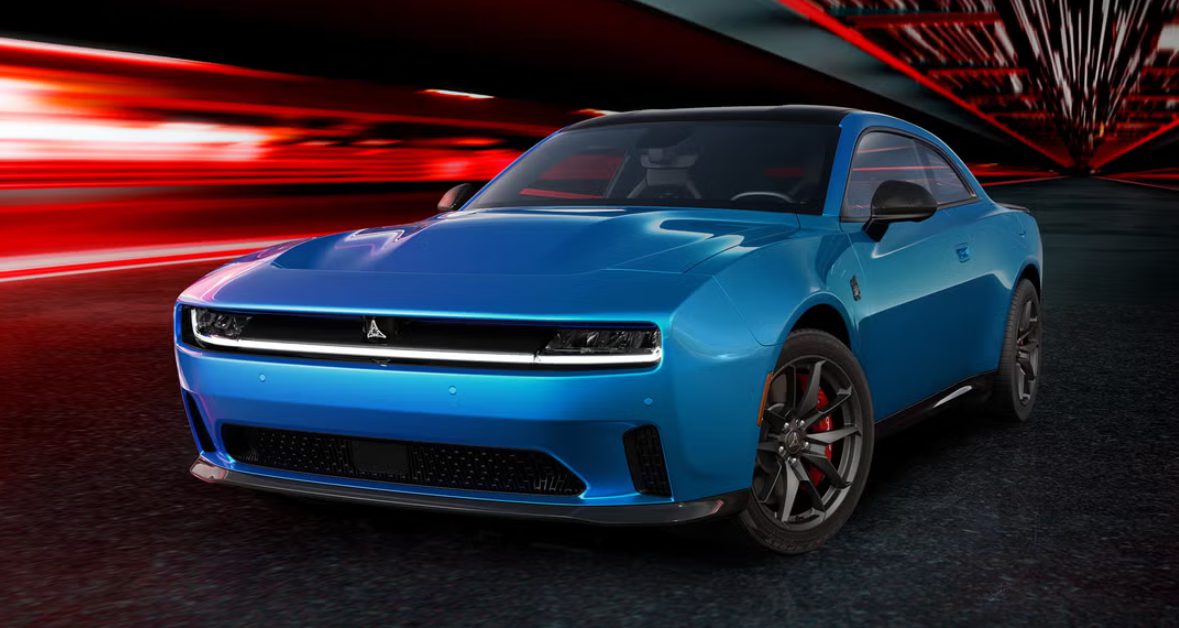
The Charger Daytona uses an R-Wing front aerodynamic pass-through that improves downforce and efficiency simultaneously — a functional design element that earns its presence. Muscular fenders house wide performance tires, and illuminated Fratzog logo badging revives a classic Dodge emblem for the electric era. The fastback profile incorporates a functional rear spoiler, and a full-width taillight panel with dynamic lighting patterns during vehicle startup sequences creates a theatrical experience that communicates the car’s performance character from the moment of ignition. Dodge has made a deliberate argument here that electric muscle cars should feel dramatic rather than restrained.
Dodge Charger Daytona (Interior)
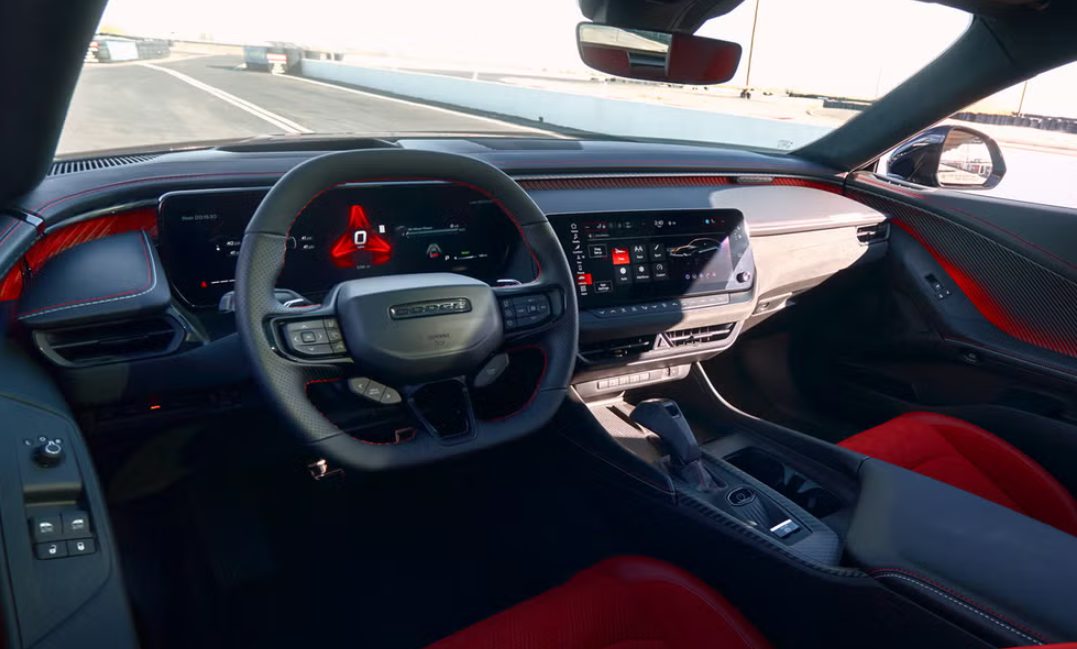
Bolstered performance seats with illuminated Daytona logos and a thick-rimmed flat-bottom steering wheel with controls for the PowerShot function — a temporary power boost for overtaking — define the driver’s position. The pistol-grip style drive mode selector in the center console references classic Dodge muscle car heritage directly. A fully digital dashboard displays performance metrics including a power flow meter visualizing the electric drivetrain’s real-time output. For buyers following where automotive technology goes beyond these models, this roundup of vehicles transforming transportation covers the broader direction the industry is heading.