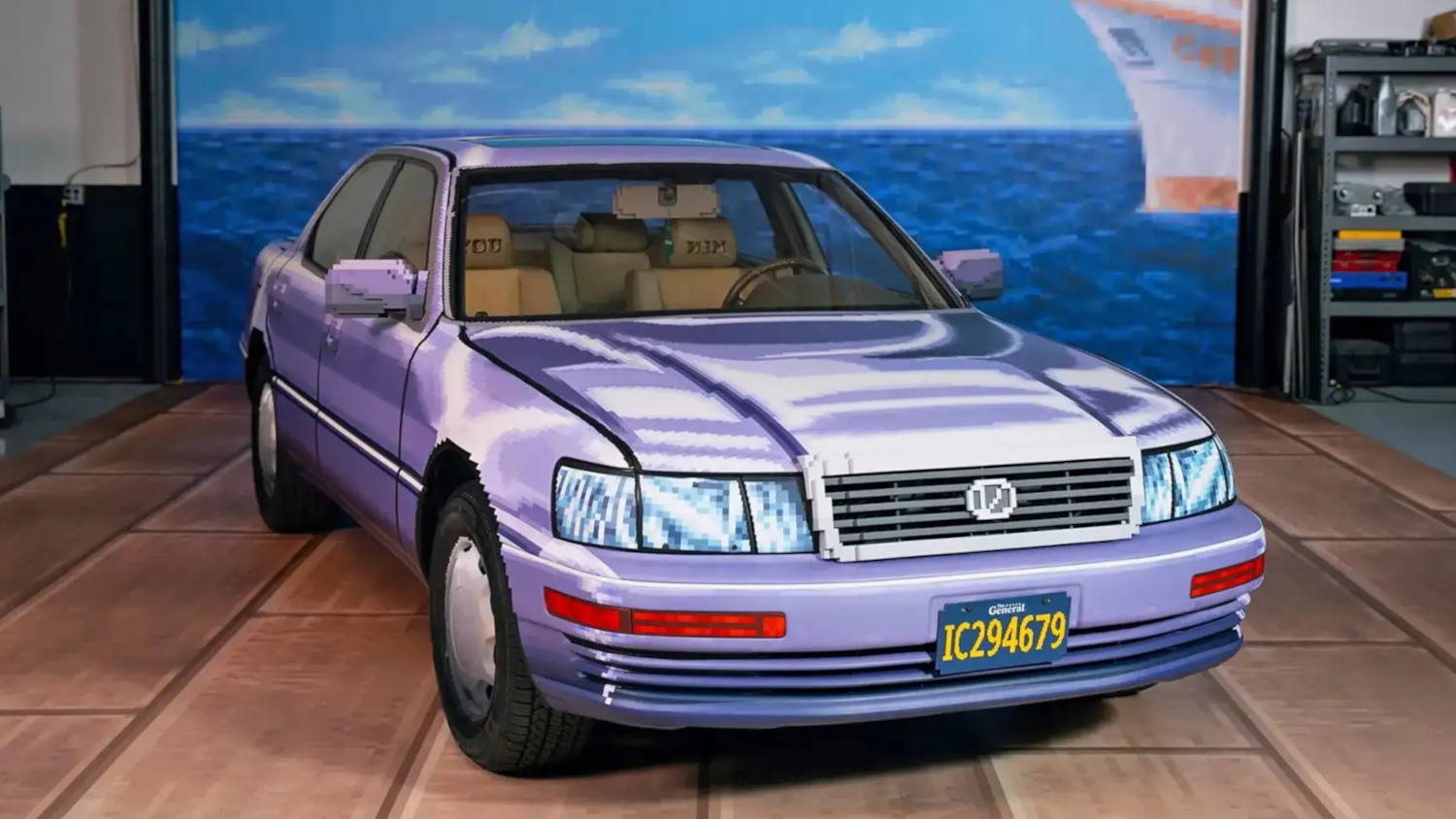


Two 15-year-olds climb into a Waymo robotaxi in San Mateo County. They’re messing around with a toy gun that fires Orbeez water beads. According to reporting and police statements, Waymo employees monitoring live interior-camera feeds observed what appeared to be a firearm. A remote staff member contacted police. The vehicle stopped. Officers detained the teenagers, who were later released to their parents. The “weapon”: a children’s toy.
Whether or not every decision was calibrated perfectly, the system performed as its designers intended.
What’s Actually Inside These Cars
Sensors, software, and a remote operator you’ll never meet have replaced the driver who used to exercise judgment in the moment.
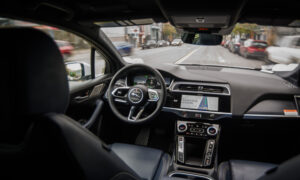
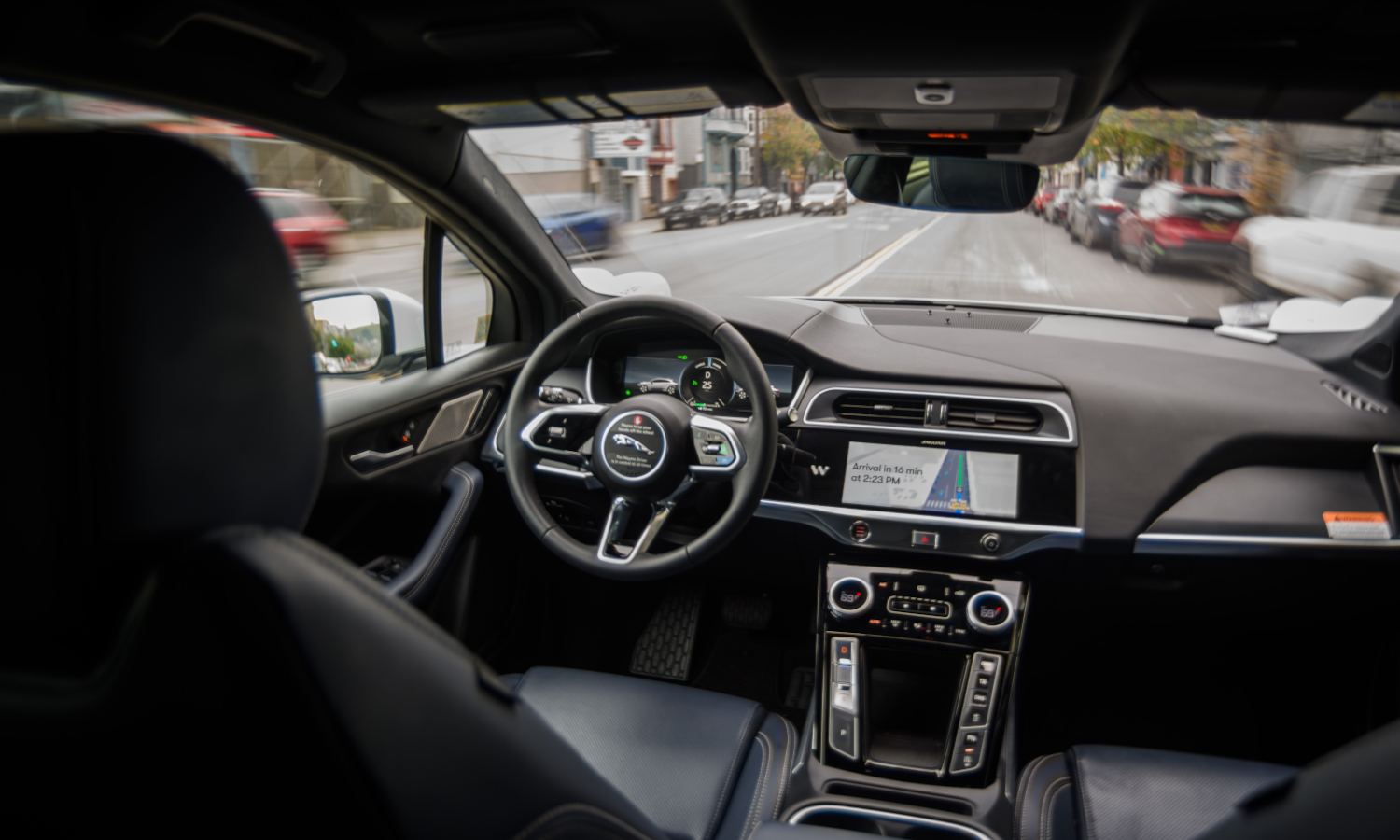
Waymo’s support documentation describes interior cameras that may be used to verify safe ride completion, check rule compliance, locate lost items, and support product improvement. Microphones activate during rider support calls or when passengers deliberately enable them — with stated technical safeguards limiting ambient voice collection. Support personnel may access live video during urgent circumstances, and automated systems may escalate observed events to remote human staff, who can then contact law enforcement. Think of those remote operators like content moderators: unseen, consequential, and operating well outside any passenger’s field of view.
Key facts worth knowing before the next ride:
- Waymo’s policy permits sharing data with law enforcement through valid legal processes; reporting indicates Zoox and Tesla hold comparable policies
- Zoox’s website, according to Wired reporting, describes interior cameras as recording the entire trip
- Waymo states it does not use facial recognition — yet, per Wired, its systems reportedly flagged a 35-year-old rider as a potential minor, requiring age verification
- Waymo says it may challenge overly broad government data requests, but the cited public materials do not specify concrete retention periods or passenger appeal mechanisms
That last point is where the real accountability gap lives. Waymo’s policies describe permitted uses and legal-process requirements. What those materials do not clearly explain: what automated threshold triggers human review, how long footage is stored, or exactly what standard law enforcement must meet before data is disclosed. “Valid legal process” covers considerable ground — and passengers currently have little visibility into where on that spectrum any given request might land.
You’re Not Just in a Car – You’re in a Data Node
The robotaxi’s cameras are one piece of a surveillance infrastructure that extends well beyond the vehicle’s interior.
License-plate readers, connected infrastructure, and networked sensors extend the data environment beyond whatever is happening inside the cabin. Zoox reportedly records full trips on interior cameras and may record customer service conversations. Waymo, Zoox, and Tesla each confirm that recordings can reach law enforcement under stated conditions. The question was never only whether that could happen — it’s whether riders have any meaningful visibility into when, why, and on what basis.
Read the privacy policy before climbing in. The gap between what a company permits and what it clearly discloses to riders is exactly where passenger rights — and risks — reside.