

Vehicle technology tends toward incremental improvement — faster processors in the infotainment, marginally better fuel economy, and additional driver assistance features. These eight solutions take different approaches: a six-wheel drivetrain conversion that transforms a production pickup into a platform capable of hauling three tons across rough terrain, electrochromic glass that eliminates glare without mechanical intervention, self-healing paint protection film, and a lighting system with enough configuration options to handle whatever comes at you in the dark. Some are consumer-accessible technology. Some are specialized commercial applications. All of them solve specific problems that conventional vehicle configurations do not address. Here is what each one actually does.
8. Toyota Hilux 6×6 Conversion
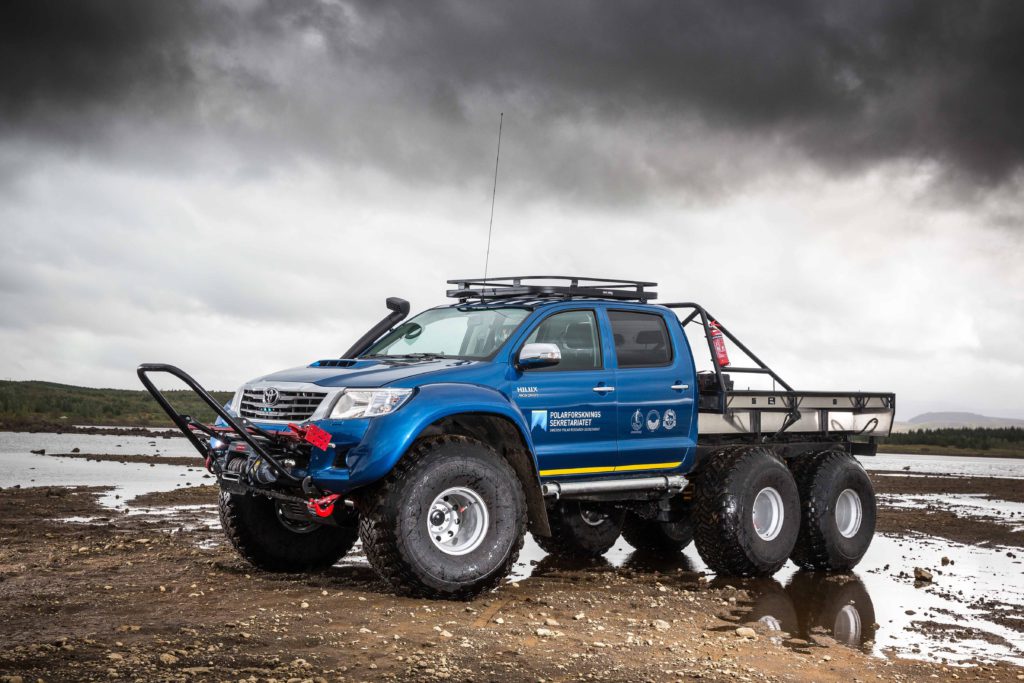
Six wheels, 3-ton payload capacity, and Toyota’s reliability baseline in a single platform.
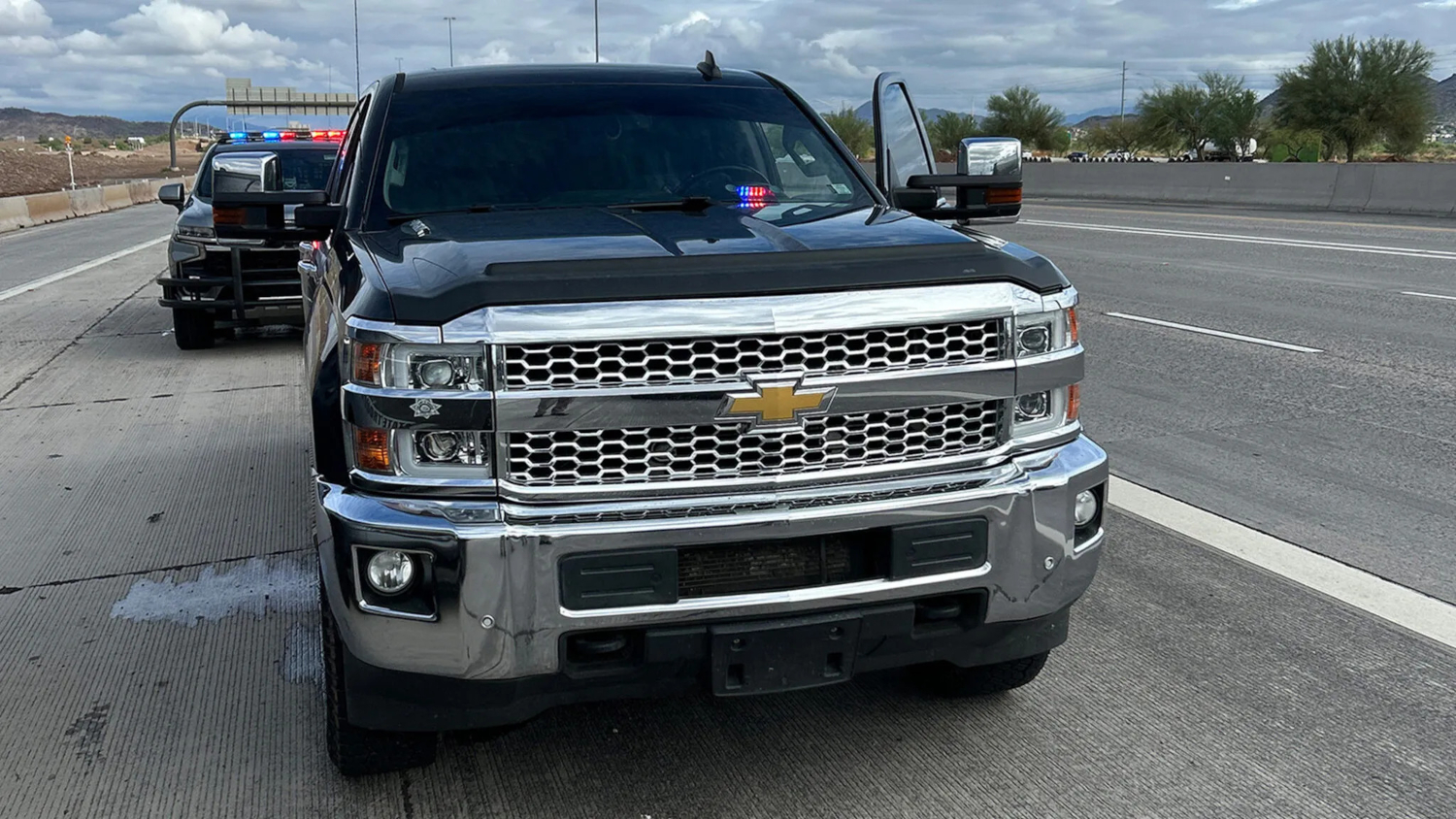
The Toyota Hilux 6×6 conversion by Australian firm Multidrive and UK-based Prospeed adds a third axle to the standard Hilux platform, producing a vehicle with payload capacity of 2-3 tons and gross vehicle mass reaching 6.5 metric tons. Fire departments have adopted this configuration specifically because it handles both urban infrastructure and remote terrain access within the same vehicle — eliminating the need for separate specialized platforms for different response scenarios. UK variants include fire pump configurations for rapid deployment. The conversion builds on Toyota’s production reliability record rather than replacing it, which is the specific engineering argument for choosing the Hilux as the base platform rather than a purpose-built heavy vehicle.
7. Gentex Dimmable Glass System
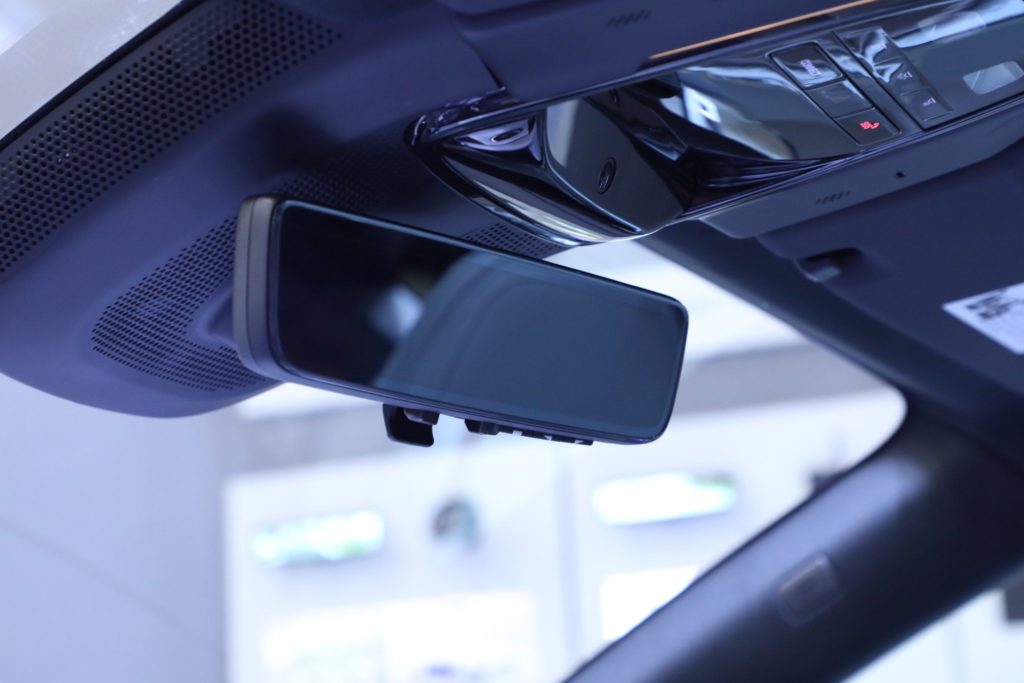
Electrochromic tinting that responds faster than mechanical sun visors and reduces AC load simultaneously.
Gentex’s electrochromic dimmable glass adjusts window tint electronically in response to ambient light and glare conditions — faster than a driver can locate and position a sun visor, and without obstructing any portion of the driver’s forward sightline. Mercedes-Benz deploys this system with built-in processors managing tint levels across windows and sunshades. The secondary benefit is thermal: reducing solar heat gain through windows decreases the cabin cooling load, which reduces AC demand and fuel consumption. The system addresses both the safety variable (glare) and the comfort variable (heat) with a single passive technology that requires no driver input once installed.
6. MOLLE System Storage Panels
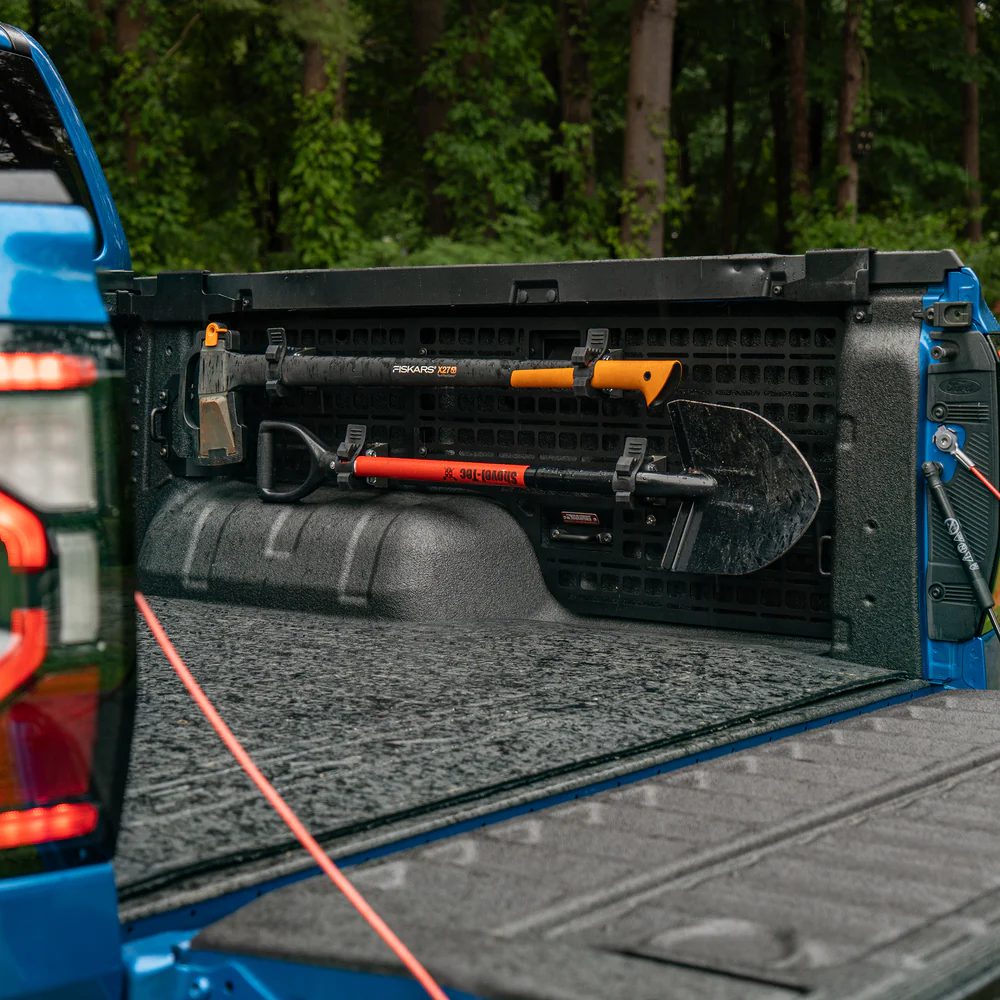
3.2mm steel panels that mount inside truck beds and cabs, with modular configuration for specific load requirements.
MOLLE-compatible 3.2mm thick steel storage panels mount inside truck beds and cab interiors, providing a modular attachment system for gear organization based on the military-developed MOLLE webbing standard. Designed specifically for platforms like the Ford Ranger, these panels create fixed attachment points for gear that would otherwise slide, shift, or stack unsecured in the bed. At approximately $625, they are a purpose-built organization solution rather than a general-purpose storage container — the MOLLE compatibility allows configuration changes as load requirements change without replacing the base panel. For tradespeople and off-road users who open their tailgate under time pressure and need specific gear immediately accessible, the panel system solves a consistent operational problem.
5. Storm Seeker Lighting System
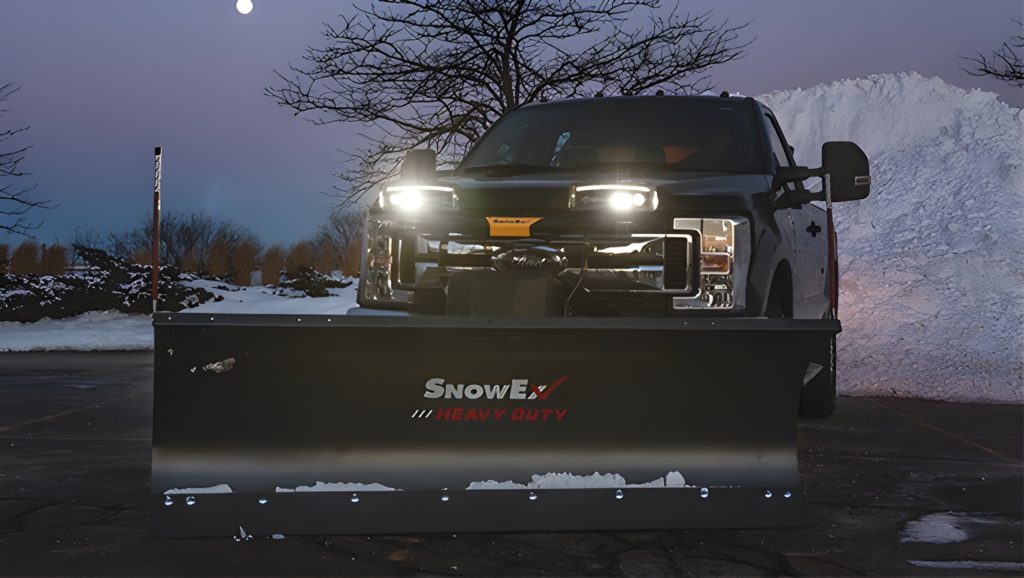
180° continuous illumination, 8 beam options, remote control, and LED or halogen variants depending on application.
The Storm Seeker system provides 180° continuous illumination coverage with 8 beam configurations, multiple brightness settings, adjustable aim points, and remote control operation — a specification set designed for work applications where a single fixed beam pattern does not cover the range of lighting requirements across different tasks and environments. The Seeker Hogen headlamp variant delivers enhanced brightness and extended throw compared to standard halogen options. This level of lighting configuration exceeds what most recreational users require but addresses the specific needs of operators who work in variable outdoor conditions where inadequate lighting has operational consequences beyond inconvenience.
4. LG In-Car Display
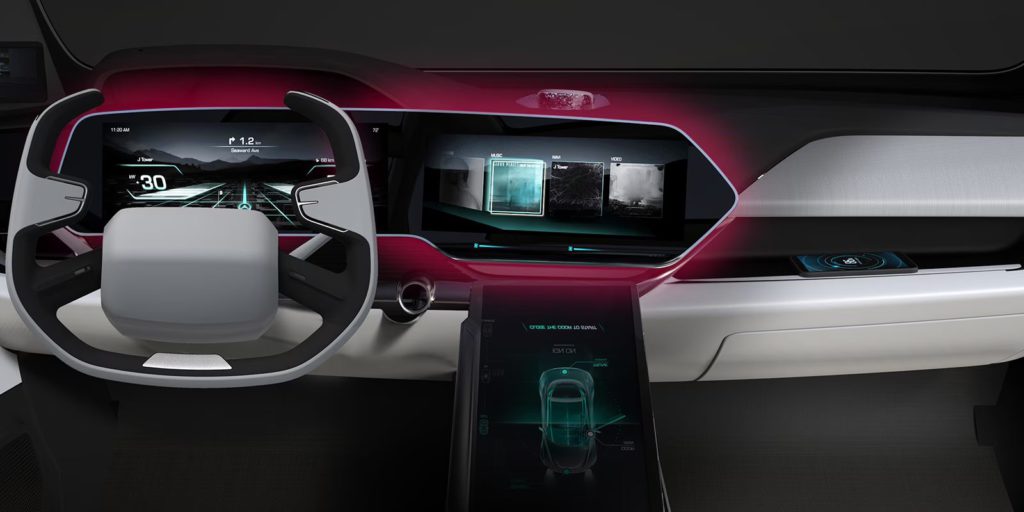
145cm primary display, flexible 81cm secondary screens in door panels and armrests, OLED technology consuming 40% less energy than conventional systems.
LG’s in-car display system centers on a 145cm primary screen with flexible 81cm secondary displays that integrate into door panels and armrests — OLED panels that consume 40% less energy than conventional display systems at equivalent output. The flexible screen technology allows door panel integration that rigid displays cannot achieve, distributing the entertainment and information display surface throughout the cabin rather than concentrating it in the dashboard. The tablet-to-laptop mode switching on the secondary displays addresses the mobile work use case that a growing number of vehicle occupants represent. This is passenger-focused technology rather than driver-focused — its value proposition is the cabin experience during travel rather than the driving experience.
3. AccuAir Suspension Systems
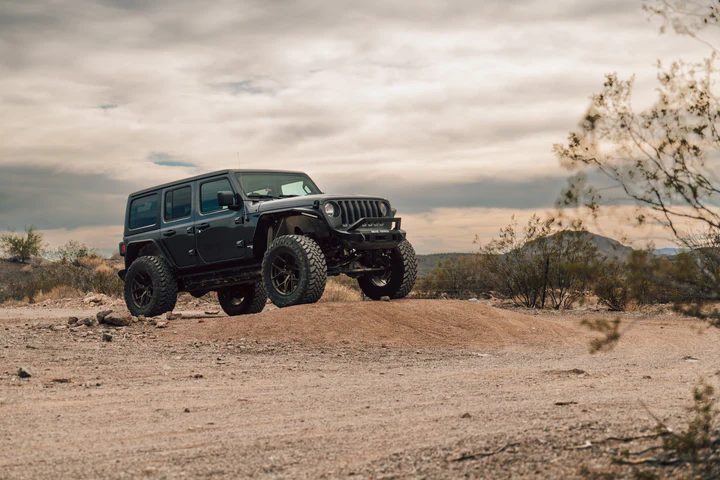
Bluetooth 5.0 remote and smartphone app control over ride height adjustment across multiple preset modes.
AccuAir’s air suspension management system provides Bluetooth 5.0 and smartphone app control over pneumatic ride height adjustment — delivering the same variable height capability that high-end OEM air suspension systems offer, applied as an aftermarket solution to vehicles that did not include it from the factory. The practical utility covers the range from low-clearance parking situations where reduced ride height is operationally useful to highway cruising where ride height affects both handling dynamics and fuel economy. Installation across thousands of vehicles documents a reliability baseline beyond a concept stage. The system makes ride height adjustment as accessible as adjusting audio settings — a functional change in how drivers interact with their vehicle’s configuration.
2. Advanced Paint Protection Films
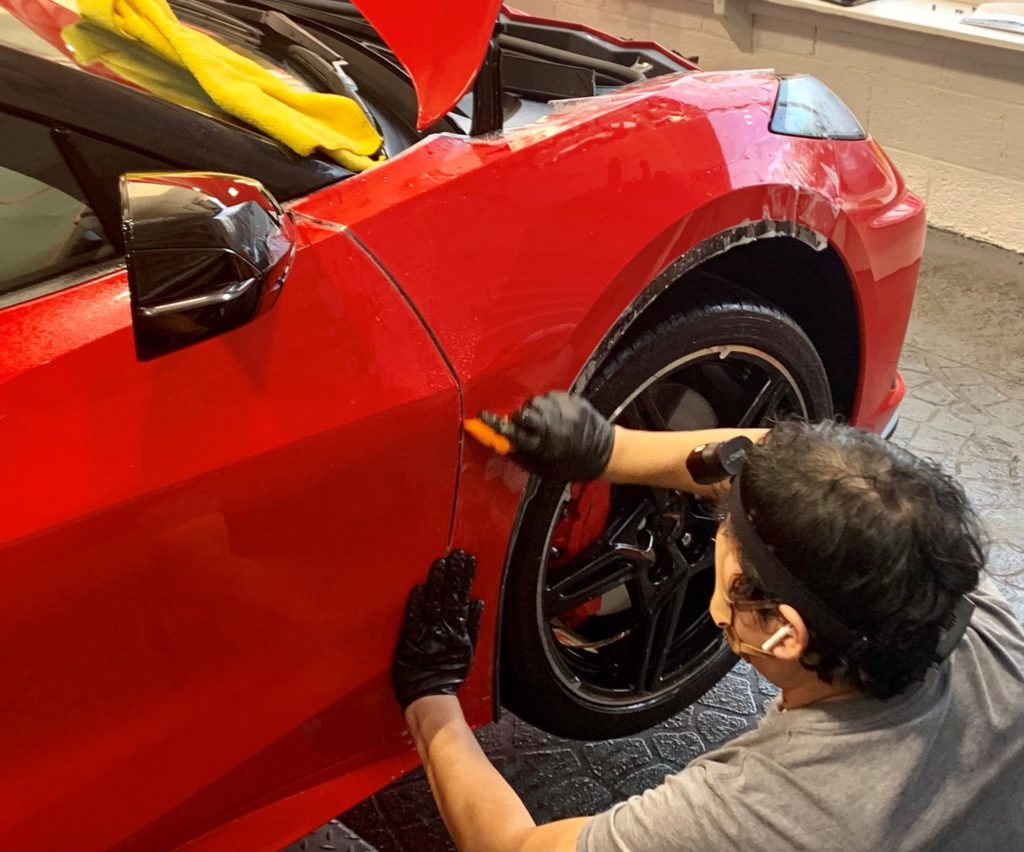
Self-healing urethane film that handles road debris, bird acid, and road salt while regenerating minor surface damage with heat exposure.
Current-generation paint protection film uses thermoplastic urethane with self-healing topcoats that flow back into surface scratches when exposed to heat from sunlight or the engine bay. The film handles the specific chemical hazards that degrade automotive paint most rapidly — bird droppings, road salt, tree sap, and stone chips — by providing a sacrificial surface layer that absorbs damage instead of the underlying clearcoat and paint. The self-healing property addresses the limitation of earlier PPF generations that showed scratch and swirl accumulation over time. For vehicles where paint condition directly affects resale value, the long-term cost comparison between PPF installation and paint correction or panel respray is the relevant calculation, and it consistently favors protective film applied early in the vehicle’s life.
1. Professional Salt Spreading Systems
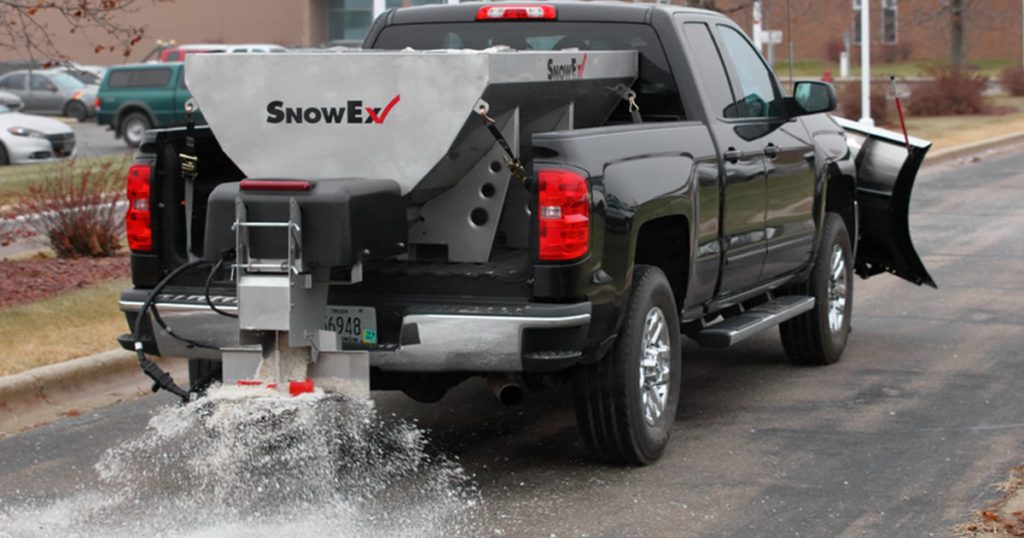
9.1-meter spread width, 0.5 cubic meter hopper capacity, helix distribution system — approximately $6,000 installed.
Pickup-mounted salt spreader systems with helix distribution cover lanes up to 9.1 meters wide in a single pass from a 0.5 cubic meter hopper — a specification that addresses commercial road maintenance requirements rather than residential driveway use. At approximately $6,000, these systems convert a standard pickup truck into a functional deicing platform capable of treating roads at scale, which eliminates the need for a dedicated municipal-style spreader vehicle for operators who need the capability seasonally rather than year-round. The efficiency argument is direct: coverage rate and material distribution consistency from a helix system substantially exceed manual spreading methods, and the pickup platform allows the same vehicle to serve other functions outside winter maintenance season.