

A simple temperature guideline could prevent winter crashes, but most drivers have never heard of it.
The Hidden Safety Rule That Could Save Your Life
Most drivers think all-season tires handle everything, but physics disagrees when temperatures drop.
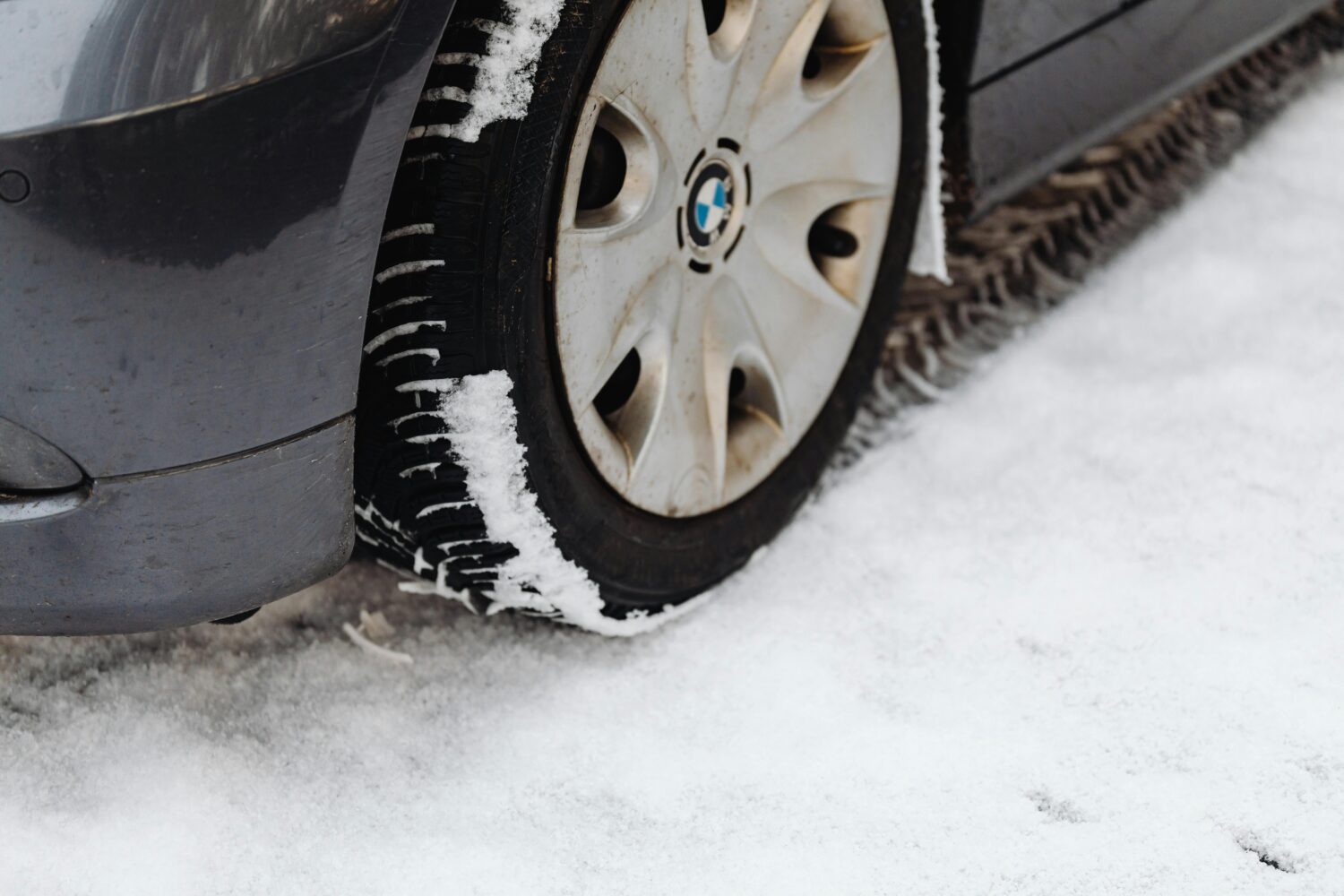
Your tires lose their grip long before the first snowflake falls. The 7-7 rule—a guideline used across Canada and cold-climate regions—states you should switch to winter tires when average daily temperatures stay at or below 7°C (45°F) for seven consecutive days. Switch back after seven days consistently above that threshold.
This isn’t tire company marketing speak. Rubber chemistry is brutally simple: all-season and summer tires harden below 7°C, losing traction even on dry pavement. Picture merging onto a highway ramp at 7°C with hardened all-seasons—like trying to stop with hockey pucks instead of sneakers.
The Numbers Don’t Lie About Winter Tire Performance
Research reveals dramatic safety improvements that most drivers never realize they’re missing.
Manitoba Public Insurance analyzed 111,872 vehicles and found winter tires reduce crashes by 6.3%. When Traffic Injury Research Foundation studies show winter tires deliver 25-34% better braking and acceleration performance at -2°C compared to all-seasons, the stopping distance difference becomes crucial. Seven meters shorter—roughly the length of two parking spaces.
Winter tires use softer rubber compounds designed to stay flexible in cold conditions. Their deeper treads bite into snow and slush while maintaining road contact on ice.
Meanwhile, your hardened all-season tires are essentially sliding on the surface like a curling stone. Canadian studies found winter tires contribute to 5% fewer injuries and 3% fewer deaths nationally. Perhaps that’s why 84% of Canadian drivers report winter tires prevented accidents or loss of control.
Timing Your Tire Switch Like a Pro
Smart drivers monitor temperature trends instead of waiting for the first storm.
The 7-7 rule prevents the annual tire shop rush that happens after the first surprise snowfall. Track your local seven-day forecast and book your appointment early. Check your weather app’s 7-day forecast tonight to avoid the scramble.
Winter tires wear faster above 7°C—especially on dry roads above 15°C (60°F)—so timing matters for both safety and wallet. Some drivers opt for all-weather tires as a compromise, suitable for occasional cold snaps without the twice-yearly swap. But if you’re facing consistent winter conditions, dedicated winter tires remain the gold standard for grip and control.
Your morning commute shouldn’t be a gamble on whether your tires can handle the road. The 7-7 rule takes the guesswork out of winter driving safety.