

While YouTube mechanics make swapping Pepsi for antifreeze look harmless, the reality involves serious mechanical consequences that extend far beyond the initial pour. This viral automotive stunt could lead to thousands in engine repairs once the entertainment value wears off.
Why This Stunt Tempts DIY Mechanics
The appeal combines accessibility with automotive curiosity, but chemistry tells a different story.
Pepsi contains phosphoric acid and sugar compounds that create immediate problems in cooling systems designed for ethylene glycol-based coolant. Real coolant manages heat transfer, corrosion prevention, and system lubrication across extreme temperatures. Cola offers none of these protections and introduces corrosive elements that attack metal components.
Key mechanical risks include:
- Sugar caramelization creates system blockages
- Immediate loss of freeze protection
- Complete cooling system contamination requiring professional flush
The Hidden Costs Behind Viral Content
Entertainment value crashes when repair bills arrive.
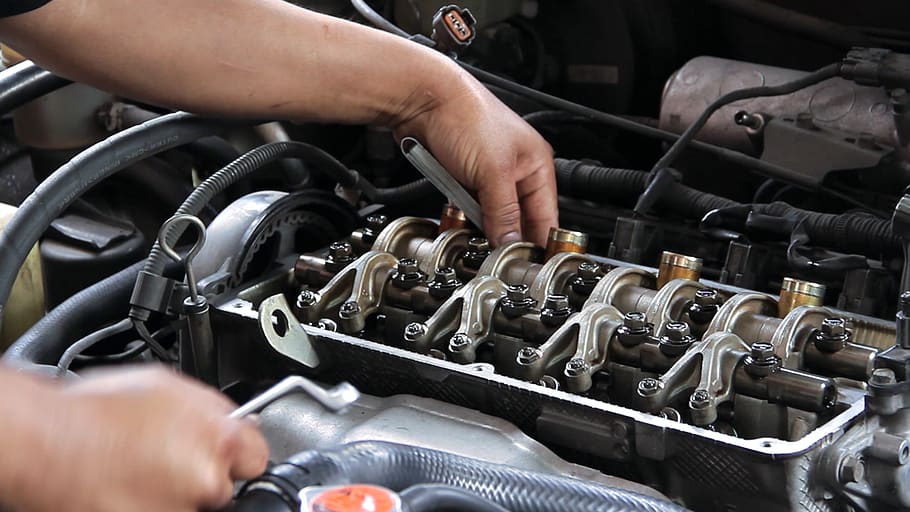
Sugar residue requires complete system disassembly, while acid corrosion can destroy radiators, water pumps, and thermostats. Professional cooling system contamination repairs create significant expenses that far exceed the temporary entertainment of a cola experiment.
Automotive chemistry expert recommendations remain consistent: use manufacturer-specified coolant designed for your engine’s metallurgy and operating conditions. The temporary entertainment of a cola experiment rarely justifies the permanent damage to precision-engineered cooling systems.
Your engine deserves better than becoming internet content. Stick with proven coolants that actually protect your investment rather than destroying it for views.