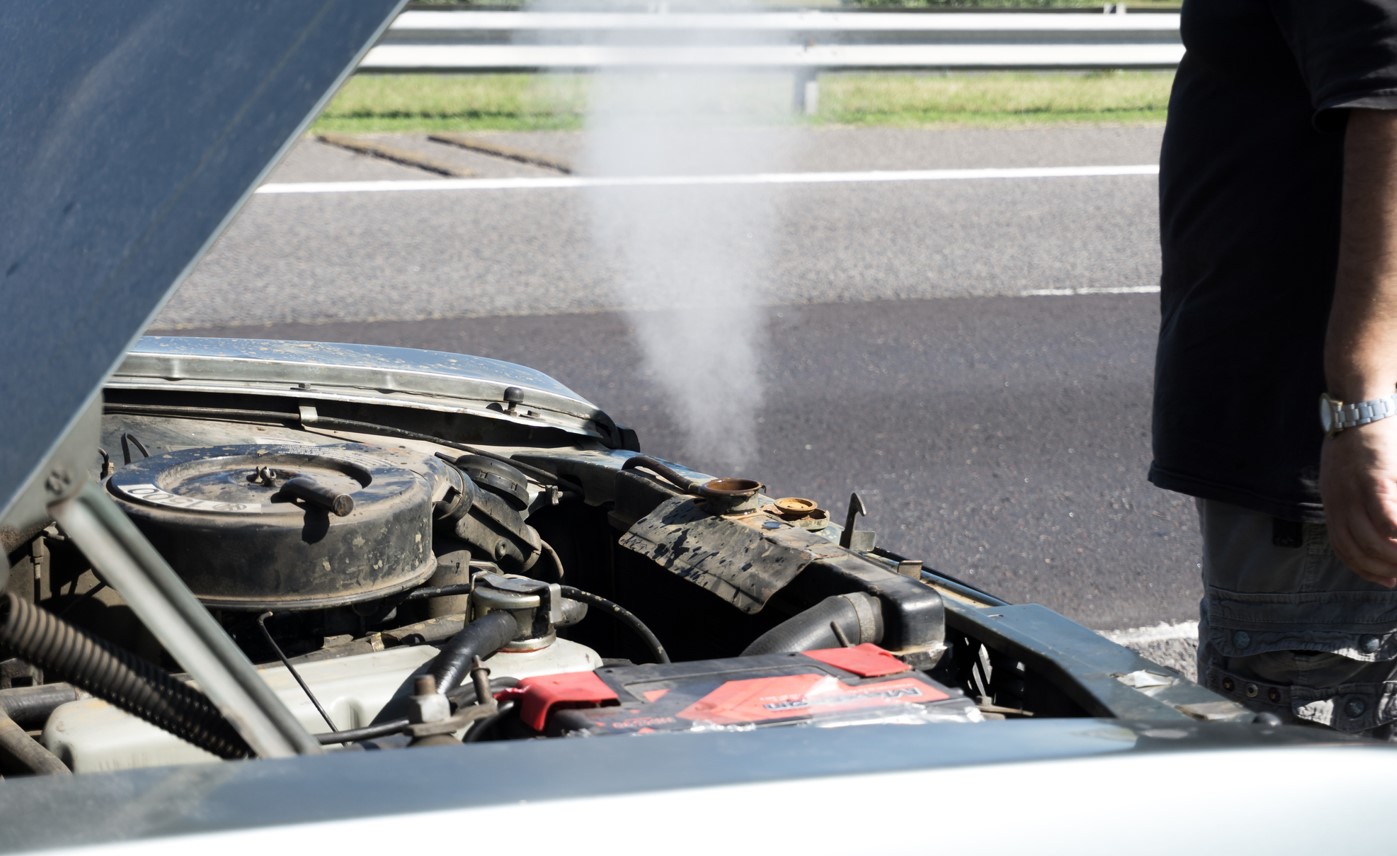


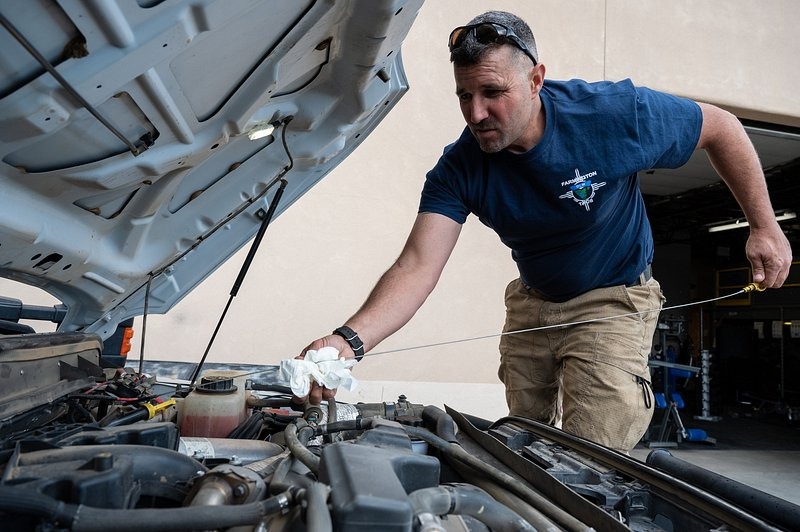
Your car is trying to tell you something.
Listen to it.
That ticking noise isn't ambiance. The slight pull to the left isn't a quirk. And that burning smell definitely isn't normal.
The average driver spends $1,350 annually on maintenance. Pocket change compared to what neglect will cost you.
The Five-Minute Checks That Save Thousands
Oil is your engine's lifeblood. Check it monthly. Change it every 5,000-7,500 miles. Ignore this and you're shopping for a new engine at $4,000+.
Fluids speak volumes about your car's health. Low brake fluid? Your stopping power is compromised. Dirty transmission fluid? Congratulations on your upcoming $3,500 rebuild.
Tires tell tales through their wear patterns. Check pressure monthly. Rotate every 5,000-10,000 miles. Uneven wear means alignment issues that eat rubber and destroy handling.
Battery death always happens at the worst possible moment. Test it with a multimeter or have it checked free at most auto parts stores.
The Warning Signs Only Fools Ignore
Your brakes are screaming for attention. Literally.
- Squealing means wear indicators are touching rotors
- Grinding means metal-on-metal contact is destroying components
- Soft pedal feel indicates air in the lines or failing master cylinder
Belts and hoses fail catastrophically and without warning. Inspect them at every oil change. A $20 belt can prevent a $2,000 roadside disaster.
The Maintenance Sweet Spot
The RAC's FORCES acronym covers the essentials:
- Fuel
- Oil
- Rubber (tires)
- Coolant
- Electrics
- Screen wash
Professional inspection every six months catches what you miss. It's $100 well spent versus thousands in avoidable repairs.
Filters are cheap insurance. A clogged air filter kills performance and economy. A plugged cabin filter makes your car smell like gym socks.
Spark plugs dictate how efficiently your engine converts dinosaur juice into forward motion. Replace them at intervals specified in your manual.
Your car doesn't care about your financial situation when it decides to break down. But it gives plenty of warning before it does.
Pay attention now or pay mechanics later.