

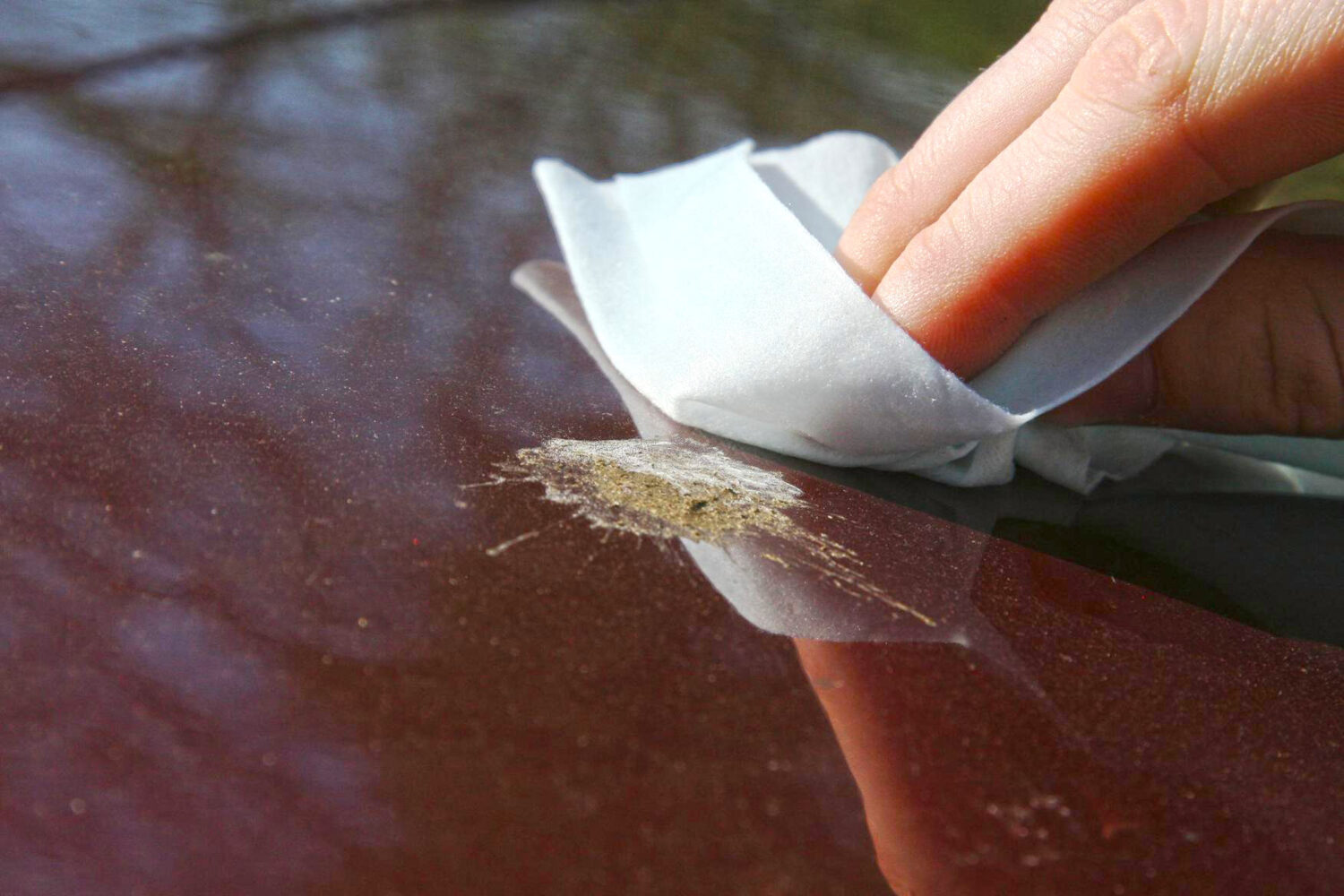
That white splatter on your hood isn’t just unsightly—it’s actively eating through your clear coat. Bird droppings pack a chemical punch that can permanently etch automotive paint in less than 48 hours under warm conditions, turning a quick cleanup into an expensive repair bill.
The Acid Attack on Your Paint
Bird waste delivers concentrated uric acid that etches clear coats faster than you think.
Unlike mammalian waste, bird droppings combine solids with highly concentrated uric acid, creating a pH level between 3 and 4.5—acidic enough to dissolve paint protection, according to automotive detailing experts. Heat accelerates this destruction. When your car bakes in the sun, thermal expansion and contraction work the acid deeper into the clear coat, creating permanent etching that resembles tiny craters.
Automakers know this threat well. Industry testing shows they simulate bird dropping damage in laboratories, applying artificial waste to test panels and subjecting them to heat lamps that mimic summer parking conditions. This isn’t theoretical—it’s measurable paint degradation happening on your driveway.
Immediate Removal Protocol:
- Soften fresh droppings with a damp microfiber cloth—dab and lift, never rub
- Rinse thoroughly with clean water to remove acid residue
- Apply detailing spray and rewax the affected area immediately
- For dried deposits, soak under wet towel with warm water and baking soda
- Use light polishing for etching damage; severe cases need professional assessment
Remember to wear gloves when handling bird droppings, as uric acid and potential pathogens can cause skin irritation. Wash hands and launder towels immediately after cleaning.
Defense Strategies That Actually Work
Smart parking and protective coatings beat expensive paint correction every time.
Prevention costs less than repair. Regular waxing creates a protective barrier that absorbs initial acid attack, buying time for removal before clear coat exposure. Ceramic coatings offer longer-lasting protection, while paint protection films provide the ultimate defense—aviation-grade solutions that handle bird strikes at 500 mph work just fine for parking lot encounters.
Strategic parking matters too. Those convenient spots under power lines and fruit trees come with hidden costs. Positioning your car away from prime bird territory significantly reduces exposure risk.
The takeaway? Fresh bird droppings require immediate attention, but the right protection and quick action keep minor incidents from becoming major headaches. Your paint job depends on understanding that damage window—and respecting it.