

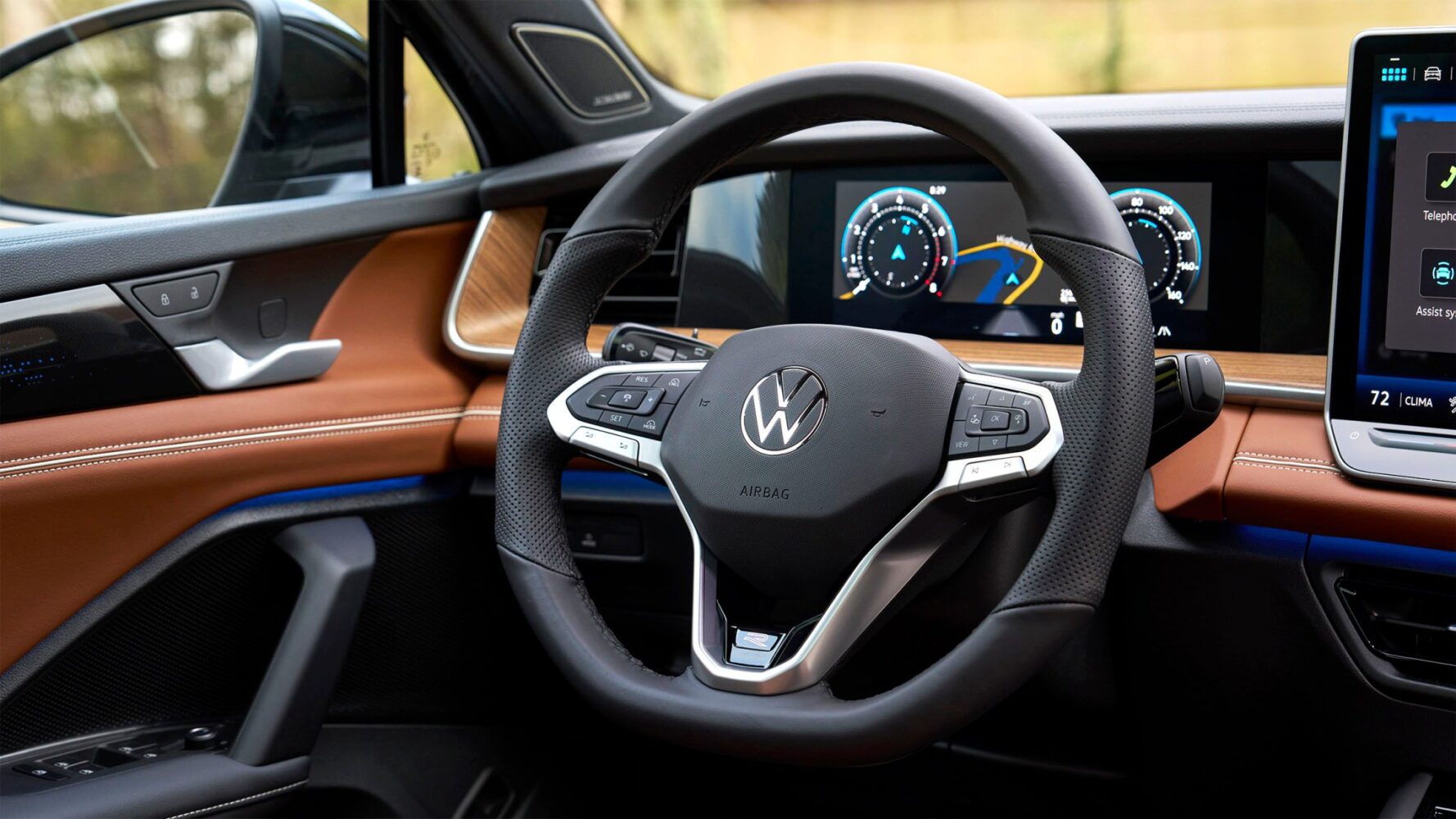
Forget sleek, minimalist car interiors that look like spaceships. Volkswagen CEO Thomas Schäfer just declared war on touch-sensitive sliders and flush door handles, calling physical buttons and traditional handles “absolutely non-negotiable.” Speaking at a VW brand event in Hamburg, Schäfer essentially admitted what frustrated drivers have been saying for years: some design trends prioritize Instagram aesthetics over actual usability.
When your hands are full of groceries and you can’t figure out how to open your $50,000 EV, something’s gone wrong.
Back to Basics: Physical Controls Return
VW’s upcoming models ditch confusing touch interfaces for buttons you can actually feel.
The reversal affects everything from steering wheel controls to door mechanisms. New concepts like the ID. Polo and ID. Cross feature traditional door handles alongside physical buttons for volume, window controls, and climate settings.
Schäfer has been particularly brutal about flush pop-out door handles, calling them “terrible to operate” based on dealer and media feedback. The company now uses in-car camera data to track how drivers actually interact with controls—and the results apparently weren’t pretty for their buttonless designs.
Data-Driven Design Awakening
Customer complaints and usage analytics convinced VW to abandon its minimalist experiment.
“There’s two things that are absolutely non-negotiable for me: door handles and buttons. I don’t understand why anybody would have [touch-sensitive] sliders,” Schäfer stated, delivering what amounts to an automotive mea culpa.
This isn’t just executive preference—it’s damage control. VW’s previous ID. models and the Mk8 Golf alienated core customers with their buttonless designs, forcing the brand to acknowledge that intuitive beats innovative when you’re driving. The shift reflects broader industry pushback against the Tesla-inspired race toward minimalism, where every surface became a touch screen regardless of practicality.
Like admitting your cryptocurrency investment was a mistake, VW’s embrace of physical controls signals maturity over trendiness. Future models will prioritize what Schäfer calls “sustainable, pleasing, and simple” design—basically, cars that don’t require a tutorial. For mainstream drivers who just want their vehicles to work intuitively, this represents a rare victory of common sense over Silicon Valley aesthetics.