

The gap between a reliable SUV and a money pit often reveals itself around the 100,000-mile mark. Real durability shows up in maintenance records, not marketing copy. Strong resale value, proven powertrains, and documented longevity separate vehicles that deliver decades of service from those that drain bank accounts. Below are eleven models backed by engineering credibility and two popular choices that frequently disappoint owners with expensive repairs and chronic failures.
1. Subaru Outback
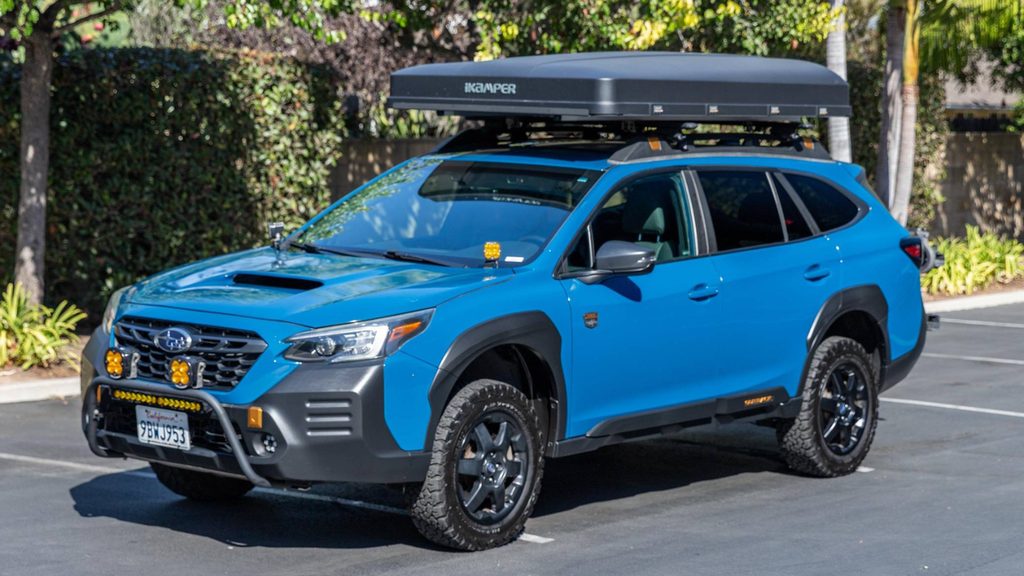
Symmetrical AWD and the BOXER engine deliver wagon practicality with crossover capability.
Introduced in the United States in 1994 and established as its own model line in 1996, the Subaru Outback combines raised ground clearance, wagon-like utility, Subaru’s horizontally opposed BOXER engine, and standard Symmetrical All-Wheel Drive. Modern versions use a 2.5-liter flat-four or a turbocharged 2.4-liter flat-four paired with a CVT. The turbo engine produces 260 horsepower.
A major used-buying consideration centers on service history, especially CVT-fluid maintenance and cooling-system condition on older 2.5-liter models. The Outback is technically a crossover wagon rather than a conventional body-on-frame SUV. Its balanced engineering and durable drivetrain help explain why well-maintained examples can deliver high mileage when owners stay on top of required service intervals. Strong resale retention over five years reflects buyer confidence in the platform’s reliability record.
2. Hyundai Santa Fe
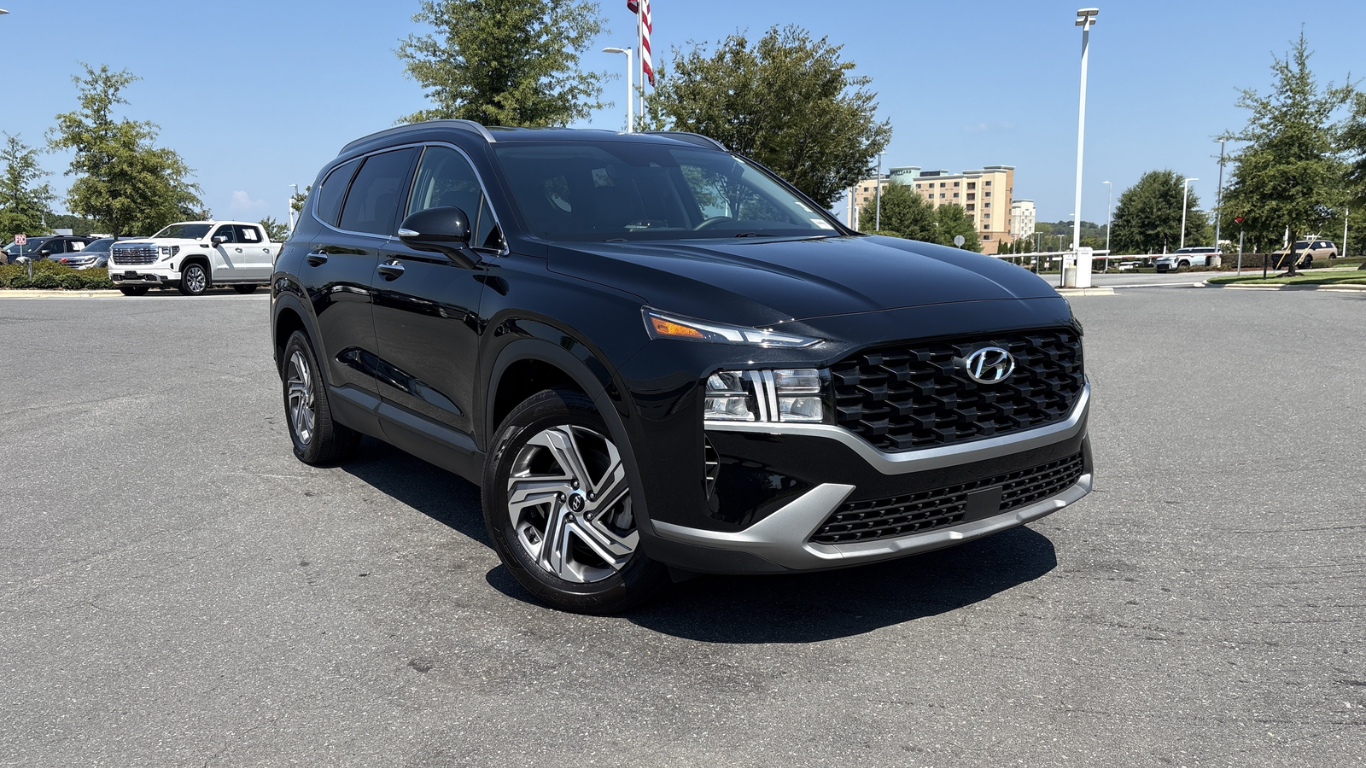
Hyundai’s 10-year powertrain warranty signals engineering confidence and long-term durability.
First introduced for the 2001 model year, the Santa Fe helped establish Hyundai in the mainstream SUV market. It has been sold with four-cylinder, V6, turbocharged, hybrid, and plug-in-hybrid powertrains depending on generation. Used examples require careful engine and recall-history checks, particularly certain Theta II four-cylinder vehicles associated with engine-related recalls and warranty extensions.
iSeeCars’ longevity research lists the Santa Fe among vehicles with a potential lifespan exceeding 200,000 miles. Hyundai’s comprehensive warranty coverage for qualifying original owners provides added peace of mind. Buyers should verify complete service records and confirm that any applicable recalls or warranty campaigns have been addressed before purchase.
3. Mazda CX-5
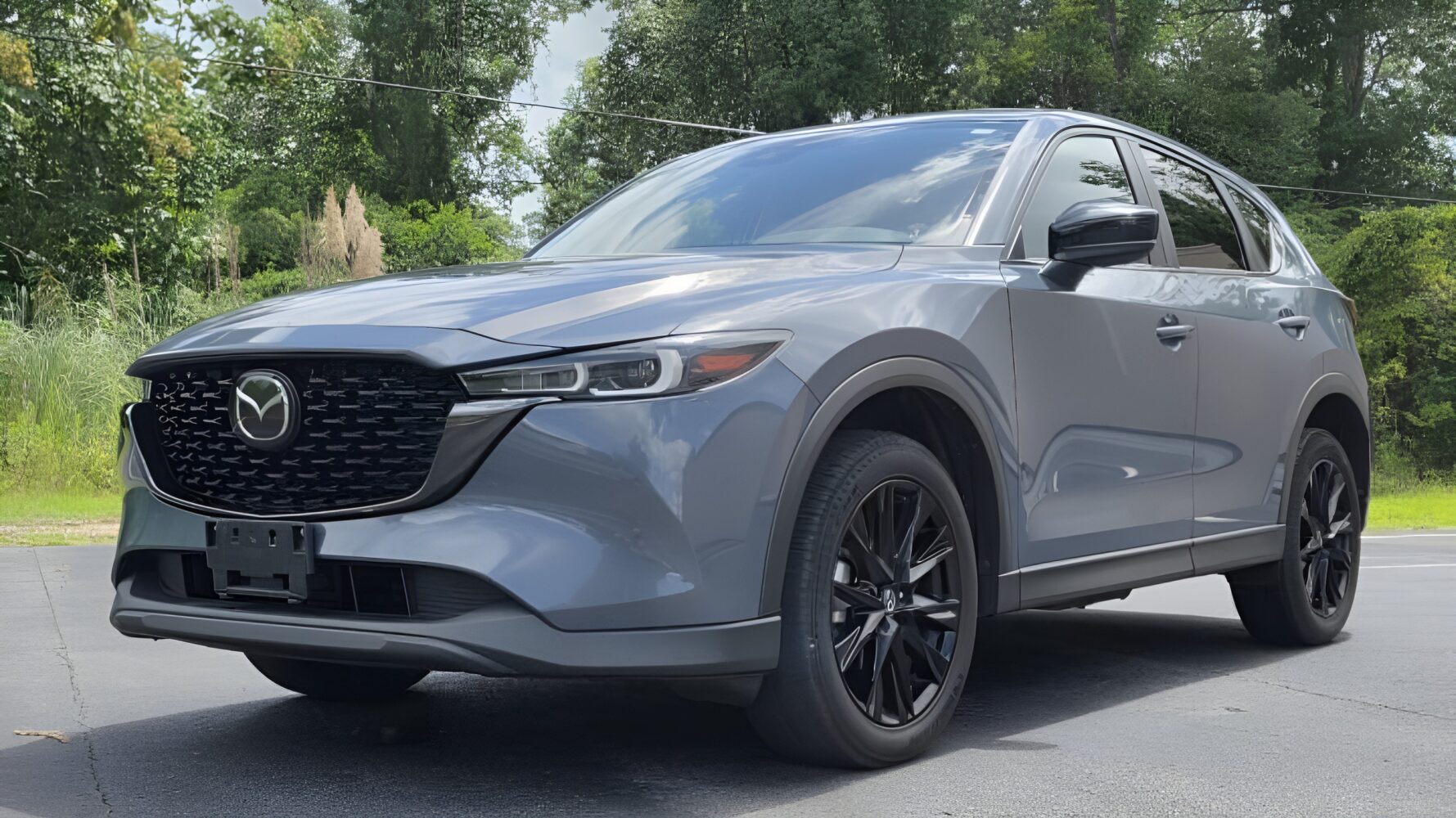
Traditional automatic transmissions avoid the costly CVT replacements common in many competitors.
Introduced for the 2013 model year, the CX-5 became one of Mazda’s core global products. Unlike many competitors that use CVTs, CX-5 gasoline models have generally used conventional automatic transmissions, including six-speed torque-converter automatics. Engine choices have included naturally aspirated 2.5-liter four-cylinders and a turbocharged 2.5-liter four-cylinder in higher-output versions.
Turbo models require especially consistent oil and maintenance service, while all used examples should be evaluated through complete service records. The mechanical simplicity of a traditional automatic helps reduce long-term ownership costs compared with CVT-equipped rivals. Strong resale retention and solid build quality make the CX-5 a practical choice for buyers prioritizing longevity over flashy features.
4. Honda CR-V
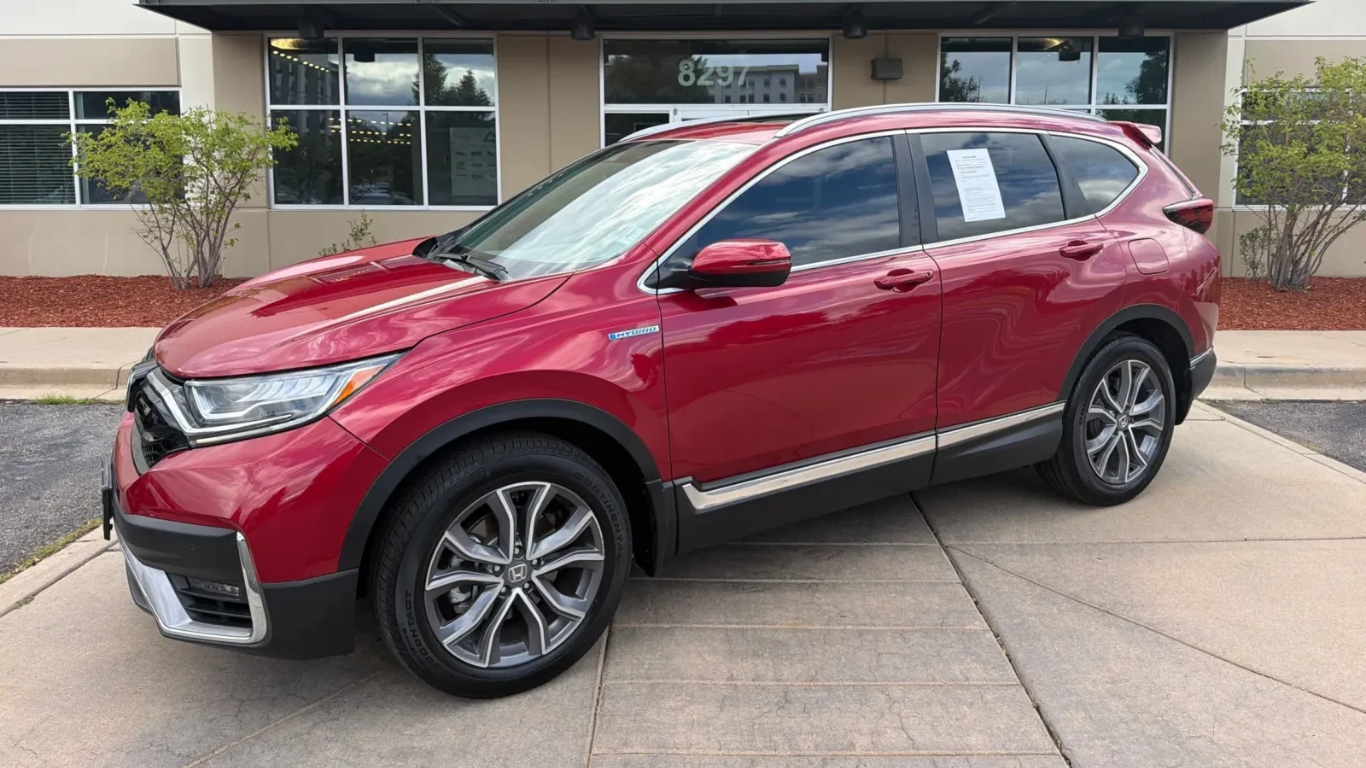
Proven packaging, fuel economy, and resale demand define Honda’s compact crossover workhorse.
The CR-V has been sold in the United States since the 1997 model year. It has used four-cylinder gasoline engines, hybrid powertrains, and (on some generations) a CVT. The model is widely recognized for strong packaging, fuel economy, and resale demand. Used buyers should investigate CVT-fluid service and, on certain 2017–2019 1.5-liter turbo vehicles, cold-weather oil-dilution complaints and related software or warranty actions.
iSeeCars longevity research identifies the CR-V as one of the two-row SUVs appearing among vehicles capable of reaching very high mileage. Routine maintenance and attention to transmission service help maximize lifespan. Safety ratings vary by model year and configuration; buyers should verify specific awards and crash-test results for the year under consideration rather than assuming consistent performance across all generations.
5. Acura RDX (second generation, 2013–2018)
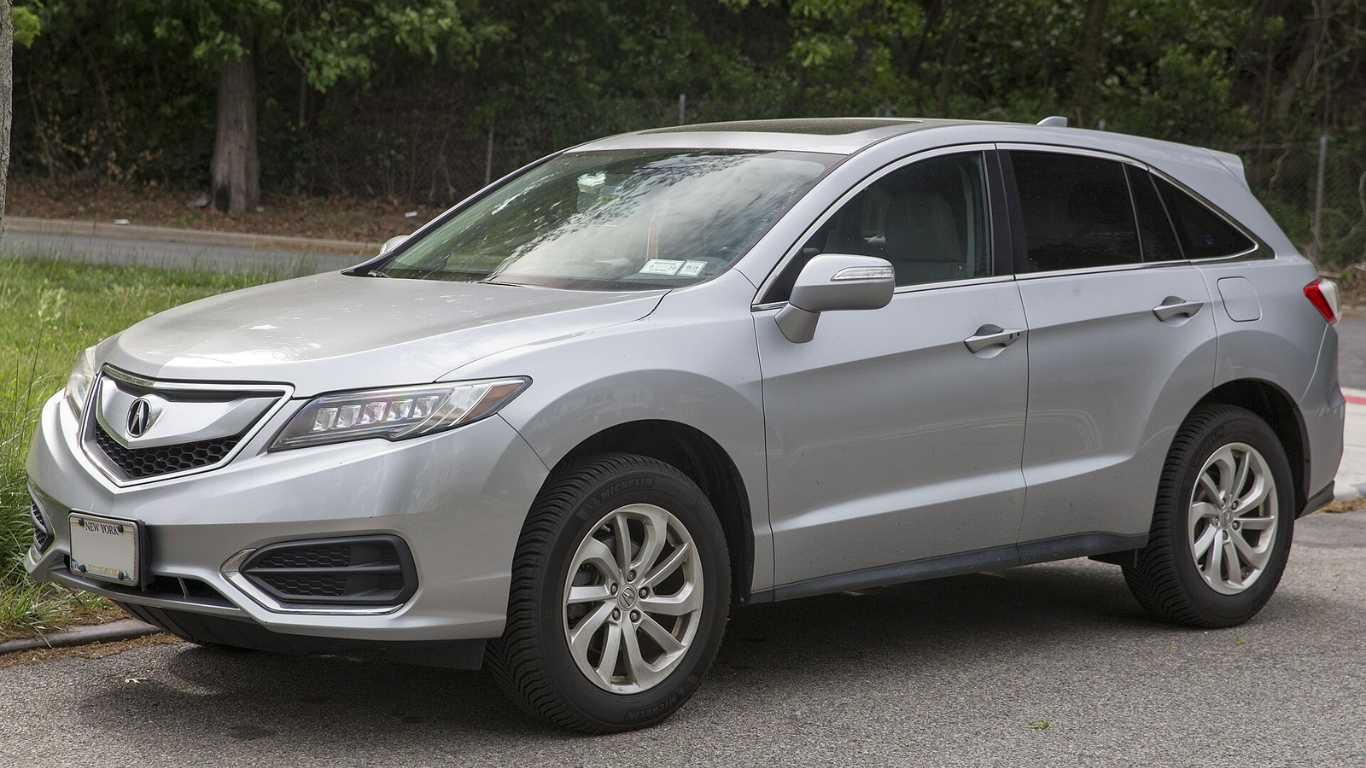
Honda’s naturally aspirated 3.5-liter V6 and six-speed automatic deliver luxury without European complexity.
The second-generation RDX used Honda’s naturally aspirated 3.5-liter V6 and a six-speed automatic transmission. It was offered with front-wheel drive or Acura’s available Super Handling All-Wheel Drive, depending on model year and configuration. This generation emphasized a relatively simple, proven powertrain compared with many turbocharged European luxury competitors.
Buyers should check transmission operation, fluid-service records, suspension condition, and maintenance documentation. The 2019 redesign moved to a turbocharged four-cylinder and a more complex drivetrain. For those seeking luxury-brand refinement with mainstream reliability, the second-generation RDX offers a compelling balance of performance, comfort, and predictable ownership costs.
6. Chevrolet Tahoe
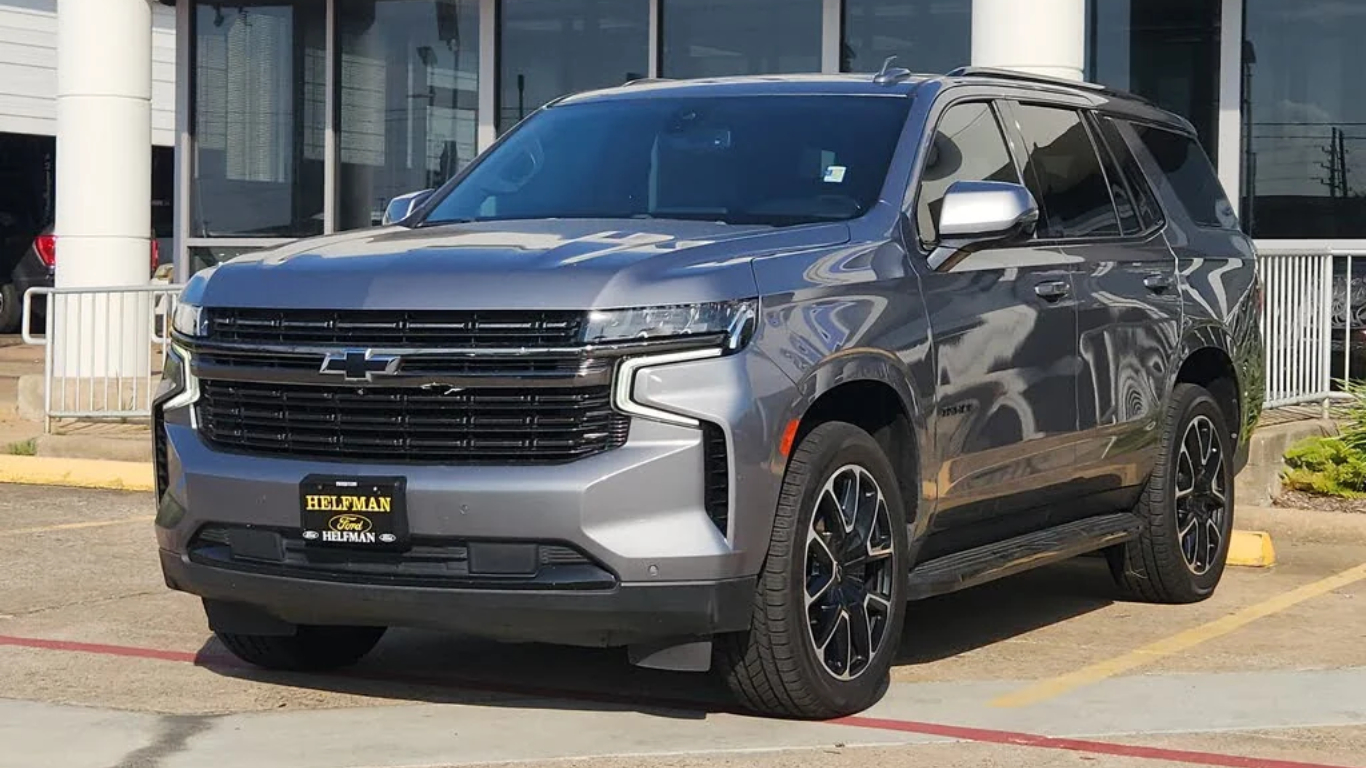
Body-on-frame construction and proven V8 powertrains support towing, high-load use, and fleet durability.
The Chevrolet Tahoe is a full-size, body-on-frame SUV based on General Motors’ truck architecture and closely related to the Chevrolet Silverado and GMC Yukon. Depending on generation, it has been offered with V8 gasoline engines, a diesel option, automatic four-wheel drive, and seating for up to nine occupants in some configurations.
The 5.3-liter V8 has used pushrod architecture, but used examples require inspection for active-fuel-management lifter problems, oil-consumption concerns, transmission wear, and corrosion. Its truck-based construction supports towing and high-load use but generally brings higher fuel and tire costs than compact SUVs. Buyers should verify complete service history, especially for vehicles with high towing mileage or commercial use.
7. Mitsubishi Montero
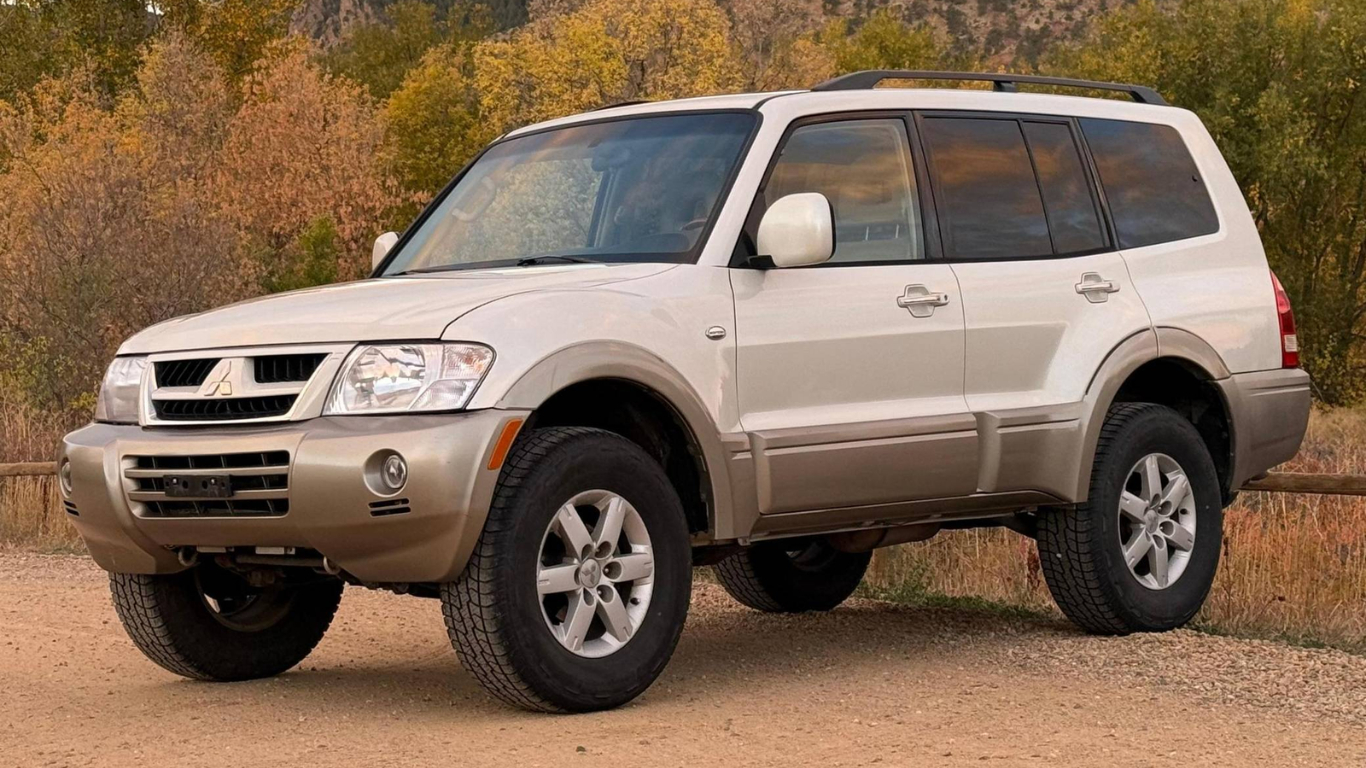
Seven consecutive Dakar Rally overall victories from 2001 through 2007 proved its off-road toughness.
Known internationally as the Pajero, the Mitsubishi Montero is a rugged midsize SUV with a long history of body-on-frame construction and serious off-road capability. Its Super Select four-wheel-drive system allowed drivers to choose among two-wheel drive, full-time four-wheel drive, and low-range configurations, depending on generation.
The model won the Dakar Rally multiple times, including seven consecutive overall victories from 2001 through 2007. North American buyers should verify timing-belt, transmission-fluid, cooling-system, rust, and suspension-service history. Third-generation vehicles also deserve careful inspection of rollover-related updates and recalls. Clean, well-documented examples command strong prices in the used market.
8. Toyota RAV4
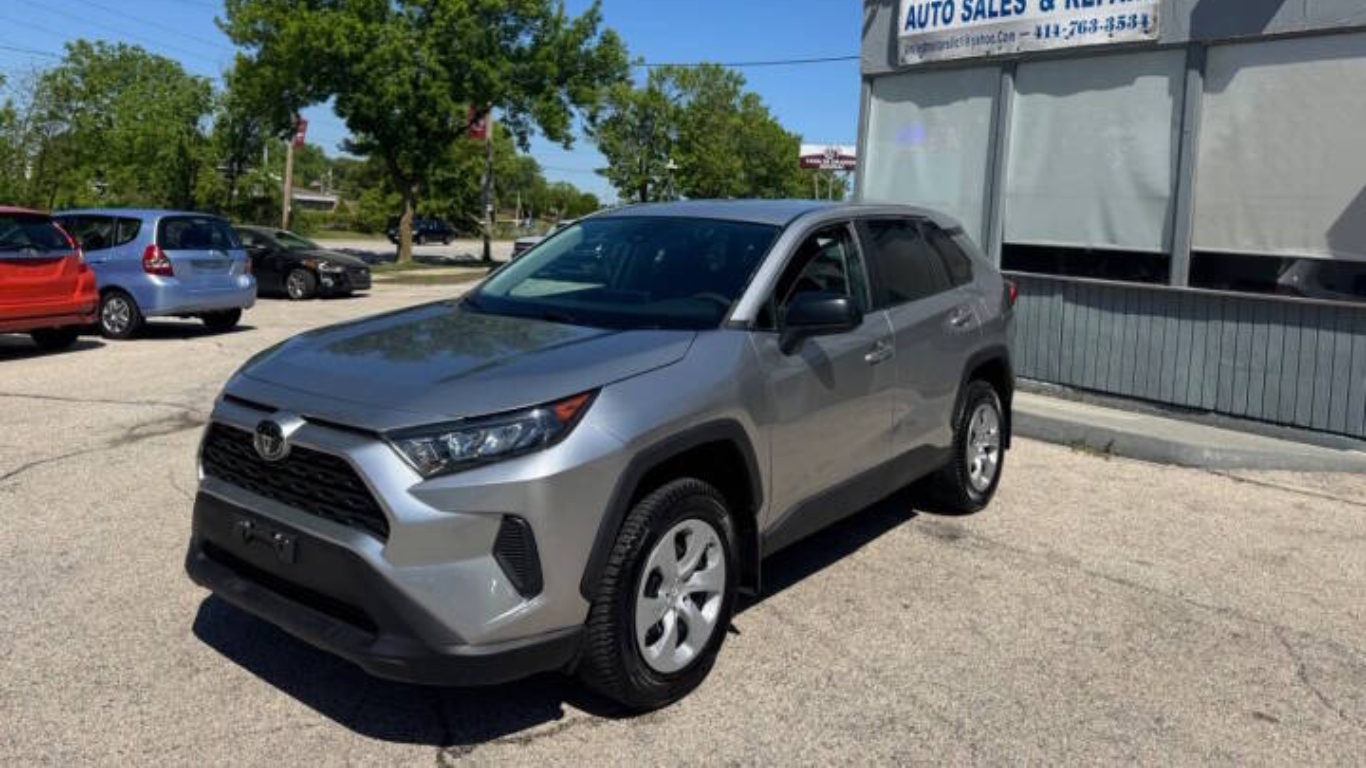
Hybrid powertrains and strong resale demand make the RAV4 a practical choice for fuel economy and reliability.
Introduced in 1994, the Toyota RAV4 helped popularize the compact crossover-SUV format. It has been offered with gasoline, hybrid, and plug-in-hybrid powertrains, with Toyota’s hybrid system becoming a major part of later-generation sales. The RAV4 emphasizes fuel economy, practical cargo space, and strong resale demand rather than truck-like off-road capability.
Used buyers should verify hybrid-battery coverage, maintenance history, drivetrain-fluid service, and (on some generations) known engine, transmission, or electrical service campaigns. Hybrid models offer excellent fuel economy; battery-pack coverage varies by model year and original purchase date. Buyers should confirm remaining warranty coverage and request battery-health reports before purchase.
9. Lexus GX 460
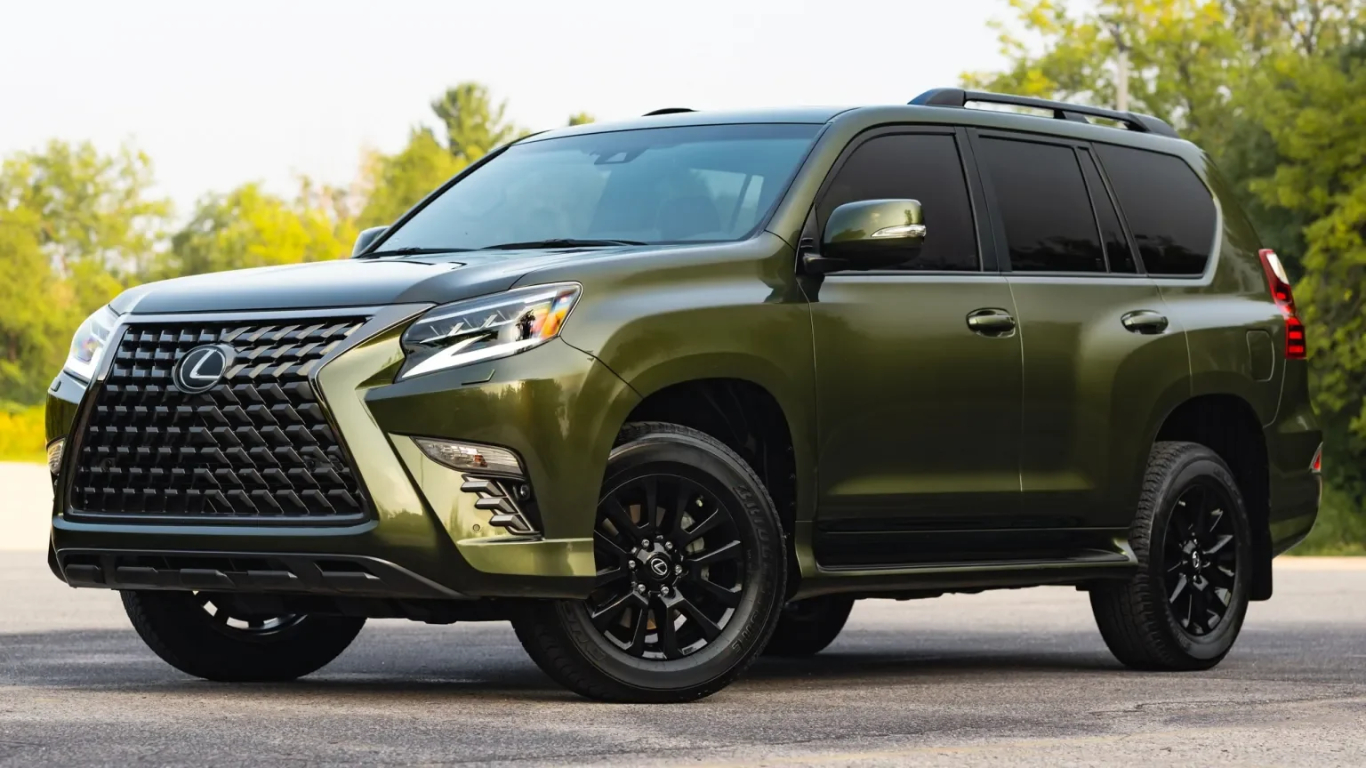
Built on Toyota’s global off-road platform with a 4.6-liter V8 and full-time four-wheel drive.
The Lexus GX 460 is a luxury, body-on-frame SUV built on Toyota’s global off-road platform and sold in the United States from 2010 through the 2023 model year. It uses a 4.6-liter V8, a six-speed automatic transmission, full-time four-wheel drive, and available Kinetic Dynamic Suspension System technology. Its truck-based chassis and off-road hardware distinguish it from car-based luxury crossovers.
Important used-vehicle checks include rust, rear-differential and transfer-case fluid service, suspension components, and timing-belt replacement history. The 4.6-liter V8 uses a timing belt rather than a timing chain. Buyers should verify that belt service has been completed according to the maintenance schedule; neglecting this interval risks catastrophic engine damage.
10. Toyota 4Runner
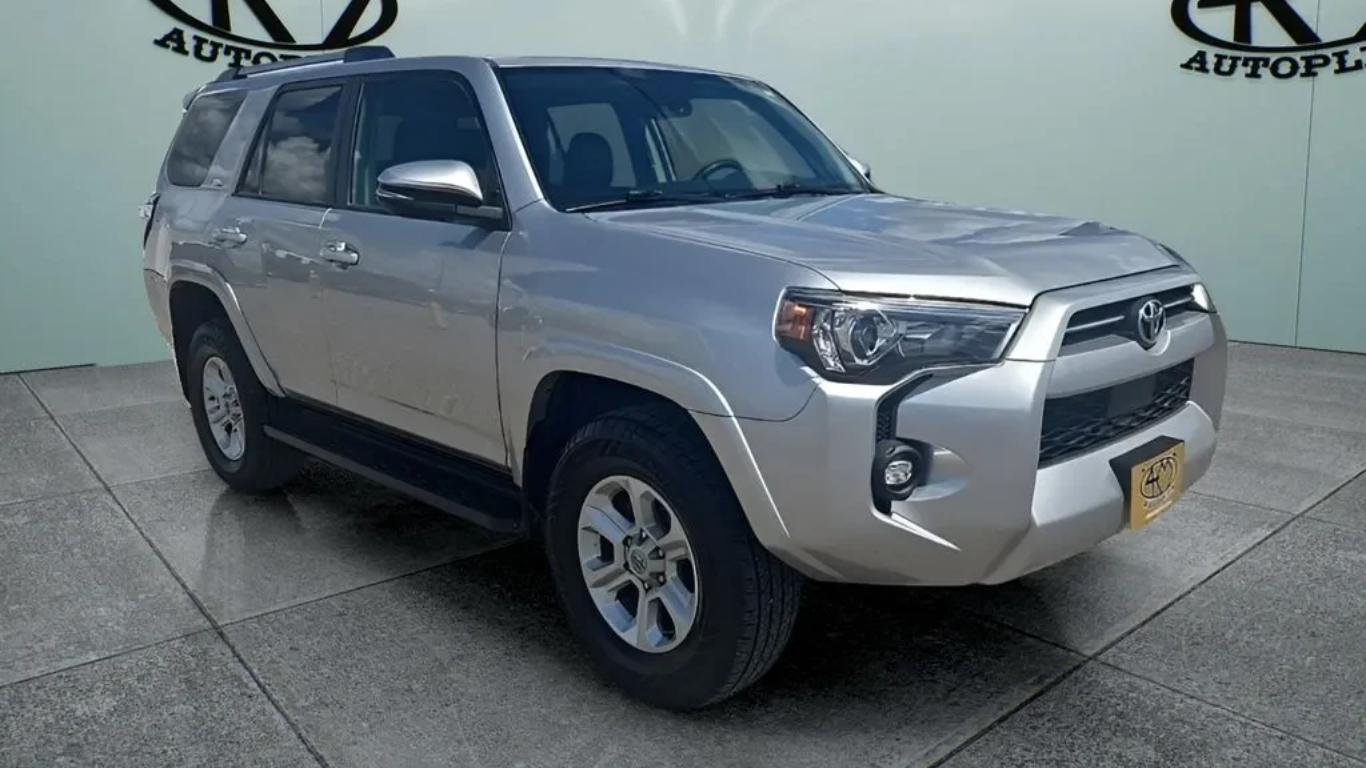
Body-on-frame construction, a timing-chain V6, and mechanical four-wheel-drive systems support off-road use.
The 4Runner is a midsize, body-on-frame SUV derived from Toyota’s truck architecture. Fifth-generation models, sold in the United States from 2010 through 2024, used a 4.0-liter V6, a five-speed automatic transmission, and a timing chain. Available features included part-time or full-time four-wheel drive, low-range gearing, locking differentials, and Toyota’s Multi-Terrain Select system, depending on trim.
Its principal used-buying risks are frame and body rust in salt-belt regions, neglected drivetrain fluids, suspension wear, and accident or off-road damage. iSeeCars research has documented the 4Runner’s longevity potential; buyers should request complete service records and conduct thorough inspections before purchase.
11. Toyota Land Cruiser
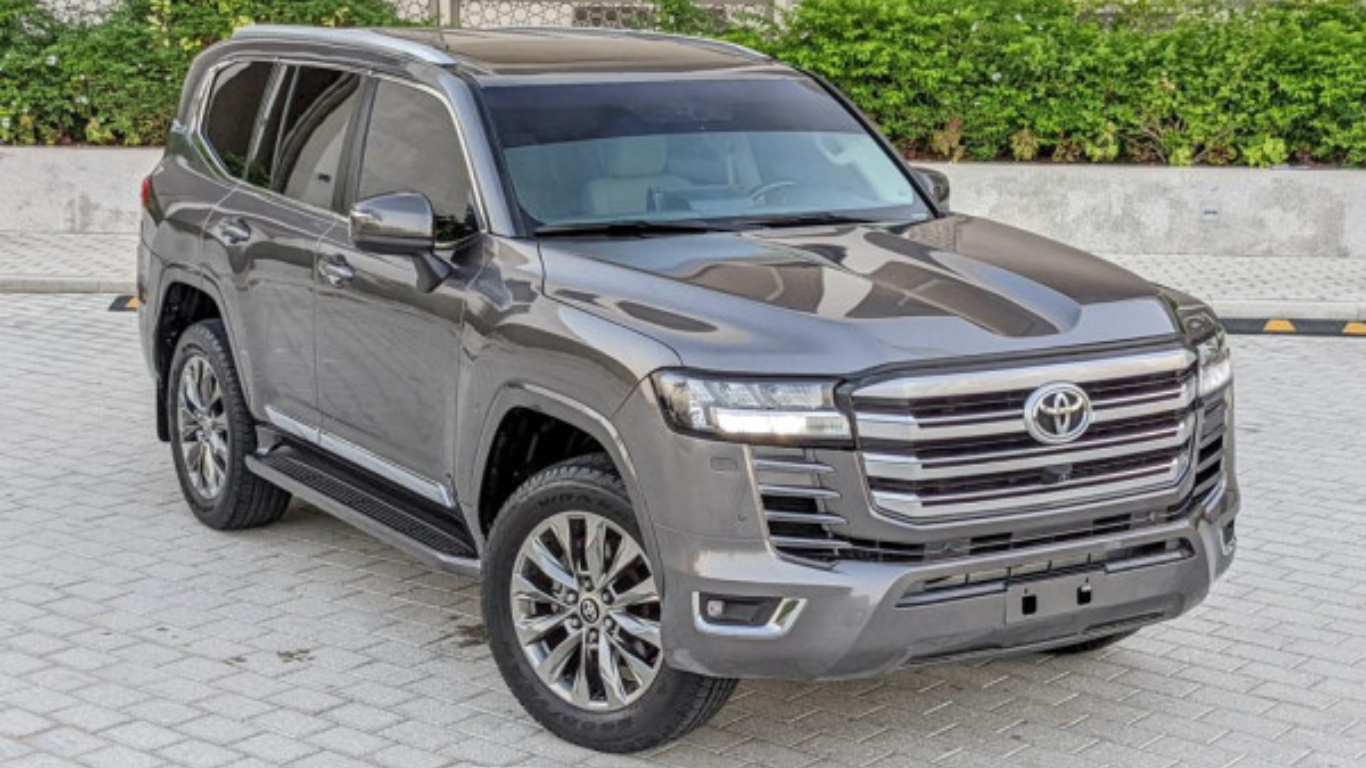
iSeeCars longevity research repeatedly places the Land Cruiser among the longest-lived vehicles.
The Land Cruiser is Toyota’s globally recognized full-size off-road SUV and has served civilian, commercial, expedition, humanitarian, and government users in demanding environments. Its reputation is associated with durable body-on-frame construction, robust cooling and drivetrain systems, four-wheel-drive capability, and long service intervals when properly maintained.
iSeeCars’ longevity research has repeatedly placed the Land Cruiser among the vehicles most likely to reach exceptionally high mileage, although exact rankings and percentages vary by study year and dataset. Used examples command strong prices, but buyers should inspect rust, suspension, cooling, timing components where applicable, drivetrain fluids, and service documentation. Complete maintenance history is essential when evaluating any high-mileage Land Cruiser.
12. Jeep Wrangler (Models to Avoid)
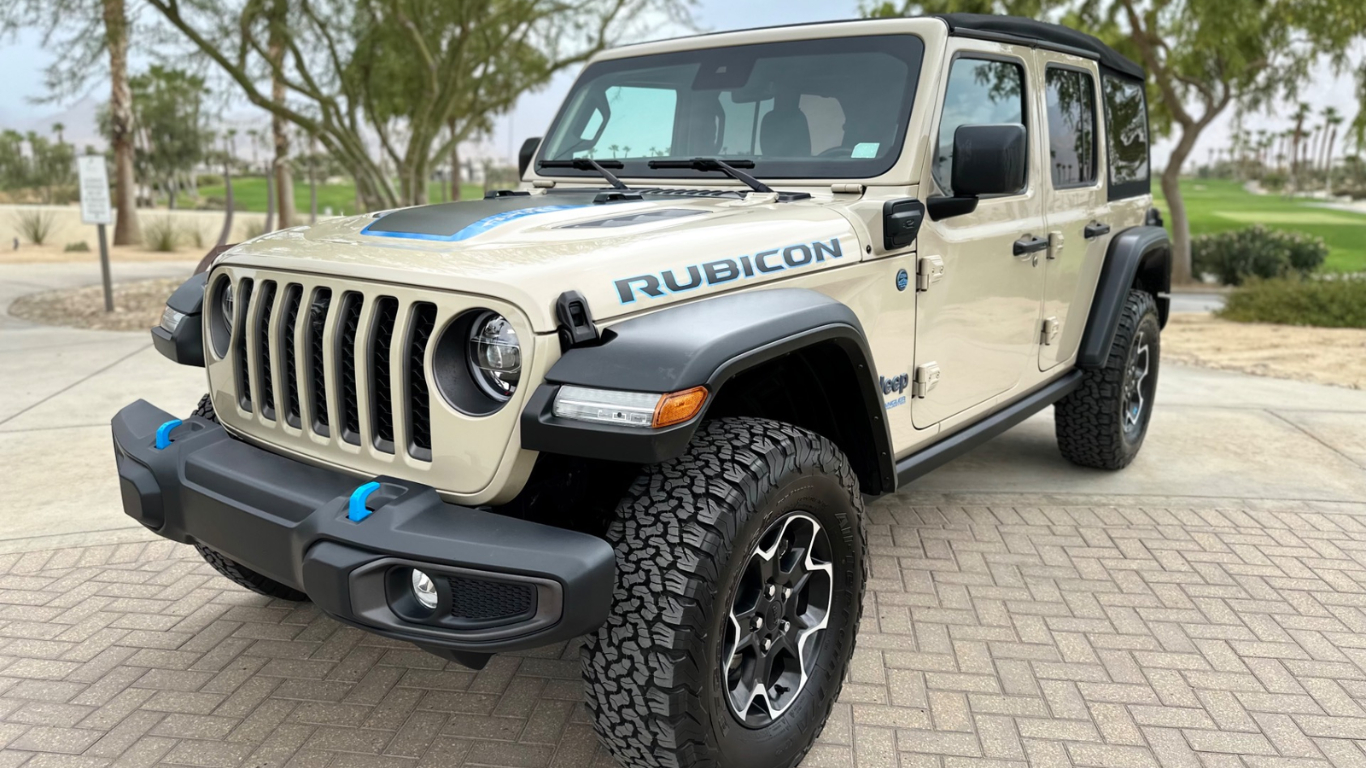
Off-road capability comes with electrical faults, oil leaks, and steering-suspension wear.
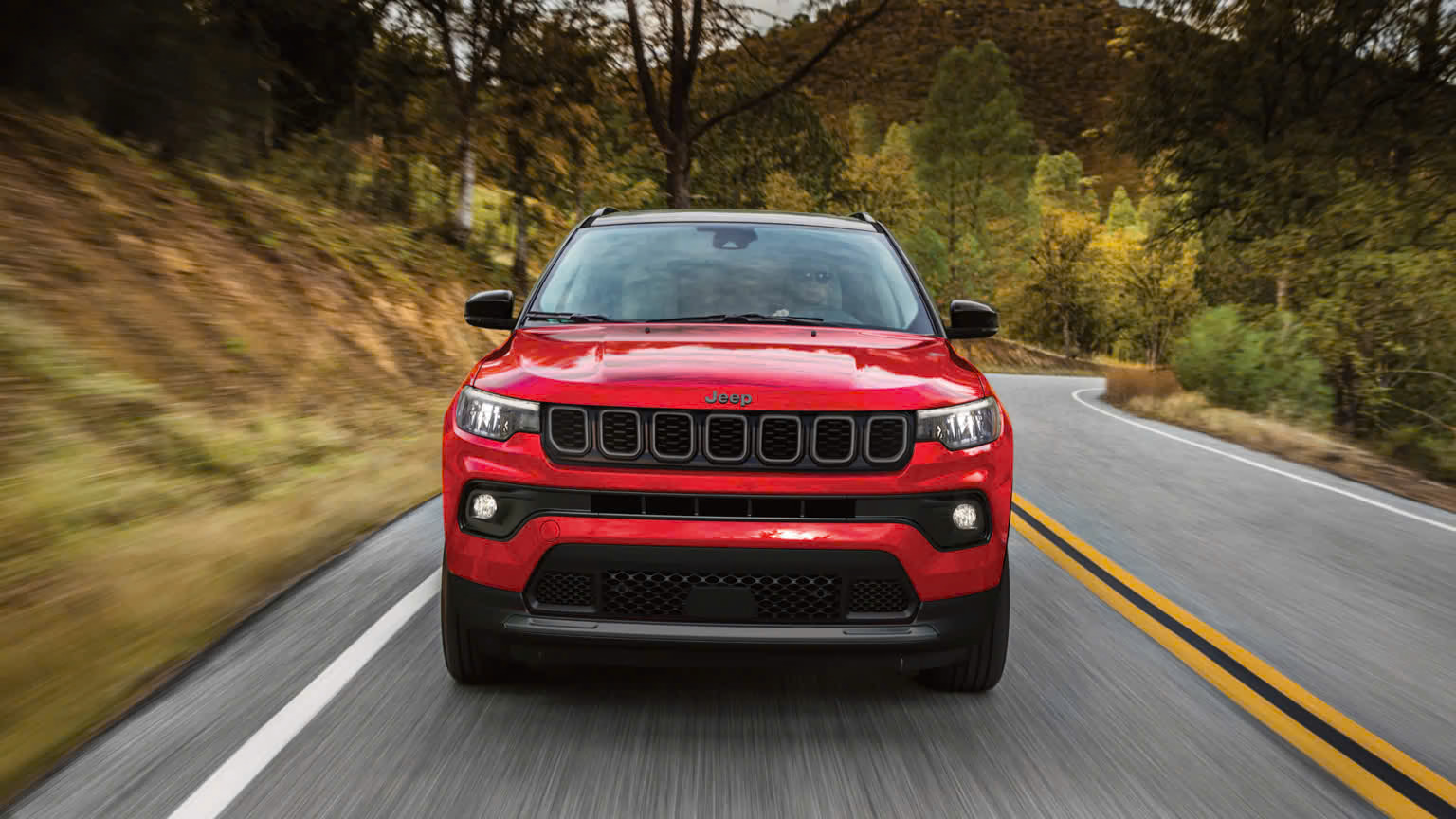
The Jeep Wrangler is Jeep’s iconic removable-roof, off-road-oriented SUV and is built around features such as solid axles, high ground clearance, low-range four-wheel drive, and short-overhang body designs. Depending on generation and trim, it has been offered with four-cylinder, V6, V8, diesel, and plug-in-hybrid powertrains. Its off-road capability comes with trade-offs in ride comfort, fuel economy, wind noise, and highway refinement.
Used buyers should inspect steering and suspension components, electrical systems, oil leaks, water intrusion, rust, and recall completion. Severe front-end oscillation, often called “death wobble,” generally refers to steering or suspension wear and requires professional diagnosis. The Wrangler’s specialized design delivers exceptional trail performance but frequently brings higher long-term ownership costs than mainstream crossovers.
13. Ford Explorer, 2011–2019 (Models to Avoid)
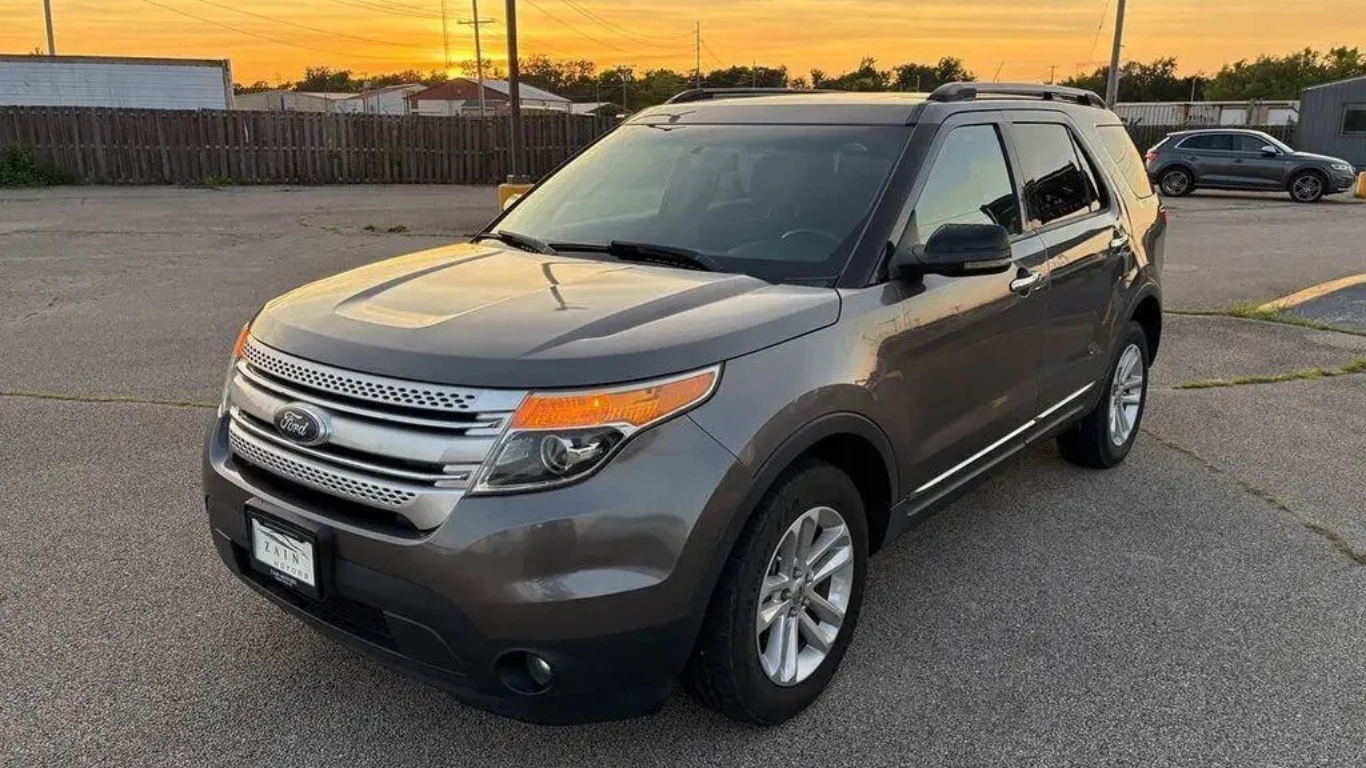
Unibody redesign brought powertrain variety alongside documented transmission, engine, and electrical issues.
The 2011 redesign moved the Ford Explorer from traditional body-on-frame construction to a unibody crossover platform. During this period Ford offered naturally aspirated V6, turbocharged EcoBoost four-cylinder, and turbocharged V6 engines, along with front- or all-wheel drive. Used examples should receive careful inspection for transmission behavior, water-pump condition on relevant engines, turbocharger and cooling-system issues, electrical faults, and completed recalls or technical-service repairs.
NHTSA and Ford records document multiple recalls affecting 2011–2019 Explorers, including a rear-suspension toe-link recall for certain 2011–2017 vehicles and an A-pillar-trim recall covering certain 2011–2019 vehicles. Ford also issued a transmission-related customer-satisfaction program for some 2016–2019 2.3-liter Explorers addressing torque-converter and shudder concerns. Reliability can vary substantially by engine, transmission, model year, and maintenance history; a pre-purchase inspection is particularly important.