

A new car depreciates fast, and diligent early maintenance helps protect that value. You just picked up your fresh ride, ready to hit the open road. That initial break-in period isn’t a suggestion; it’s your vehicle’s training regimen for years of reliable performance. Early preventative measures ensure components mesh perfectly. Skip these details, and you might find yourself sidelined faster than expected, swapping adventure for a mechanic’s waiting room.
1. New Car Paint Protection

Professional protection saves your finish from daily abuse before the first scratch arrives.
Your car’s finish is vulnerable. Applying a reputable wax or a professional ceramic or graphene coating immediately after purchase improves resistance to environmental contaminants like bird droppings and industrial fallout. These coatings can last several years, providing enhanced surface protection that temporary wax cannot match. Products like Griot’s Ceramic 3-in-1 Wax or Turtle Wax Hybrid Solutions offer accessible entry points.
For tougher defense, consider Paint Protection Film (PPF). This clear polyurethane film acts like armor for your car’s most exposed parts. Applying PPF to high-impact zones such as bumpers, hoods, mirrors, and fenders reduces stone-chip damage. Taking these steps when paint is pristine preserves your vehicle’s appearance and helps maintain resale value.
2. Tire Pressure Check and Adjustment
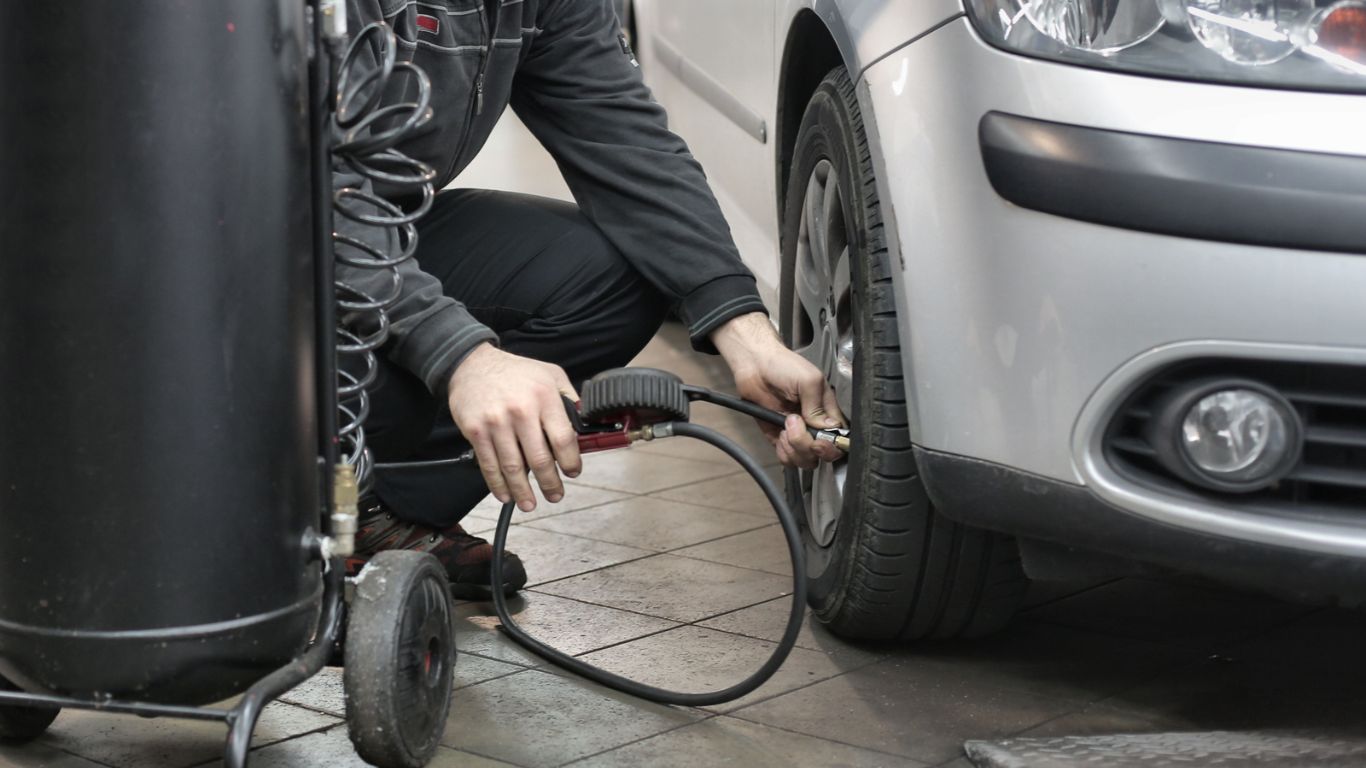
Dealerships routinely miss proper tire inflation, undermining handling from day one.
Many new cars leave the dealership with incorrect tire pressure, instantly killing the excitement of your purchase. This common oversight undermines vehicle dynamics. Your first act as an owner should be a thorough tire check. Allow at least three hours for all tires, including the spare, to cool down completely before checking.
Ignore the tire sidewall; those numbers are maximums, not your car’s specific recommendations. The accurate pressure lives on the driver-side door-jamb placard or in your owner’s manual. Follow the manufacturer’s front and rear pressure specifications, adjusting for load when required. Proper inflation ensures even wear and predictable handling.
3. New Vehicle Break-in Procedure

Gentle driving during the first thousand miles sets the foundation for long-term reliability.
The owner’s manual is your ultimate authority on break-in procedures. Many manufacturers recommend approximately the first 1,000 miles for gentle operation. Avoid hard acceleration and sudden, severe braking. Vary your speeds and engine RPMs, allowing components to seat without undue stress rather than maintaining constant velocity.
Some manufacturers advise against towing during this critical initial phase, as it places excessive strain on new drivetrain parts. This careful operation builds the groundwork for years of open-road adventure, helping components mesh properly before you ask for full performance.
4. Consult Your Maintenance Schedule for Oil Changes
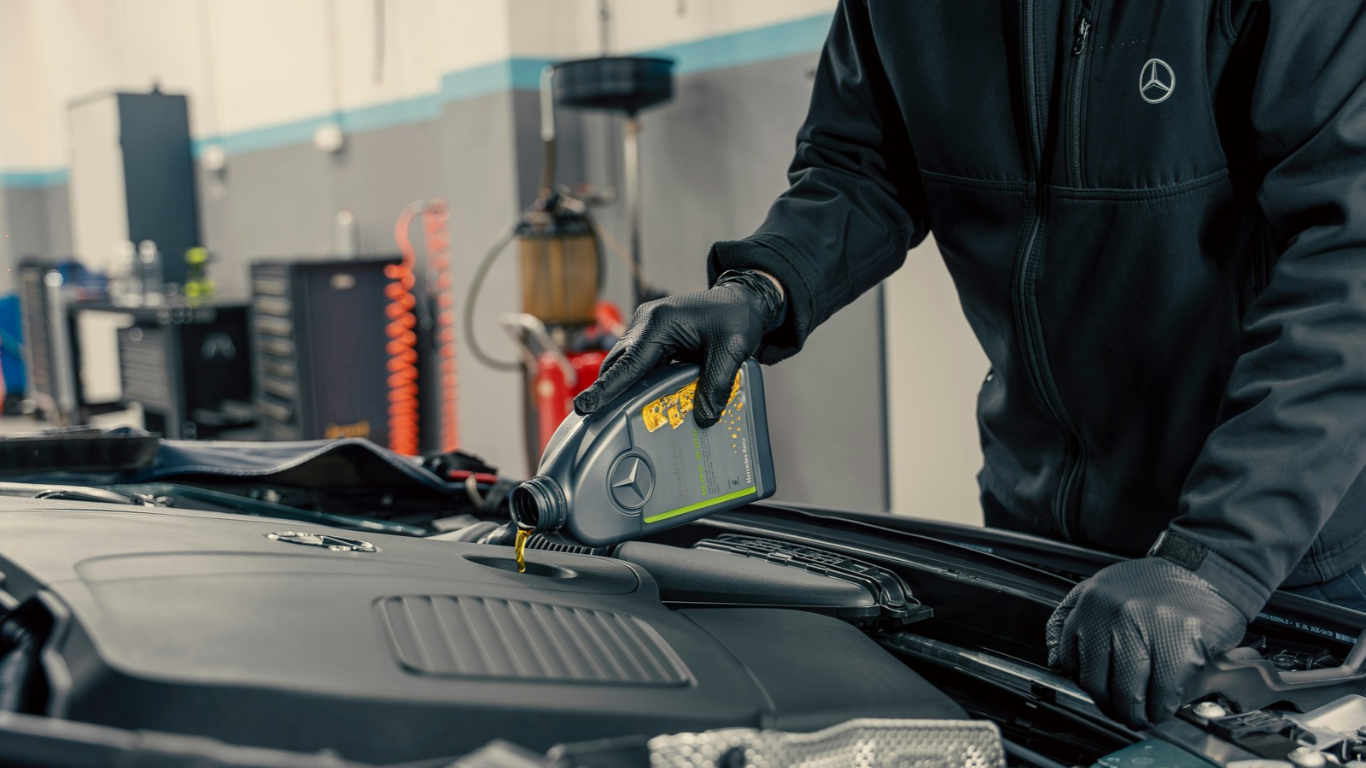
Follow the manufacturer’s oil-change interval and specifications rather than generic advice.
Oil-change timing varies significantly by vehicle, oil type, driving conditions, and engine design. Your owner’s manual specifies the correct interval, oil viscosity, and performance standard. Some drivers choose an earlier first oil change, but the manufacturer’s schedule accounts for your vehicle’s engineering and warranty requirements.
Authoritative guidance from organizations like AAA directs owners to follow the prescribed maintenance schedule precisely. Intervals can range from roughly 3,750 to 15,000 miles depending on the vehicle and oil. Many automakers recommend an oil change at least annually regardless of mileage. Disregarding manufacturer recommendations can complicate warranty claims and may not improve engine longevity.
5. Early First Service and Leak Inspection

A comprehensive early checkup catches minor issues before they escalate into roadside drama.
Combining the first service with your initial oil change provides a comprehensive early health check. The timing and included tasks depend on your manufacturer’s maintenance schedule. Technicians typically check fluid levels, assess general vehicle condition, and may perform a tire rotation. Retain all invoices and service records for warranty and maintenance documentation.
Visually inspect underneath your vehicle after it has been parked. Look for fresh drips of oil, coolant, brake fluid, transmission fluid, or water. Clear water is often normal air-conditioning condensation, but unidentified or colored fluids warrant professional inspection. Catching a minor leak now prevents problems from escalating later.
6. Identify Squeaks, Rattles, and Malfunctions

New vehicles can develop defects; prompt reporting protects warranty coverage.
Your new car should not sing an unwelcome symphony of squeaks and rattles. Drive on varied surfaces: smooth, rough, city, highway. Listen intently for abnormal noises. Remove loose objects like bottles, keys, and cargo first to rule out false positives.
Check every feature for proper function. Test the sunroof, power seats, windows, wipers, climate controls, infotainment system, lights, and driver-assistance systems. Document and report defects promptly. Warranty coverage, exclusions, and claim deadlines vary by manufacturer and jurisdiction. Addressing issues early prevents small problems from becoming major headaches.
7. Maintain Consistent Oil-Change Intervals
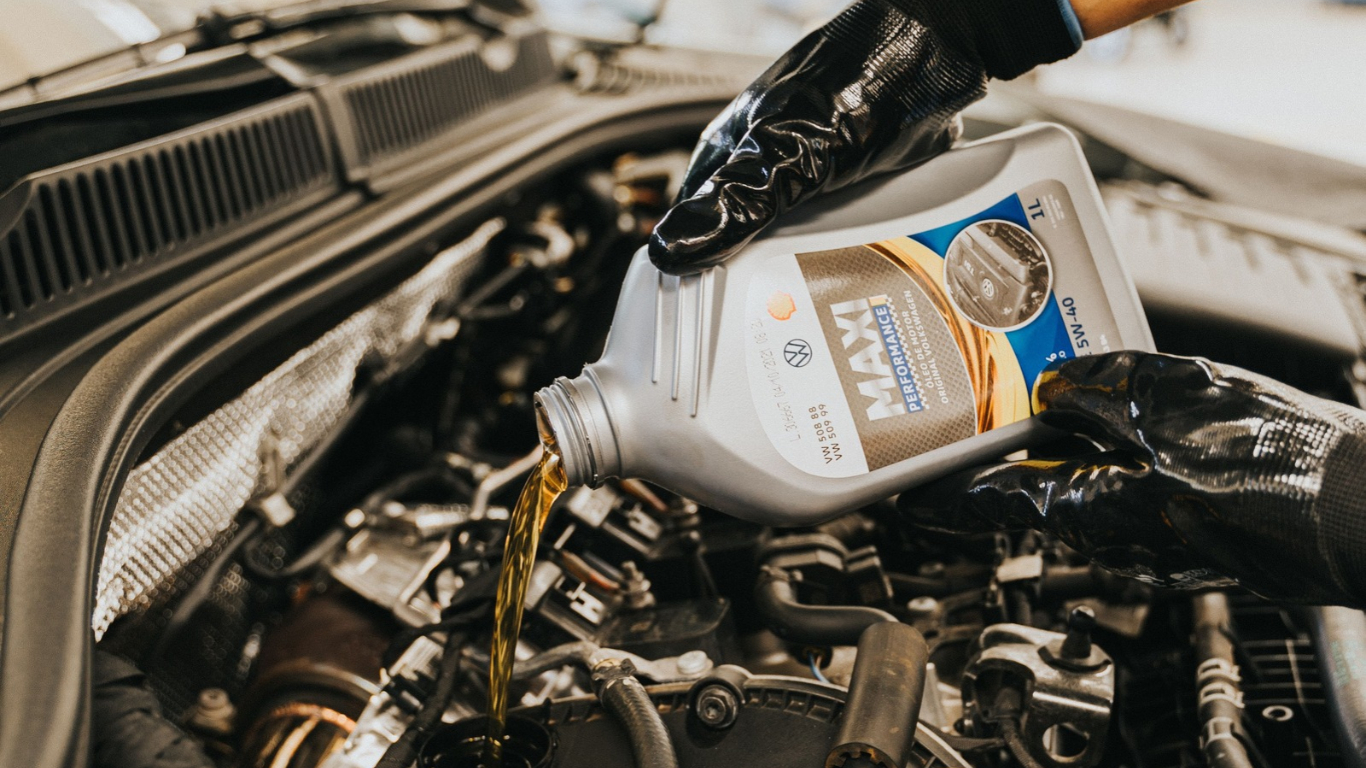
Stick to your manufacturer’s recommended schedule after the initial service.
After your first oil change, follow the maintenance schedule in your owner’s manual. Oil-change intervals depend on vehicle design, oil specification, and driving conditions. Severe-use provisions may require more frequent service for certain conditions like frequent short trips, towing, or extreme temperatures.
Maintain the specified oil viscosity and performance standard. Consistent maintenance prevents future issues and helps your engine deliver reliable performance. Keep detailed records of all service, including dates, mileage, and products used. This documentation supports warranty claims and demonstrates proper care for future buyers.