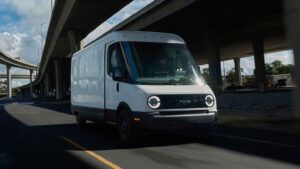


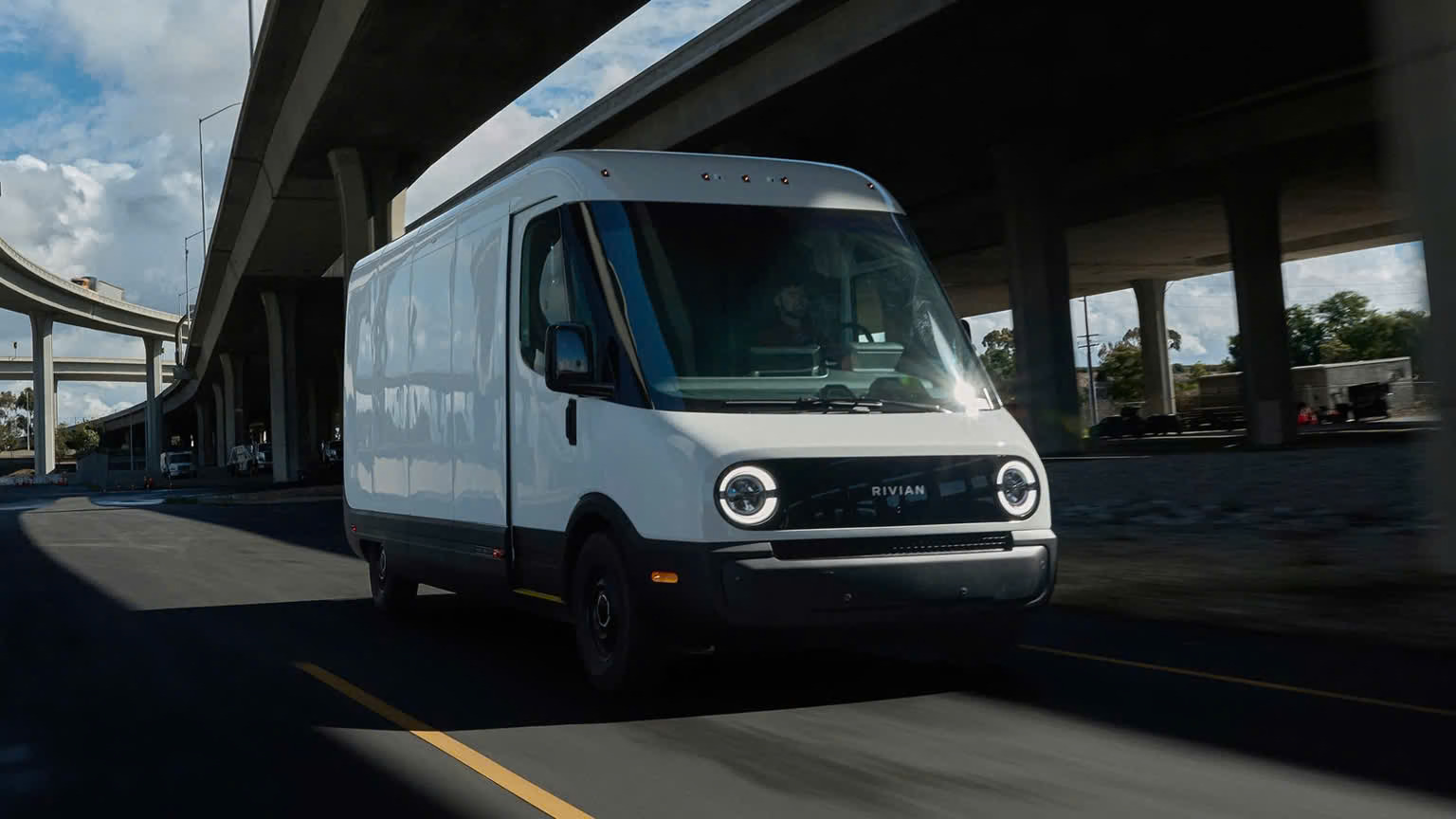
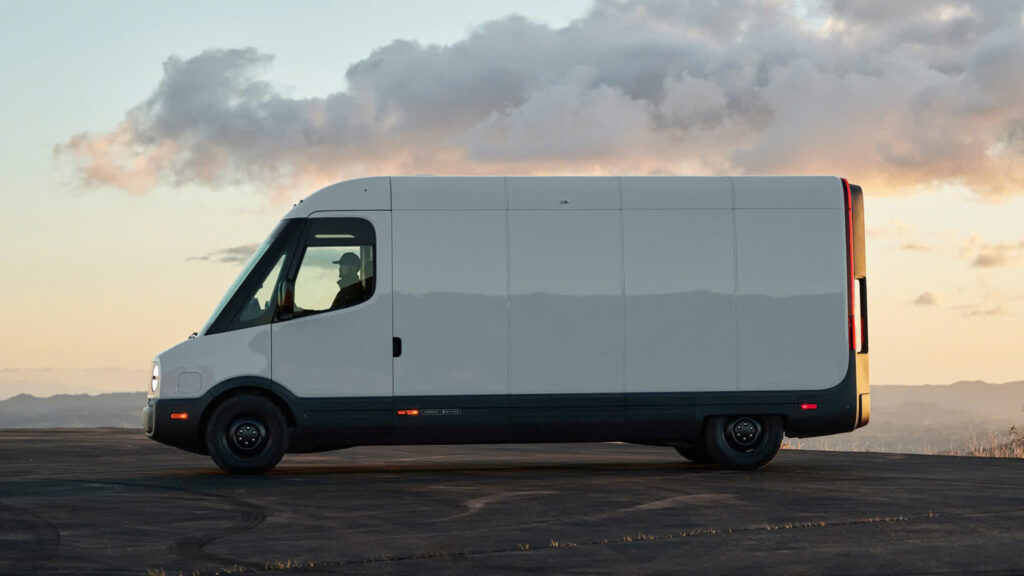
Rivian built its consumer identity on the rugged R1T pickup and the three-row R1S SUV — yet in Q3 2026, a boxy delivery van most consumers couldn’t pick out of a lineup quietly outsold both combined. According to Cox Automotive estimates, Rivian’s Commercial Van recorded an estimated 8,469 U.S. sales from July through September, surpassing the R1S (5,582) and R1T (1,732) for a combined total of 7,314. Rivian reported 19,248 total deliveries for the quarter, up 46% year over year. The engine powering that number isn’t what appears on any Rivian billboard.
Van by the Numbers: The Competition Wasn’t Close
Rivian’s RCV didn’t just top the company’s own lineup — Cox Automotive estimates it ranked as America’s fourth-best-selling EV overall for the quarter.
Fleet rivals trailed by substantial margins. Chevrolet BrightDrop recorded an estimated 1,344 sales, Mercedes-Benz eSprinter 396, and Ford E-Transit 184 — all figures attributed to Cox Automotive. Year-to-date through September, Rivian moved an estimated 15,685 commercial vans, up 130.4% from an estimated 6,806 during the same period in 2025. A few figures worth keeping straight:
- Estimated RCV Q3 sales: 8,469 — a 220.9% year-over-year increase, per Cox Automotive
- R1S estimated sales fell 31.8% year over year; R1T fell 27.2%
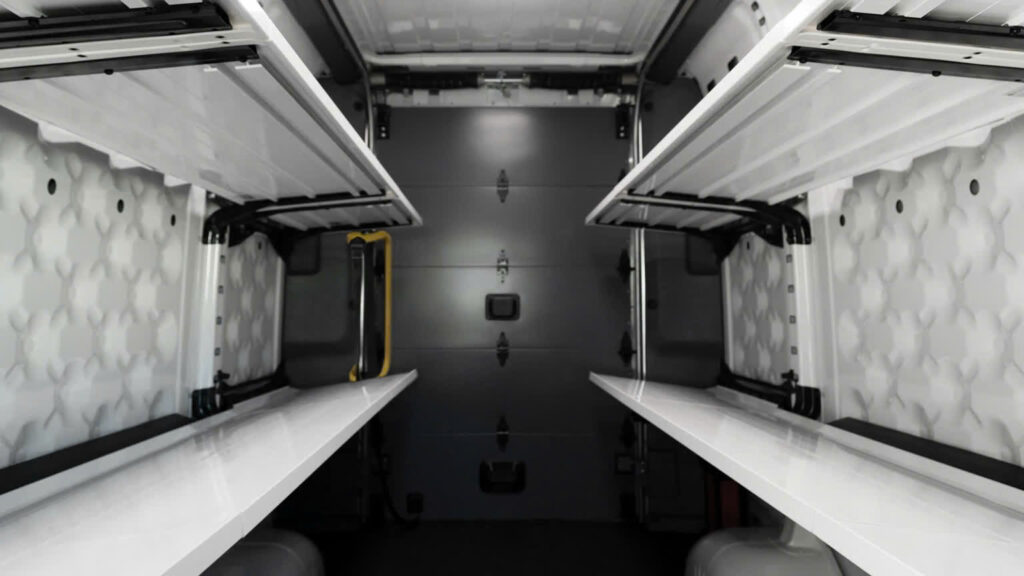
- The RCV Delivery 500 starts at $79,900, with an estimated range of roughly 161 miles and a reported payload capacity of 2,663 lbs
- Rivian has an agreement to supply Amazon with 100,000 electric vans by 2030; approximately 50,000 have been delivered, based on available estimates
- Amazon exclusivity ended in 2023, opening the RCV to other fleet buyers
One Company, Two Very Different Businesses
Rivian is simultaneously a consumer EV brand and a commercial logistics supplier — and right now, the fleet side is carrying the load.
The R1S and R1T declines are not subtle. Both models fell sharply year over year while estimated van sales surged. High-priced consumer trucks are softening; commercial fleet demand is not. Think of it like a restaurant group where the catering division is outselling every dining room combined.
The Amazon relationship remains relevant context, though available public estimates do not break out how many 2026 vans went to Amazon versus other buyers — a genuine gap worth noting. What is clear: exclusivity ended in 2023, so the customer base extends beyond a single account. It is also worth flagging a direct methodological conflict: Cox Automotive’s model-level estimates identify the RCV as Rivian’s top seller at 8,469 estimated units, while Rivian’s own Q3 2026 release stated the R2 was its fastest-selling vehicle by volume. Both facts stand — they reflect different reporting bases, not a simple error.
The R2 posted an estimated 3,456 sales in its first full quarter on the market — a solid debut that still fell well short of the van’s estimated volume under Cox’s figures.
Rivian’s next chapter hinges on whether the R2 can rebuild consumer momentum while the commercial van sustains volume. Two distinct businesses, one factory in Normal, Illinois — and for now, the van is doing the heavier lifting. Whether that arrangement holds is the question worth watching.