


Not knowing how fast you’re going isn’t a quirk. It’s a safety problem. Ford has issued a recall covering 102,159 F-Series trucks after discovering that analog speedometer and tachometer needles may become stuck or move erratically while the vehicle is in motion — producing inaccurate speed readings with no confirmed safety indicator to signal the failure. The affected trucks span 2025–2026 Super Duty models and the 2026 F-150. If you own one, verifying your VIN status now is the right move.
The Defect: A Needle That Moves – or Doesn’t
Frozen or erratic gauges, no accident reports yet — but the safety math is straightforward.
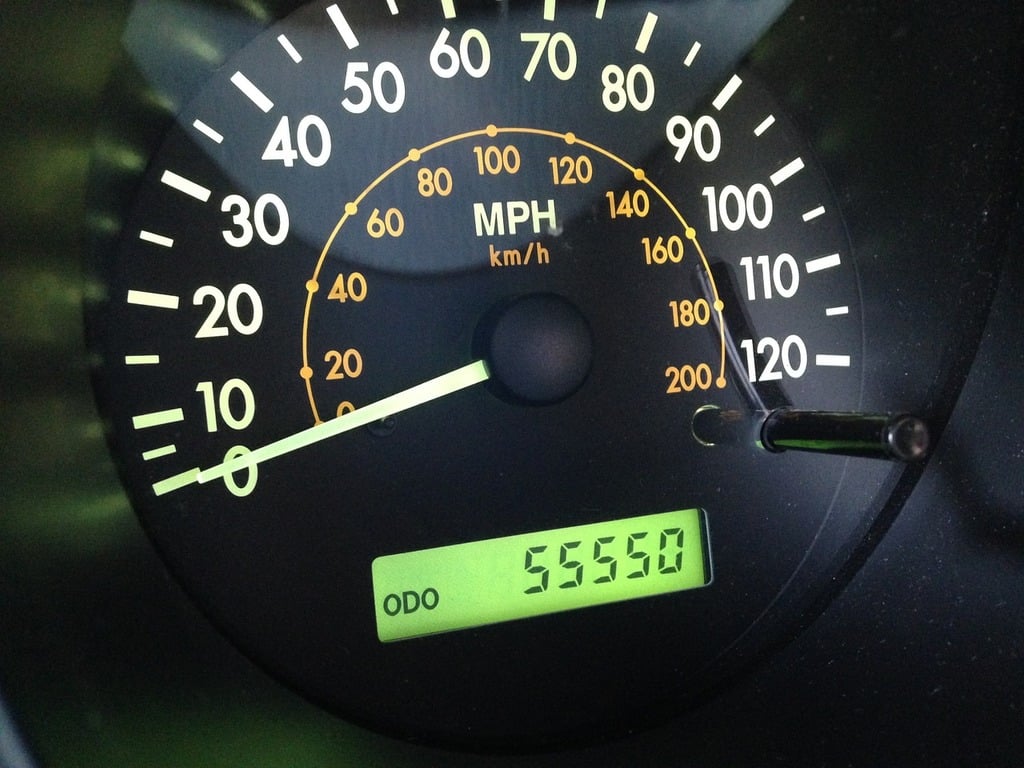
According to NHTSA recall documentation (campaign 26V653), the analog instrument cluster’s speedometer or tachometer may become stuck or move erratically while the truck is in motion. Trucks equipped with both digital and analog speed displays may show conflicting numbers — that disagreement between your analog and digital displays may be one way to notice the problem. Ford had logged 18 warranty reports and 93 field reports connected to the issue as of the recall filing. No accidents had been reported at that point, and the recall documents do not establish that every affected vehicle will display a dashboard alert to warn the driver.
What You Need to Know Right Now
Fast-reference facts for owners, fleet managers, and commercial operators.
- Affected models: 91,588 units across 2025–2026 F-250, F-350, F-450, F-550, and F-600 Super Duty; 10,570 units of the 2026 F-150; one 2026 F-750
- The fix: Free instrument-cluster module replacement at an authorized Ford or Lincoln dealer
- Notification timeline: Owner letters scheduled for late October 2026; remedy letters expected December 7–11, 2026, once replacement parts are available
- VIN lookup warning: Affected trucks are not in a continuous VIN sequence — build date alone may not determine eligibility; verify directly through Ford, a Ford or Lincoln dealer, or NHTSA’s recall tool using campaign 26V653
“The analog cluster’s tachometer and speedometer may become stuck or move erratically, providing inaccurate readings to the driver.” — NHTSA recall report, campaign 26V653
Why Fleet Operators Should Pay Attention
An inaccurate speedometer creates real compliance and road-safety concerns for commercial operators.
For drivers hauling materials or logging highway miles daily, a malfunctioning speedometer is more than an inconvenience. Consider a hypothetical where the analog gauge reads 55 while the truck accessories and instrumentation fail together — that driver has no reliable instrument to reference. Treat any disagreement between analog and digital displays as a reason to arrange an inspection promptly, not a calibration quirk to monitor over time.
This recall is a useful reminder that driver-information systems carry genuine safety weight. An inaccurate speed reading belongs in the same category of concern as any other failed safety indicator. A dashboard alert that may never arrive offers no protection — much like the situation seen when GM Halts sales over sudden vehicle safety failures. Check your VIN now at NHTSA’s recall lookup or contact your Ford dealer directly. If your analog and digital readings disagree, schedule an inspection without delay — and don’t wait for December’s remedy letter when the information is already available today.