

Rust costs American vehicle owners roughly $20 billion annually — a figure that accumulates through thousands of individual repair bills for damage that was preventable at a fraction of the cost. Salt belt drivers and coastal owners face the most aggressive corrosion conditions, but the chemistry that destroys vehicles works the same everywhere: moisture plus salt plus steel equals oxidation that spreads faster than surface evidence suggests. These nine tactics address the specific mechanisms that cause rust, in order from least to most impactful for long-term protection. Starting with the right maintenance habits early costs far less than the repairs that follow when those habits are skipped.
9. Aftermarket Rust Proofing
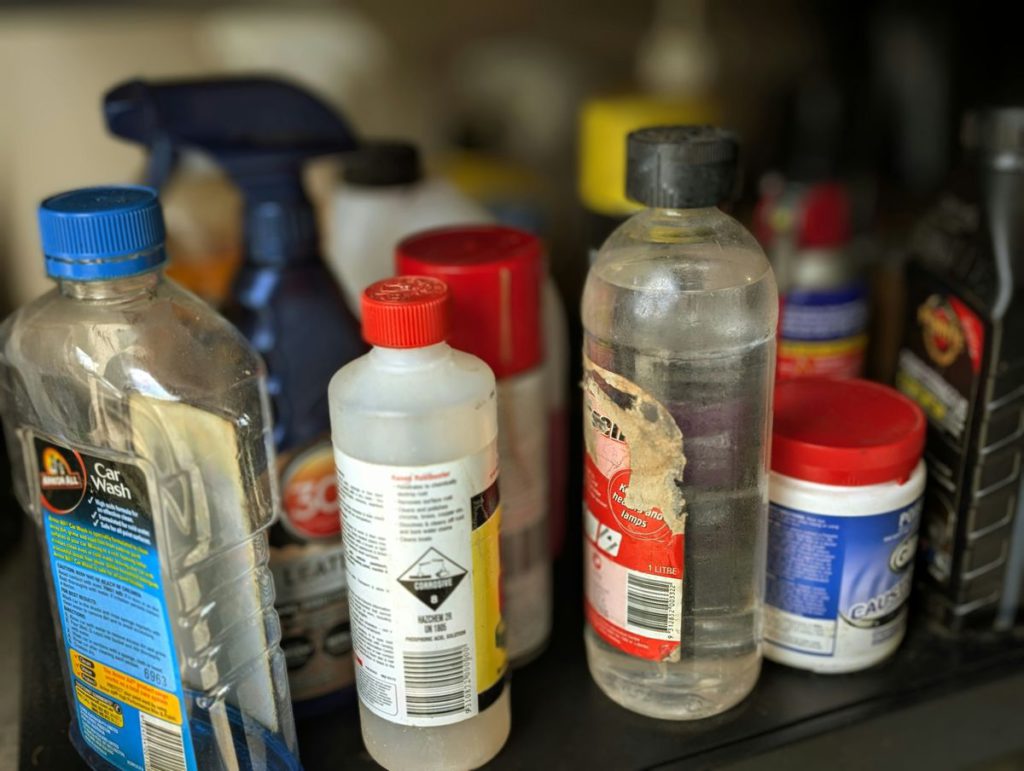
Annual oil sprays and permanent coatings offer serious protection against corrosion’s costly assault.
Aftermarket rustproofing splits into two categories with different use cases. Annual oil-based sprays like Fluid Film work well on older vehicles and require reapplication to remain effective. Permanent undercoatings belong only on new vehicles with no existing rust — sealing over rust accelerates the damage rather than preventing it. The product category is legitimate; the application conditions matter significantly.
Dealership rustproofing packages typically run $400 to $800 for service available from independent mechanics at substantially lower cost. The vehicle needs to be thoroughly clean before any sealant is applied — coating over salt or moisture traps the corrosion agents rather than excluding them. This is the most passive long-term protection option, which makes it the lowest-ranked tactic here: it works, but it works best as a complement to the active maintenance habits below rather than a substitute for them.
8. Undercarriage Maintenance
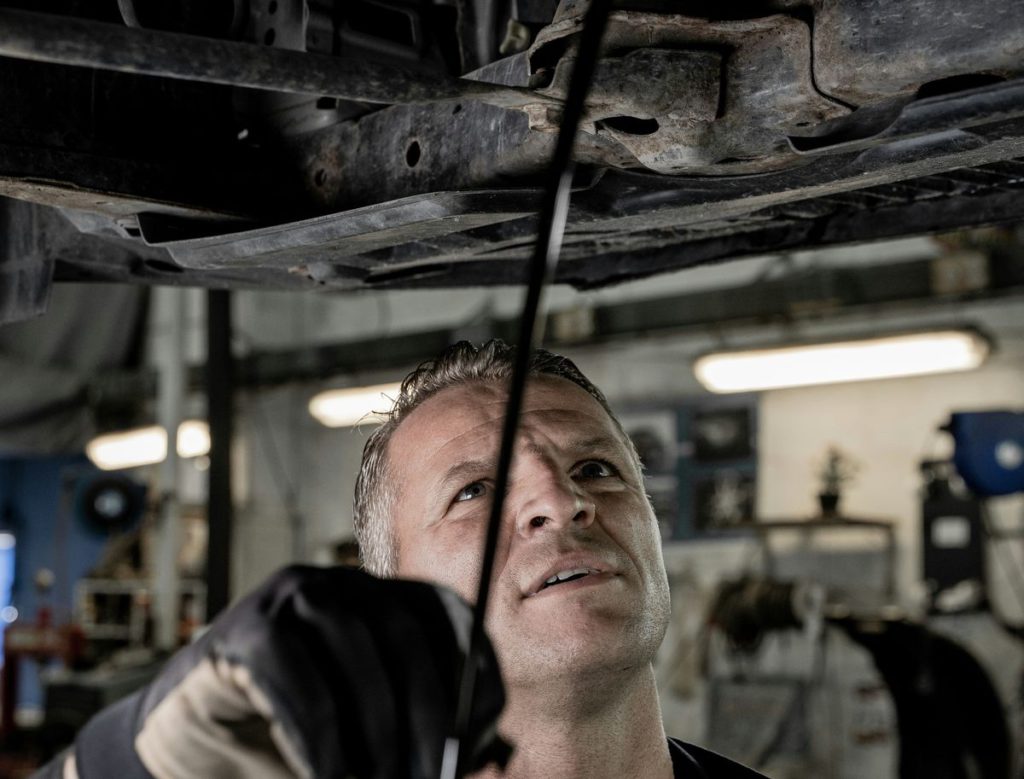
Regular pressure washing removes destructive salt buildup that standard car washes barely touch.
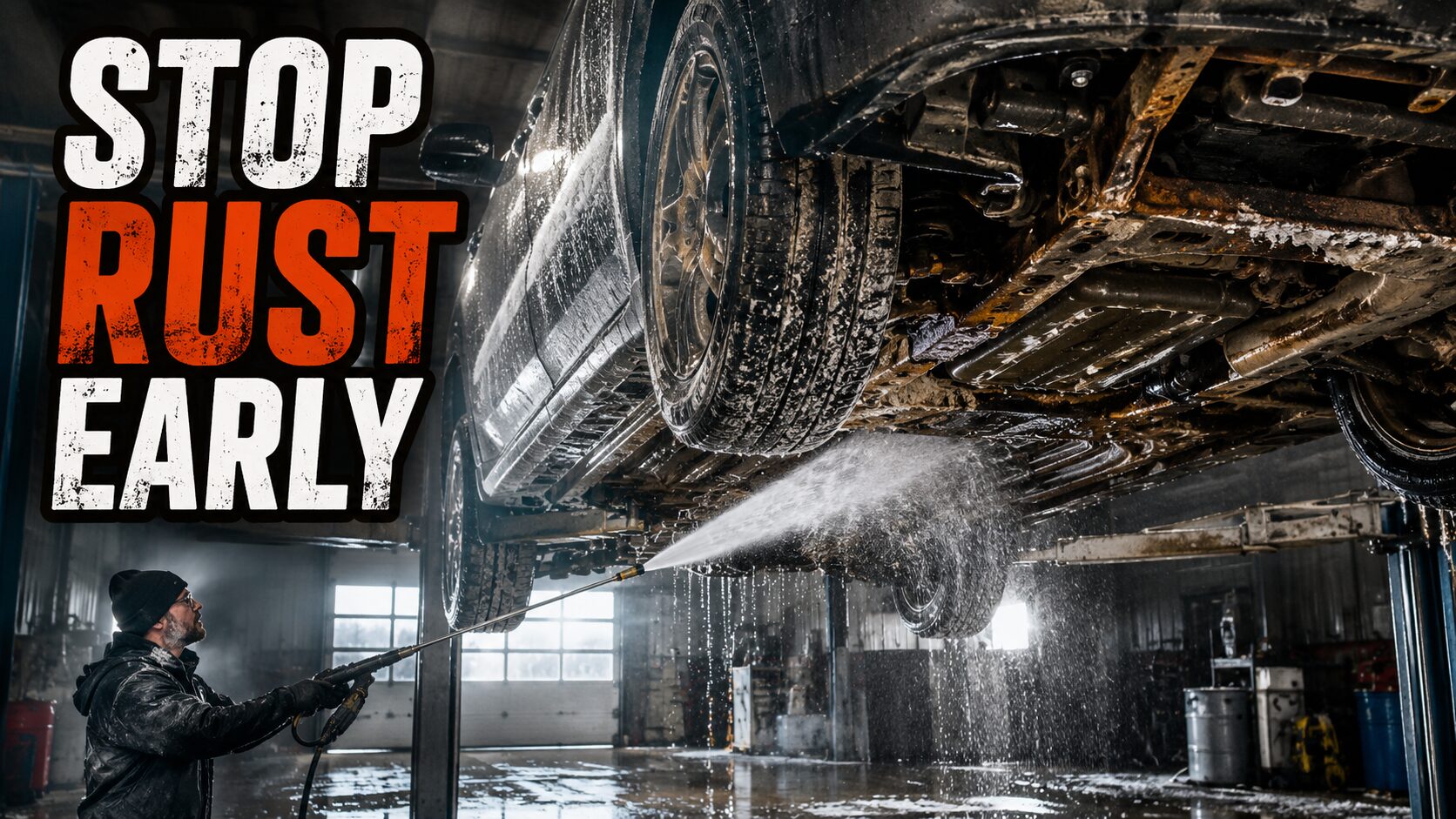
Standard car washes do not reach undercarriage surfaces with sufficient pressure to remove caked salt and brine. Road salt accelerates steel corrosion dramatically faster than plain water — which means the brine that accumulates after winter driving is actively working on the vehicle’s frame, floor pans, and suspension components between washes. A pressure washer attachment for undercarriage cleaning costs approximately $30 and handles the specific areas that commercial washes miss.
In salt belt regions, this becomes a post-storm routine rather than a seasonal task. The chemistry of brine on steel does not wait for spring maintenance schedules — the corrosion process starts immediately after exposure and continues as long as the salt remains. Regular undercarriage washing removes the active agent rather than treating the damage after it has begun.
7. Hidden Water Drains
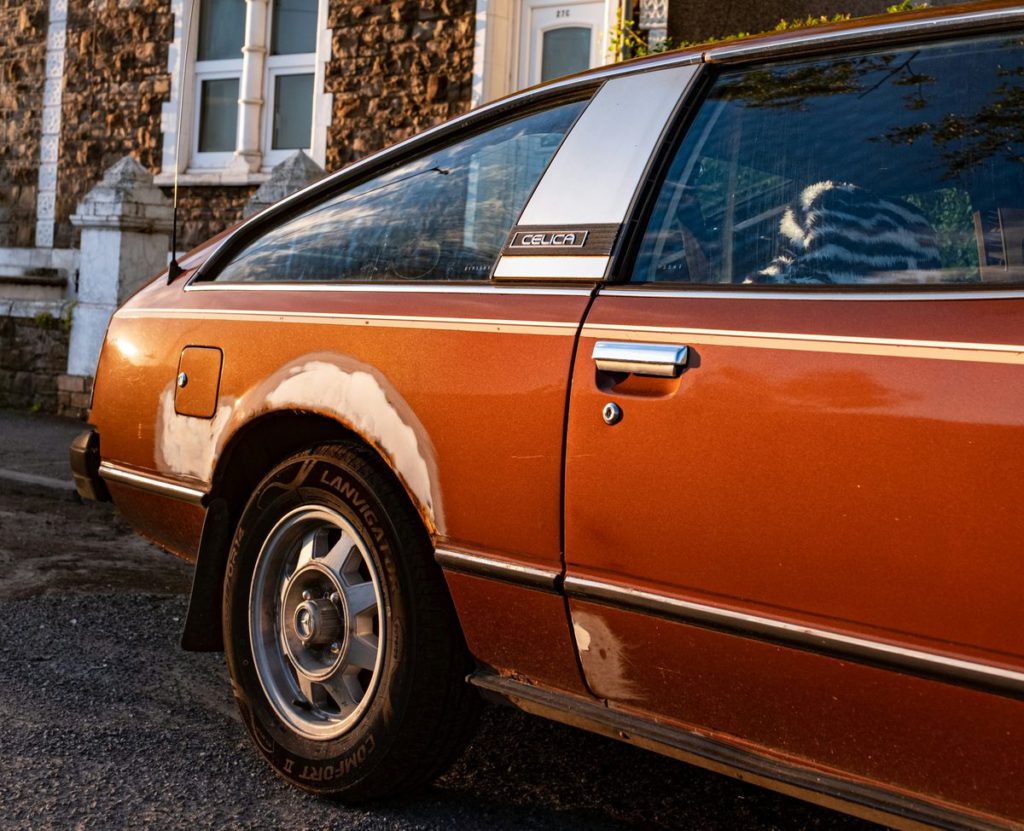
Clearing clogged drainage points twice yearly prevents trapped moisture from accelerating corrosion.
Vehicles include drainage points in sunroofs, door bottoms, windshield channels, and gas tank areas specifically to prevent water accumulation in enclosed panels. When debris clogs these drains, water sits against the metal that the drainage system was designed to protect — creating concentrated corrosion conditions in areas that are difficult to inspect and expensive to repair once damage develops. Bubbling paint along door bases and rooflines is frequently the visible evidence of clogged drains that have been trapping water for months.
Clearing these drains twice a year requires flexible wire or weed-eater line to reach the drain passages without damaging the seals around them. The maintenance takes minutes and addresses a failure mode that is invisible until it produces expensive panel damage. Most owners discover clogged drains only after the corrosion they caused has already required professional repair.
6. Lanolin-Based Sprays
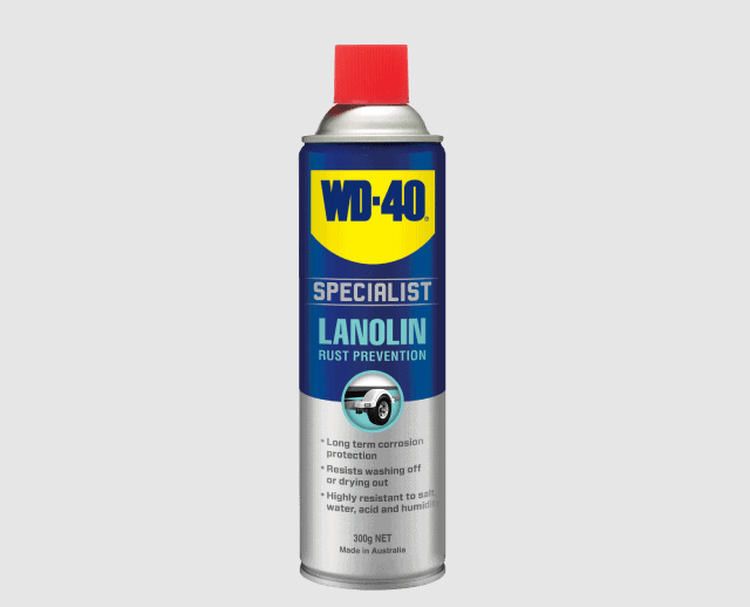
Wool grease-based products create effective water barriers that repel moisture for years.
Lanolin-based DIY spray products like Fluid Film and Surface Shield create water-repelling barriers on metal surfaces by exploiting lanolin’s natural hydrophobic properties — the same chemistry that keeps sheep’s wool dry in wet conditions. Applied to undercarriage metal, these sprays displace moisture and prevent it from contacting the steel surface long enough to initiate oxidation.
For used vehicle owners, this approach provides meaningful protection that reapplies every 2 to 3 years in standard conditions, or annually in heavy salt exposure environments. The critical application rule: avoid rubber components and brake surfaces entirely. Lanolin on brake components reduces friction in ways that create safety hazards — the spray protects metal, and applying it selectively to metal only is both the correct and the safe approach.
5. Heated Garages
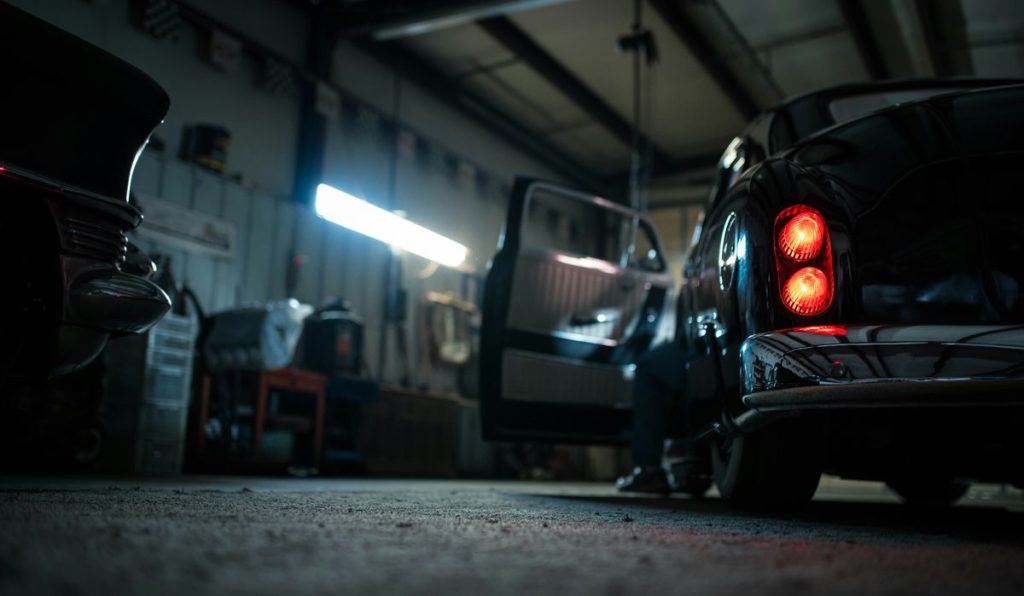
Cool, dry, well-ventilated storage beats warm garages that accelerate corrosion when salt is present.
Cold temperatures do not cause rust — the combination of moisture, salt, and steel causes rust, and temperature affects the rate at which that chemistry operates. Heated garages raise the temperature of a salt-covered vehicle, which accelerates the corrosion chemistry that the salt and moisture are already driving. Parking a brine-coated vehicle in a warm, enclosed space creates more favorable conditions for rust than leaving it outside in cold, dry air.
The correct approach is cool, dry, well-ventilated storage — or a thorough undercarriage wash before any heated storage. Industrial fans and a dehumidifier address the moisture variable that heated garages intensify. If heated garage storage is the available option, pressure-washing the undercarriage before parking inside removes the salt that the warmth would otherwise activate.
4. Rubber Floor Mats
Removing wet mats allows carpets to dry completely, preventing hidden floor pan corrosion.
Rubber floor mats protect carpet from surface dirt and moisture but create a secondary problem: they trap the moisture they collect against the carpet below, which sits directly above the floor pan. Water that soaks into carpet and cannot evaporate because a rubber mat is holding it in place creates persistent moisture contact with the metal floor pan — exactly the condition that produces rust inside the cab where it is invisible until paint bubbles or floor pan metal fails.
After driving in rain or snow, removing rubber mats and allowing the carpet underneath to dry completely interrupts this process before it advances. Industrial fans accelerate drying in situations where the vehicle will not have time to air-dry naturally before the next use. This is among the cheapest and most frequently neglected rust prevention steps — the mats that protect the carpet are the same mats that enable floor pan corrosion when left wet.
3. Parking Spot Selection
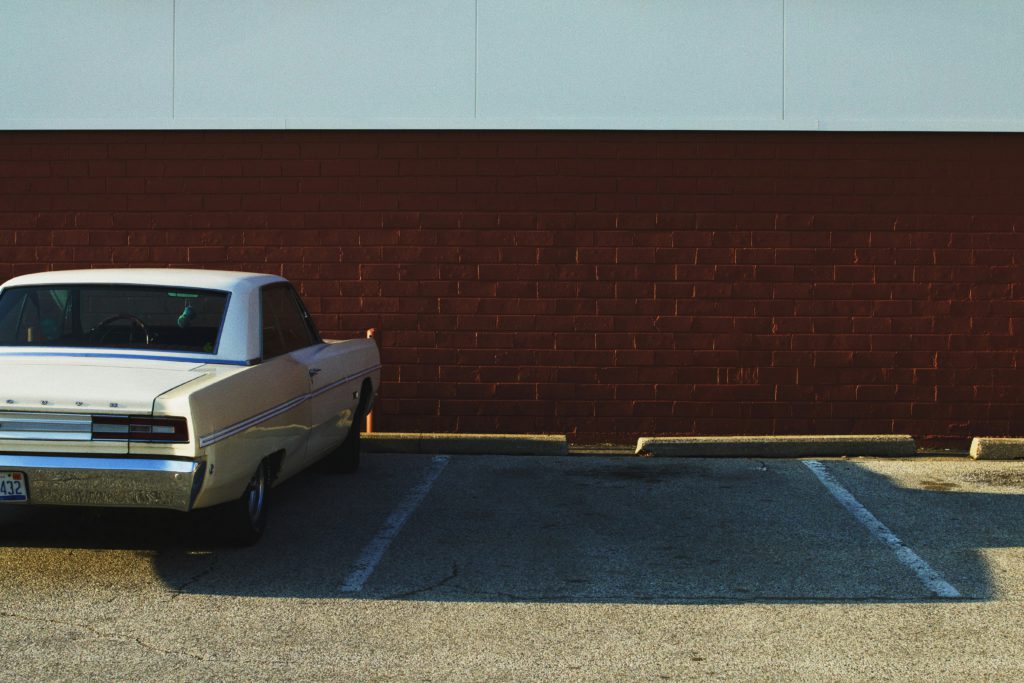
Carports provide optimal protection by shielding vehicles from UV damage while maintaining ventilation.
Regular sun exposure degrades paint and protective coatings through UV damage, removing the surface layer that prevents moisture from reaching metal directly. Unpaved parking surfaces hold morning dew and drainage against the vehicle’s undercarriage consistently — a lower-grade but continuous moisture exposure that compounds over years of daily parking. Both represent accumulated damage from routine choices rather than acute weather events.
Carport storage addresses the UV and precipitation variables simultaneously while maintaining the ventilation that enclosed garages can compromise when moisture is present. Paved surfaces under the vehicle reduce the ground-moisture exposure that unpaved parking creates. Parking decisions accumulate across years of ownership — their impact on corrosion is gradual and often only visible in the comparison between two similar vehicles that spent their lives in different storage conditions.
2. Salt Neutralizers
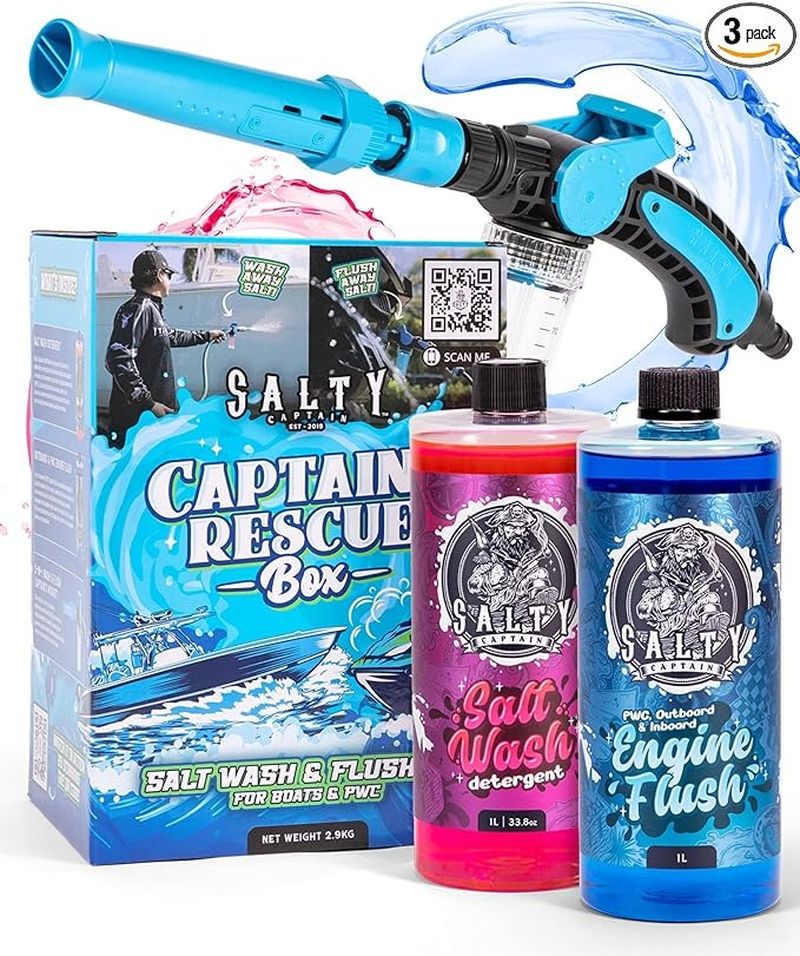
Surfactant-based washes break down clinging brine molecules that accelerate undercarriage corrosion.
Road deicing brine is specifically formulated to cling to road surfaces — which means it also clings to vehicle undercarriages with more persistence than plain road water. Standard washing removes loose material but does not break down the molecular adhesion that keeps brine attached to metal surfaces. Salt-neutralizing washes use surfactants that target the salt molecules specifically, disrupting the chemical bond that standard water pressure cannot overcome.
Combined with pressure washing, salt neutralizers address both the mechanical removal and chemical neutralization of the primary corrosion accelerant that winter driving deposits on vehicles. In regions where deicing brine is applied preventively rather than reactively — meaning vehicles encounter it on dry roads before precipitation arrives — this combination becomes particularly important because the brine concentration is higher than post-storm conditions produce.
1. Annual Rust Inspection
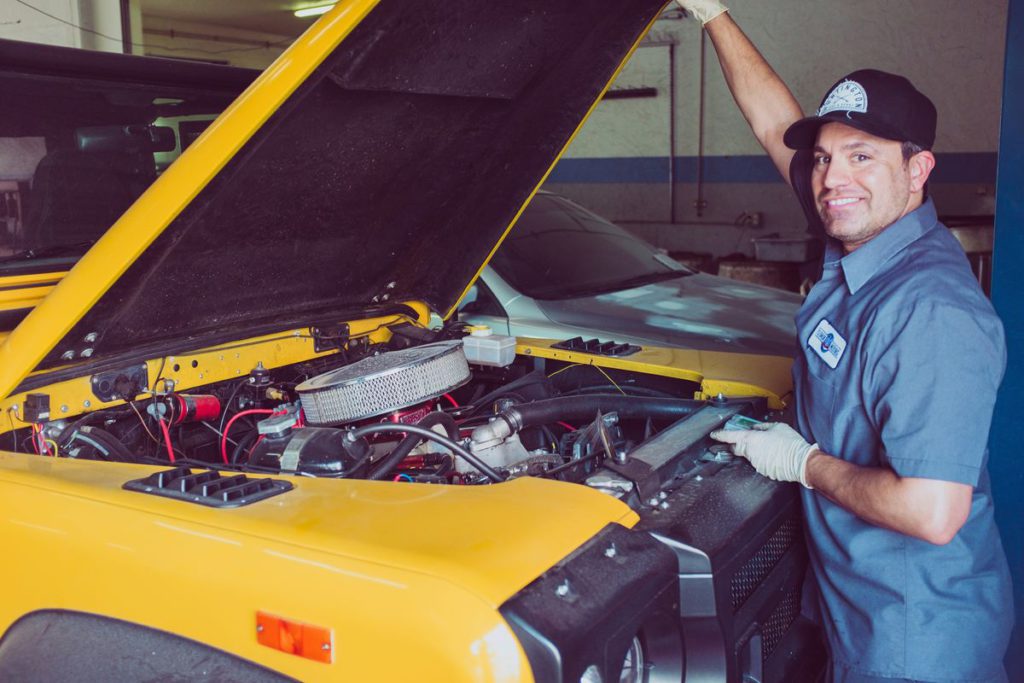
Professional inspections or thorough DIY checks catch developing rust before major repairs become necessary.
Surface rust treated early costs a fraction of what structural rust repairs cost once corrosion reaches frame rails or floor pans. The problem is that automotive rust is largely invisible during its most treatable early stages — it develops inside door panels, under floor mats, along frame rails, and in wheel wells where routine visual inspection does not reach. By the time bubbling paint or surface discoloration is visible from outside, the corrosion has typically been active for months.
Annual inspection requires getting under the vehicle with adequate lighting to examine undercarriage surfaces, frame rails, suspension components, and floor pans directly. Door frames and wheel wells require checking from above for bubbling paint or small paint chips that indicate corrosion developing beneath the surface. Finding and treating surface rust at annual inspection intervals prevents progression to the structural damage that produces the repair bills contributing to the $20 billion annual figure. Every other tactic on this list reduces the amount of rust the annual inspection needs to catch — the inspection is what determines whether those tactics are working and where they have not been sufficient.