

Modern vehicles generally last around 200,000 miles with proper maintenance, yet many feel disposable by comparison to older machines. Anyone who’s driven a car past its sixth birthday knows the creeping suspicion that the manufacturer expected you to trade up by now. The automotive landscape shifted somewhere around the early 2000s, when longevity transformed from bragging rights into a quaint afterthought. These twelve survivors refuse to accept that verdict. Built when durability meant more than meeting a warranty period, they transform road trips from calculated risks into genuine adventures.
1. Toyota Land Cruiser 80 Series (FZJ80, 1990–1997)
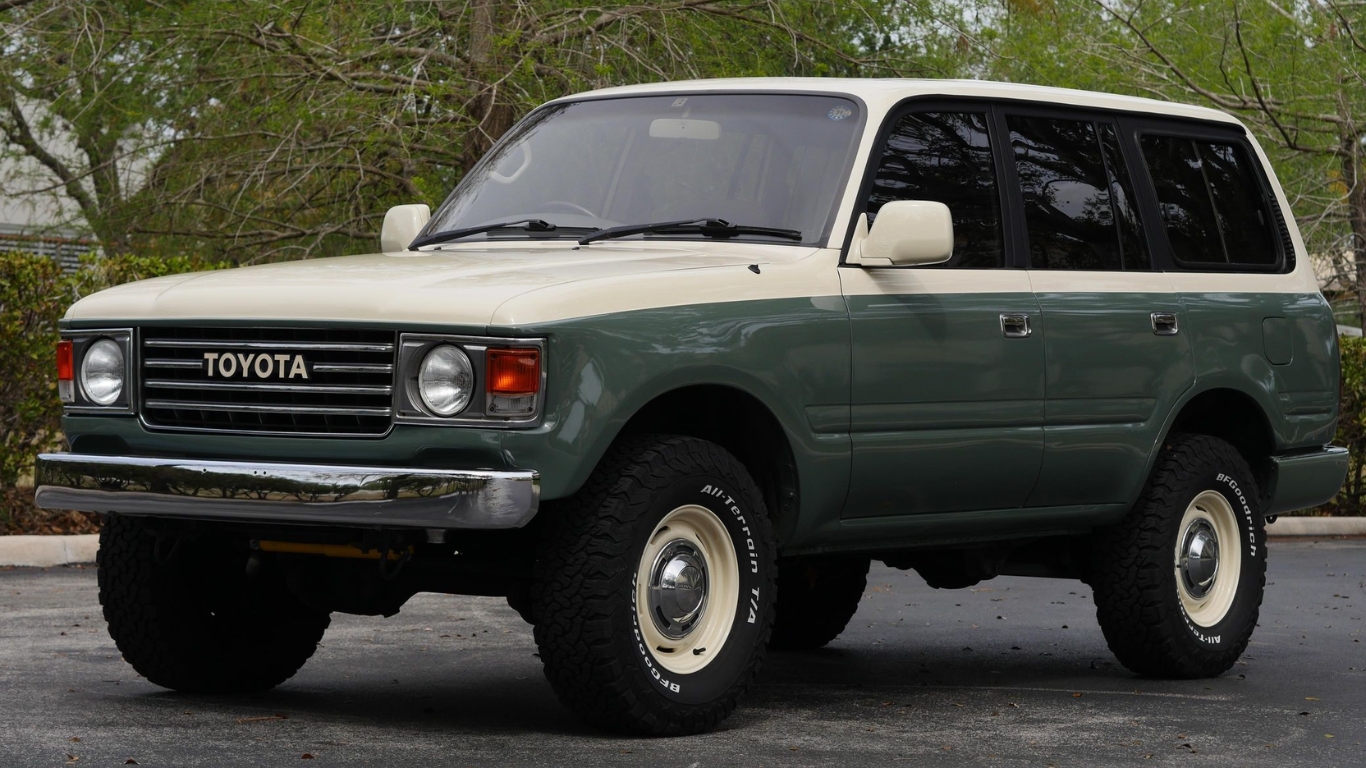
When the pavement ends and the map becomes a suggestion, this iron warhorse keeps moving.
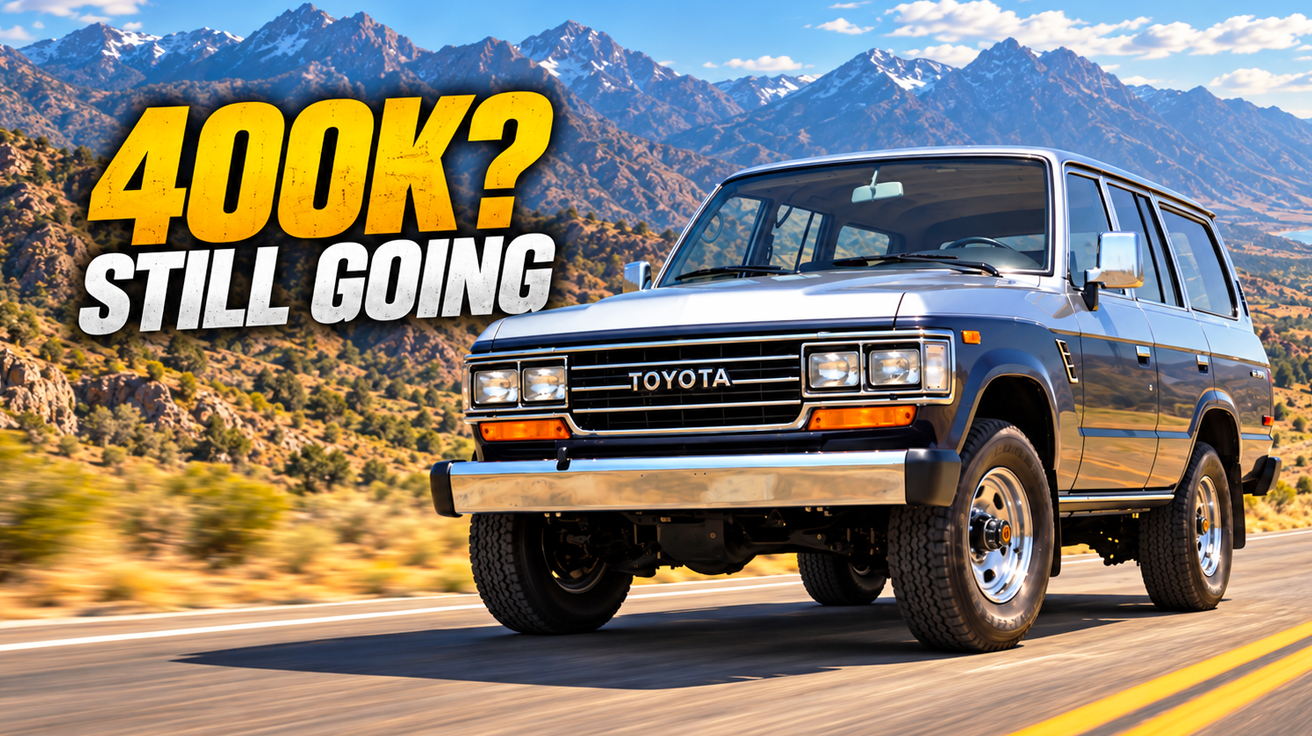
The Toyota Land Cruiser 80 Series was engineered for unforgiving global heavy-duty use. Its 1FZ-FE 4.5 L inline-6 engine displaces a robust 4,477 cc, delivering 212-215 hp and 275 lb-ft of torque tuned for low-end grunt when climbing out of trouble.
The 1FZ-FE uses a timing chain system, meaning no scheduled belt replacement will ever strand you mid-journey. Its cast-iron block provides superior thermal mass and structural strength under sustained high loads. Owners commonly report these machines reaching 400,000+ miles, and parts availability for FZJ80 components remains exceptional decades after production ended.
2. Lexus LS400 / LS430 (1990s–2006)
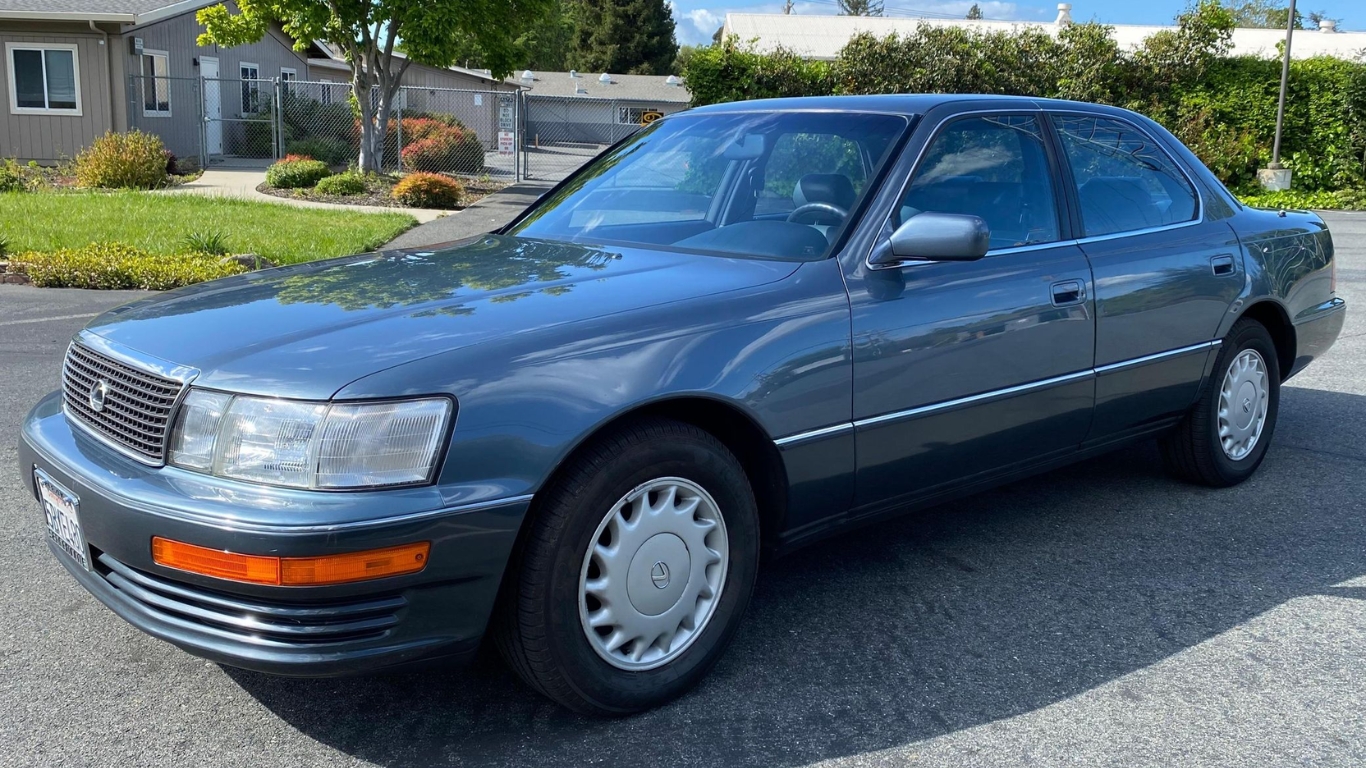
German luxury sedans met their match in a Japanese precision instrument that simply refused to break.
When Lexus launched the LS400, it targeted European luxury sedans with a reliability offensive. Its 1UZ-FE 4.0 L V8 delivered up to 300 hp depending on generation. The LS430 followed with a 3UZ-FE 4.3 L V8 producing 281-290 hp and 320 lb-ft of torque.
Both V8s rely on timing belts requiring replacement every 60,000-90,000 miles. This service is critical; these are interference engines where belt failure causes severe internal damage. The LS interior’s NVH engineering remains exceptional—whisper-quiet at highway speeds.
Owners routinely report these vehicles hitting 300,000+ miles. Few modern luxury cars, dependent on complex software and prone to warranty claims, achieve such dependability.
3. Mercedes-Benz E320 CDI (W211, 2002–2006)
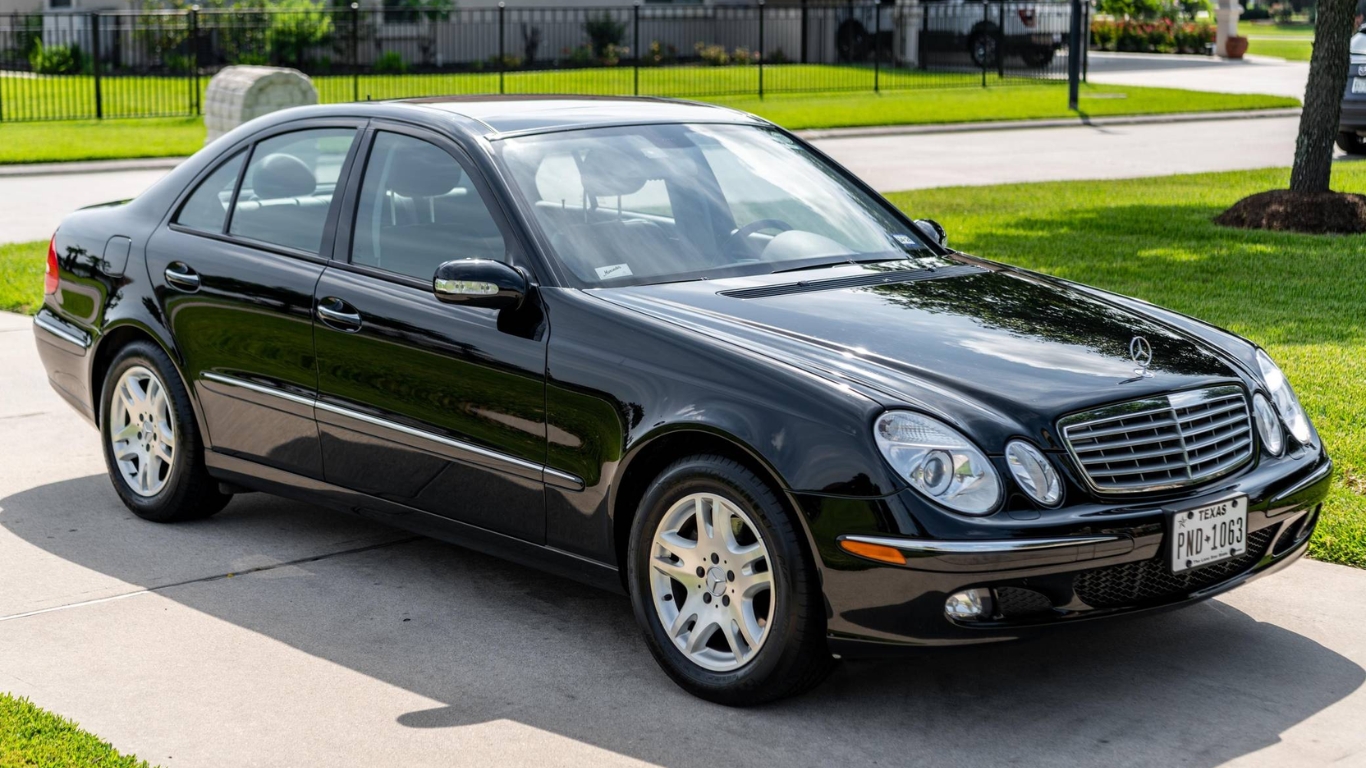
European taxi fleets proved this diesel’s endurance across hundreds of thousands of brutal urban miles.
European taxi drivers often push the Mercedes-Benz E320 CDI past 200,000 miles. Its OM648 3.2 L inline-6 turbodiesel delivers 201 hp and 500 Nm (369 lb-ft) of torque between roughly 1,800-2,600 rpm. This cast-iron block engine uses a durable timing chain and pulls with freight-train authority.
The robust 722.6 “5G-Tronic” 5-speed automatic transmission complements this endurance, commonly exceeding 200,000-300,000 miles in fleet service. Euro 4 versions include diesel particulate filters, but the absence of AdBlue systems simplifies maintenance compared to modern diesel aftertreatment.
4. Toyota Matrix / Pontiac Vibe (2003–2008)
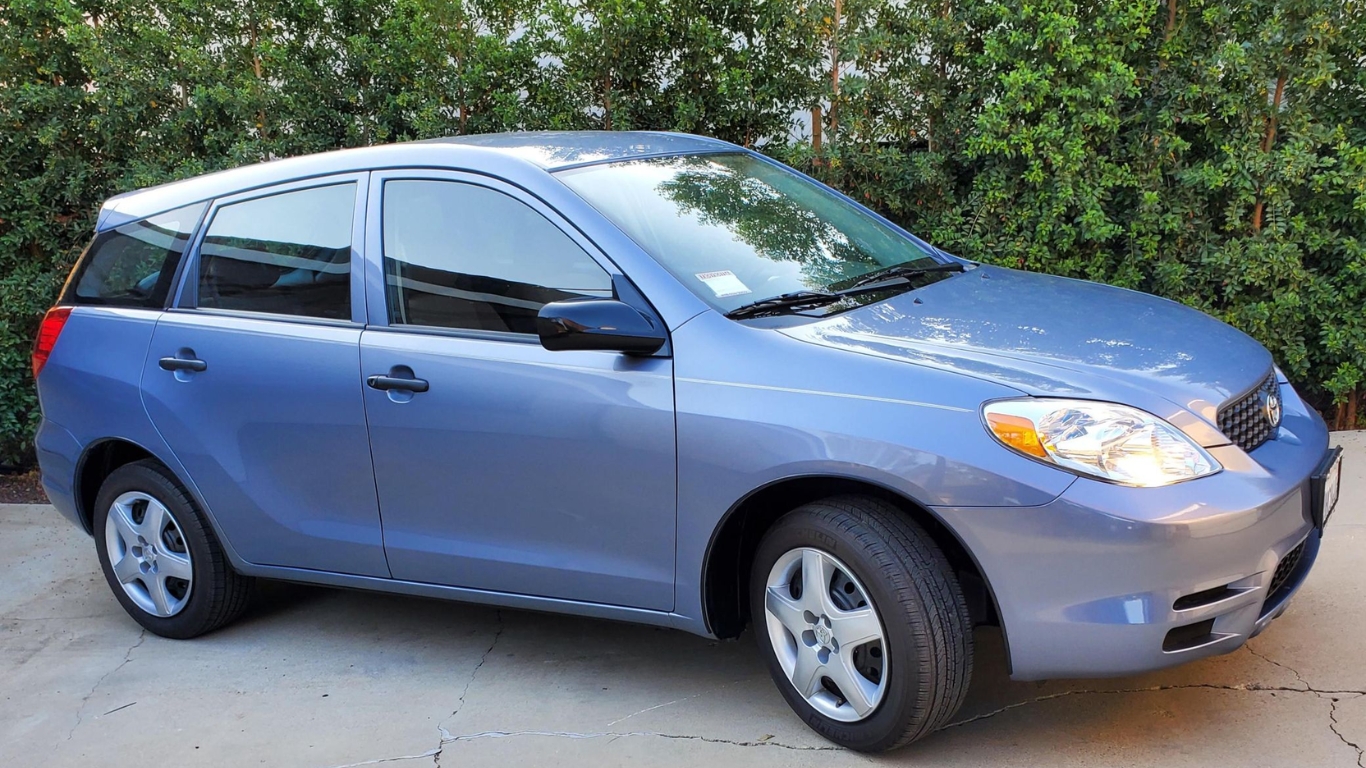
Practical hatchback packaging hiding Toyota’s bulletproof 1.8-liter engine and optional high-revving performance.
The 1.8 L 1ZZ-FE engine powering mainstream Toyota Matrix and Pontiac Vibe models delivers 123-132 hp. This engine uses a robust timing chain eliminating scheduled replacement. Early 1ZZ-FE variants exhibited oil consumption issues; Toyota addressed this with revised pistons and rings under TSB EG009-06, ensuring long-term durability in later builds.
The Matrix XRS and Vibe GT offered the 2ZZ-GE 1.8 L DOHC engine with VVTL-i variable valve timing and lift. This unit screams to 8,200 rpm, unleashing up to 180 hp. Beyond performance, the Matrix/Vibe’s practicality shines with up to 1,507 L of cargo room when seats fold.
These machines routinely hit 200,000 miles and keep going. Mechanical simplicity combined with Toyota parts commonality delivers low running costs and strong reliability.
5. Lexus ES300 / ES330 (XV30, ~2002–2006)

Depreciation transforms yesterday’s luxury into today’s undeniable value for informed buyers.
The Lexus ES300 arrived with a 1MZ-FE 3.0 L V6 producing 210 hp and 220 lb-ft of torque. The later ES330 stepped up to a 3MZ-FE 3.3 L V6 offering 225 hp and 240 lb-ft. Both engines demand critical timing belt service around 90,000 miles to ensure sustained reliability.
These sedans were built for comfort. Extensive NVH control and sound insulation create library-quiet cabins at highway speeds. Owners consistently report these cars sailing past 250,000 miles with minimal drama, making many newer luxury cars look fragile by comparison.
Three states into a road trip, cruising in silence while the odometer climbs, the true worth of a machine that simply works becomes clear.
6. Honda Accord (sixth generation, 1998–2002)
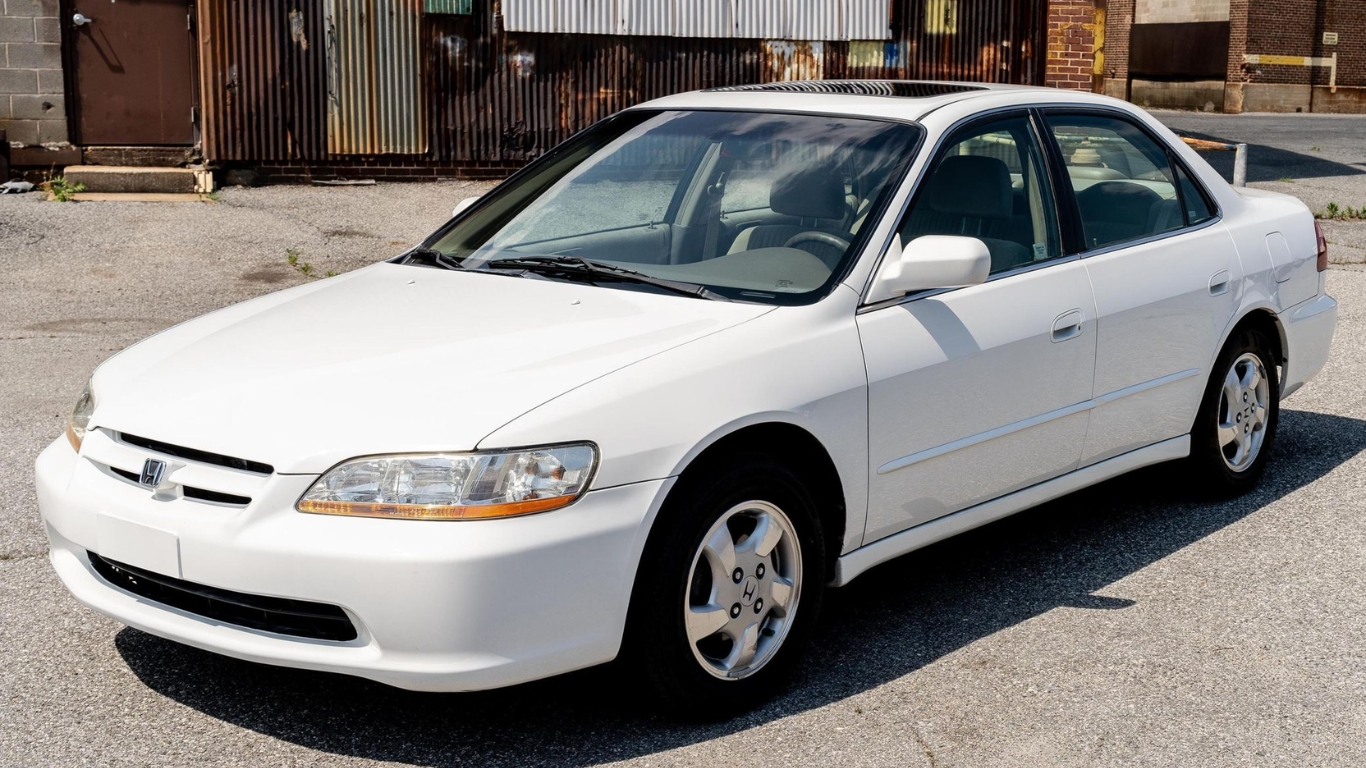
The J30A1 V6 offers smooth power, but the automatic transmission demands careful attention.
Mechanics still recommend the sixth-generation Honda Accord for high mileage, and the J30A1 3.0 L SOHC VTEC V6 explains why. This engine delivered 200 hp at 5,500 rpm with smooth, robust performance.
The timing belt requires service around 105,000 miles or 84 months. This is an interference design; skipped replacement causes catastrophic damage. While the J30A1 V6 ticks like a meticulously wound watch, the 4-speed automatic transmission proves vulnerable to failure around 100,000 miles—a known weakness requiring close monitoring.
Despite this flaw, the Accord’s refined interior and solid chassis still impress. Manual-transmission four-cylinder Accords from this generation often prove the smarter longevity choice, but the V6’s smooth power remains appealing for those who address gearbox health proactively.
7. Toyota Avalon (second generation, ~2000–2004)

Full-size comfort married to Toyota V6 reliability creates an overlooked road trip warrior.
The second-generation Toyota Avalon often sails past 200,000 miles without drama. Its 1MZ-FE 3.0 L V6 engine delivers 194-197 hp and 210 lb-ft of torque, paired with a robust A541E 4-speed automatic transaxle.
Regular timing belt service around 90,000 miles and proper fluid maintenance unlock this machine’s full potential. The Avalon’s full-size chassis offers generous rear legroom. Superior NVH suppression creates a remarkably quiet cabin—private-library quiet at highway speeds—transforming cross-country treks into relaxed escapes.
The second-gen Avalon simply gets there, quietly and repeatedly, prioritizing comfort and steadfast reliability over flash.
8. Volvo S40 / V50 (2004–2011)
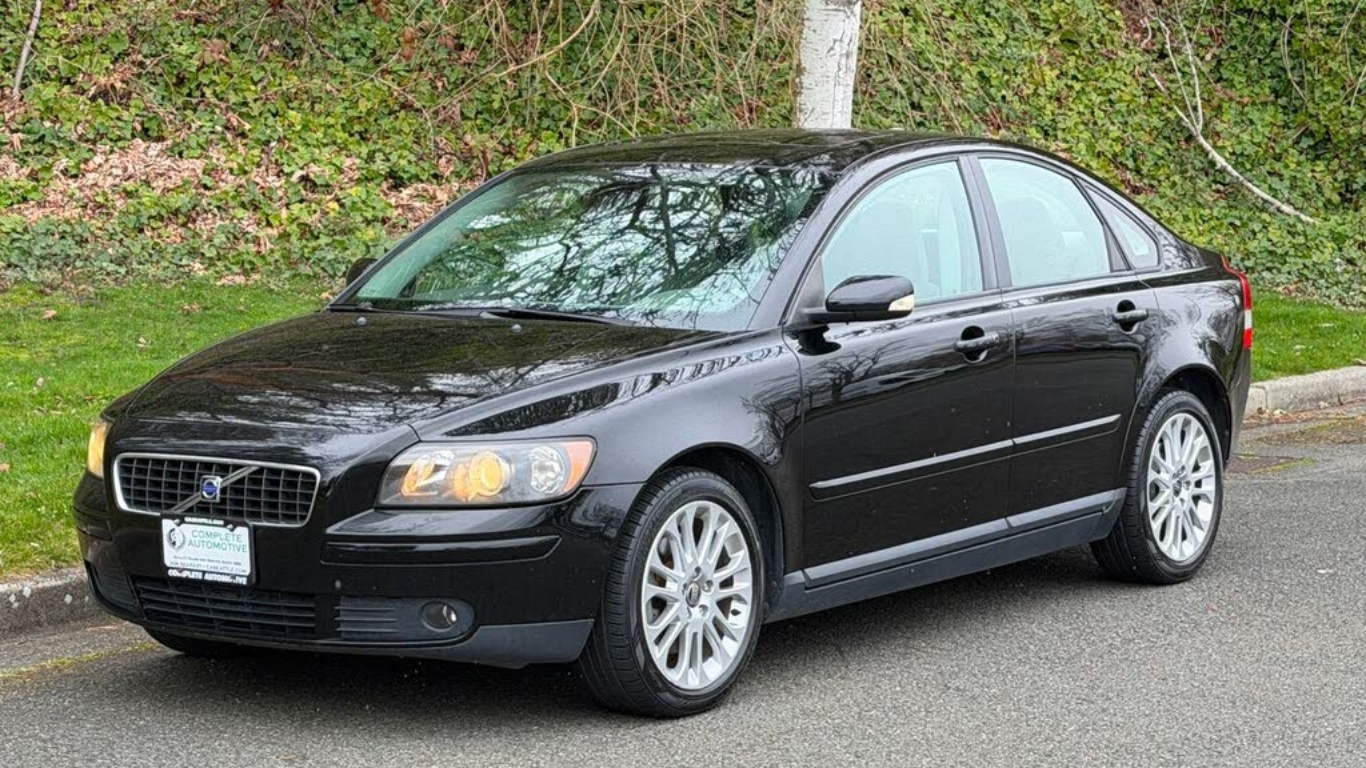
Naturally aspirated inline-five simplicity dodges common turbo problems while racking up serious miles.
The understated competence of European engineering shines in naturally aspirated Volvo S40 and V50 models. The B5244 inline-5 engine displaces 2,435 cc and delivers 170 hp (125 kW) and 230 Nm (170 lb-ft) in 2.4i variants. Detuned versions produce around 138-140 hp. Lacking turbocharger hardware, these engines avoid common Volvo turbo issues—oil coking, intercooler hose failures, boost-control solenoid problems.
The timing belt requires replacement every 90,000-120,000 km. This relatively minor upkeep contributes to an impressive engine life approaching 370,000 km. Covering distance becomes effortless; the temperature gauge never demands attention.
Across countless miles and early morning commutes, this Volvo doesn’t scream for attention. It simply does the work—arriving reliably on your own terms.
9. Ford F-150 (10th generation, 2001–2004)
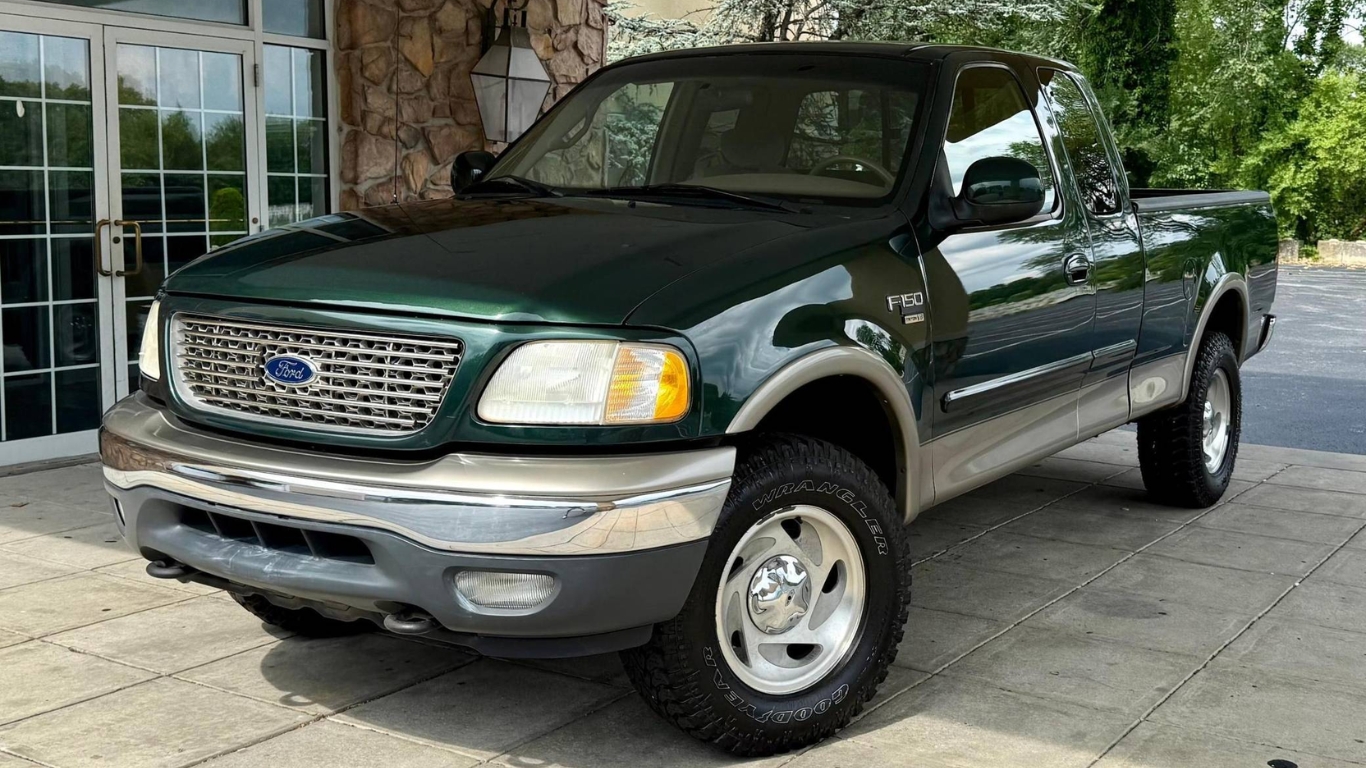
The 4.6 L Triton V8 and 4R70W automatic deliver honest work-truck endurance with one known fix.
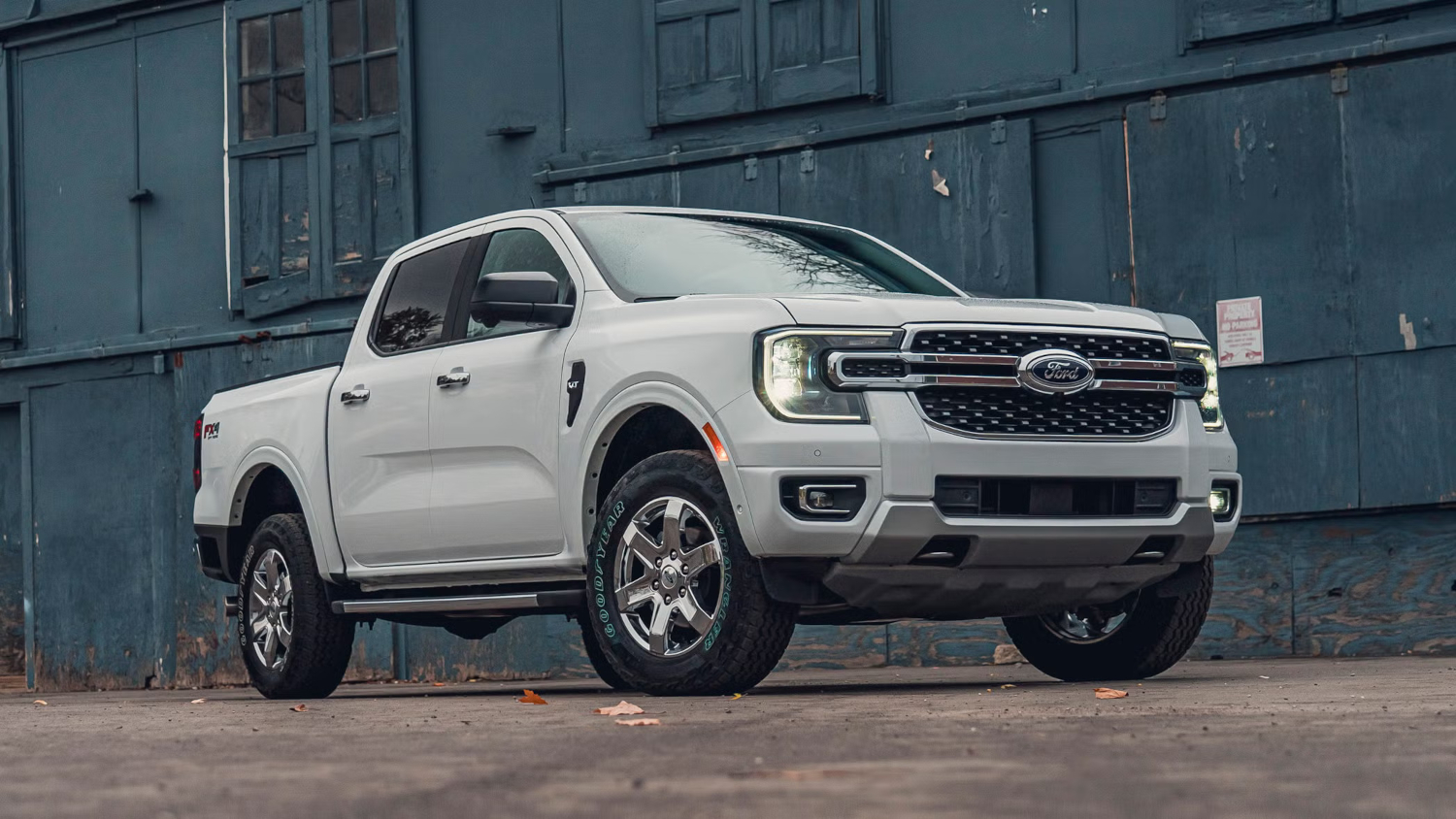
The tenth-generation Ford F-150 challenges the reputation of older trucks as maintenance black holes. Its 4.6 L 2-valve Triton V8 delivers 231 hp and 293 lb-ft of torque. This SOHC engine uses a timing chain, avoiding rubber belt failures.
Spark plug ejection was a documented flaw—aluminum heads had insufficient threads, which could strip under thermal cycling. Ford acknowledged this in TSB 07-21-2. An inexpensive thread-repair insert (Time-Sert or similar) provides a permanent fix once installed correctly.
The 4R70W 4-speed automatic transmission proves robust. With routine fluid and filter changes, these units often surpass 200,000 miles. Common issues include torque-converter shudder and delayed reverse engagement when neglected, but proper maintenance delivers reliable cross-country capability.
10. Toyota Camry (fifth generation V6, ~2002–2006)

The 1MZ-FE V6 defines mid-2000s Toyota engineering with consistent 200,000-mile-plus performance.
Mechanics often recommend the fifth-generation Toyota Camry V6 for dependability. Its 1MZ-FE 3.0 L V6 delivers 194-210 hp and 183-222 lb-ft of torque depending on tune. The timing belt needs replacing every 90,000 miles. This is a non-interference engine; belt failure typically won’t destroy internals but will strand you.
This platform commonly covers 200,000-300,000 miles with minimal fuss. Proper timing-belt service and attention to potential oil-sludge concerns (short change intervals with quality oil) keep these V6s running strong. Consistent fluid changes ensure this Camry remains an unflappable companion on the open road.
11. Toyota Corolla (ninth generation, 2003–2008) & Chevrolet Prizm (up to 2002)
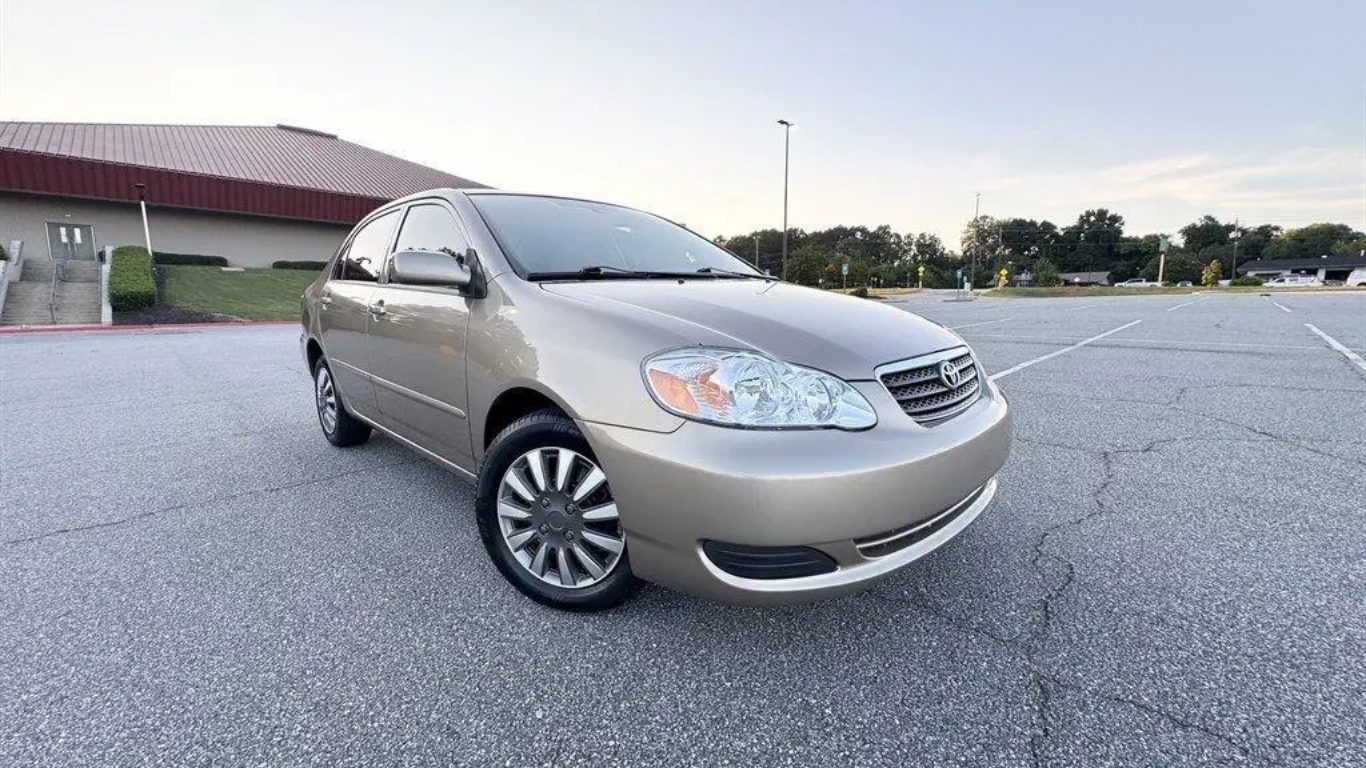
The 1.8 L 1ZZ-FE offers chain-driven simplicity and Toyota reliability in a humble, high-mileage package.
The 1.8 L 1ZZ-FE inline-4 powering the ninth-generation Toyota Corolla and its Chevrolet Prizm twin delivers straightforward 130 hp and 125 lb-ft of torque. Chain-driven cams need no scheduled replacement. This era of Corolla offers unmatched simplicity—a humble machine built for the long haul.
Early 1ZZ-FE engines (notably pre-2004 models) sometimes faced excessive oil consumption due to piston ring design. Toyota resolved this with revised components per TSB EG009-06. The U341E 4-speed automatic, when serviced with correct Toyota Type T-IV fluid, often reaches 150,000-200,000 miles.
Park one at a desert festival for three days, and it fires up like nothing happened. These cars are the unsung heroes of reliable transportation.
12. Honda Civic (seventh generation, 2001–2005)
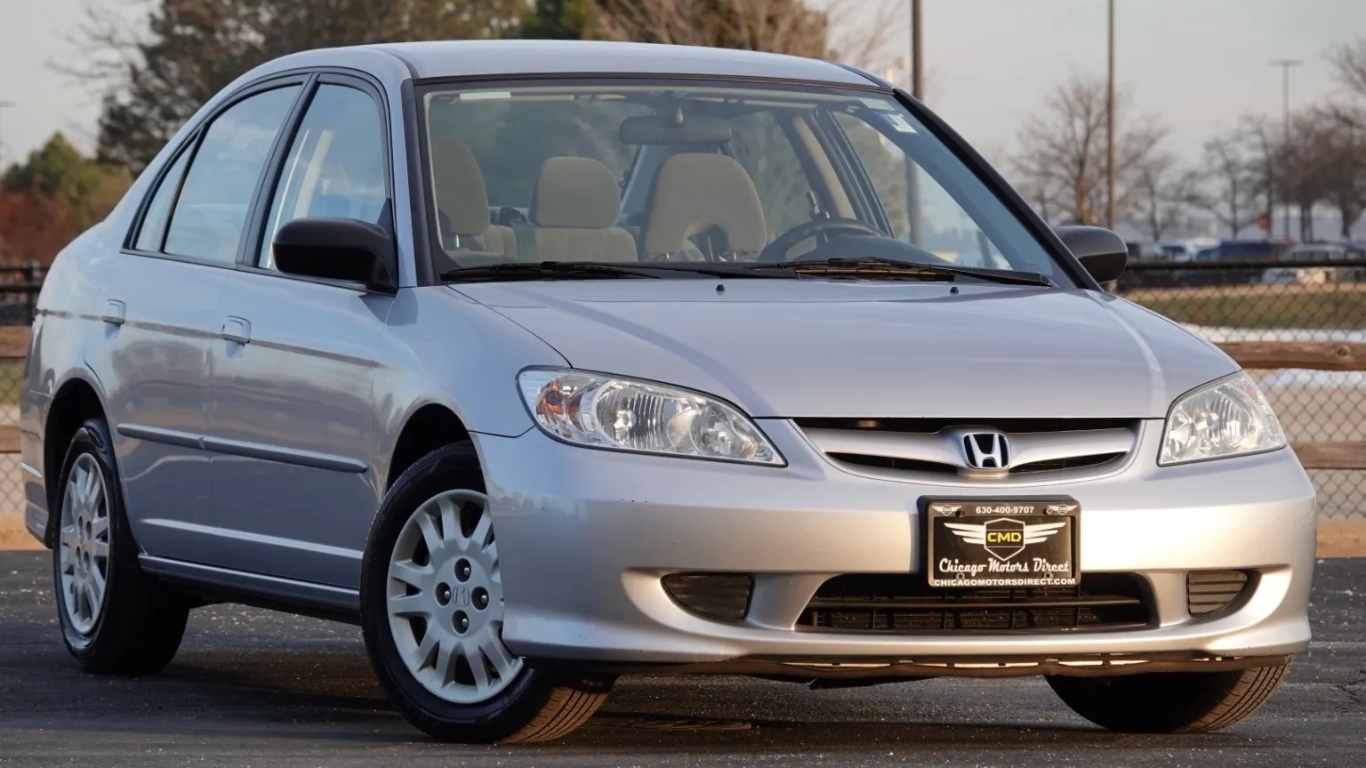
The D17A 1.7-liter engine delivers mechanical honesty and low ownership costs past 200,000 miles.
The unassuming seventh-generation Civic offers a masterclass in resilient engineering. Its 1.7 L D17A-series SOHC 16-valve engine delivers 115 hp in DX/LX trims and 127 hp in EX models. This proven powerplant routinely runs well past 200,000 miles with basic maintenance.
For anyone stranded by digital dashboard meltdowns, the Civic’s mechanical honesty refreshes. Conventional four-speed or five-speed transmissions and cable-actuated throttles (in early models) sidestep complex electronic systems that plague modern cars. The result: low ownership costs and more time enjoying the drive rather than diagnosing tech gremlins.
The seventh-gen Civic switched from Honda’s earlier double-wishbone front suspension to MacPherson struts, but retained a compact in-wheel double-wishbone rear setup that balanced interior space with decent handling. This generation proves that smart engineering doesn’t require a smartphone to manage.