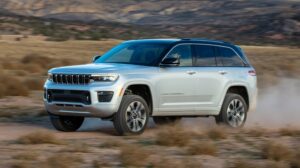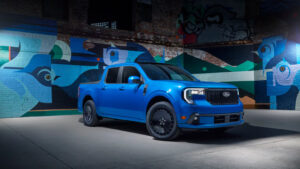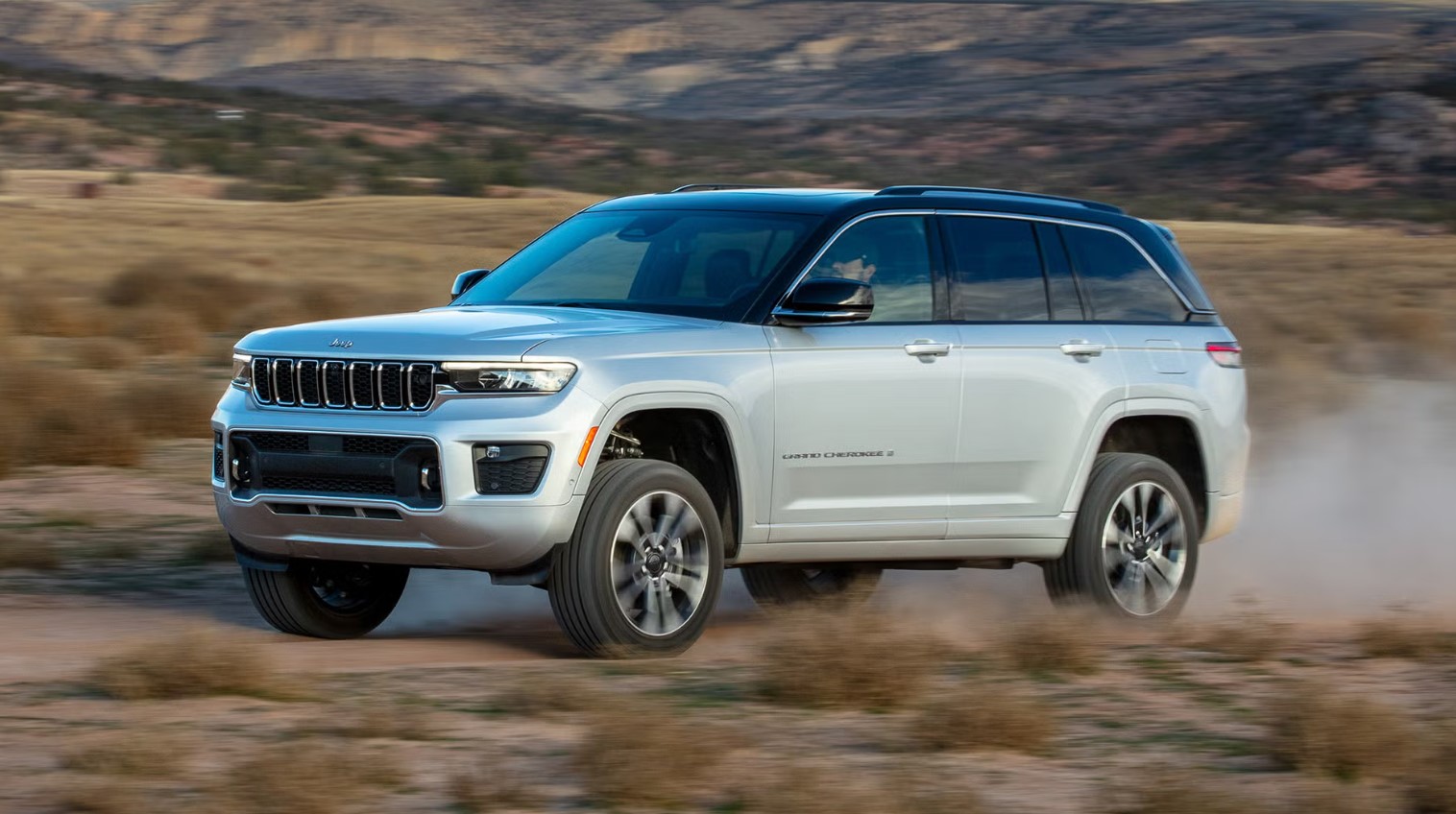


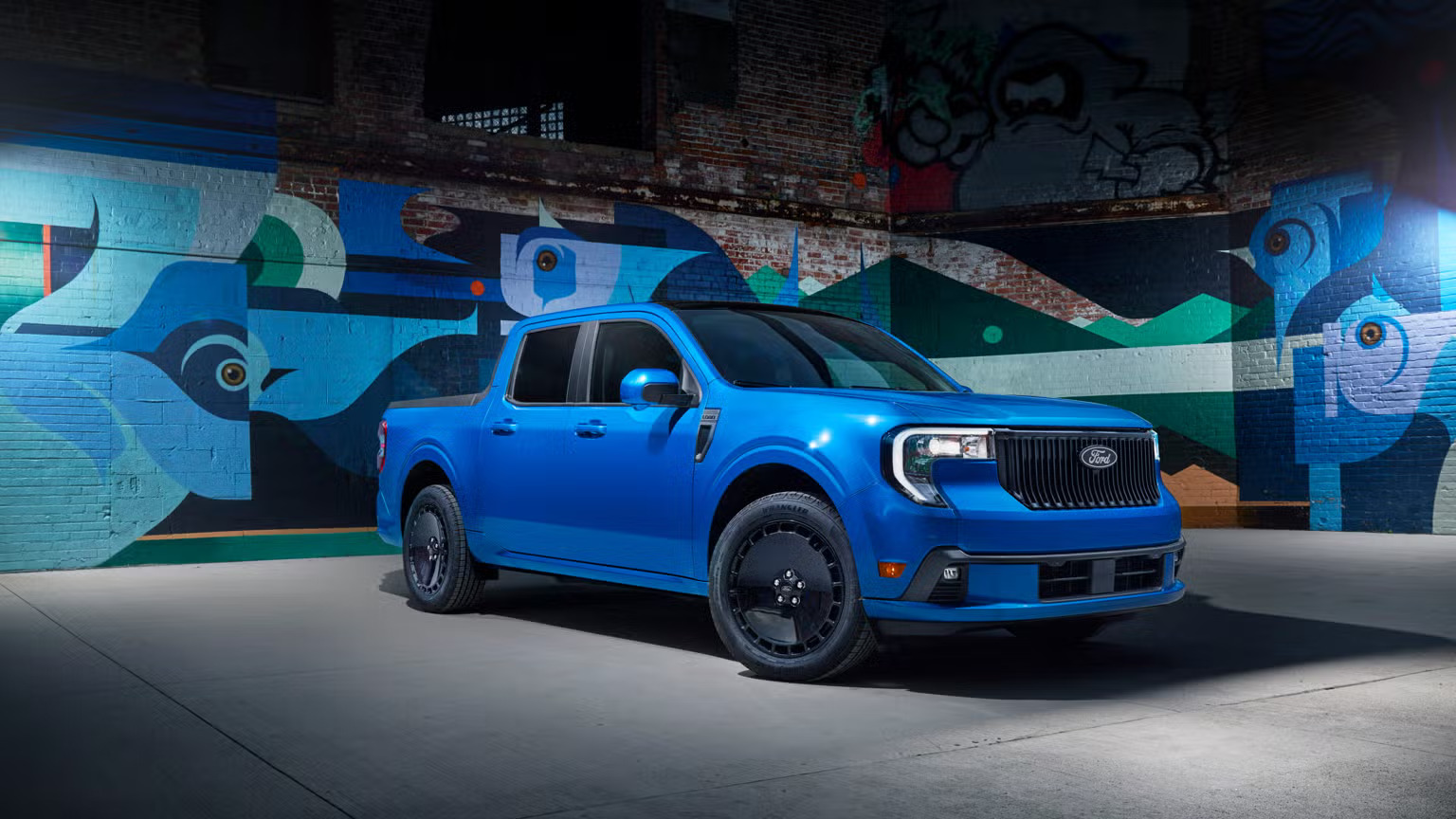
Ford moved 13,680 Mavericks in August 2026 alone. Hyundai’s Santa Cruz managed 13,191 units across the entire first eight months of the year — down 30% from the same stretch in 2025. One month beats one year. That’s not a sales gap; that’s a eulogy. Hyundai has accelerated the Santa Cruz’s discontinuation, with production reportedly winding down around early 2027, sooner than originally planned. Notably, this is a Santa Cruz problem, not a Hyundai problem — the Tucson and Santa Fe both hit record August numbers, and Hyundai’s hybrid sales are up 33% year-to-date.
Why the Santa Cruz Lost
Value won the compact truck segment — and the Santa Cruz never truly competed on those terms.
The Santa Cruz was genuinely the more refined truck. It tows up to 5,000 lbs versus the Maverick’s roughly 4,000 lbs maximum. Reviewers liked living with it. None of that mattered when buyers opened the window sticker.
The Maverick’s standard 191-hp hybrid returns around 38 mpg combined — making it the most efficient pickup in America. The Santa Cruz’s best configuration barely touches 25 mpg. Want the Santa Cruz’s more powerful turbo engine? That requires climbing to roughly a $41,000 XRT trim. The Maverick, even as its hybrid prices have crept above $30,000 for 2026, still outsells the Santa Cruz approximately six to one.
The broader sales record tells the same story:
| Model | 2025 Units Sold |
|---|---|
| Ford Maverick | 155,051 |
| Hyundai Santa Cruz | 25,499 |
The model has sold nearly half a million units since launch. The Santa Cruz peaked at 36,675 units in 2023, then fell around 30% by 2025 — a collapse that sealed its fate. Hyundai’s next truck move is a larger midsize pickup aimed at Tacoma buyers, not a affordable new car replacement.
Autoblog and Car and Driver both frame Hyundai’s pivot as a tacit admission that trying to out-price and out-efficient Ford in this segment simply didn’t work.
Toyota Is Watching – And Waiting
Toyota has the hybrid credibility and truck reputation to challenge Ford — if timing doesn’t cost them the segment.
Toyota is circling. A RAV4-based compact pickup is reportedly in development, and a camouflaged Corolla Cross-based prototype has surfaced in Brazil. Toyota executives publicly acknowledge strong demand but counsel patience, still describing the segment as “niche.” Analysts peg a U.S. arrival around fall 2027 at the earliest.
It’s like a streaming service waiting to greenlight a show after a competitor already has three seasons locked in the cultural conversation. Toyota has genuine hybrid credibility and truck brand loyalty. But by the time any model could arrive, Ford may have 600,000-plus Mavericks on U.S. roads, having already defined what compact truck buyers expect: efficient, affordable, hybrid-powered, and honest about what it is.
The question isn’t whether Toyota can build a capable compact pickup. It’s whether arriving two-plus years late lets them rewrite the rules — or just join a party Ford is already hosting alone.
For buyers who wanted something other than a Maverick in this segment, that gap is real. Competition makes products better. Right now, there isn’t much.